
White Mountains (Winter Scene) — History & Facts
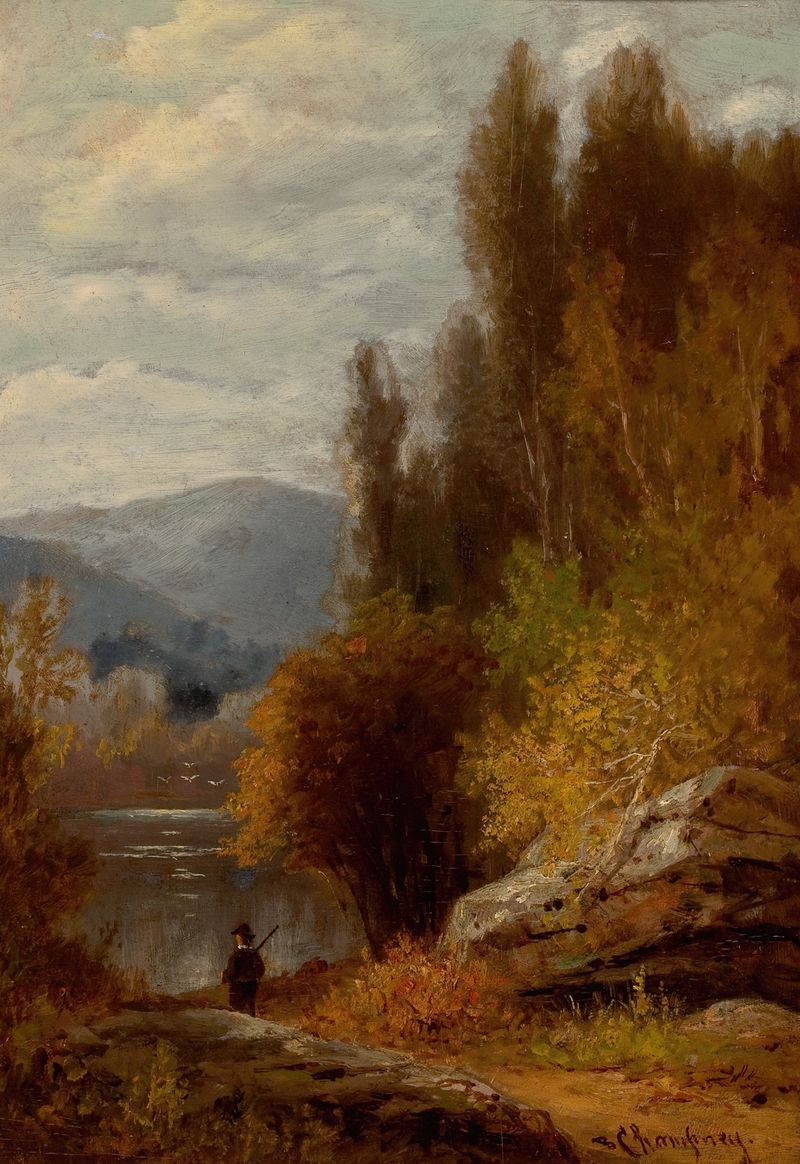
In the stillness of winter, desire weaves itself through the snow-laden landscape, inviting us to explore the echoes of warmth within its chill. Look to the horizon where the jagged peaks of the White Mountains pierce the sky, cloaked in a delicate blanket of white. The cool tones of icy blue and soft gray dominate the canvas, juxtaposed against the warmer browns of the bare trees in the foreground. Notice how the light dances across the snow, glistening in fleeting moments, as if the sun, too, yearns to linger longer in the embrace of winter’s grasp.
The meticulous brushwork brings textures to life, drawing our eyes to the gentle undulations of the terrain and the intricate play of shadow. Beneath the serene beauty lies a deeper yearning—the longing for the warmth of spring, the promise of new life amid the stillness. Each tree stands as a sentinel of solitude, embodying the tension between desolation and hope. The stark contrasts of color and composition reveal not just the landscape, but also the emotional landscape of the artist, capturing a moment that feels both transient and eternal. In 1856, Benjamin Champney captured White Mountains (Winter Scene) during a time when American artists were beginning to explore the sublime beauty of their own country.
Living in New England, he was influenced by the Hudson River School’s emphasis on nature and emotional expression. The world was shifting, with the burgeoning industrial age looming, yet in his artwork, Champney found solace and a profound connection to the natural world, embodying an era that sought to preserve the fleeting beauty of the untouched landscape.
More Artworks by Benjamin Champney
Browse all →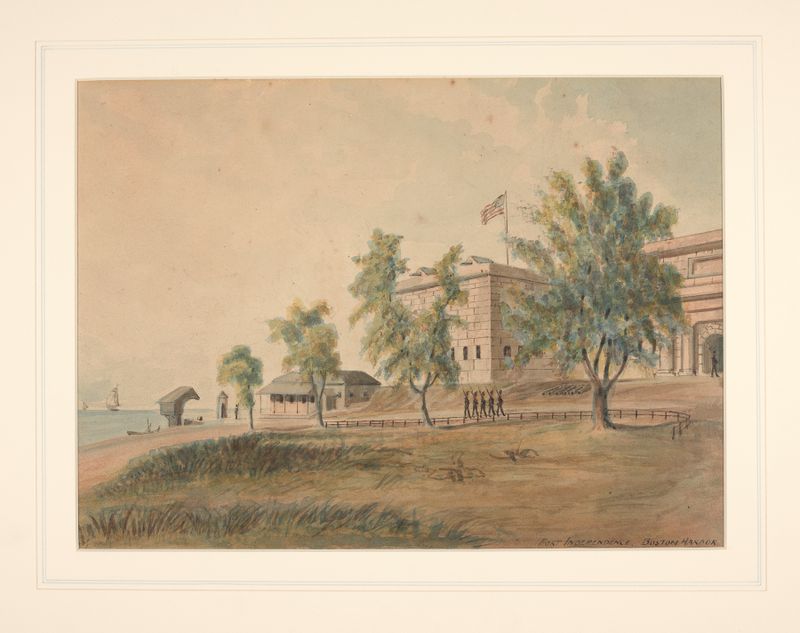
Fort Independence. Boston Harbor.
Benjamin Champney

New Boston Theater. Washington Street.
Benjamin Champney

View of the Roman Campagna
Benjamin Champney
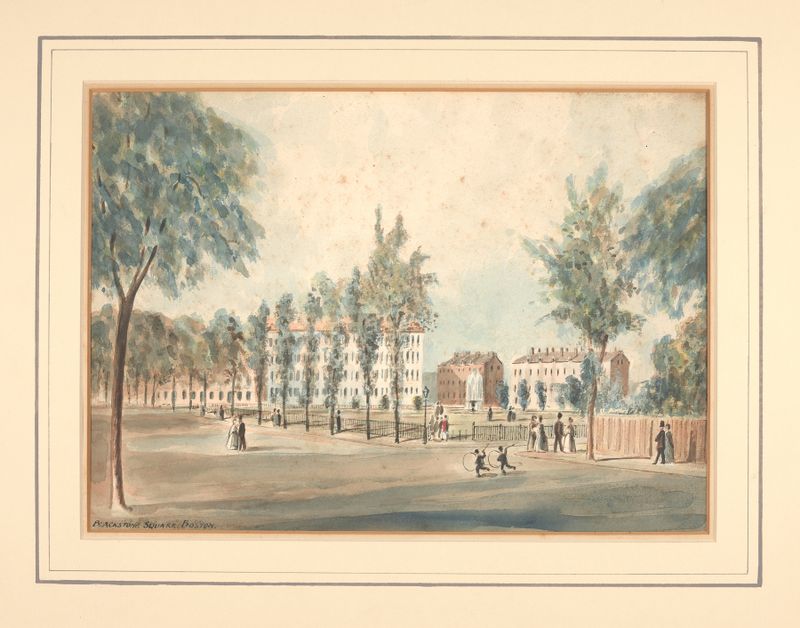
Blackstone Square. Boston.
Benjamin Champney

Summer Street. Boston
Benjamin Champney
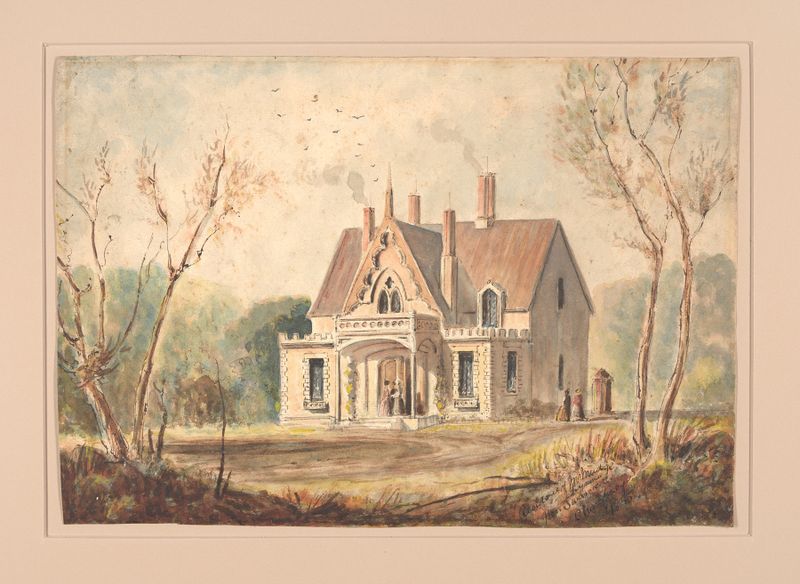
Residence of Mr. Mudge Lyman near Swanscot.
Benjamin Champney
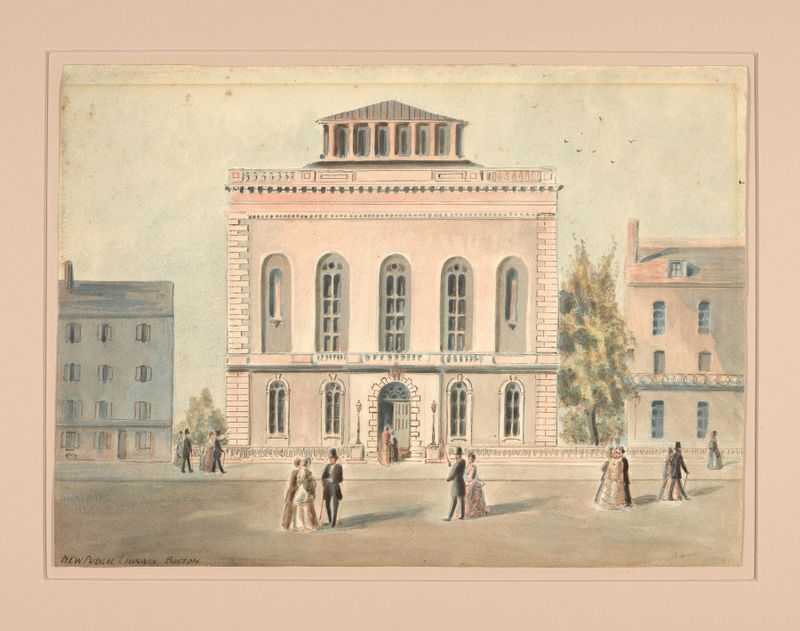
New Public Library Boston
Benjamin Champney

Oil Study for Seascape
Benjamin Champney
Hunter on the Path
Benjamin Champney

Boston City Library.
Benjamin Champney





