
Summer Street. Boston — History & Facts
Amidst the growing urban sprawl of 19th-century Boston, Benjamin Champney’s "Summer Street" invites us to pause and revel in an idyllic moment that contrasts sharply with the encroaching industrial age. The painting captures a sun-drenched street lined with lush trees, their verdant canopies embracing the warm tones of the setting sunlight. Champney employs a delicate interplay of light and shadow, guiding the viewer’s eye along the cobblestone path that meanders through the scene.
Notice how the soft brushstrokes create a sense of movement in the leaves, almost whispering the secrets of summer breezes. The vivid greens and soft yellows evoke a sense of nostalgia, inviting you to linger in this serene tableau, where the bustle of city life fades into the background. At the time Champney painted this work, he was deeply influenced by the transcendentalist movement, which celebrated nature and the individual spirit in a rapidly modernizing world. Living in Boston, he was an observer of the tension between nature and industry, often seeking refuge in the landscapes that inspired his art.
The peaceful atmosphere of "Summer Street" reflects his yearning for simplicity and connection to the pastoral beauty that was increasingly threatened by urban development. This work was a personal meditation, a heartfelt response to the changes surrounding him, as he sought to preserve fleeting moments of tranquility. Interestingly, "Summer Street" was painted during a period when Champney was renowned for his landscapes, yet he chose to depict a familiar urban scene, showcasing his versatility and dedication to capturing the essence of both nature and city life. By doing so, he created a timeless reminder of the need for balance in an age of progress, urging us to cherish and protect the beauty that still exists amidst our bustling lives.
More Artworks by Benjamin Champney
Browse all →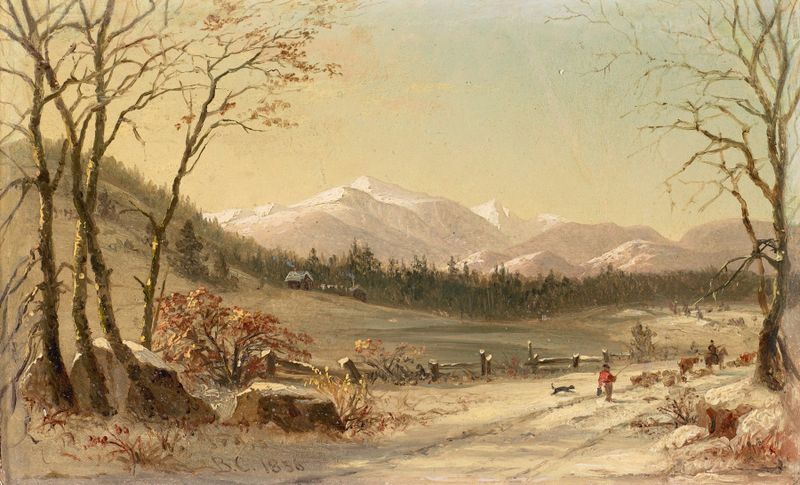
White Mountains (Winter Scene)
Benjamin Champney
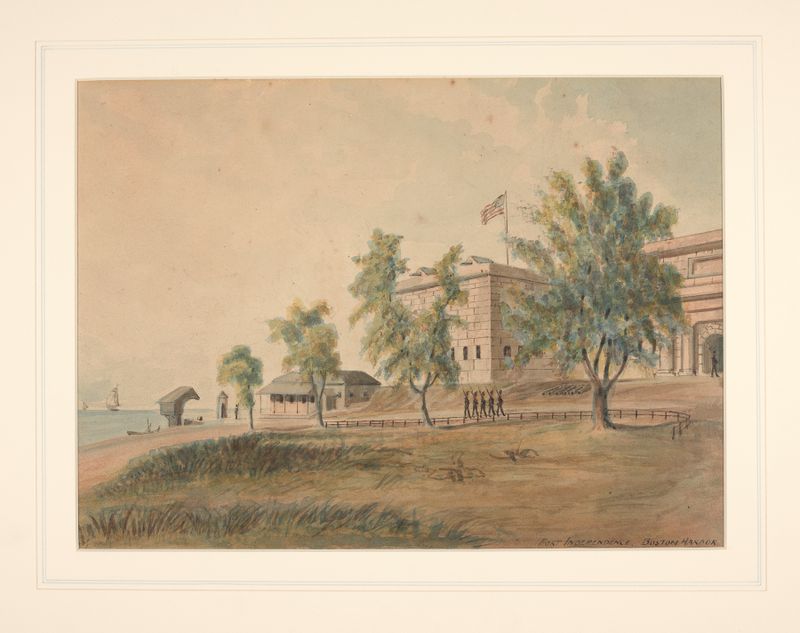
Fort Independence. Boston Harbor.
Benjamin Champney

New Boston Theater. Washington Street.
Benjamin Champney

View of the Roman Campagna
Benjamin Champney
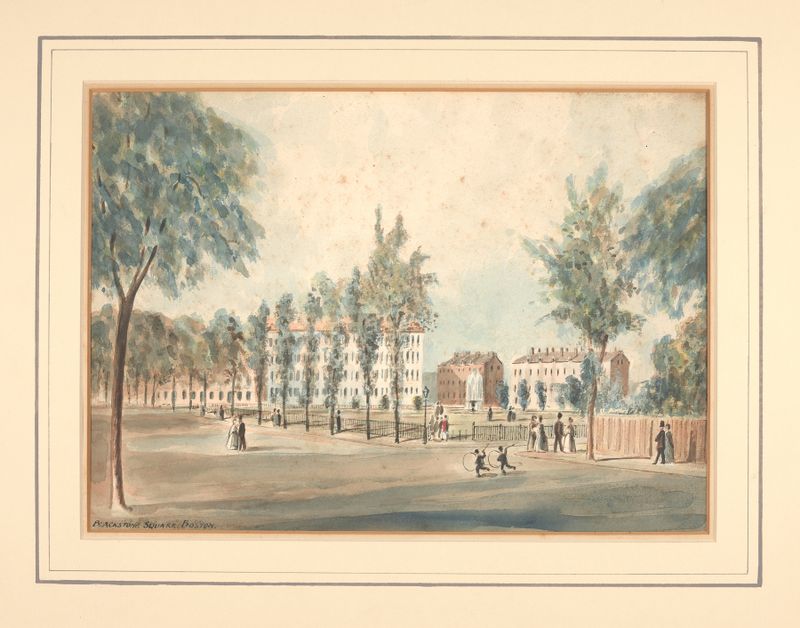
Blackstone Square. Boston.
Benjamin Champney
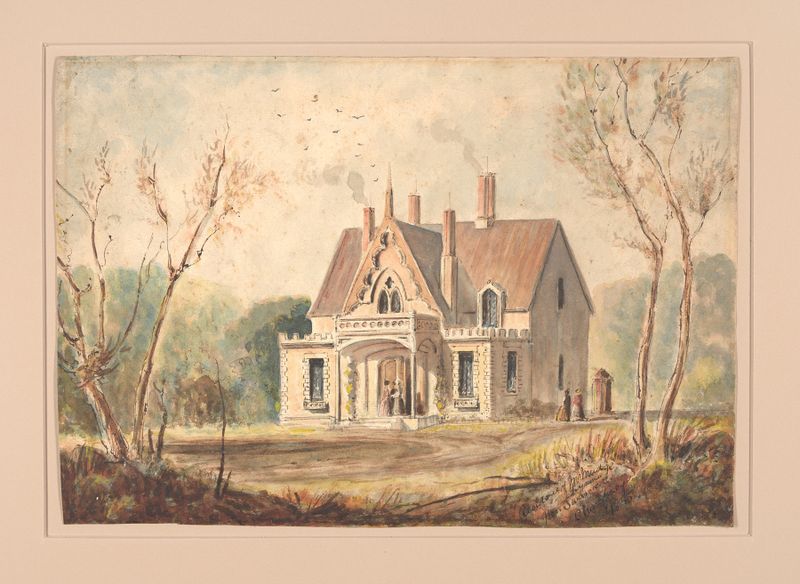
Residence of Mr. Mudge Lyman near Swanscot.
Benjamin Champney
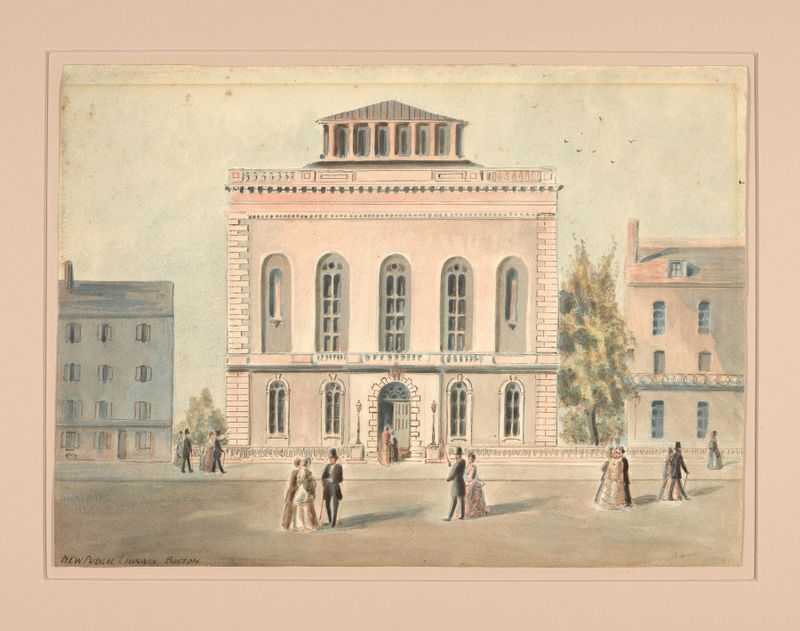
New Public Library Boston
Benjamin Champney

Oil Study for Seascape
Benjamin Champney
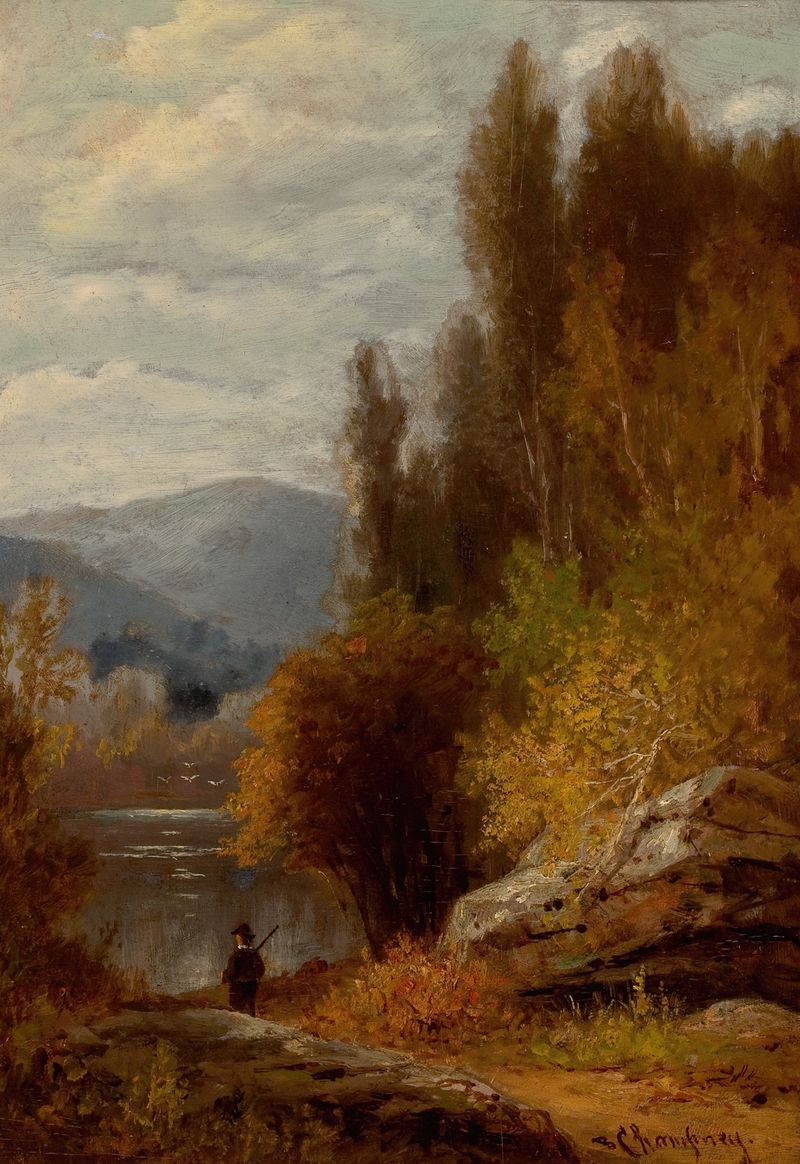
Hunter on the Path
Benjamin Champney

Boston City Library.
Benjamin Champney





