
Blauberg near Wolmar — History & Facts
What if silence could speak through light? In Blauberg near Wolmar, the haunting stillness of nature resonates with an echo of loneliness, inviting contemplation in every brushstroke. Look to the left at the gentle sweep of the hills, rendered in soft, muted greens and blues that blend into an expansive sky. Notice how the light dances on the water’s surface, creating a shimmering effect that contrasts with the shadowy outlines of distant trees. The composition feels deliberate, guiding the eye through the tranquil landscape, where every element contributes to a sense of isolation, underscored by the subtle hues. Delve deeper, and you’ll find layers of emotional tension nestled within the quiet scene.
The vacant expanse hints at solitude, while the trees, almost anthropomorphic in their stance, seem to watch over the water, holding untold stories. The interplay of light and shadow suggests a dialogue between hope and despair, inviting the viewer to reflect on their own experiences of loneliness amidst beauty. In 1868, Julie Wilhelmine Hagen-Schwarz painted this work while living in Germany, during a time when there was a growing interest in natural landscapes among artists. Influenced by the Romantic movement, her focus on the interplay of light and nature reflects both personal introspection and the broader artistic dialogue of the period.
The painting encapsulates the search for connection and understanding in a rapidly changing world.
More Artworks by Julie Wilhelmine Hagen-Schwarz
Browse all →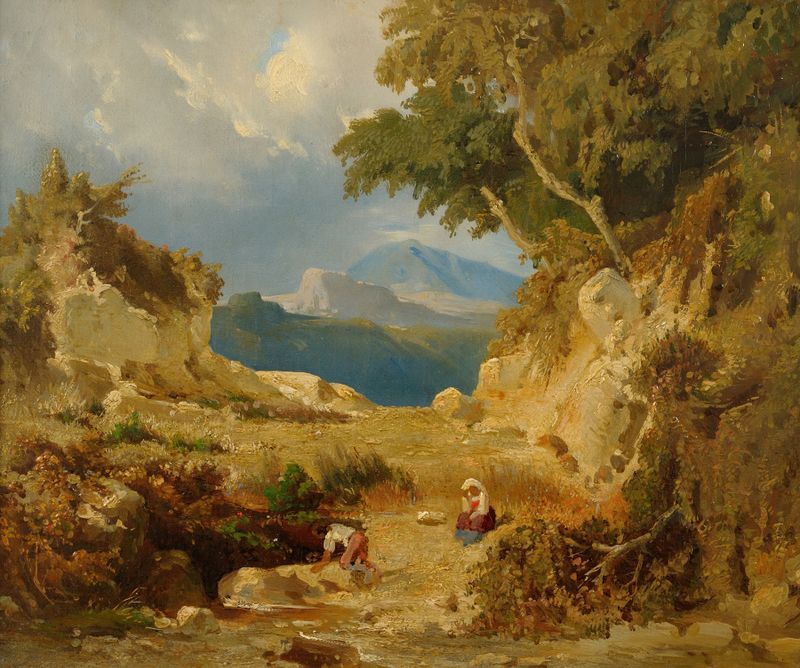
Italian Landscape
Julie Wilhelmine Hagen-Schwarz
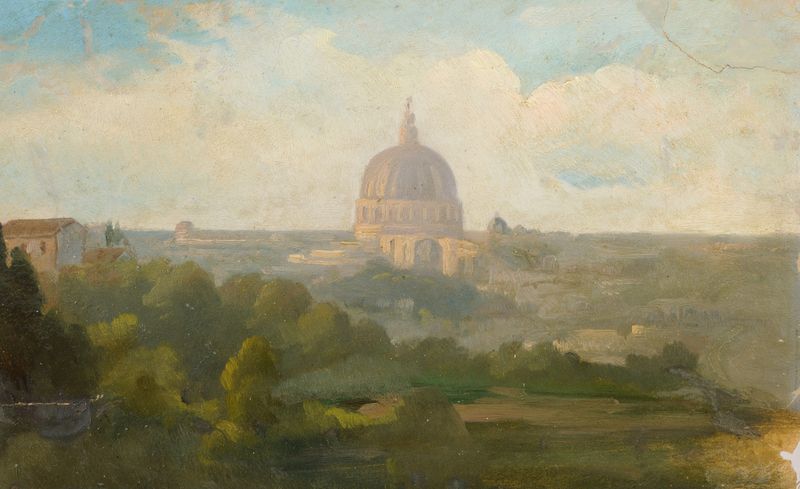
St Peter’s Basilica in Rome
Julie Wilhelmine Hagen-Schwarz
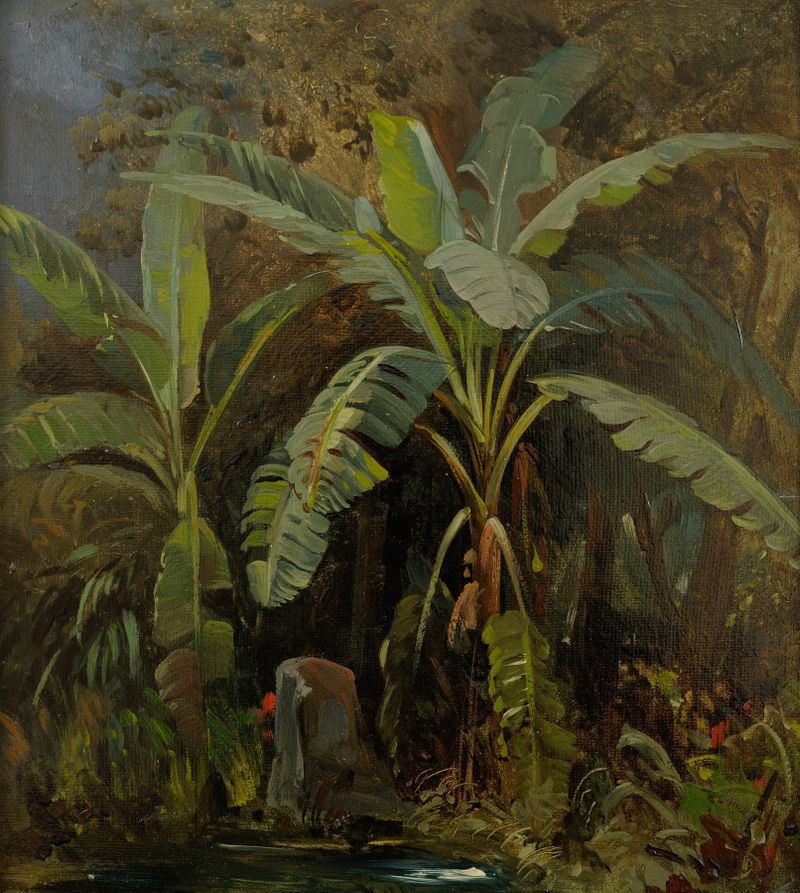
Vegetation in Italy
Julie Wilhelmine Hagen-Schwarz
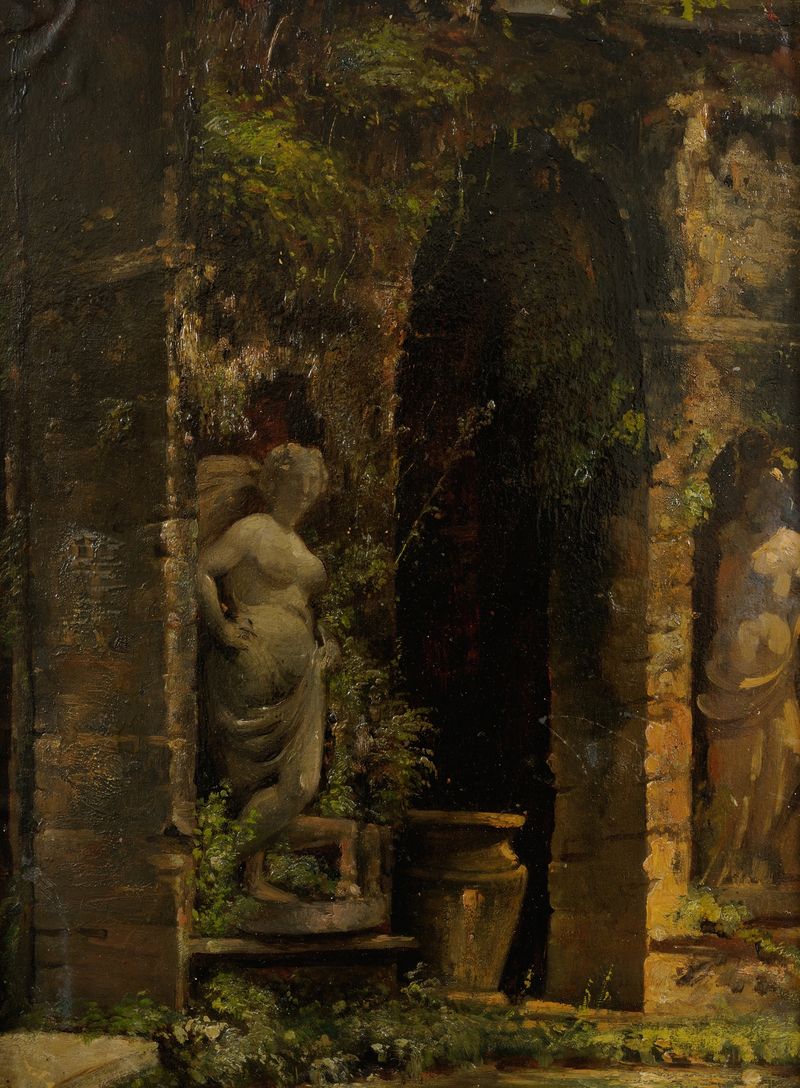
Grotto in Rome
Julie Wilhelmine Hagen-Schwarz

Mountainous Landscape with a Tent
Julie Wilhelmine Hagen-Schwarz
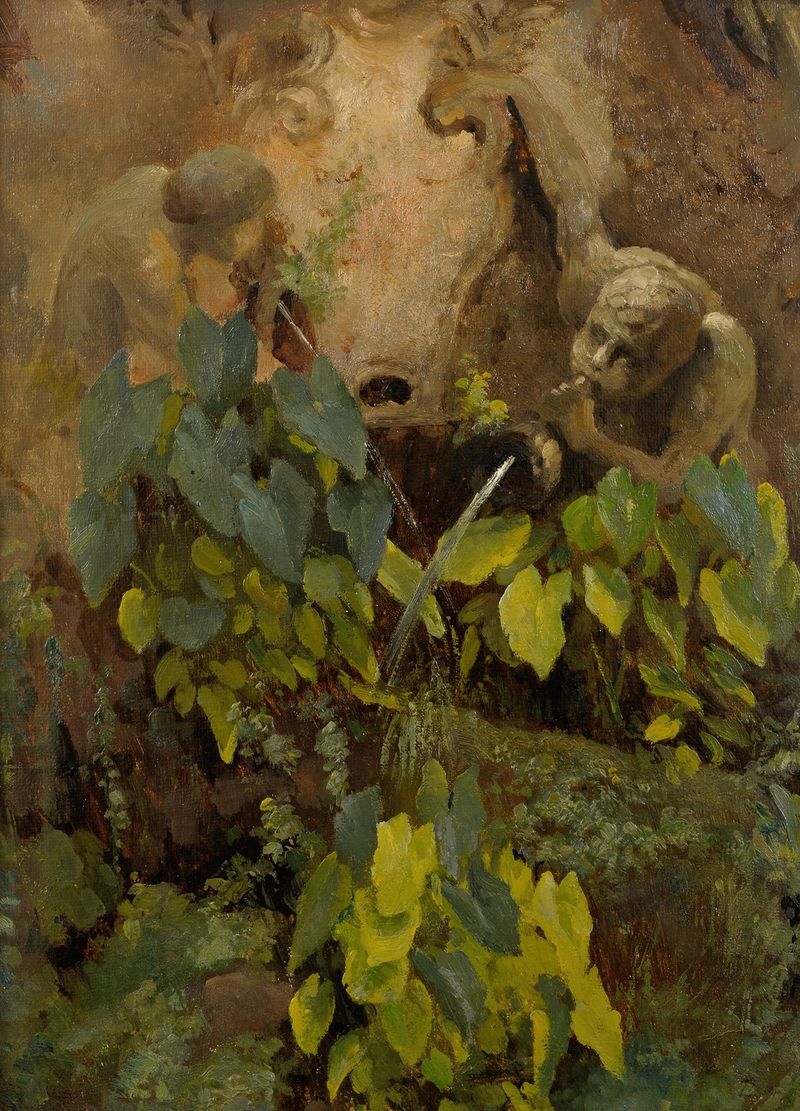
Well with Fauns
Julie Wilhelmine Hagen-Schwarz
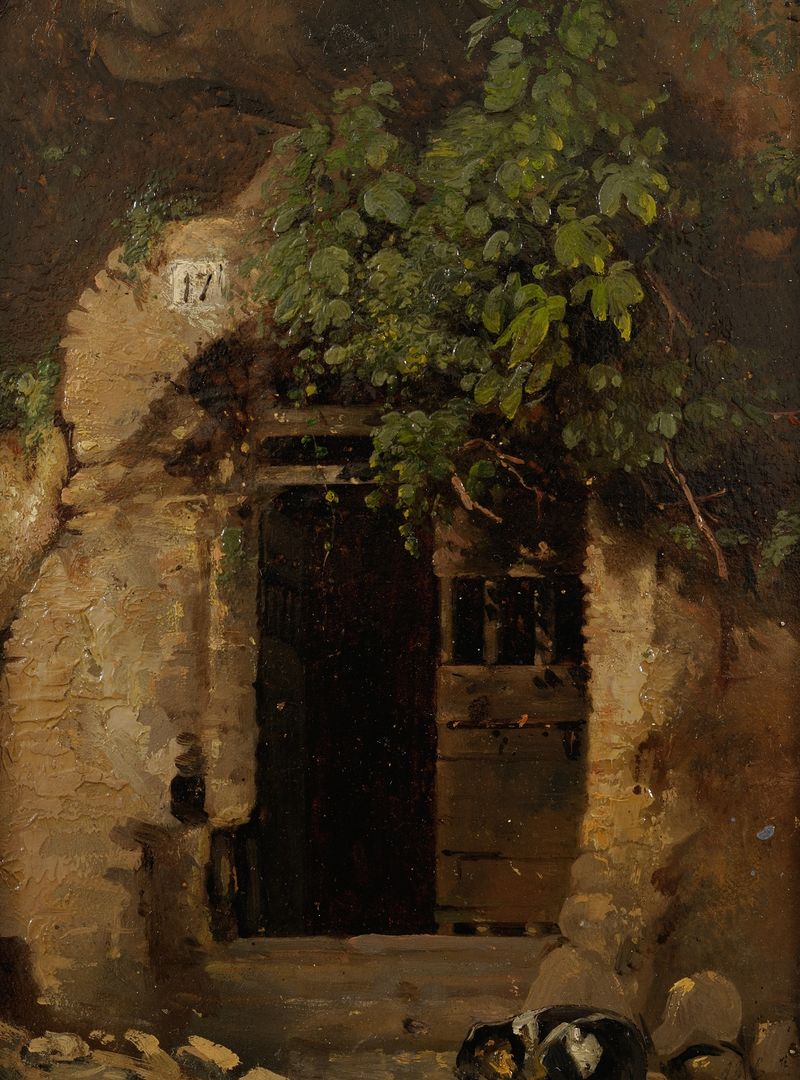
Tavern in Nemi
Julie Wilhelmine Hagen-Schwarz

Blauberg near Wolmar
Julie Wilhelmine Hagen-Schwarz

Käsmu Beach
Julie Wilhelmine Hagen-Schwarz
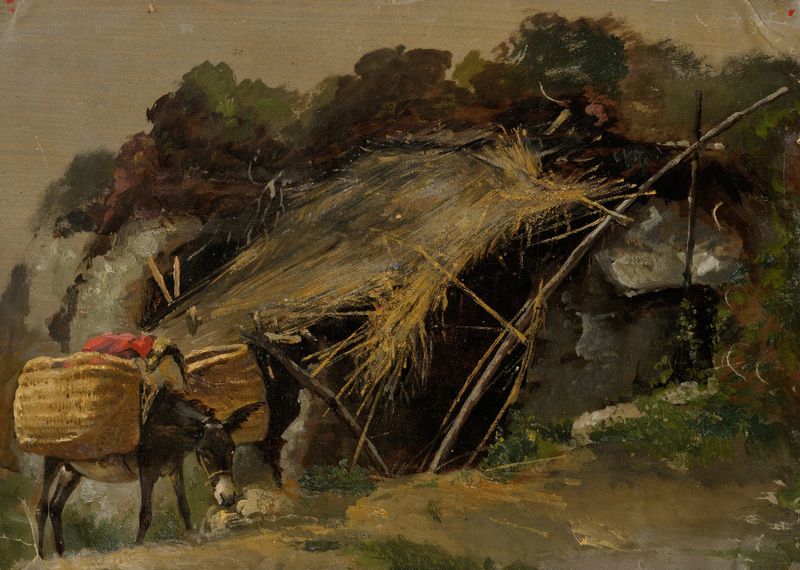
Italian Landscape with a Donkey
Julie Wilhelmine Hagen-Schwarz





