
Vegetation in Italy — History & Facts
In Vegetation in Italy, nature's wildness is tamed, revealing a delicate balance that resonates through each stroke of paint. Look to the lower right, where vibrant greens mingle harmoniously with muted earth tones, grounding the composition while inviting your gaze upward. Notice how the dappled sunlight filters through the foliage, creating a whisper of shadow and light that dances across the canvas. The layering technique draws your attention to each leaf and petal, suggesting a lushness that is both rich and serene. As you explore the painting, consider the contrasts within it—the tension between the chaotic growth of vegetation and the peaceful coexistence it fosters.
Each cluster of leaves and flowers tells a story of resilience and beauty in nature, echoing a sense of calm amidst the tumult of life. Look closely at the minute details, like the subtle variations in color that depict the play of light, symbolizing an underlying harmony that binds the seemingly disparate elements together. In 1850, Julie Wilhelmine Hagen-Schwarz created this piece during a time of personal and artistic exploration. Living in Italy, she was influenced by the Romantic movement, which emphasized individual experience and emotion.
This period marked a pivotal moment in her career, as she sought to capture the essence of nature's beauty, bridging the gap between raw chaos and structured grace.
More Artworks by Julie Wilhelmine Hagen-Schwarz
Browse all →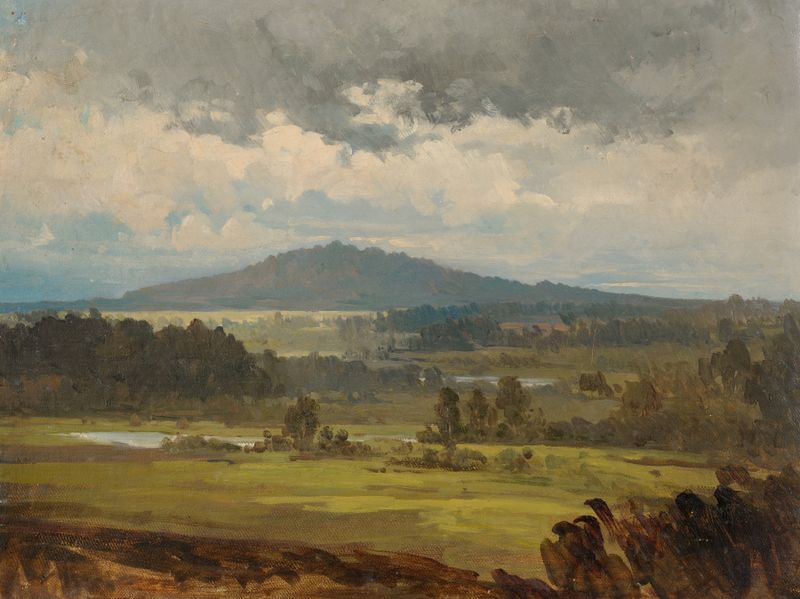
Blauberg near Wolmar
Julie Wilhelmine Hagen-Schwarz
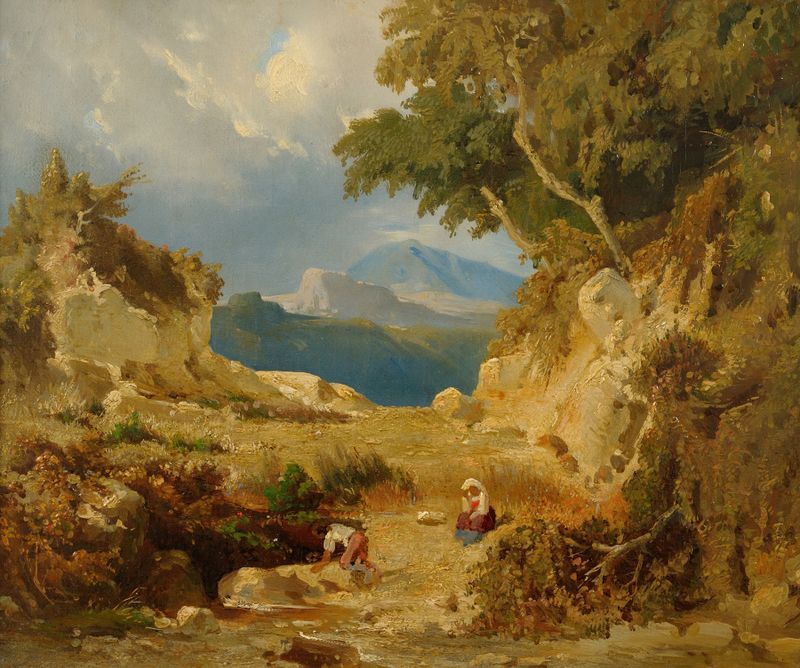
Italian Landscape
Julie Wilhelmine Hagen-Schwarz
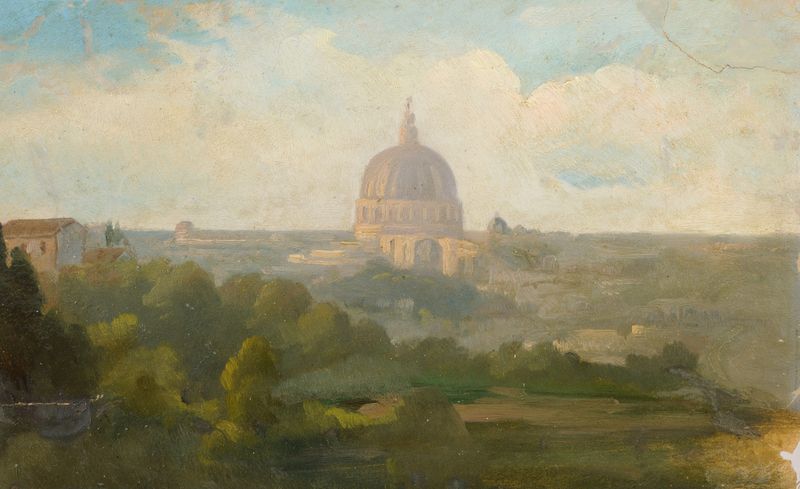
St Peter’s Basilica in Rome
Julie Wilhelmine Hagen-Schwarz
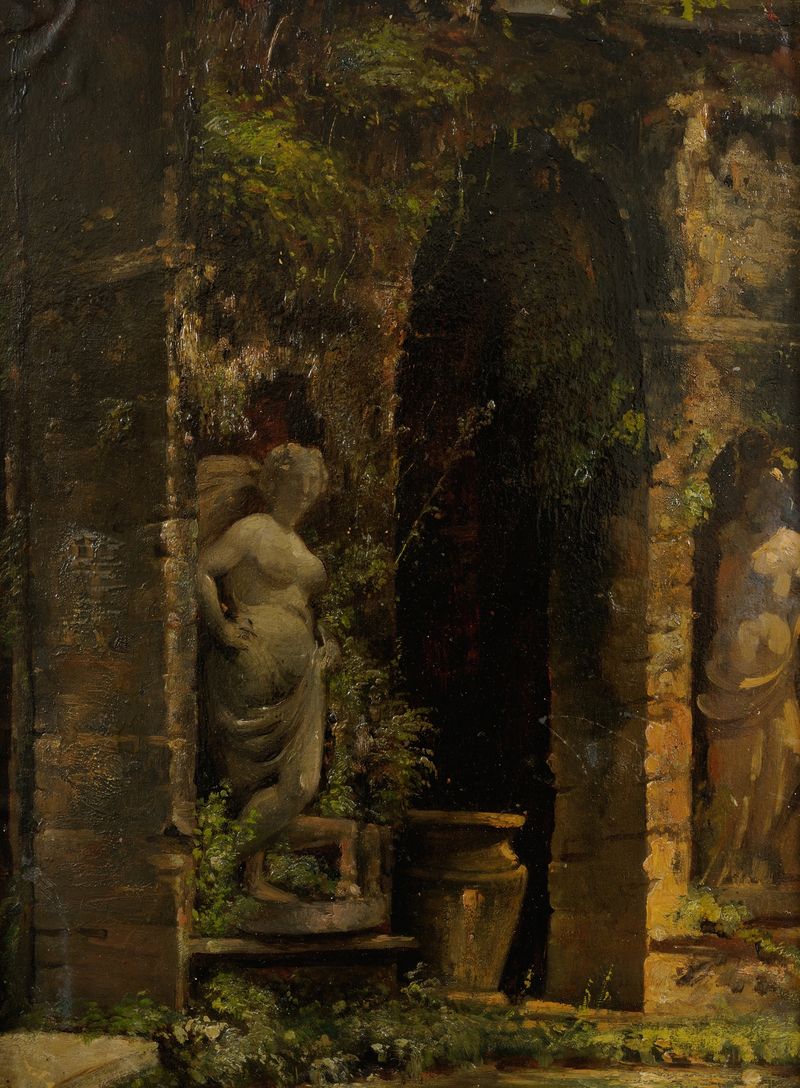
Grotto in Rome
Julie Wilhelmine Hagen-Schwarz

Mountainous Landscape with a Tent
Julie Wilhelmine Hagen-Schwarz
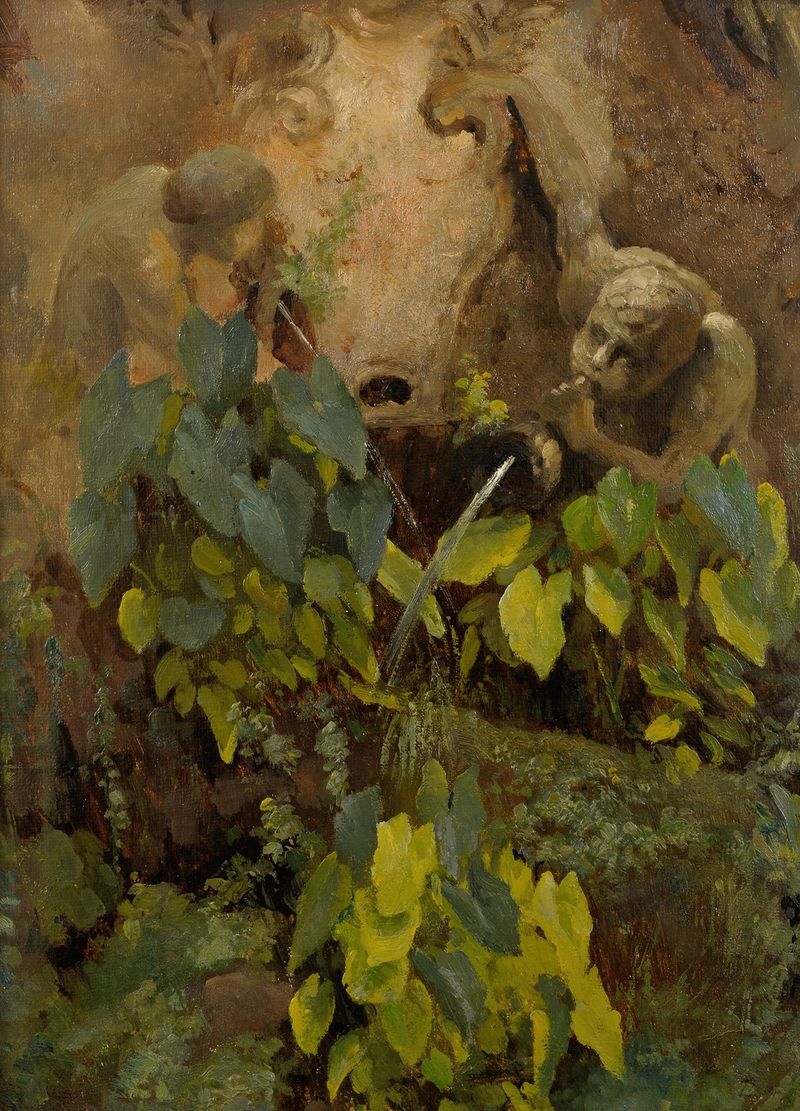
Well with Fauns
Julie Wilhelmine Hagen-Schwarz
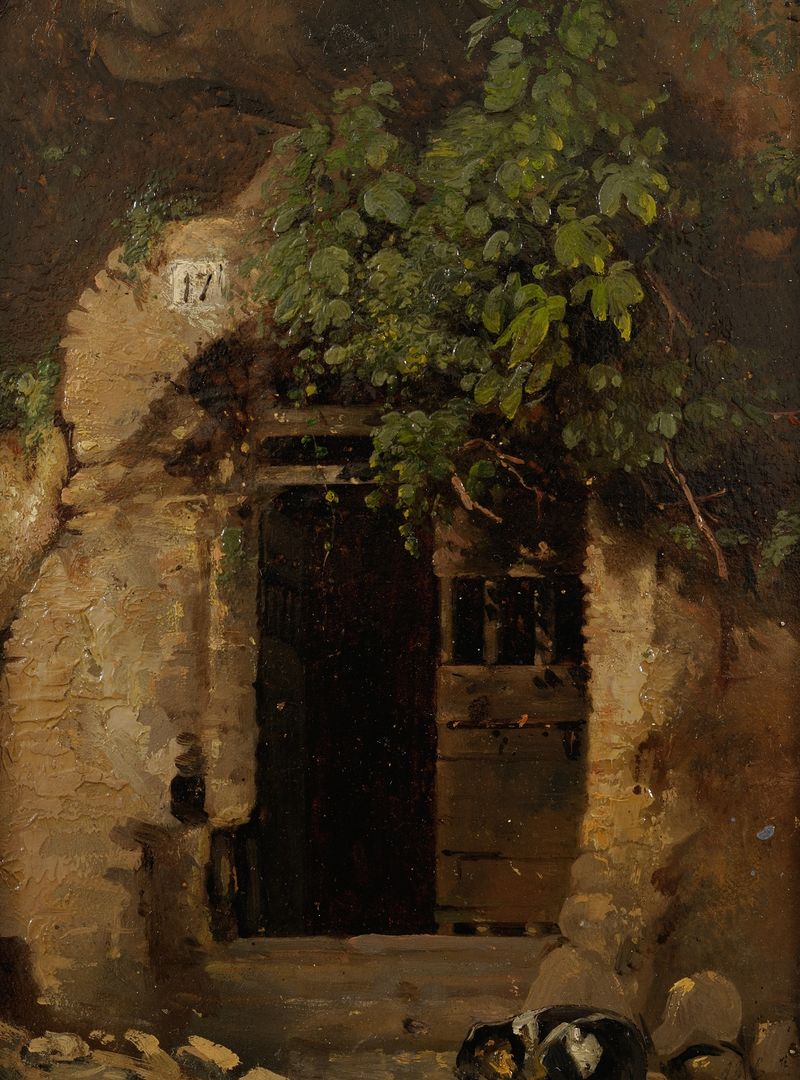
Tavern in Nemi
Julie Wilhelmine Hagen-Schwarz

Blauberg near Wolmar
Julie Wilhelmine Hagen-Schwarz

Käsmu Beach
Julie Wilhelmine Hagen-Schwarz
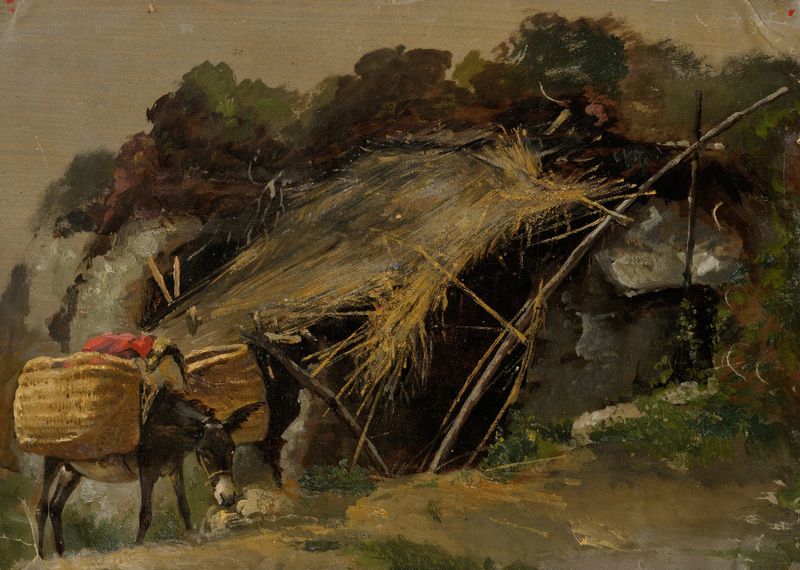
Italian Landscape with a Donkey
Julie Wilhelmine Hagen-Schwarz





