
Tavern in Nemi — History & Facts
When did color learn to lie? In a world where dreams intermingle with reality, the vibrant hues of a sunlit tavern beckon us to explore the depths of illusion. Focus on the warmth radiating from the rustic wooden beams overhead, guiding your gaze to the earthy palette of ochres and greens that envelops the scene. Notice the contrast between the bustling figures animated by laughter and the stillness of the surrounding landscape, as if time itself hesitates at the threshold of this vibrant gathering. The interplay of light and shadow crafts a captivating harmony, inviting you to linger in the intimate embrace of this inviting space. Yet, hidden beneath this idyllic facade lies a nuanced tension.
The jovial atmosphere hints at fleeting moments of joy, while the shadowy corners suggest whispers of untold stories and secrets. Observe the characters, each locked in their own reverie, revealing their myriad emotions—both shared and solitary. This duality enhances the dreamlike quality of the scene, leaving the viewer with a sense of longing that transcends the canvas. During the years between 1851 and 1854, the artist found inspiration in the serene landscape of Nemi, a small Italian town.
This period was marked by her exploration of rural themes and the burgeoning Romantic movement, which emphasized emotional expression and an appreciation for nature. As she painted, societal changes and art movements were stirring across Europe, paving the way for new interpretations of everyday life that would resonate with audiences long after.
More Artworks by Julie Wilhelmine Hagen-Schwarz
Browse all →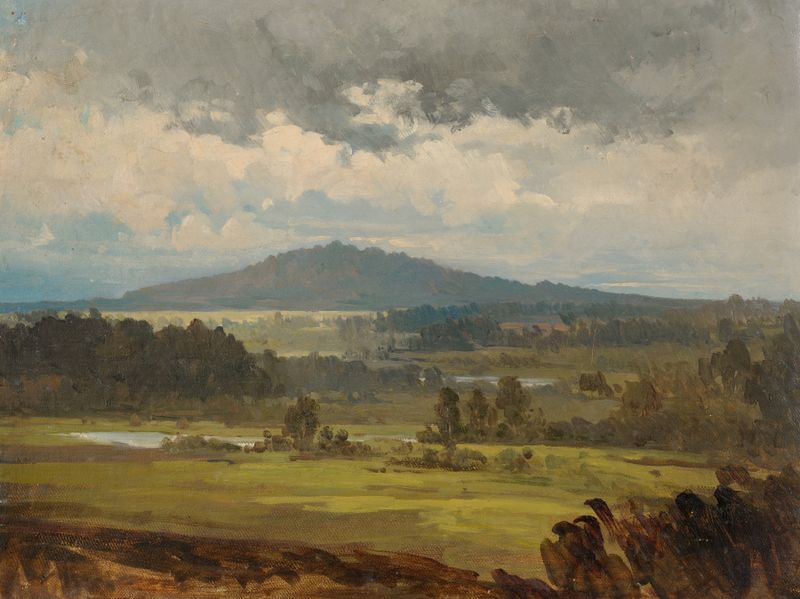
Blauberg near Wolmar
Julie Wilhelmine Hagen-Schwarz
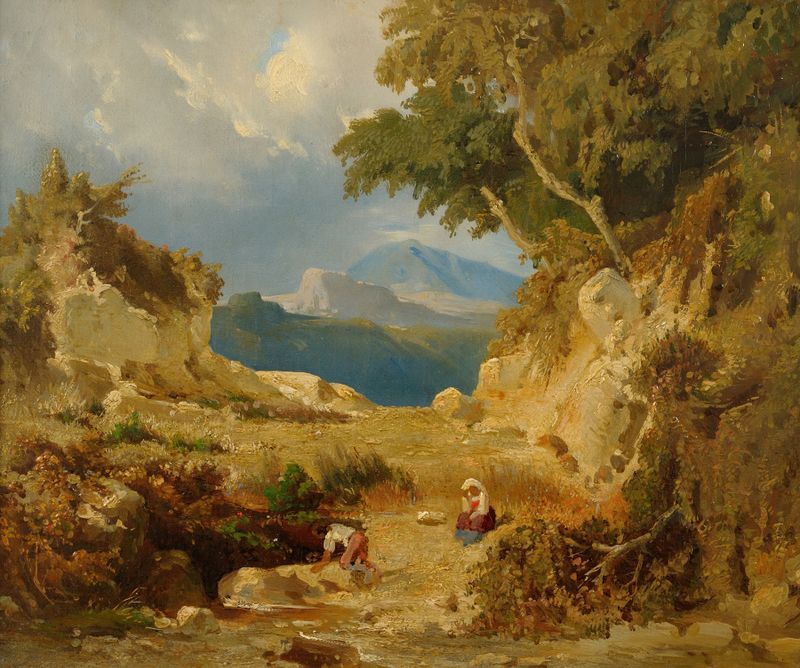
Italian Landscape
Julie Wilhelmine Hagen-Schwarz
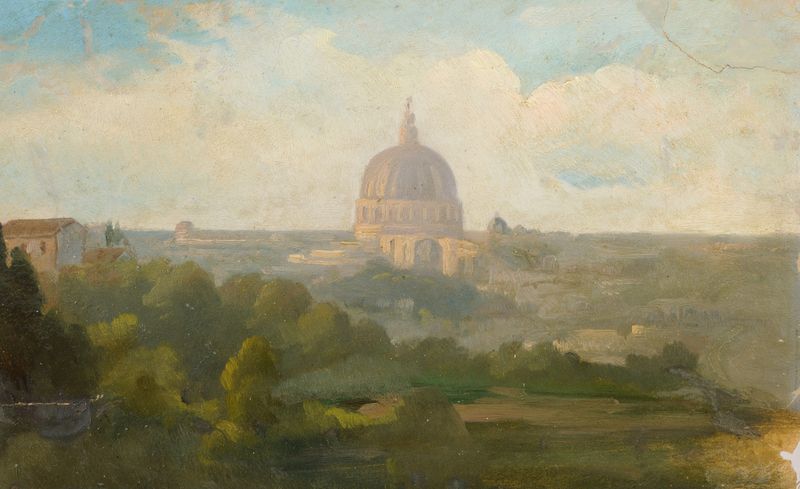
St Peter’s Basilica in Rome
Julie Wilhelmine Hagen-Schwarz
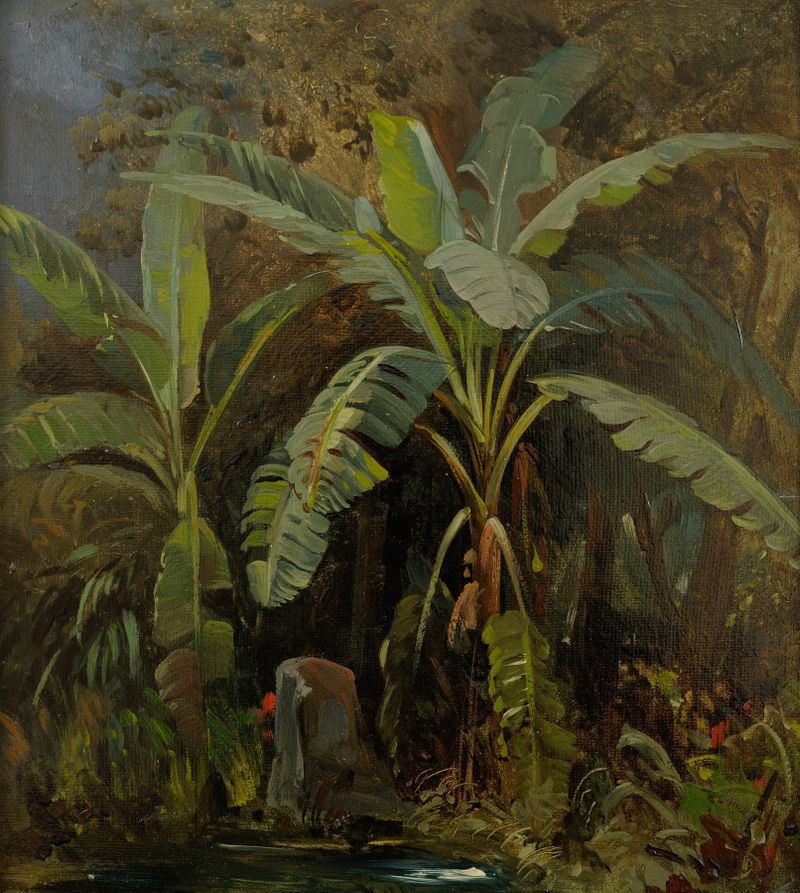
Vegetation in Italy
Julie Wilhelmine Hagen-Schwarz
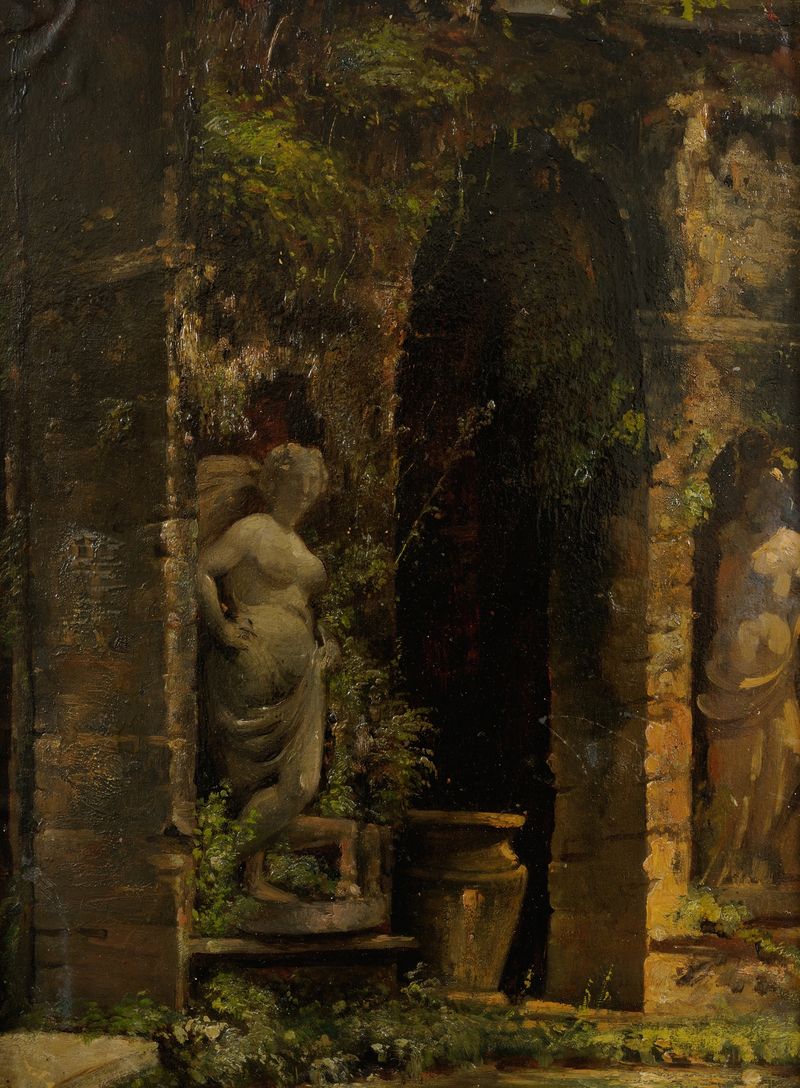
Grotto in Rome
Julie Wilhelmine Hagen-Schwarz

Mountainous Landscape with a Tent
Julie Wilhelmine Hagen-Schwarz
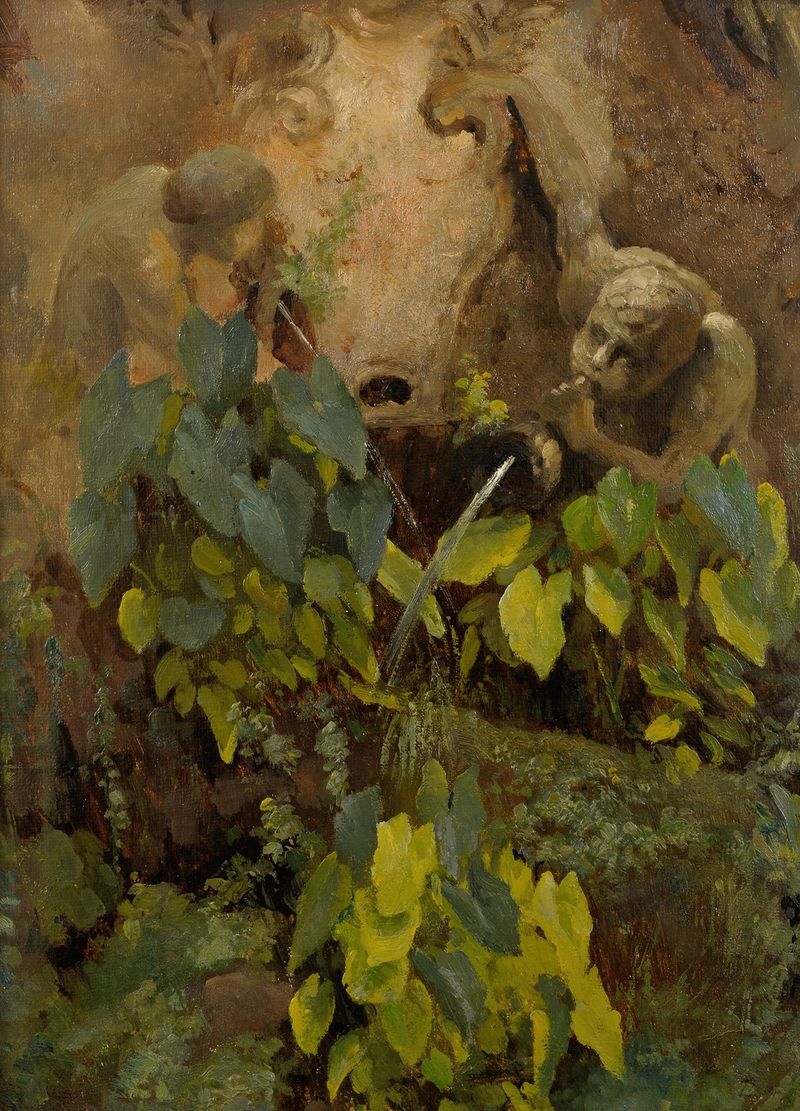
Well with Fauns
Julie Wilhelmine Hagen-Schwarz

Blauberg near Wolmar
Julie Wilhelmine Hagen-Schwarz

Käsmu Beach
Julie Wilhelmine Hagen-Schwarz
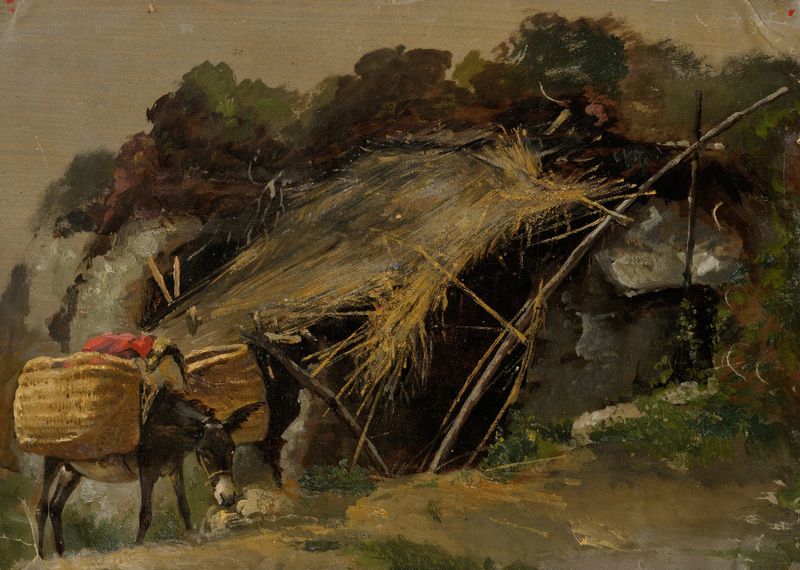
Italian Landscape with a Donkey
Julie Wilhelmine Hagen-Schwarz





