
St Peter’s Basilica in Rome — History & Facts
What if silence could speak through light? In Julie Wilhelmine Hagen-Schwarz's breathtaking depiction of St Peter’s Basilica in Rome, the vibrant colors and soft gradients invite the viewer to listen to an unspoken conversation between architecture and emotion. Notice how the light bathes the façade of the basilica, illuminating the intricate details that rise majestically against the deepening twilight sky. Look closely at the warm hues of ochre and gold, which seem to dance across the domes and columns, offering a sense of life and reverence. The artist's brushwork captures the interplay of shadow and illumination, drawing your eyes to the splendid contrast that defines each architectural element, making them appear almost ethereal. The composition evokes a sense of tranquility, yet hints at an underlying tension — the juxtaposition of the monumental structure against the fleeting moment of dusk.
The colors suggest both permanence and transience, as if the basilica stands timeless amidst the passage of day into night. Small figures in the foreground add a human scale, grounding the viewer in a serene contemplation of faith and history, while the encroaching shadows speak to the mysteries that lie beyond. Painted between 1851 and 1854, this work emerged during a period of burgeoning romanticism in Europe. Hagen-Schwarz, a German artist, found herself in an era where artists sought to convey emotion through color and light.
The socio-political climate of the time, marked by upheaval and change, influenced her choice of subject matter, reflecting both personal and collective aspirations toward beauty and spirituality in the face of uncertainty.
More Artworks by Julie Wilhelmine Hagen-Schwarz
Browse all →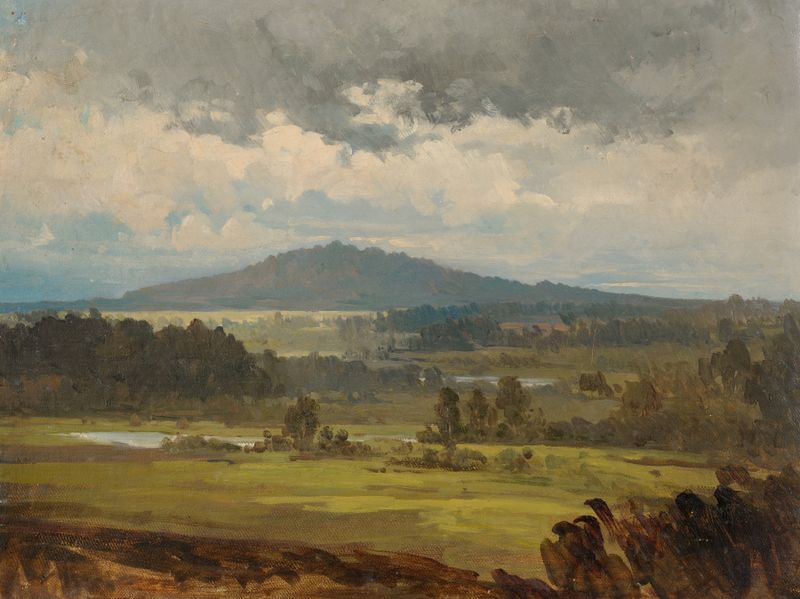
Blauberg near Wolmar
Julie Wilhelmine Hagen-Schwarz
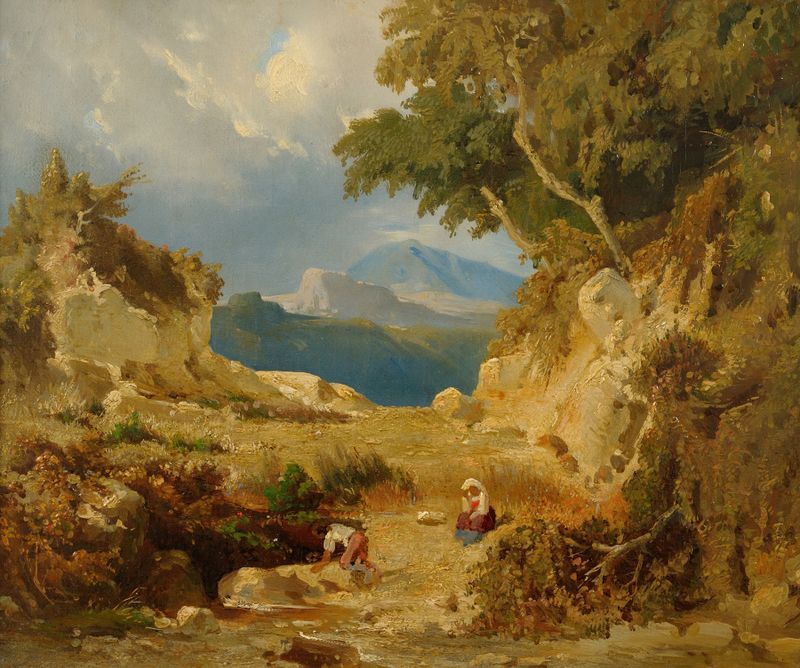
Italian Landscape
Julie Wilhelmine Hagen-Schwarz
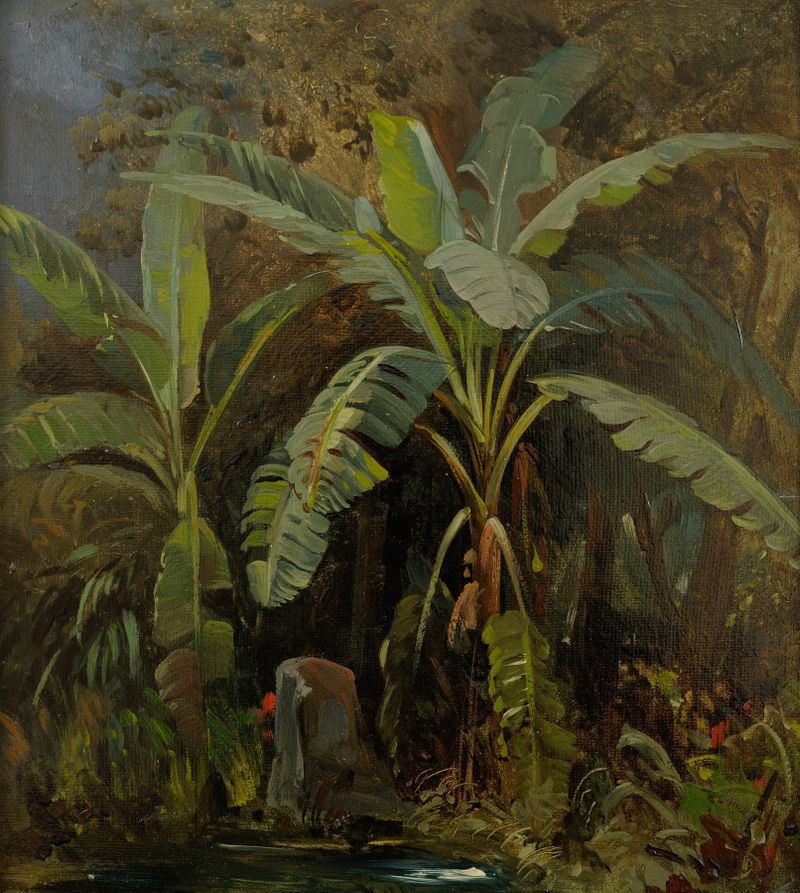
Vegetation in Italy
Julie Wilhelmine Hagen-Schwarz
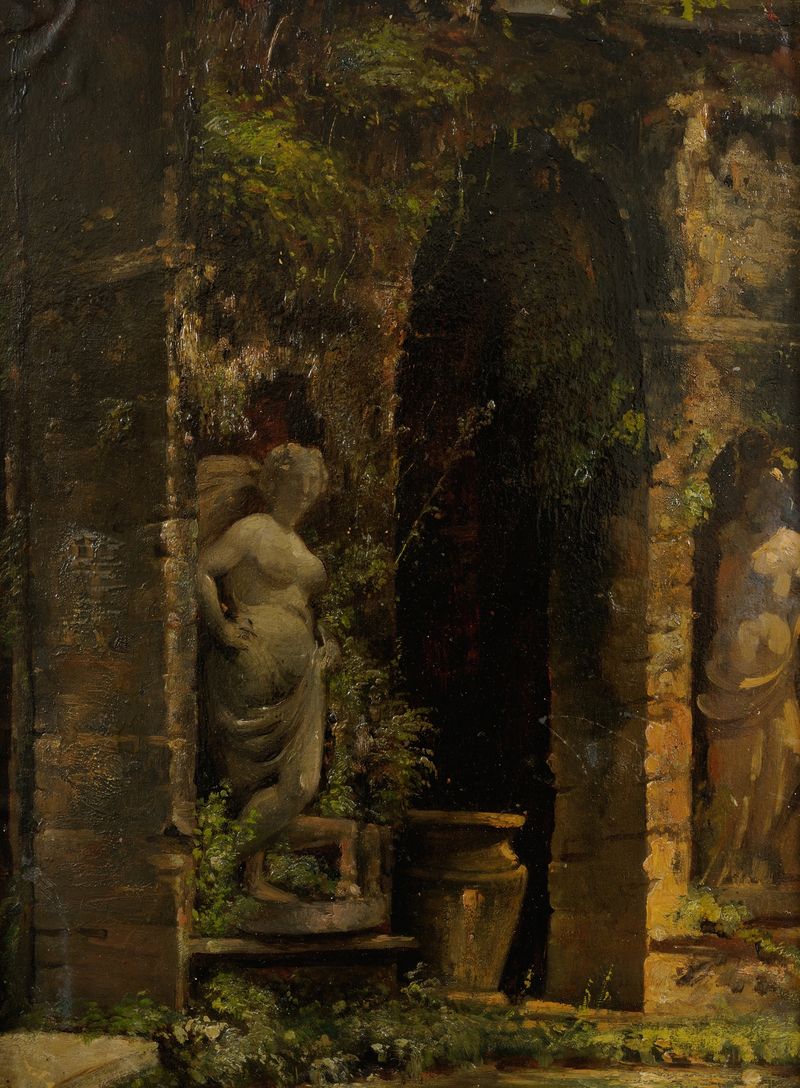
Grotto in Rome
Julie Wilhelmine Hagen-Schwarz

Mountainous Landscape with a Tent
Julie Wilhelmine Hagen-Schwarz
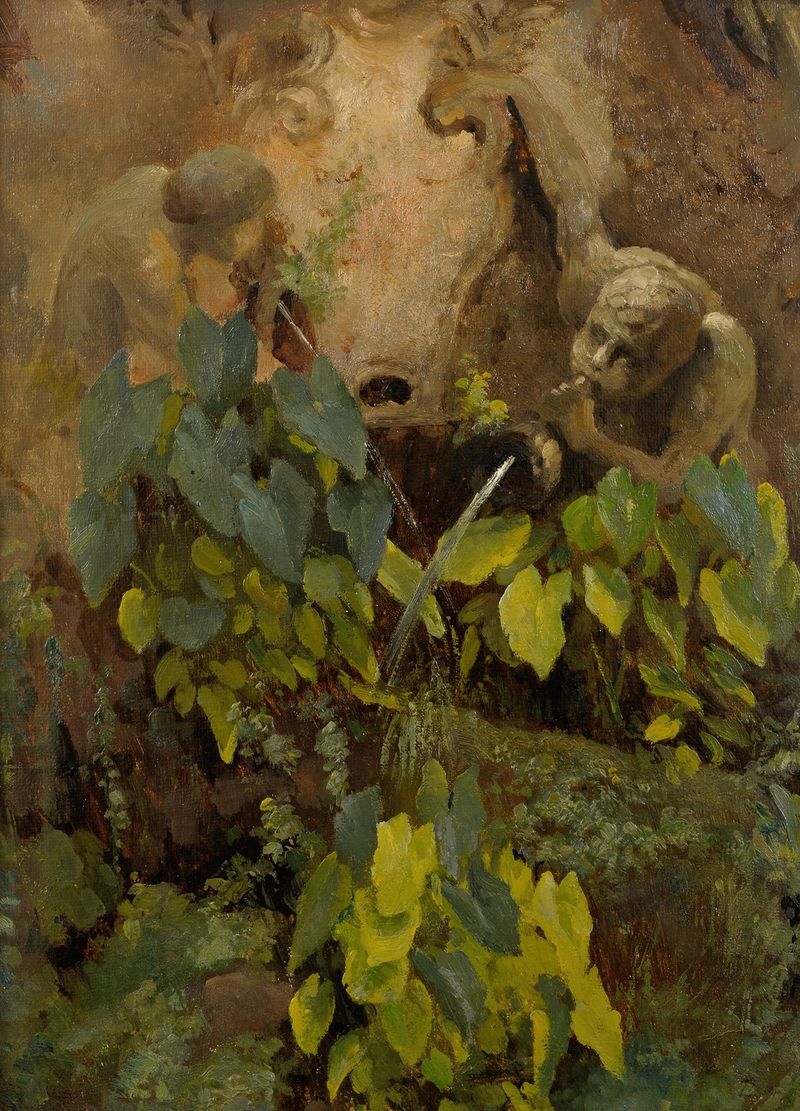
Well with Fauns
Julie Wilhelmine Hagen-Schwarz
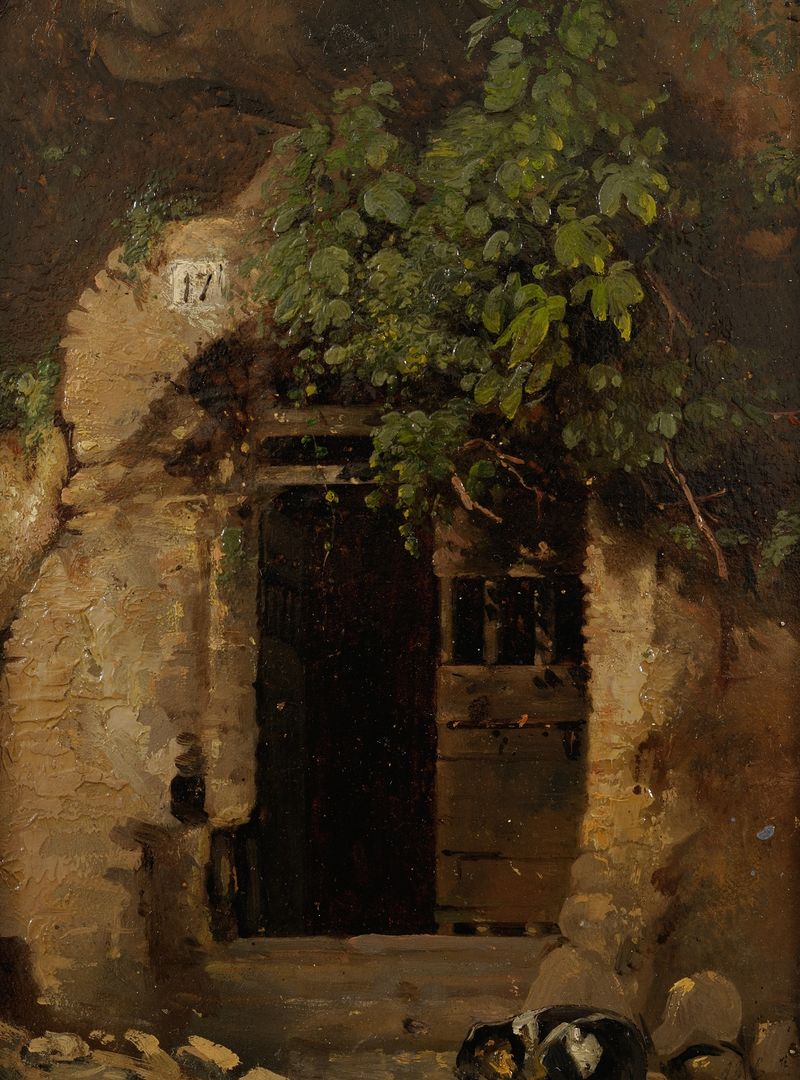
Tavern in Nemi
Julie Wilhelmine Hagen-Schwarz

Blauberg near Wolmar
Julie Wilhelmine Hagen-Schwarz

Käsmu Beach
Julie Wilhelmine Hagen-Schwarz
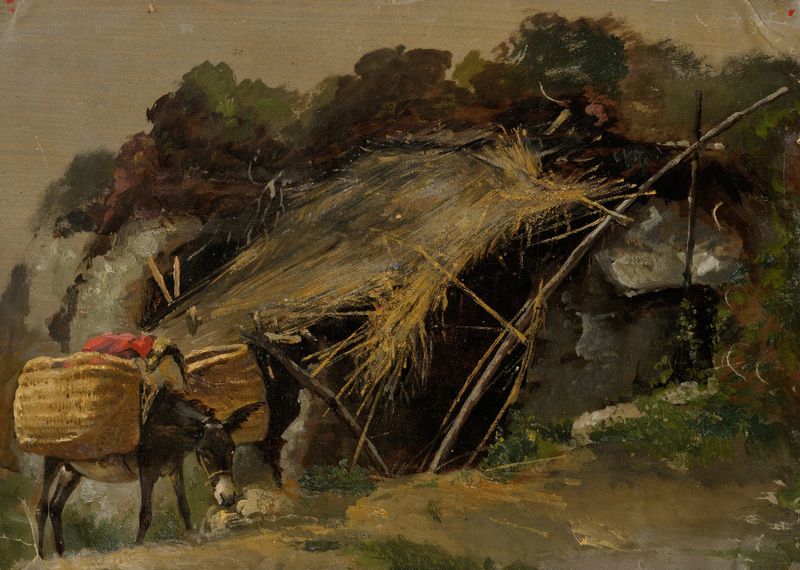
Italian Landscape with a Donkey
Julie Wilhelmine Hagen-Schwarz
More Architecture Art
Browse all →
The statue of Liberty
Frédéric Auguste Bartholdi

View of Houses in Delft, Known as ‘The Little Street’
Johannes Vermeer

View of Houses in Delft, Known as ‘The Little Street’
Johannes Vermeer

The Cathedral in Rouen. The portal, Grey Weather
Claude Monet

The yellow house
Vincent van Gogh

The Church in Auvers-sur-Oise, View from the Chevet
Vincent van Gogh