
Grotto in Rome — History & Facts
Is this a mirror — or a memory? In Grotto in Rome, the viewer is drawn into a realm where reflection and reality blur, inviting exploration of both the physical and emotional landscapes of the past. Look to the center, where the water lies still, capturing the verdant greenery above in a tranquil embrace. Notice how the soft, muted palette of greens and browns melds with the deceptive clarity of the water, creating a serene yet haunting atmosphere. The delicate brushwork beckons the eye to wander, revealing intricate details that suggest life — small ripples and distant shadows — while the light filtering through the foliage creates dappled patterns on the surface, enhancing the scene's allure. The interplay of water and light evokes a sense of nostalgia, hinting at memories that ripple beneath the surface.
One can sense the tension between permanence and ephemerality, as the lush surroundings appear both inviting and elusive. The grotto serves not only as a natural sanctuary but also as a metaphorical space for introspection, where the viewer is compelled to confront their reflections — both literal and figurative — in a tranquil yet evocative moment. During the years between 1851 and 1854, the artist was deeply immersed in the Romantic movement, grappling with themes of nature and emotion. Living in Rome, she embraced the rich artistic heritage while infusing her own vision into the landscape genre.
This period marked a time of personal exploration and a burgeoning interest in the emotional resonance of place, as she sought to transcend mere representation and invite viewers into profound contemplation.
More Artworks by Julie Wilhelmine Hagen-Schwarz
Browse all →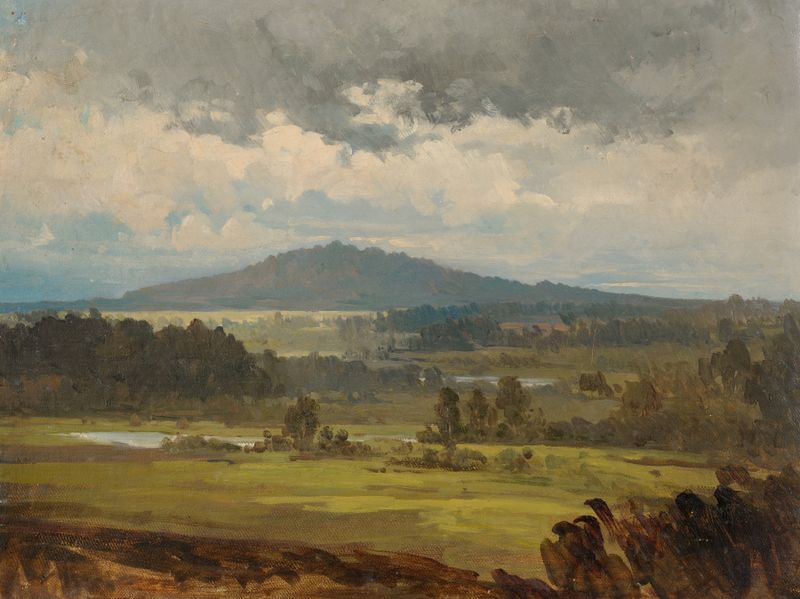
Blauberg near Wolmar
Julie Wilhelmine Hagen-Schwarz
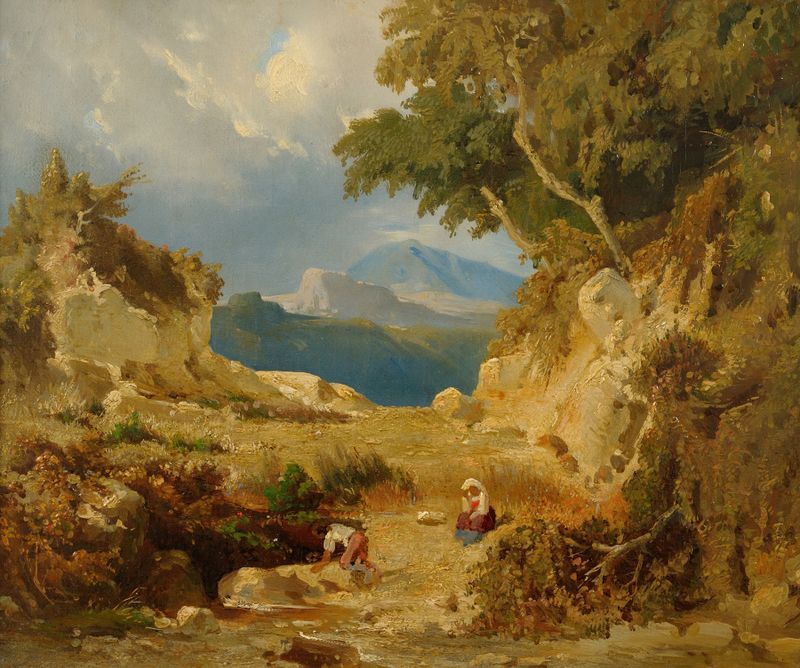
Italian Landscape
Julie Wilhelmine Hagen-Schwarz
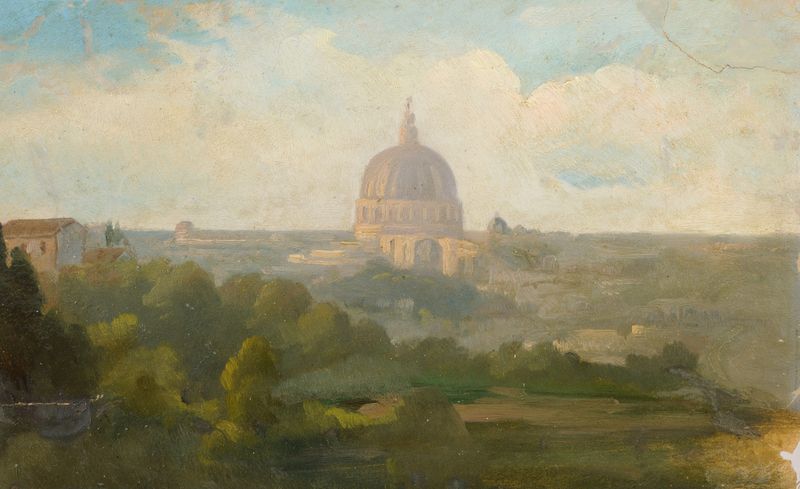
St Peter’s Basilica in Rome
Julie Wilhelmine Hagen-Schwarz
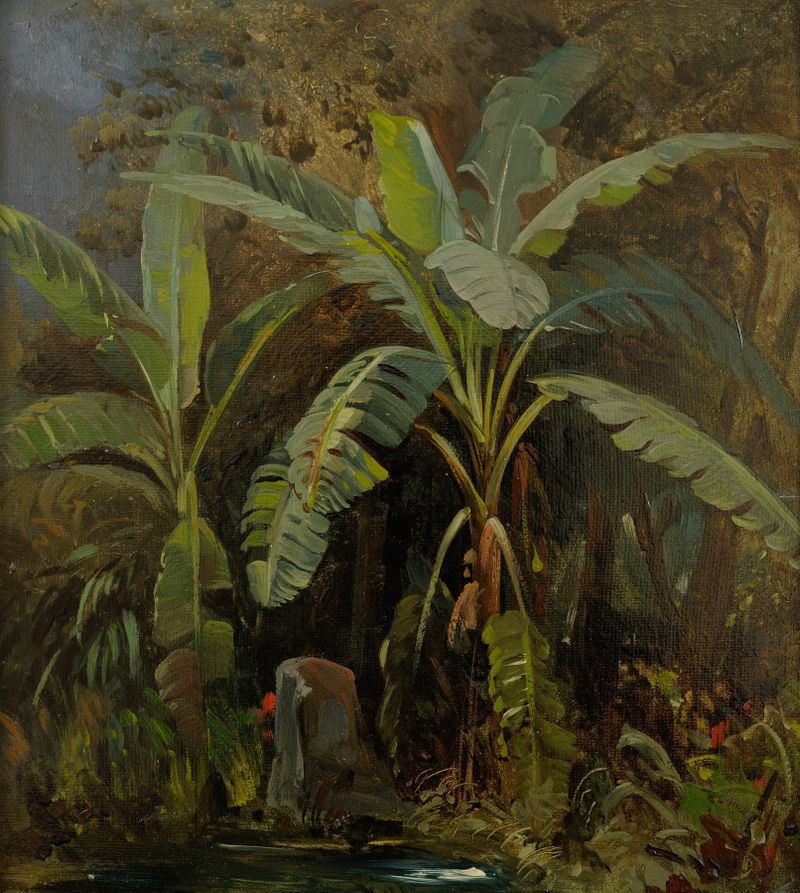
Vegetation in Italy
Julie Wilhelmine Hagen-Schwarz

Mountainous Landscape with a Tent
Julie Wilhelmine Hagen-Schwarz
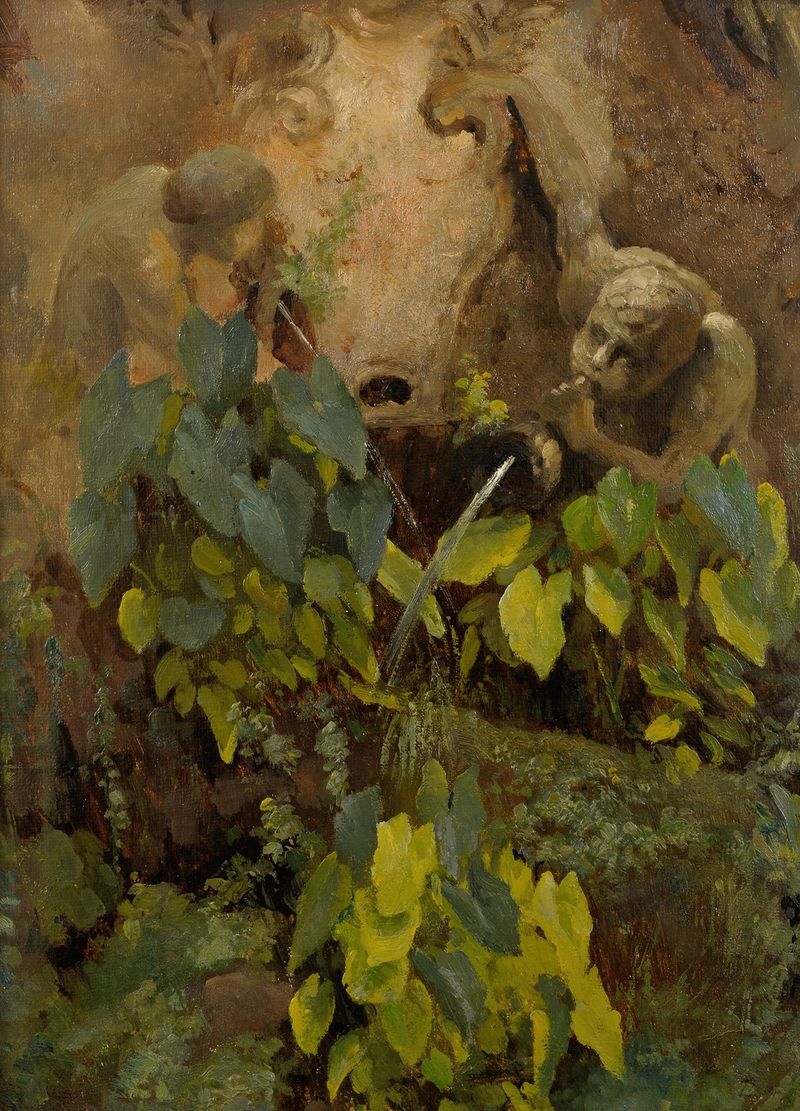
Well with Fauns
Julie Wilhelmine Hagen-Schwarz
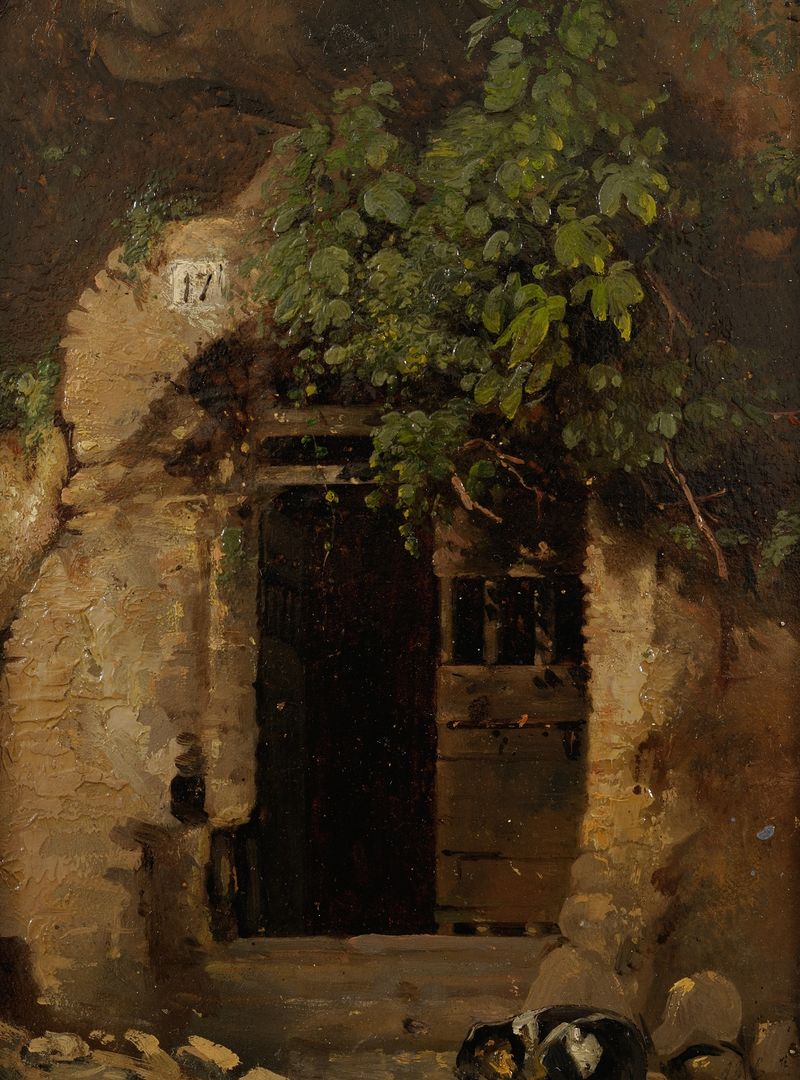
Tavern in Nemi
Julie Wilhelmine Hagen-Schwarz

Blauberg near Wolmar
Julie Wilhelmine Hagen-Schwarz

Käsmu Beach
Julie Wilhelmine Hagen-Schwarz
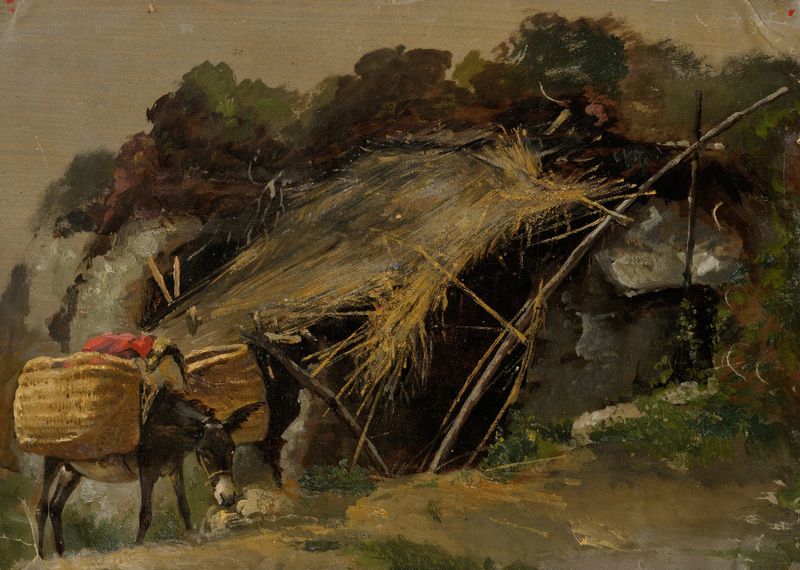
Italian Landscape with a Donkey
Julie Wilhelmine Hagen-Schwarz





