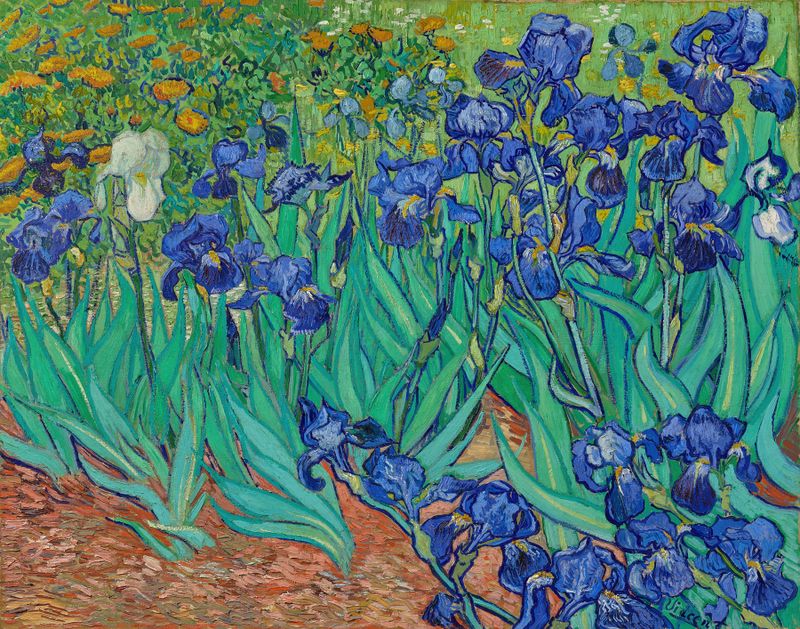
Blühendes Zwiebelfeld — History & Facts
In a world that spins ever faster, the act of painting becomes a meditation on fleeting beauty and transience. Look closely at the vivid colors that saturate Blühendes Zwiebelfeld, where the rich greens of the foliage entwine with the bursts of vibrant purples and yellows from blooming flowers. The foreground, alive with meticulous detail, draws your gaze first, inviting you to explore the rhythmic pattern of the onions sprouting from the earth. The sunlight dances across the canvas, illuminating the scene and casting soft shadows that create depth, evoking a sense of warmth and life. Yet beneath this idyllic surface, one can sense the quiet tension of mortality.
The juxtaposition of the vibrant life in the field against a backdrop of gentle decay reminds us of nature's cyclical existence. Each flower, beautiful and transient, speaks to impermanence, while the layered textures of oil paint create a tactile experience that hints at the passage of time. This delicate balance invites reflection on what it means to thrive amidst the inevitable fading of all things. In 1897, Eugen Jettel was deeply immersed in the artistic movement of plein air painting in Vienna, capturing the essence of landscapes in their most vivid moments.
This period marked a growing fascination with nature and its fleeting beauty, reflecting broader changes in society as industrialization altered the natural landscape. Jettel's work, including this piece, is part of a larger narrative about celebrating the ephemeral, as he sought to immortalize these moments on canvas even as they slipped away.
More Artworks by Eugen Jettel
Browse all →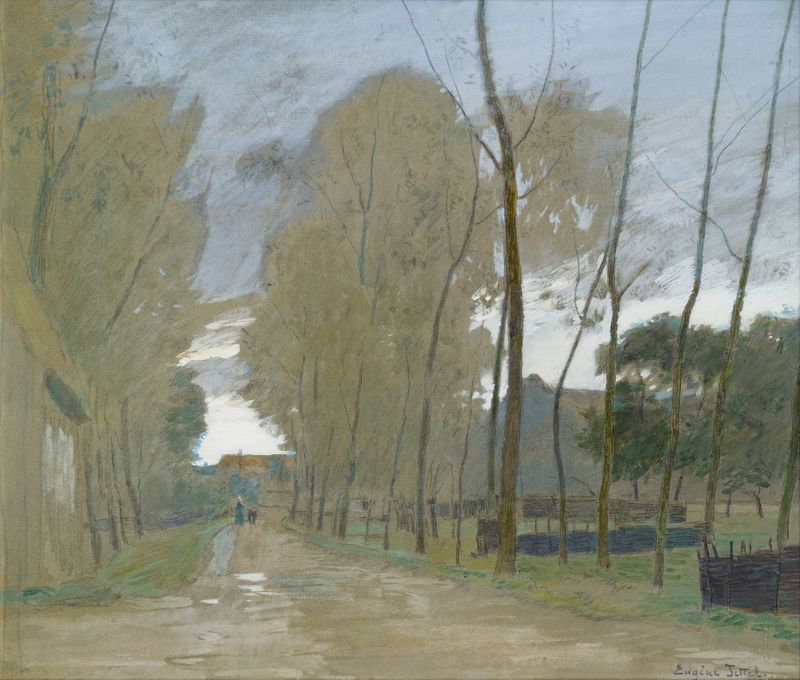
Motiv aus der Bretagne
Eugen Jettel
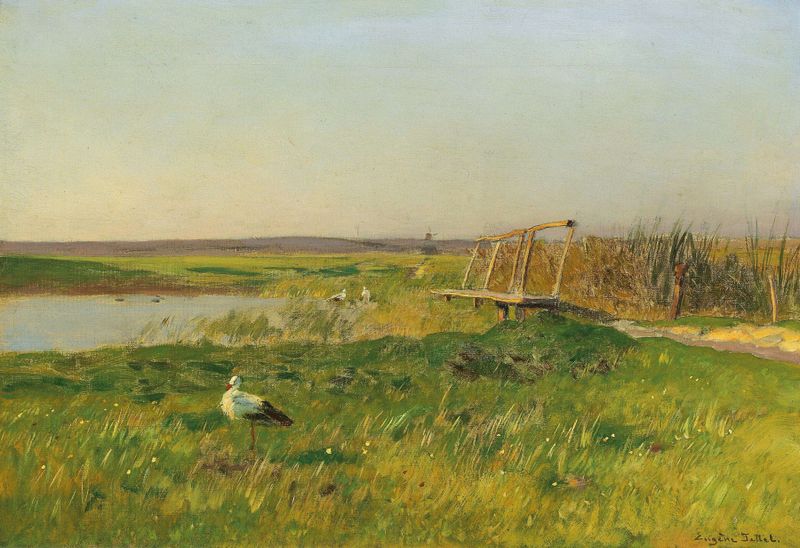
Frühlingslandschaft mit Störchen an einem Weiher
Eugen Jettel

Rinder auf Sommerwiese
Eugen Jettel
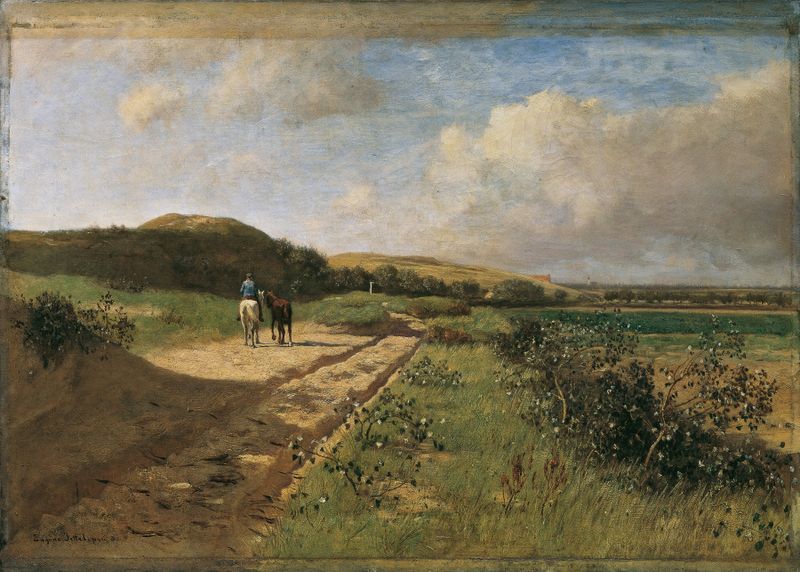
Dünen bei Katwijk
Eugen Jettel
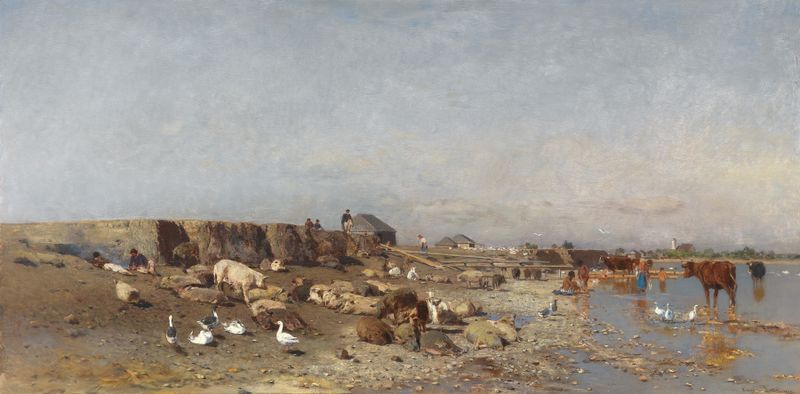
Motiv aus Szered an der Waag
Eugen Jettel
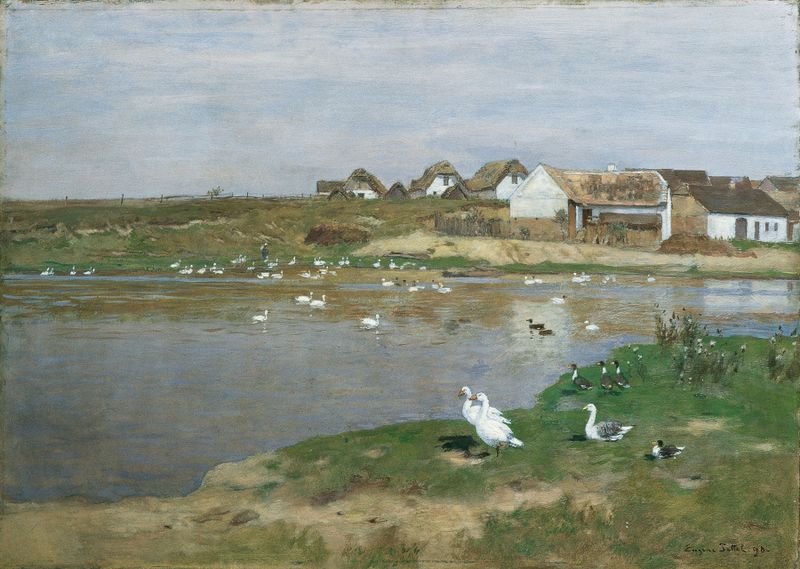
Der Gänseteich in Kotting-Neusiedl
Eugen Jettel

Flusslandschaft Mit Boot
Eugen Jettel

Flusslandschaft mit Kühen
Eugen Jettel

Dorfpartie Strohhütten aus Staatz
Eugen Jettel

Abendlandschaft
Eugen Jettel