
Blick auf das Orgelgebirge — History & Facts
In Blick auf das Orgelgebirge, the viewer is greeted by a stunning landscape dominated by the Orgelgebirge mountains. The painting features a rich palette of greens and browns, with the mountains rising majestically in the background. Soft clouds drift across a bright blue sky, adding depth to the scene.
A serene foreground with gentle hills and a winding path invites the viewer to explore further. The painting is executed in oil on canvas, showcasing Keller's skill in capturing the natural beauty of the landscape. The brushwork is fluid, with visible strokes that create texture in the foliage and mountains. The composition is balanced, leading the viewer's eye from the foreground to the distant peaks.
The use of light and shadow enhances the three-dimensional quality of the scene. Ferdinand Keller was a notable figure in the 19th-century German Romantic movement, known for his landscapes. Blick auf das Orgelgebirge reflects his deep appreciation for nature and the German countryside. An interesting fact about this work is that it highlights the Romantic ideal of the sublime beauty of nature, which was a significant theme during this period.
Keller's attention to detail and atmospheric effects make this painting a captivating example of his artistic vision.
More Artworks by Ferdinand Keller

Türkenlouis
Ferdinand Keller
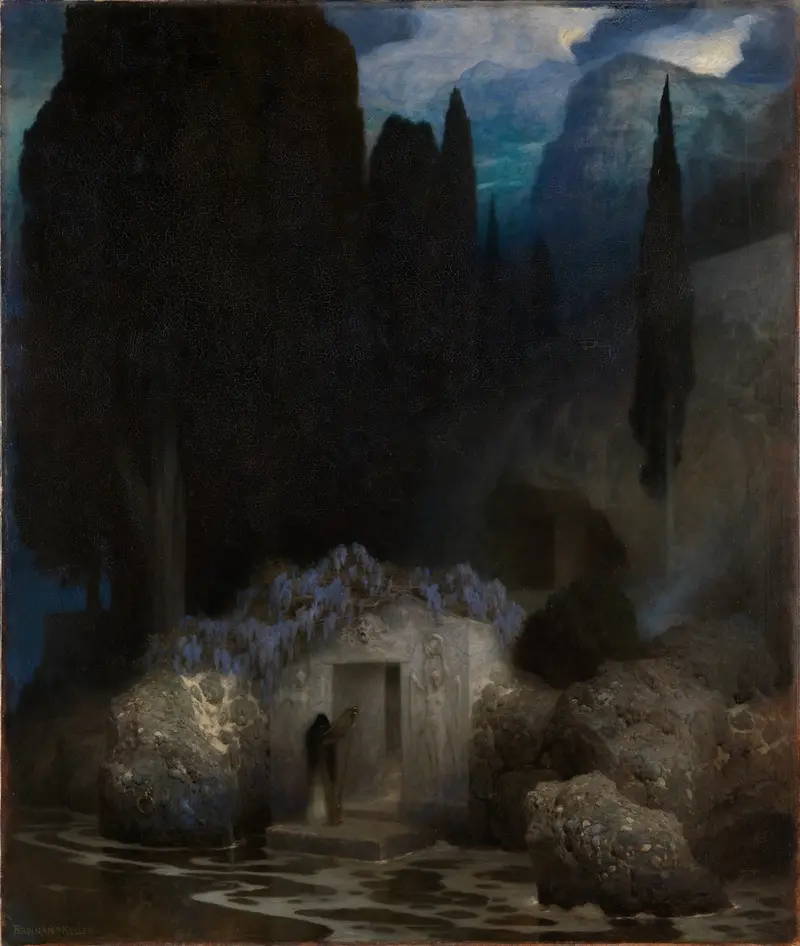
Böcklins Grab
Ferdinand Keller

Reisende in Brasilien
Ferdinand Keller
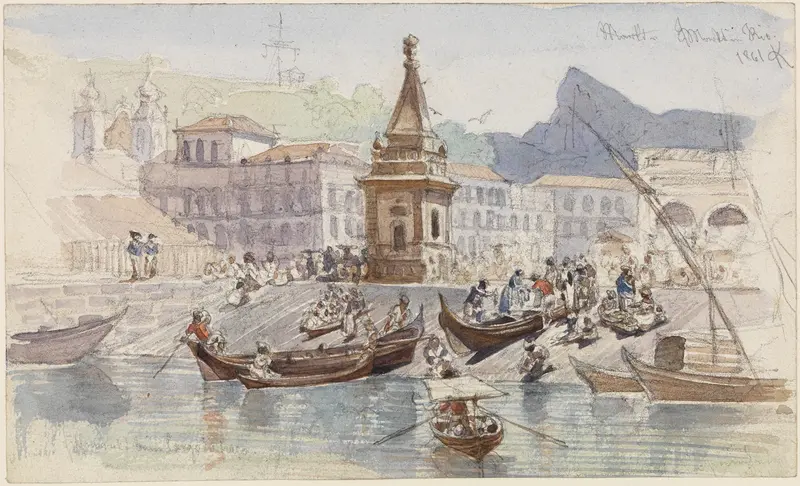
Markt in Rio
Ferdinand Keller
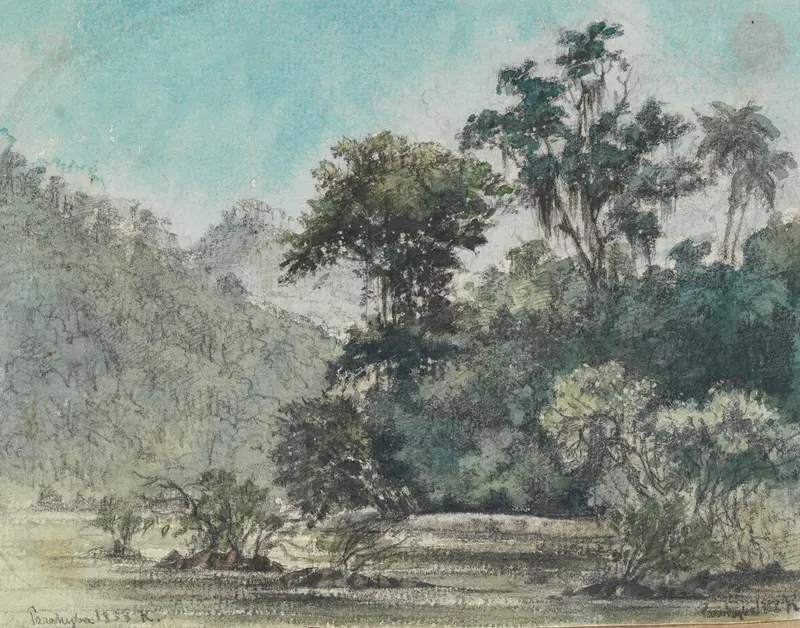
Blick auf das bewaldete Flussufer
Ferdinand Keller
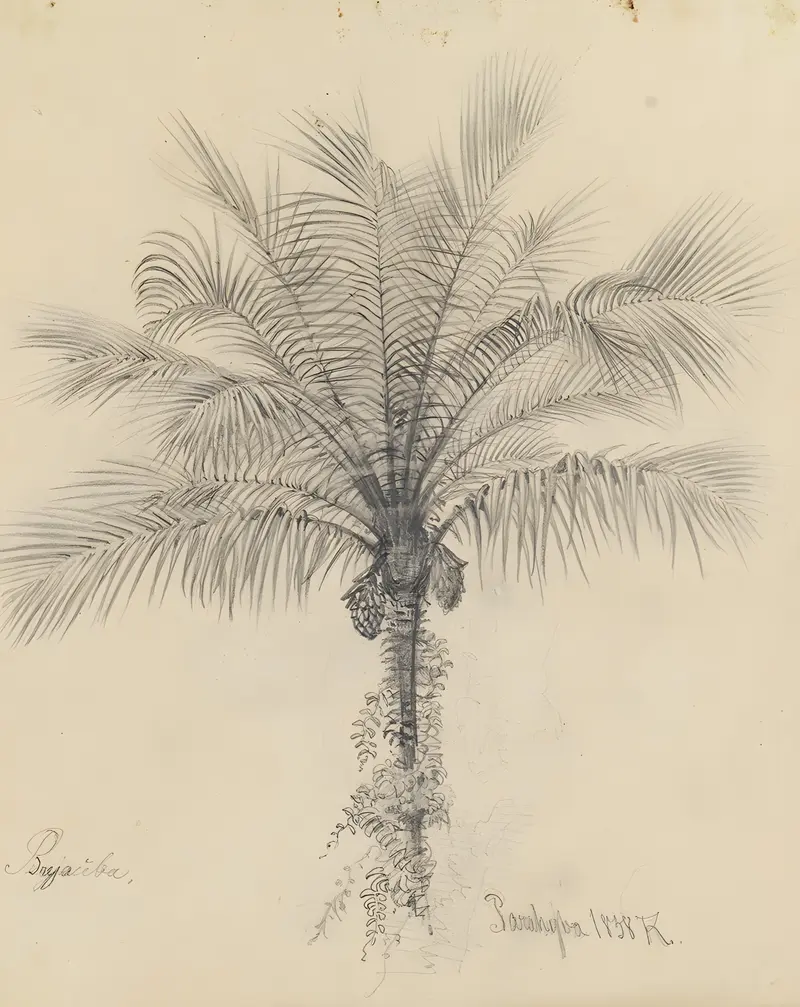
Palmstudie II
Ferdinand Keller
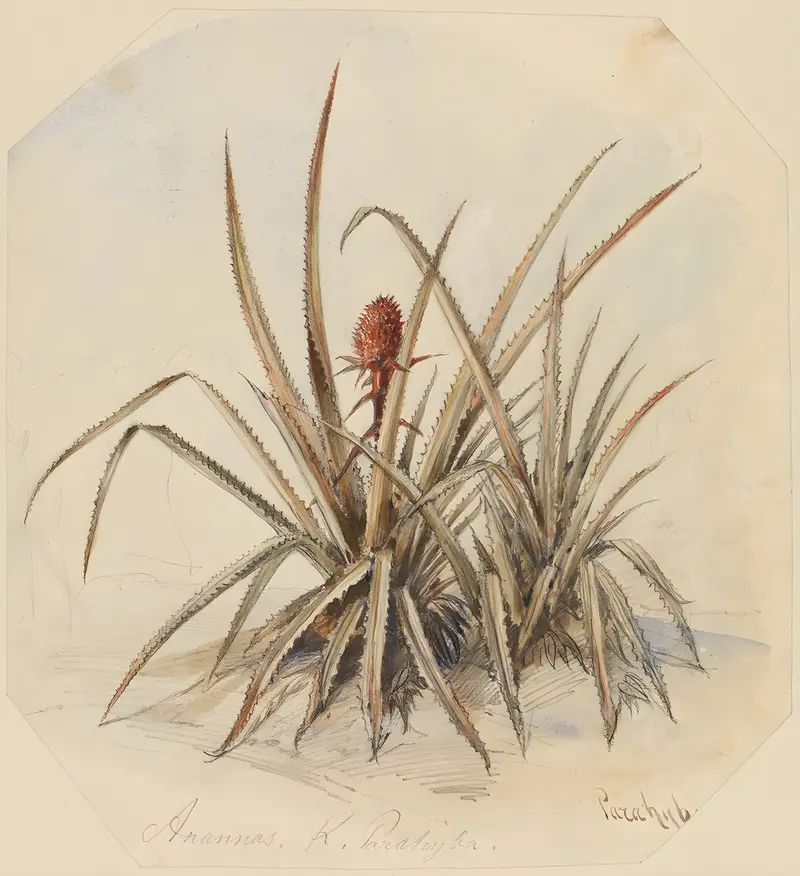
Blühende Ananas
Ferdinand Keller
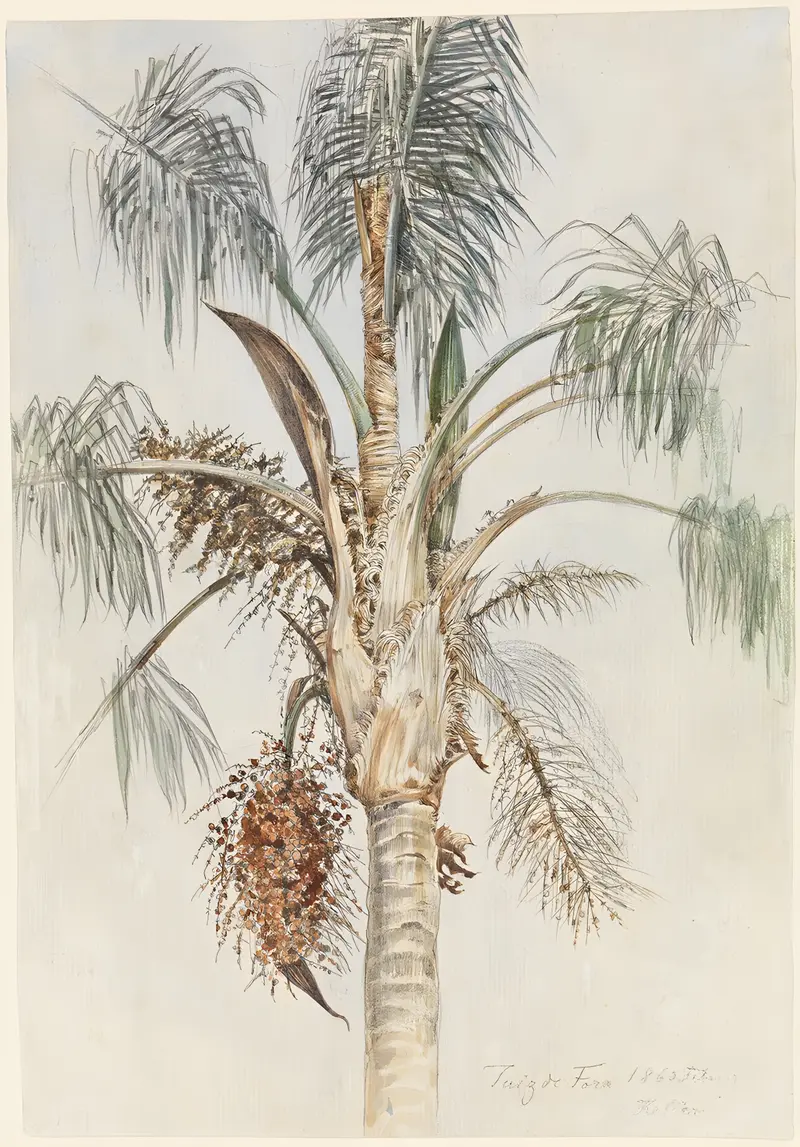
Krone einer Palme (Syagrus macrocarpa) in Juiz de Fora
Ferdinand Keller
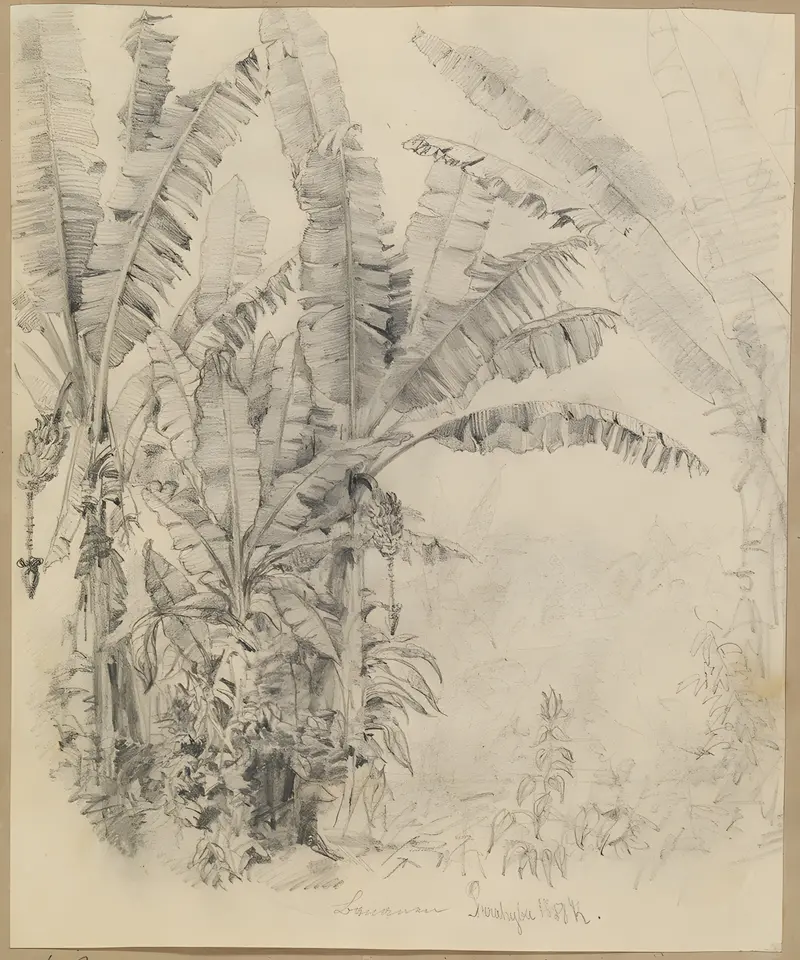
Im Urwald- Palmengewächse
Ferdinand Keller

Diana
Ferdinand Keller
More Landscape Art

The Starry Night
Vincent van Gogh

View of Delft
Johannes Vermeer

Water Lilies
Claude Monet

The Grand Canal, Venice, looking north-west from the Ca' Corner to the Ca' Contarini degli Scrigni, with the campanile of Santa Maria della Carità
Canaletto

Windsor Castle
Canaletto

The Grand Canal looking North-East from the Palazzo Dolfin-Manin to the Rialto Bridge
Canaletto