
Blick auf den Campo d’ Annibale bei Cannae — History & Facts
In the gentle embrace of decay, the past holds a mournful beauty that whispers through the canvas. The echoes of history linger, clinging to the remnants of what once was, urging us to reflect on the fleeting nature of existence. Look to the left at the ruins, barely standing against the vibrant greens of nature reclaiming its territory. Notice the way the sun filters through the trees, casting dappled shadows on the cracked stones below.
The artist’s meticulous brushwork captures every detail, from the soft, earthy browns of the remnants to the vivid contrast of blue skies above, evoking a sense of nostalgia and loss. It is a moment suspended in time, filled with the tension between life and decay. In this composition, the juxtaposition of the ancient structures and the verdant landscape suggests an eternal cycle of life, death, and rebirth. The ruins symbolize the inevitable passage of time, while the flourishing foliage hints at resilience and the relentless power of nature.
This duality invites contemplation on how history is both cherished and forgotten, inspiring viewers to ponder what legacies we leave behind. Edmund Kanoldt painted Blick auf den Campo d’ Annibale bei Cannae in 1874 during a period when romantic nationalism flourished in Europe. He was deeply influenced by landscapes that carried historical significance, reflecting a broader artistic movement that sought to connect the present with the past. This was a time when painters often explored themes of decay and renewal, mirroring societal changes and the interplay between civilization and nature.
More Artworks by Edmund Kanoldt
Browse all →
Felshang mit Bäumen bei Olevano
Edmund Kanoldt
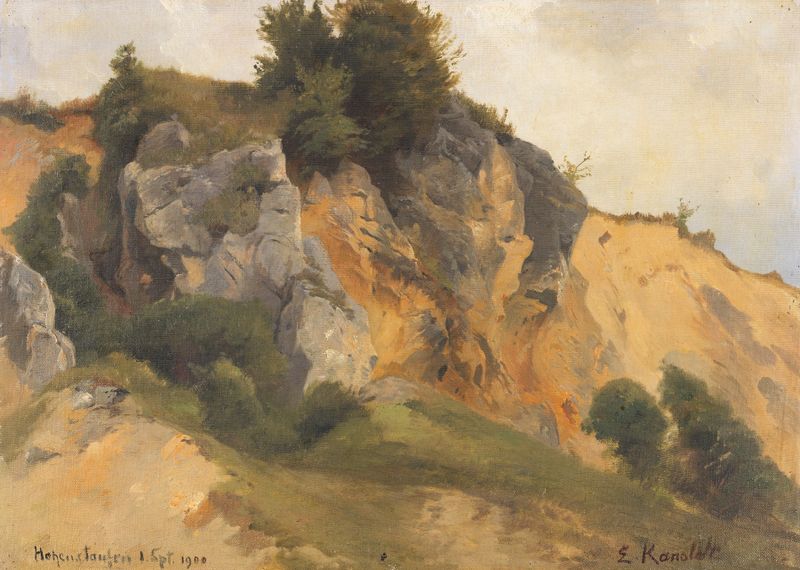
Felsterrain Bei Hohenstaufen
Edmund Kanoldt
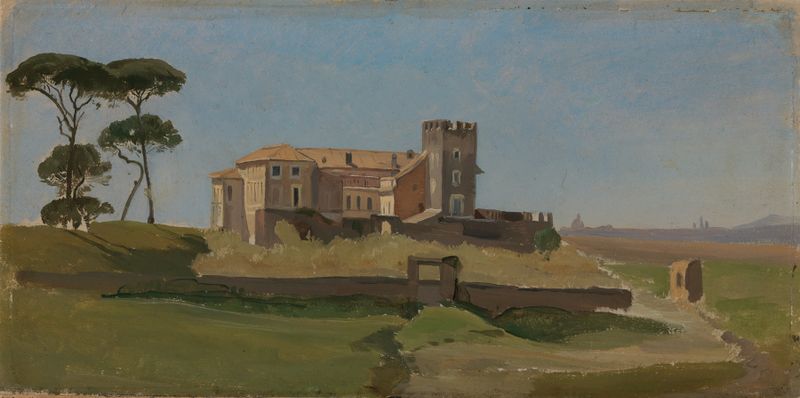
Motiv aus der römischen Campagna
Edmund Kanoldt

Im Park der Villa d’Este bei Tivoli
Edmund Kanoldt
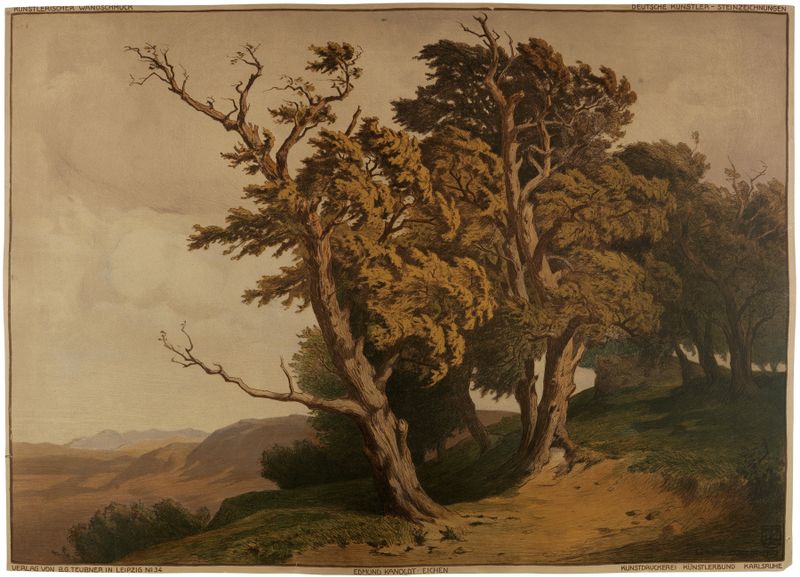
Eichen
Edmund Kanoldt
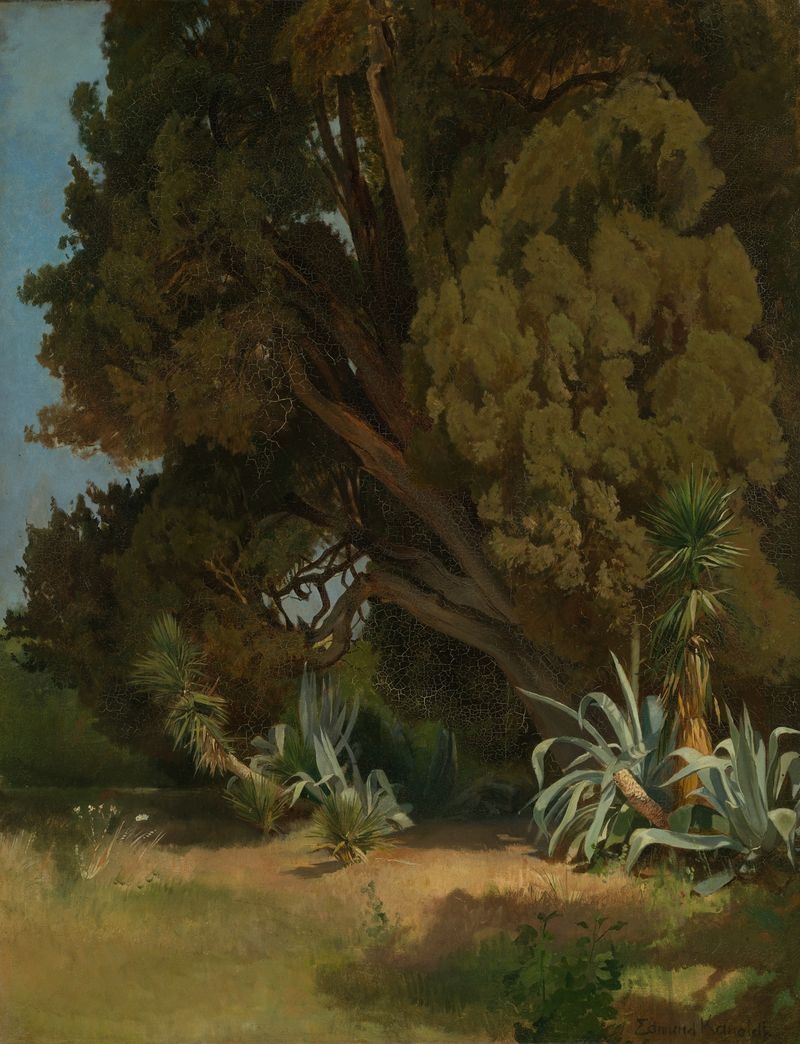
Baumstudie aus der Villa d’Este in Tivoli
Edmund Kanoldt

Italienisches Städtchen am Meer
Edmund Kanoldt
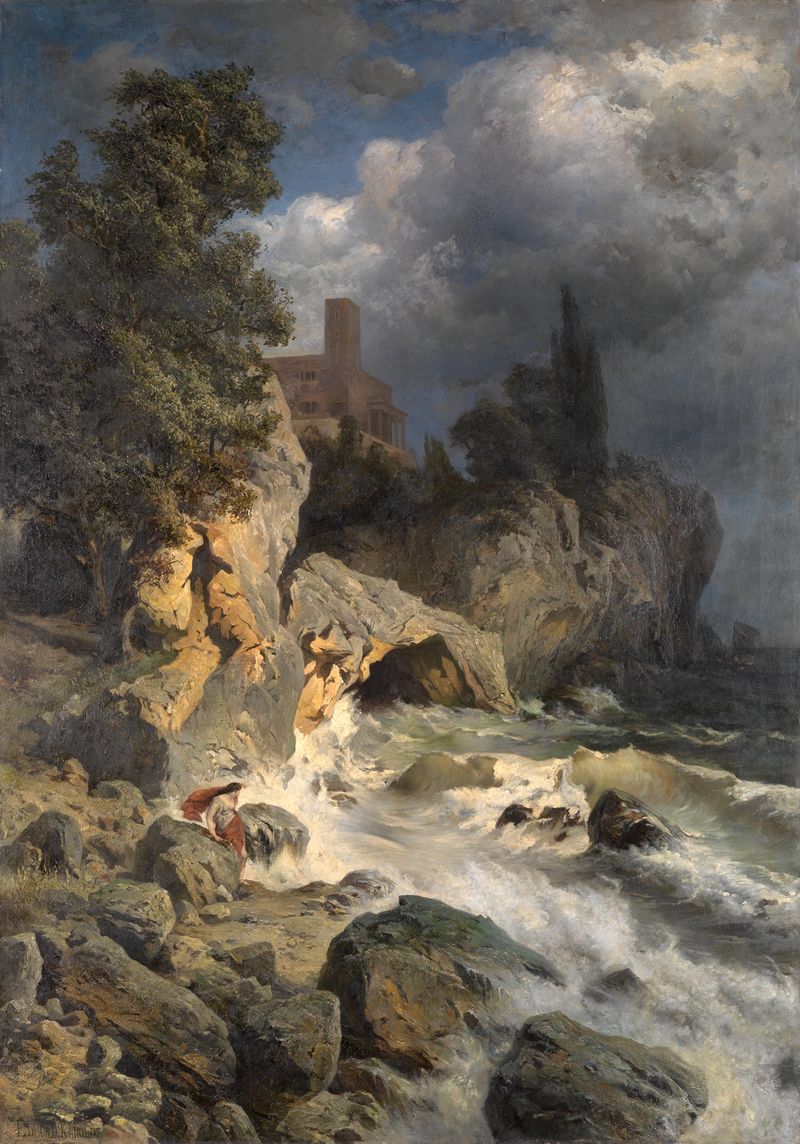
Landschaft mit Hero Leander erwartend
Edmund Kanoldt
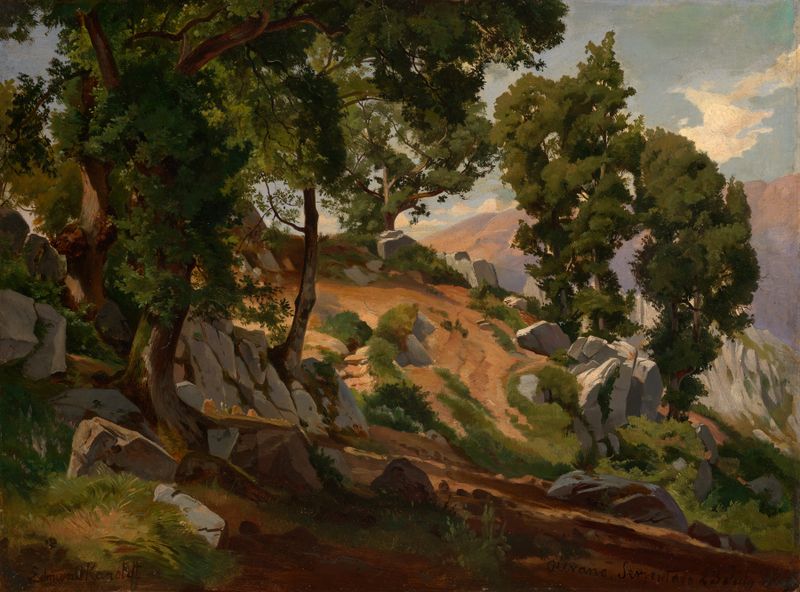
Aus der Serpentara bei Olevano
Edmund Kanoldt
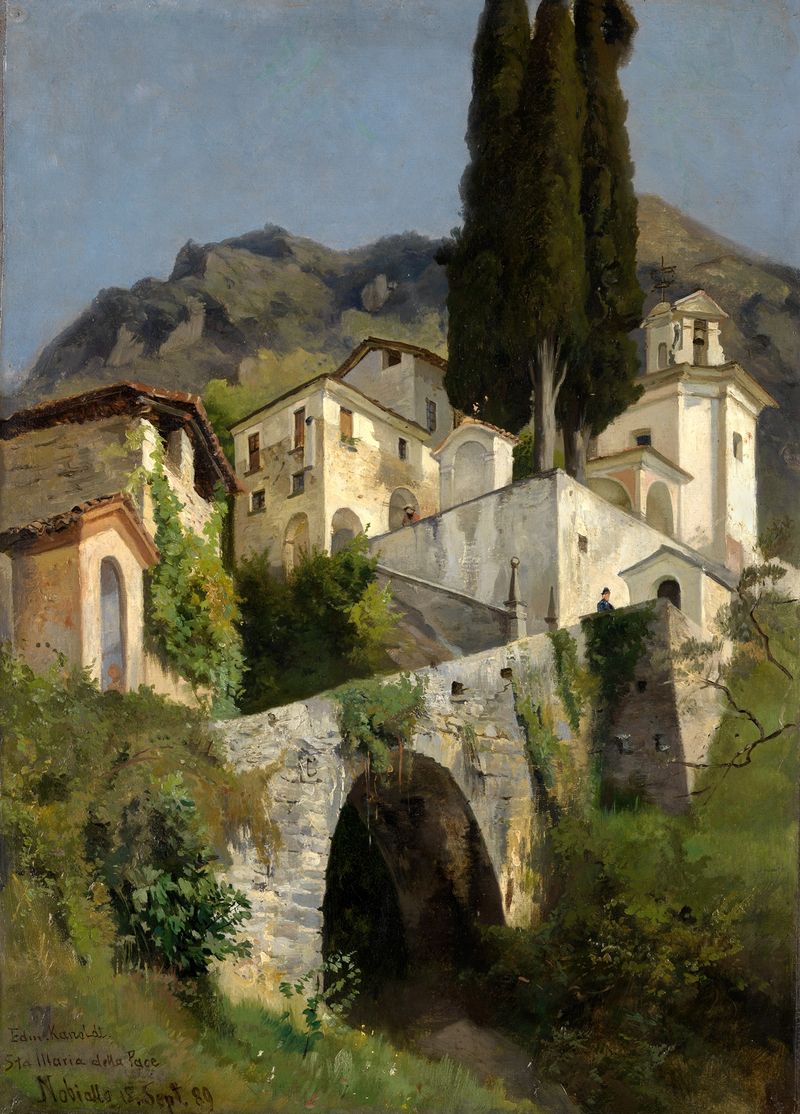
Sta. Maria della Pace in Nobiallo
Edmund Kanoldt





