
Blick auf die Ruine Dürnstein — History & Facts
In Blick auf die Ruine Dürnstein, the echoes of violence linger beneath the surface, whispering stories of destruction and resilience through the landscape. Focus first on the central ruin, stark and commanding against the backdrop of a muted sky. The jagged lines of the fortress contrast sharply with the soft, rolling hills, while the earth’s browns and greens reflect a quiet, unsettling beauty. Notice how the light fluctuates across the scene, casting shadows that seem to grasp at the remnants of history, inviting you to ponder the untold tales hidden within the stones. Here, tension arises between tranquility and turmoil.
The vibrant foliage surrounding the ruins hints at rebirth and renewal, yet the crumbling structure stands as a testament to conflict and loss. In the foreground, the gentle river flows calmly, almost oblivious to the somber tale behind it, creating a juxtaposition that stirs feelings of nostalgia and sorrow. Every detail contributes to the haunting memory of a place that has witnessed violence, transforming nature’s palette into an arena for reflection. Eduard Zetsche painted this work in 1893 in Austria, during a time of artistic resurgence that celebrated the romanticism of landscapes.
The late 19th century was marked by a fascination with historical ruins, emblematic of both human fragility and endurance. Zetsche, influenced by his surroundings, captured not just a view but also the weight of history, inviting viewers to remember and reflect on the past.
More Artworks by Eduard Zetsche
Browse all →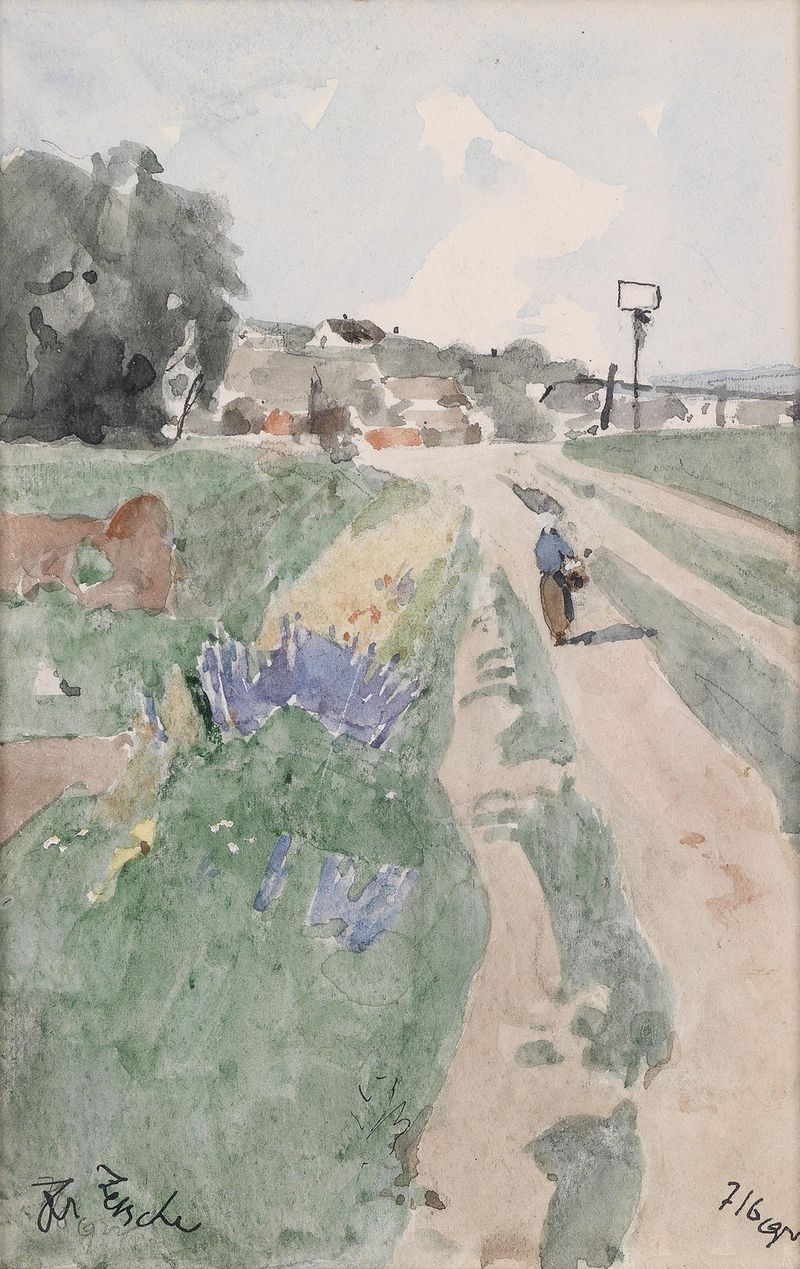
Weg bei Hadersdorf
Eduard Zetsche
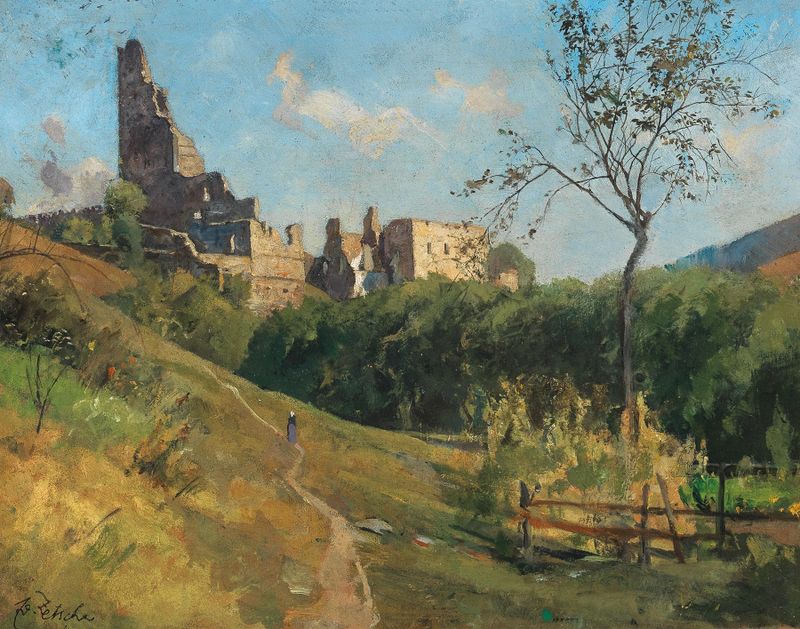
Ruins in the Wachau region
Eduard Zetsche
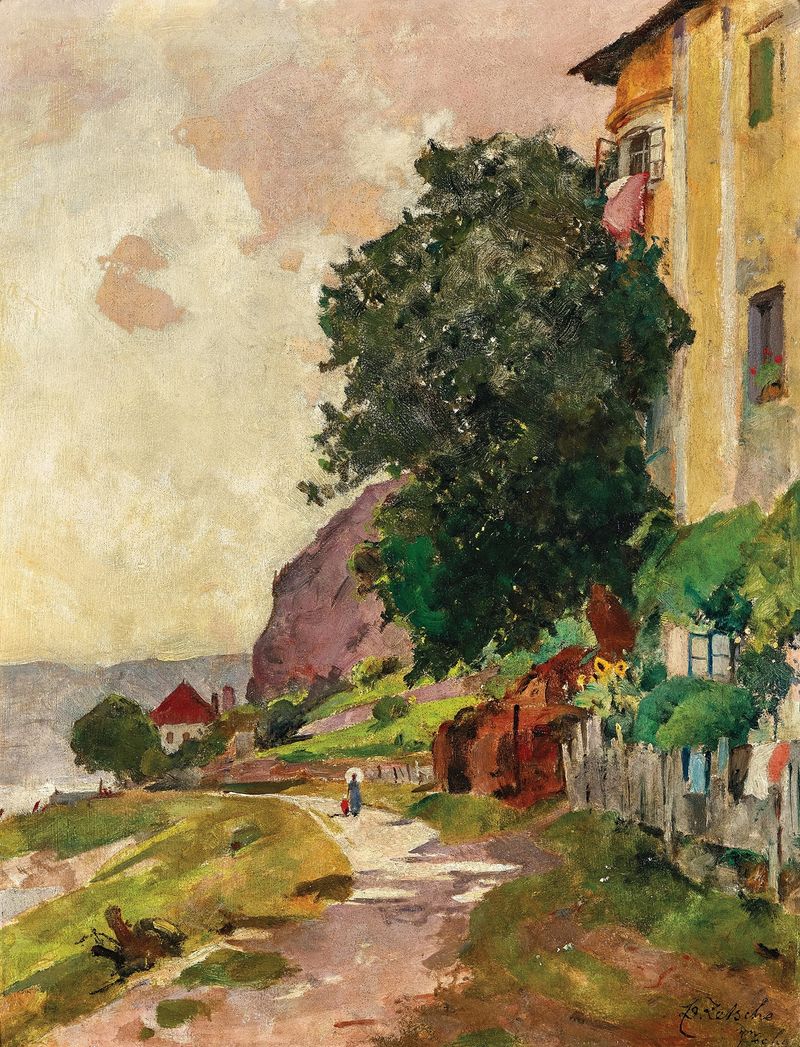
Beim Förthof, Ramsau
Eduard Zetsche
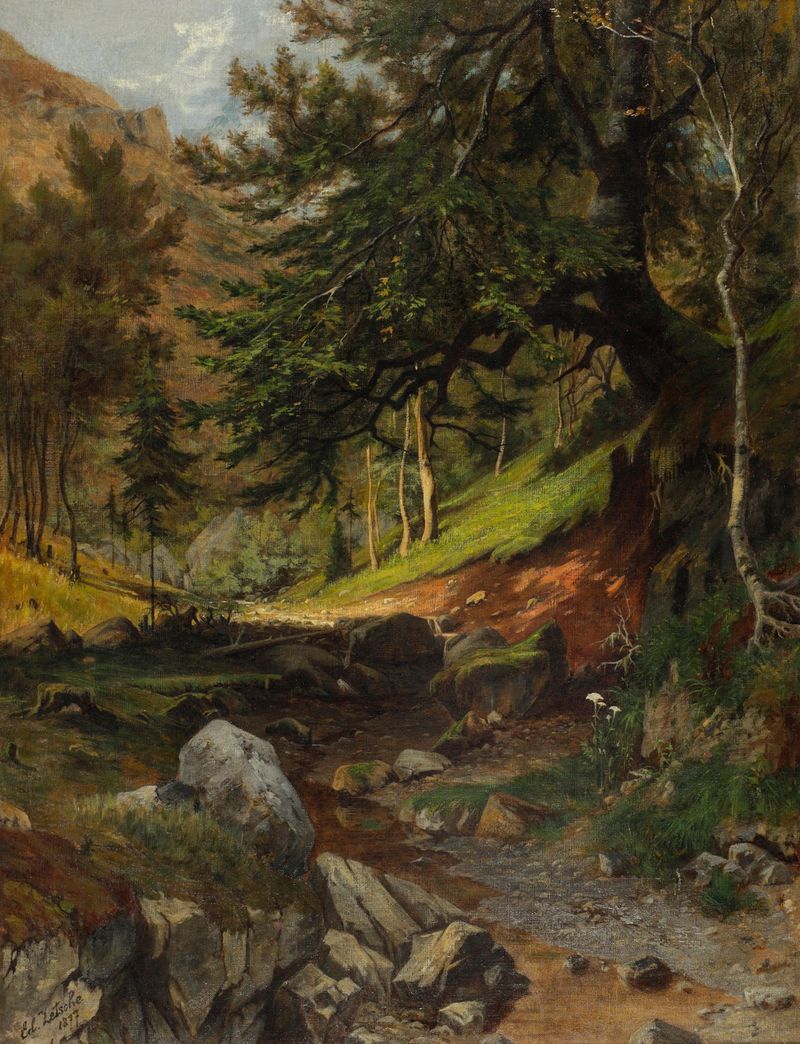
Waldpartie mit Bachlauf
Eduard Zetsche
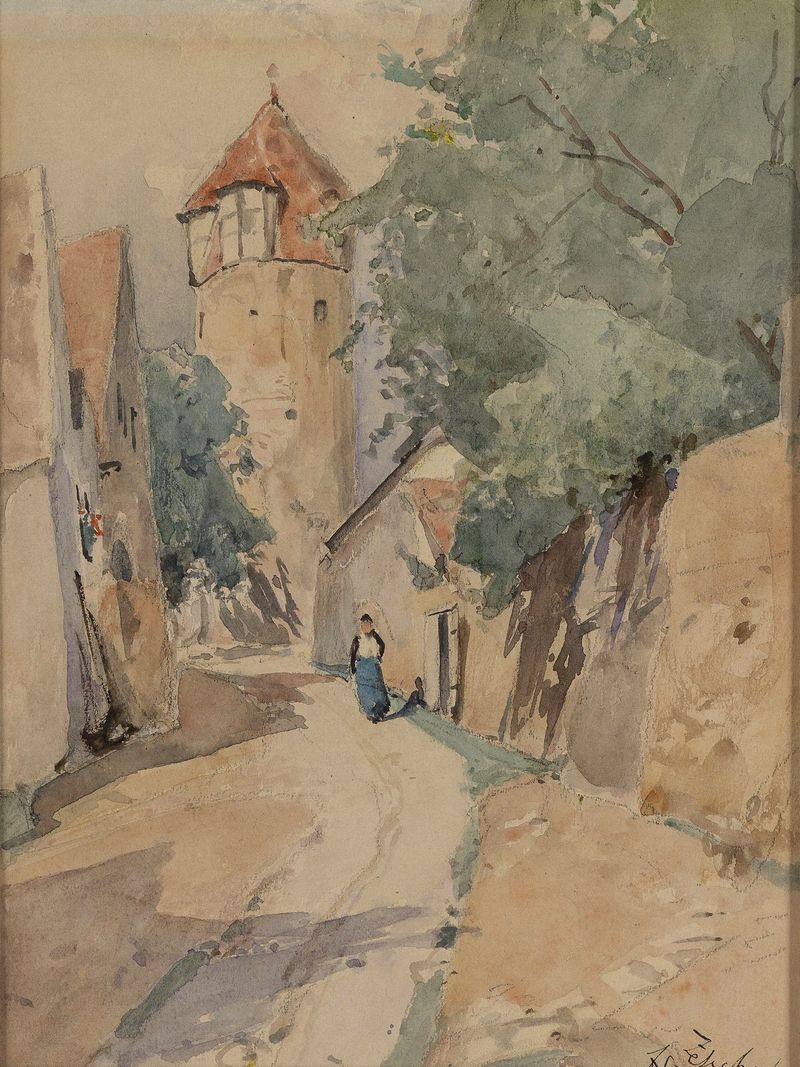
Sulzbach
Eduard Zetsche

Praterpartie
Eduard Zetsche
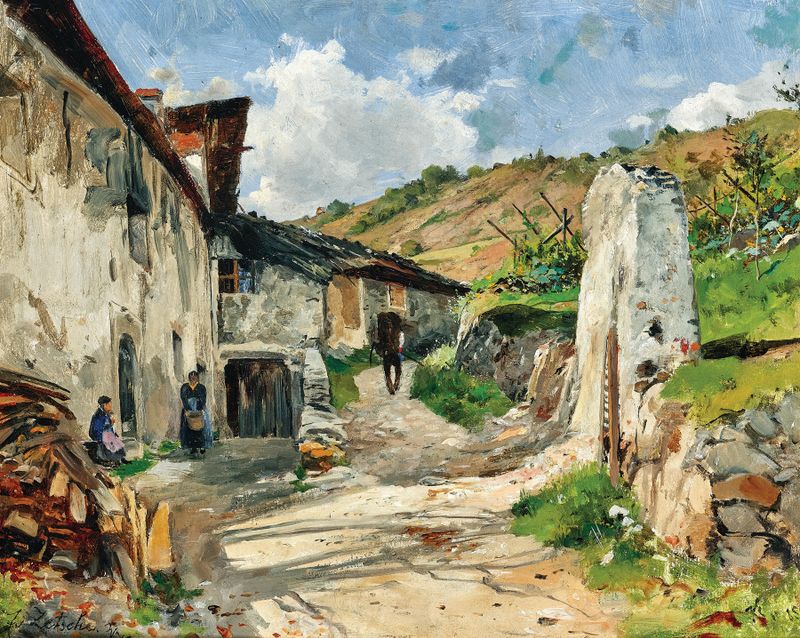
Wachau region, a path to a vineyard near a village
Eduard Zetsche

Motiv bei Lichtenwörth
Eduard Zetsche
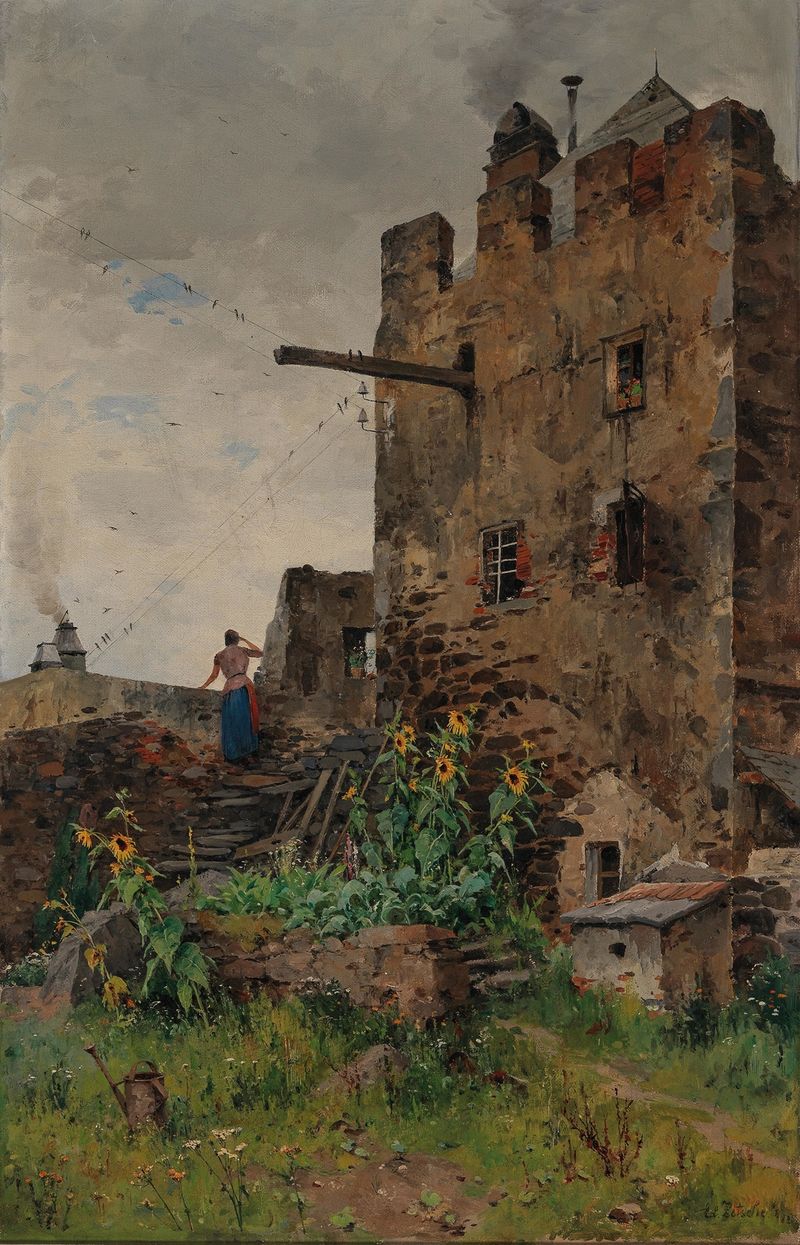
Wachau, Scene of Dürnstein, by the Old Town Wall
Eduard Zetsche
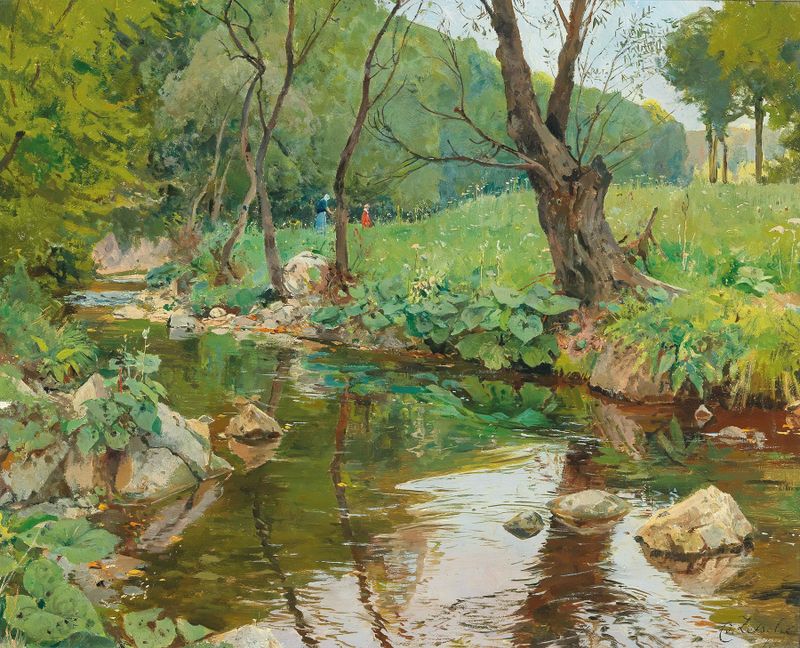
In the Sattelbach near Heiligenkreuz
Eduard Zetsche





