
Motiv bei Lichtenwörth — History & Facts
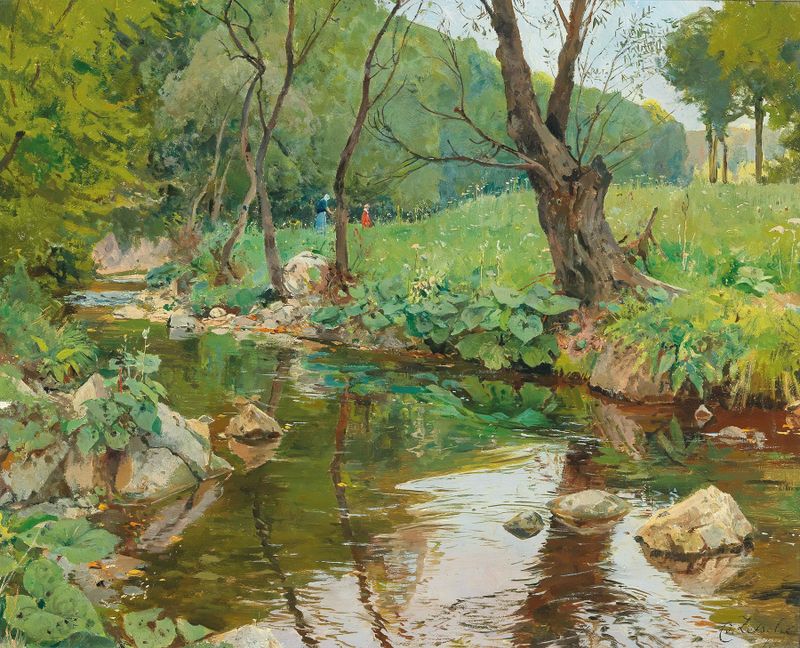
When did color learn to lie? In the lush greenness displayed here, layers of pigment weave an intricate tapestry, inviting us to question our perceptions of reality and faith. Look to the center, where a radiant burst of golden sunlight spills over the landscape. The vibrant hues of green and yellow contrast sharply with the deep blues of the shadowed trees, creating a dynamic interplay between light and dark. Notice how Zetsche’s brushwork fluctuates between thick, impasto strokes and softer, more blended areas, drawing our eyes and hearts toward the idyllic scene, while simultaneously hinting at a deeper narrative beneath the surface. The painting captures a moment that oscillates between tranquility and tension.
Hidden among the greenery are fleeting glimpses of figures, suggesting life and activity, yet they remain shrouded in an ethereal haze. This duality reflects the juxtaposition of nature's beauty and the fragility of human existence, evoking a sense of longing for something just out of reach, perhaps an elusive faith that transcends physical reality. In 1907, Motiv bei Lichtenwörth emerged from the mind of Eduard Zetsche during a period of transition in European art. As Impressionism waned, artists sought new ways to express emotional truths, often turning to vibrant palettes and dynamic forms.
Zetsche, based in Austria, was influenced by these movements while exploring themes of spirituality and connection to the natural world, a response to both personal and societal shifts of his time.
More Artworks by Eduard Zetsche
Browse all →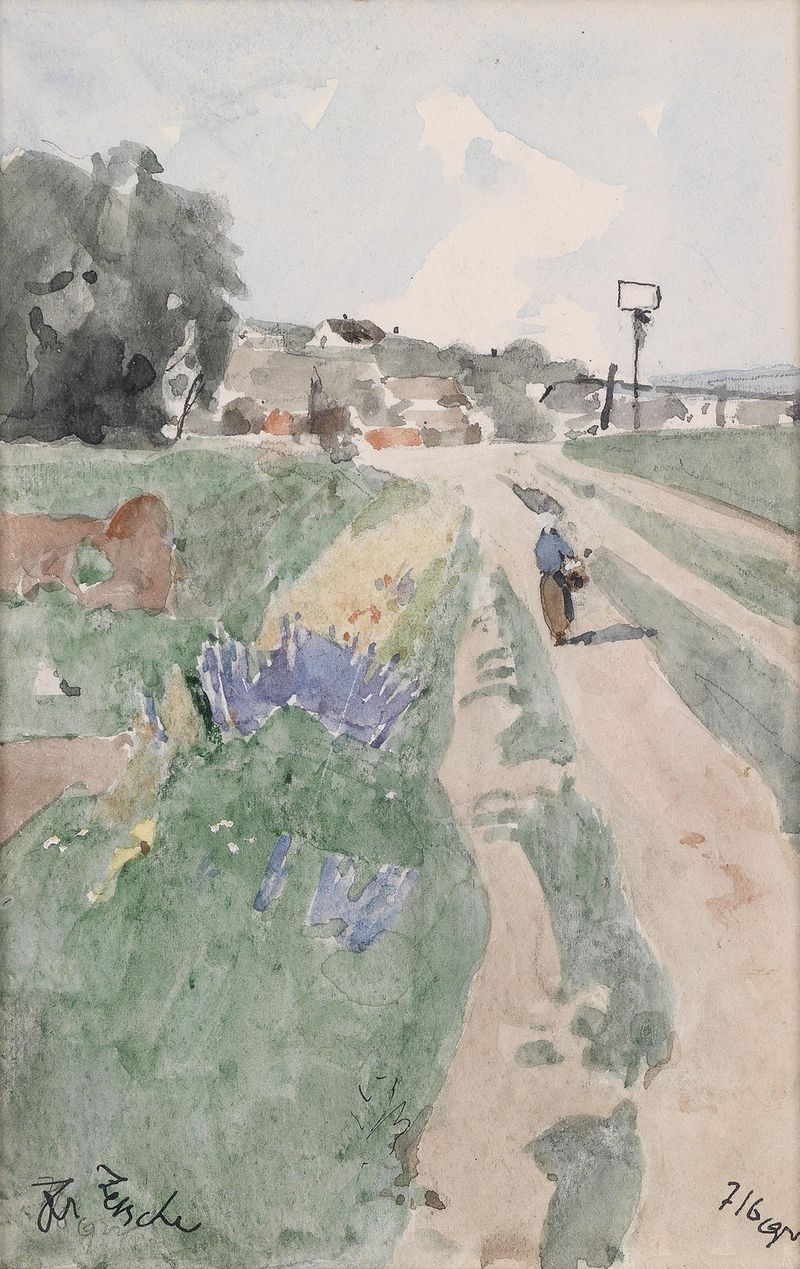
Weg bei Hadersdorf
Eduard Zetsche
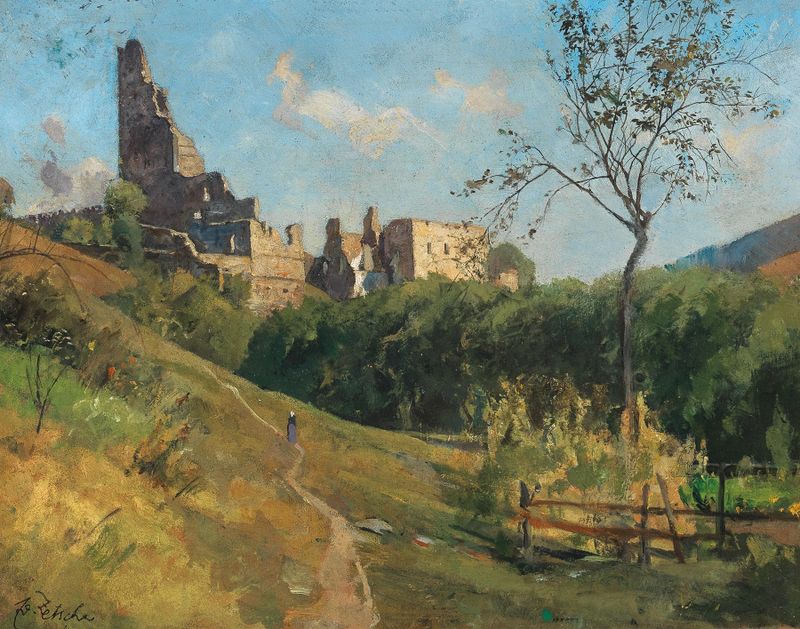
Ruins in the Wachau region
Eduard Zetsche
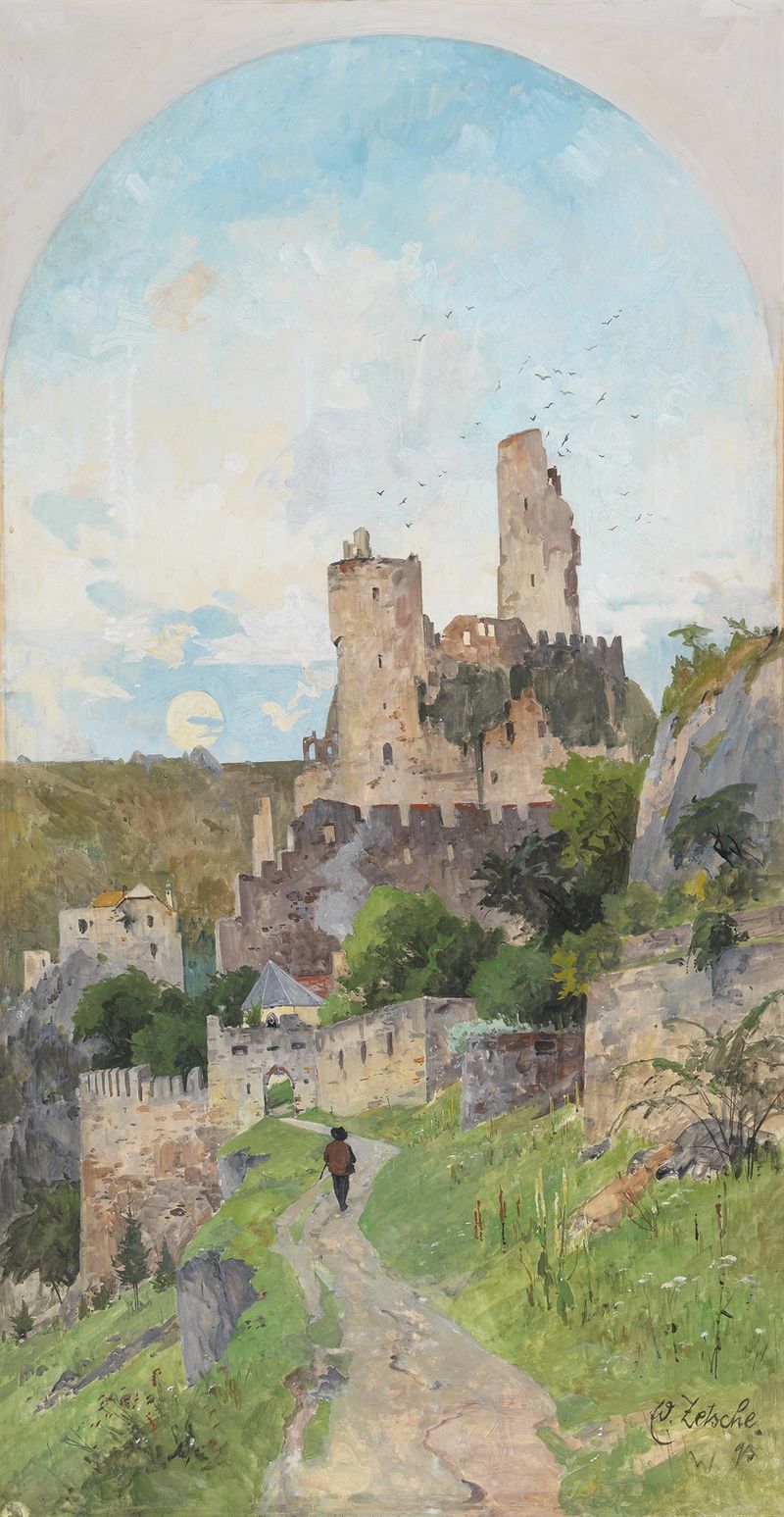
Blick auf die Ruine Dürnstein
Eduard Zetsche
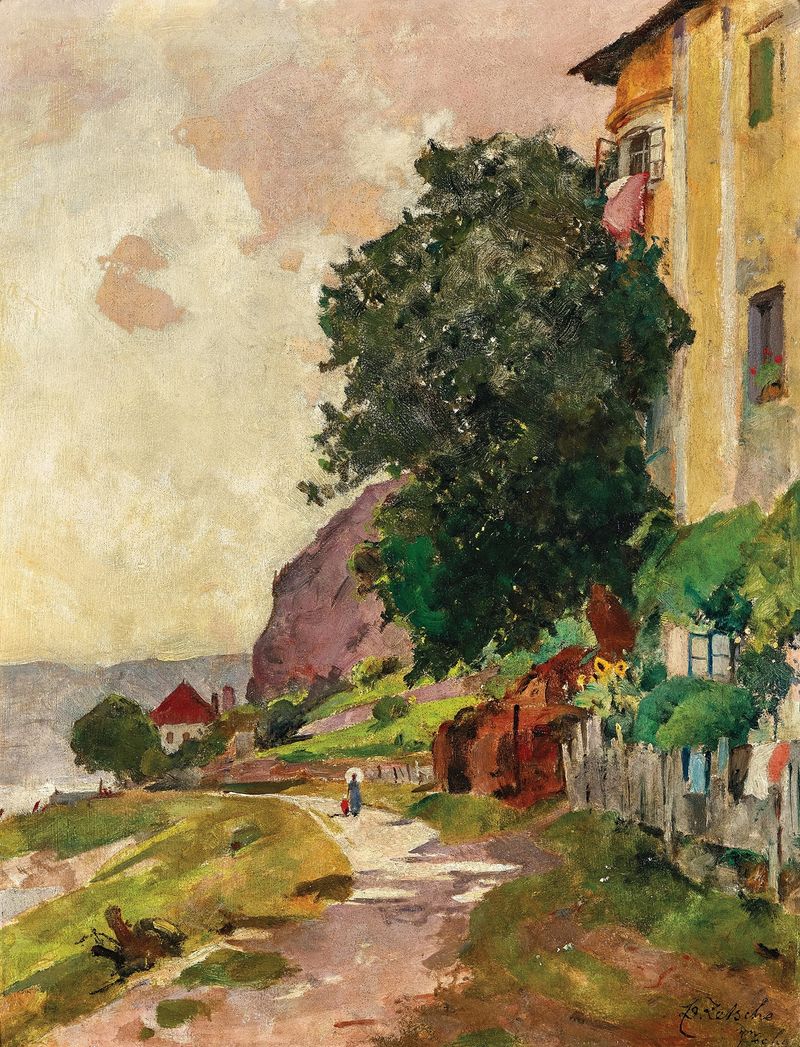
Beim Förthof, Ramsau
Eduard Zetsche
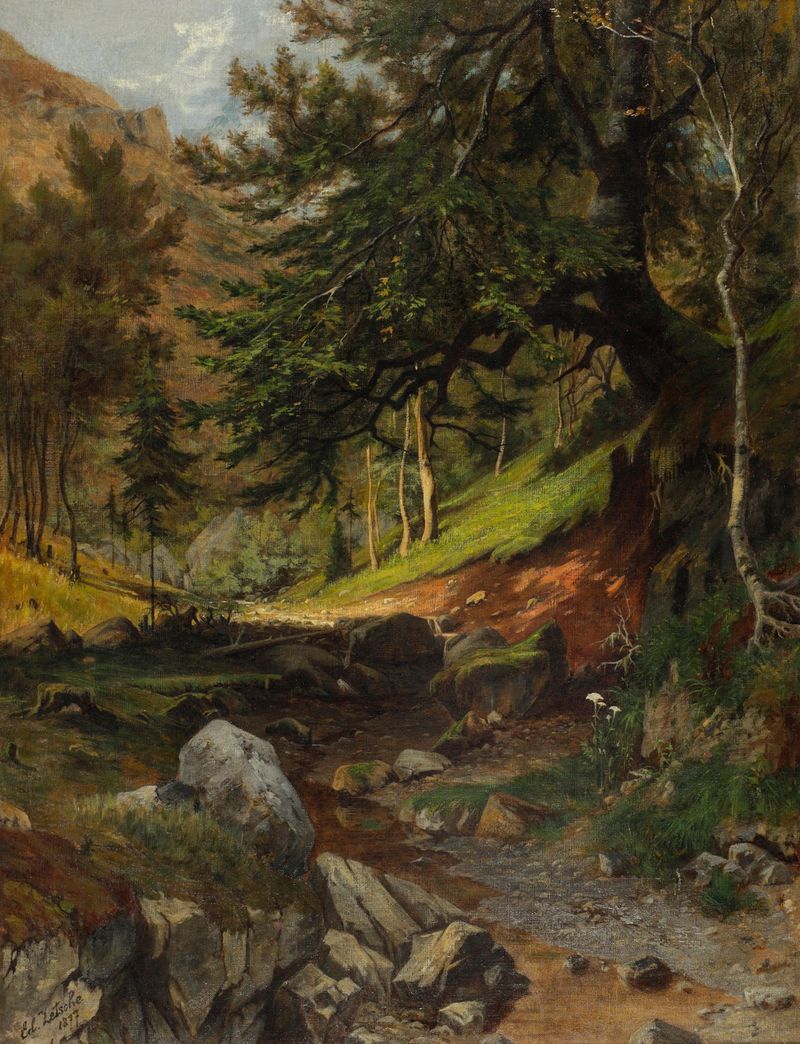
Waldpartie mit Bachlauf
Eduard Zetsche
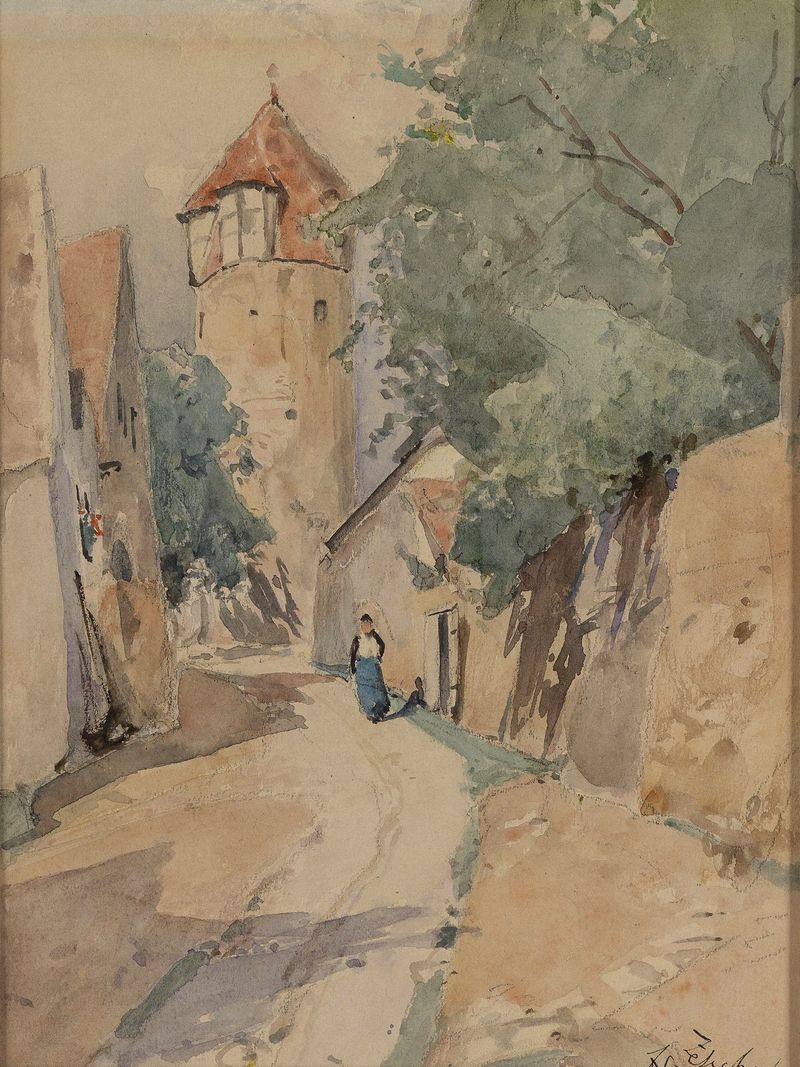
Sulzbach
Eduard Zetsche

Praterpartie
Eduard Zetsche
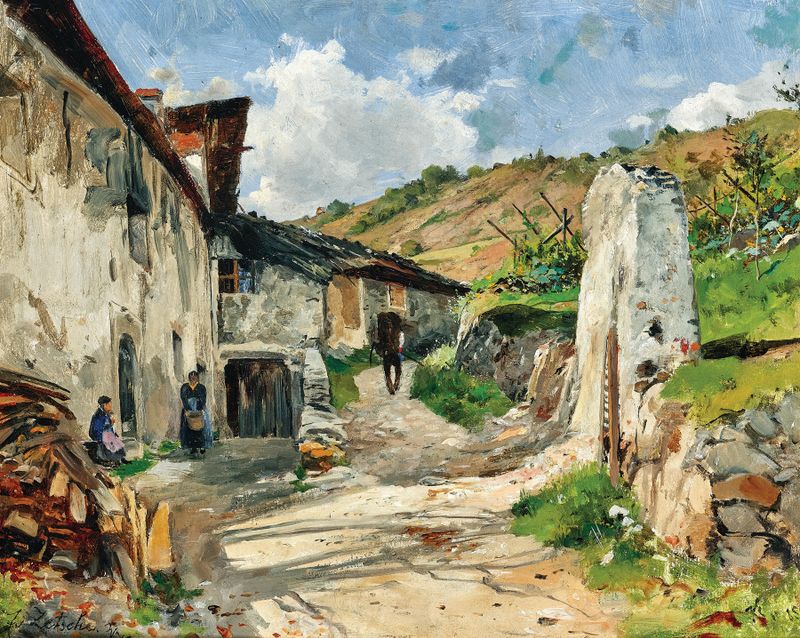
Wachau region, a path to a vineyard near a village
Eduard Zetsche
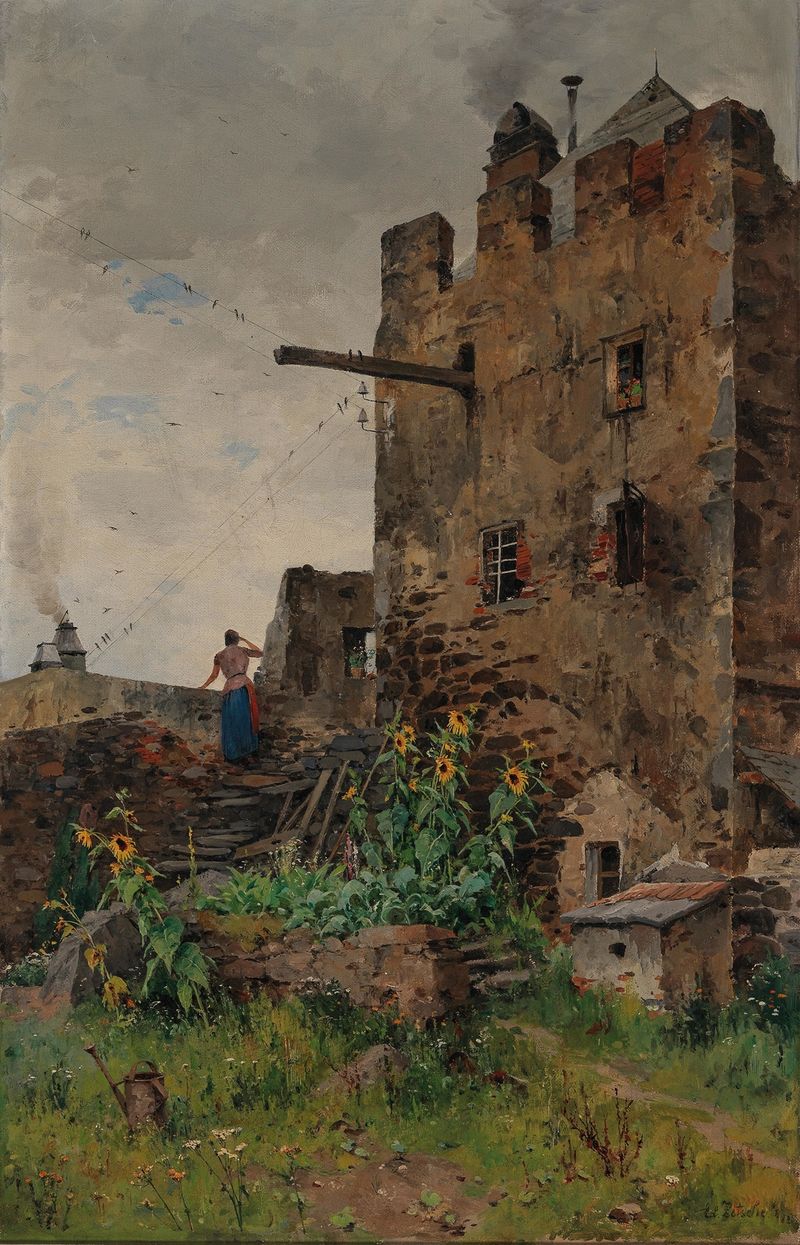
Wachau, Scene of Dürnstein, by the Old Town Wall
Eduard Zetsche
In the Sattelbach near Heiligenkreuz
Eduard Zetsche





