
Weg bei Hadersdorf — History & Facts
When did color learn to lie? In Weg bei Hadersdorf, hues intertwine and evolve, revealing truths that flicker beneath the surface of painted landscapes. It invites a contemplation of light, both as a physical phenomenon and as a metaphor for perception itself. Focus on the foreground, where the interplay of soft greens and deep earthy browns creates a sense of tranquility. The winding path beckons the viewer's eye, guiding it through the gentle undulations of the land toward a horizon bathed in warm golden light.
Notice how the artist employs broad, textured brushstrokes to render the foliage, each stroke a testament to nature's vitality. The colors vibrate, oscillating between reality and the dreamlike quality that light instills. Yet, the painting speaks of contrasts: the serenity of the landscape juxtaposed with an unfolding journey. The path is not merely a route but a metaphor for choices and the passage of time.
In the distance, shadows flicker where light meets the earth, hinting at uncertainties that lie ahead. The contrasting colors reveal an emotional depth that resonates with the viewer's personal experiences and decisions, inviting a moment of introspection. Eduard Zetsche created this work during a period of artistic exploration that coincided with the rise of Impressionism. Though the exact date remains uncertain, it is clear that the artist was deeply influenced by the play of natural light and color that defined the late 19th century.
The prevalent focus on capturing transient moments in nature marked a significant shift in his approach, aligning him with the evolving trends of his time.
More Artworks by Eduard Zetsche
Browse all →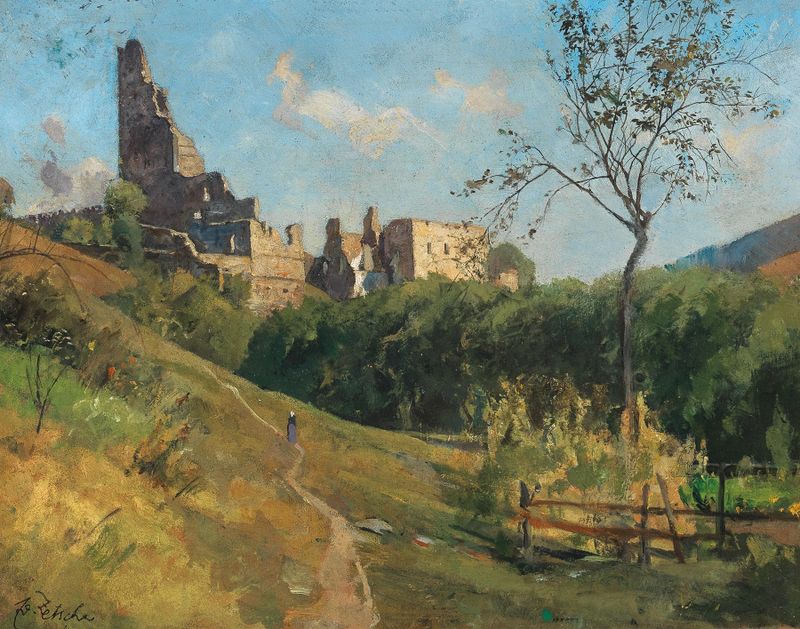
Ruins in the Wachau region
Eduard Zetsche
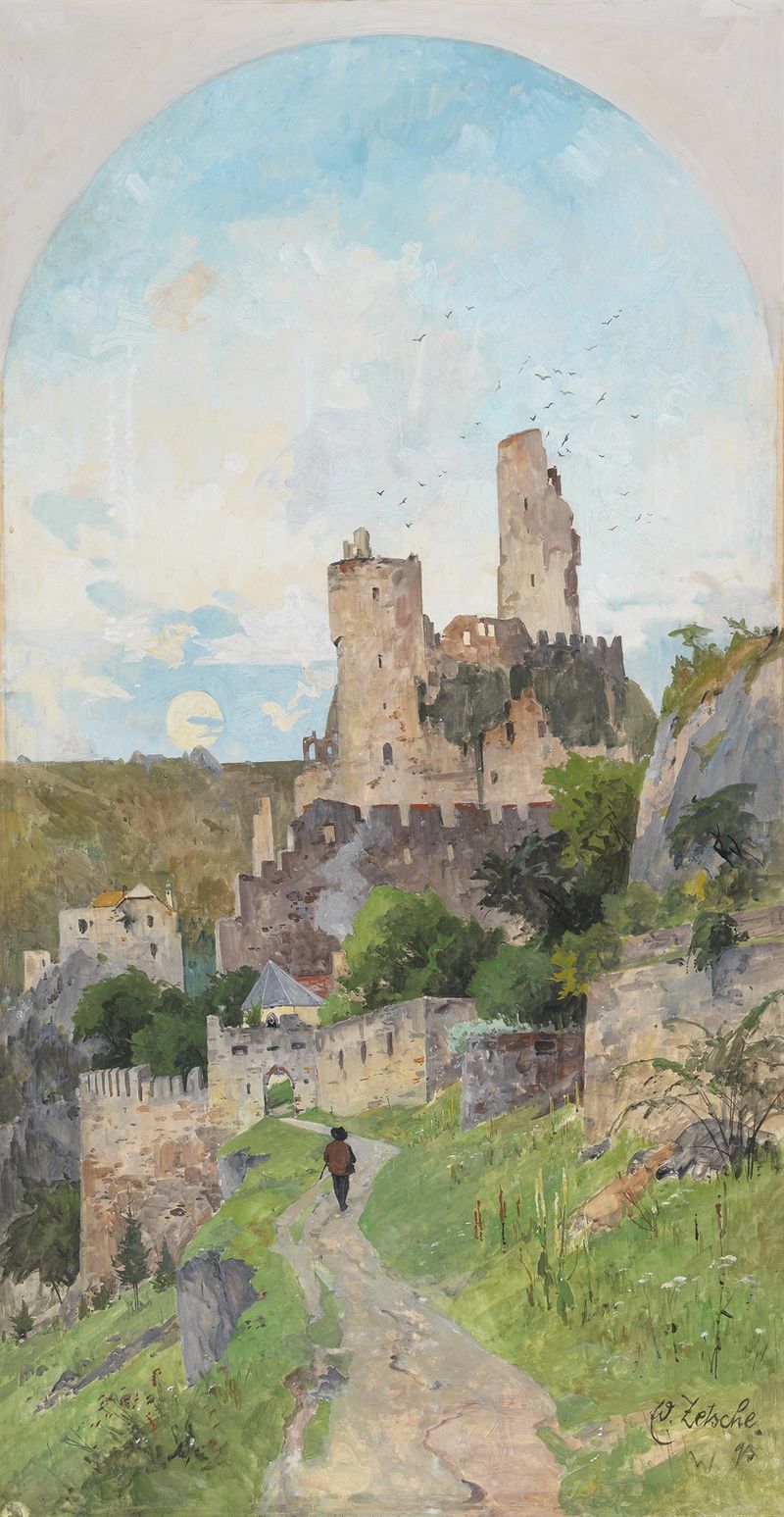
Blick auf die Ruine Dürnstein
Eduard Zetsche
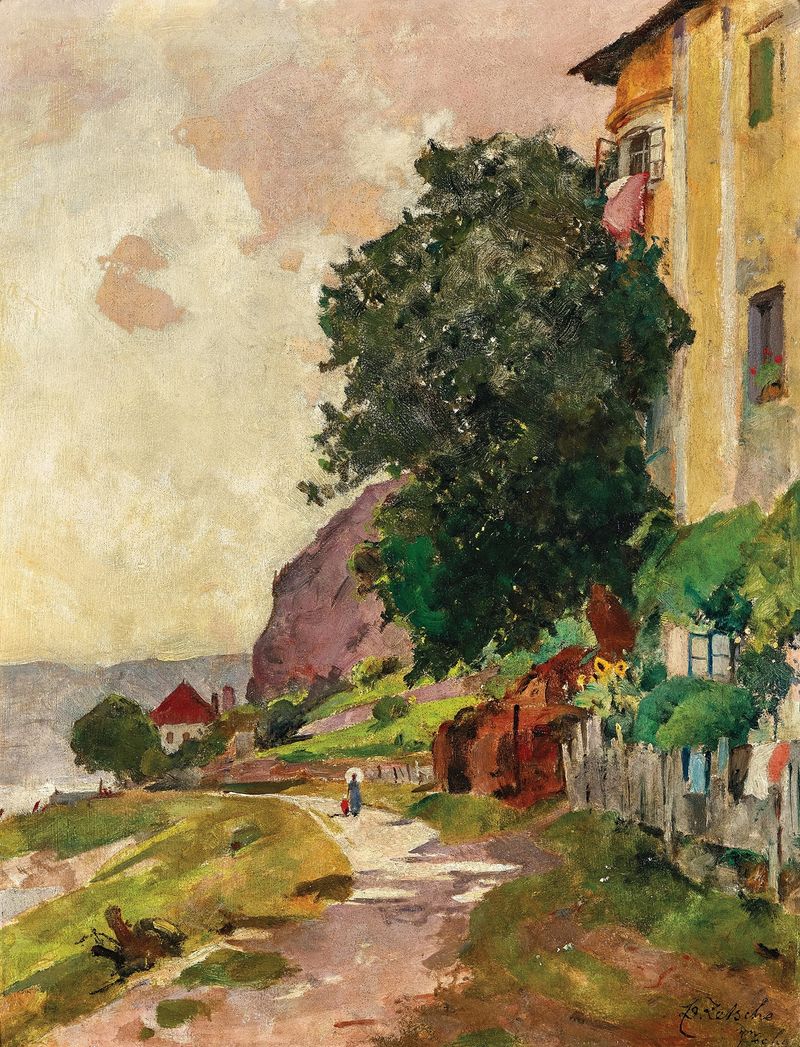
Beim Förthof, Ramsau
Eduard Zetsche
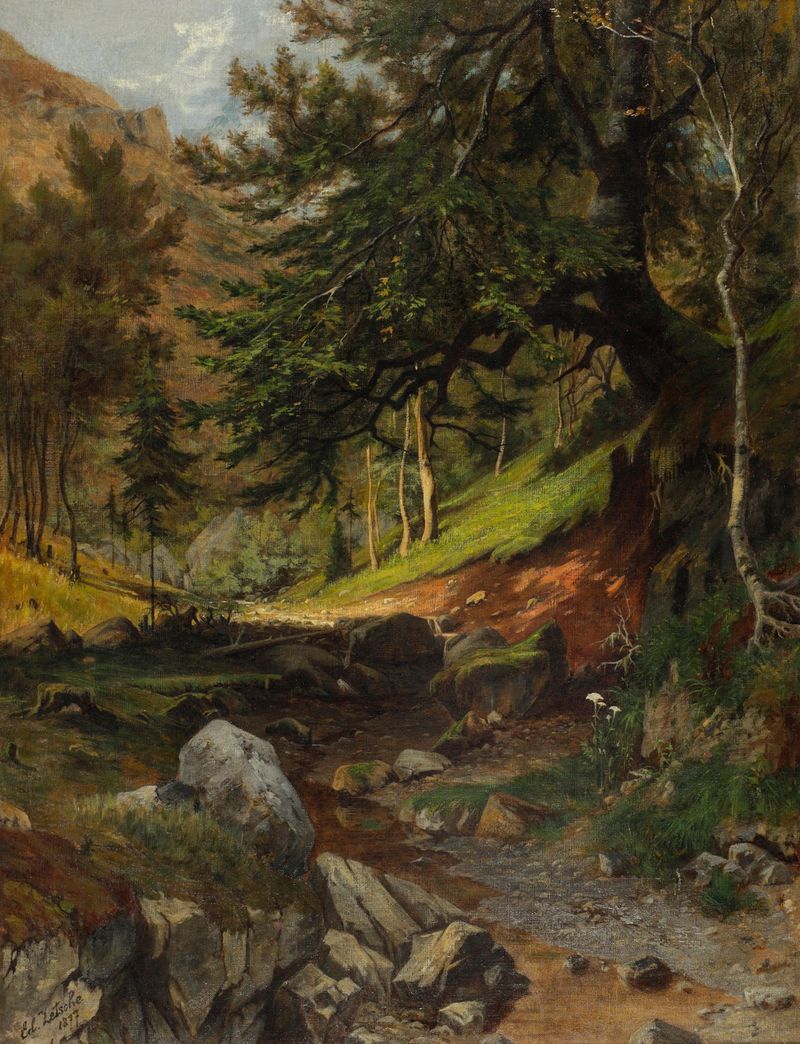
Waldpartie mit Bachlauf
Eduard Zetsche
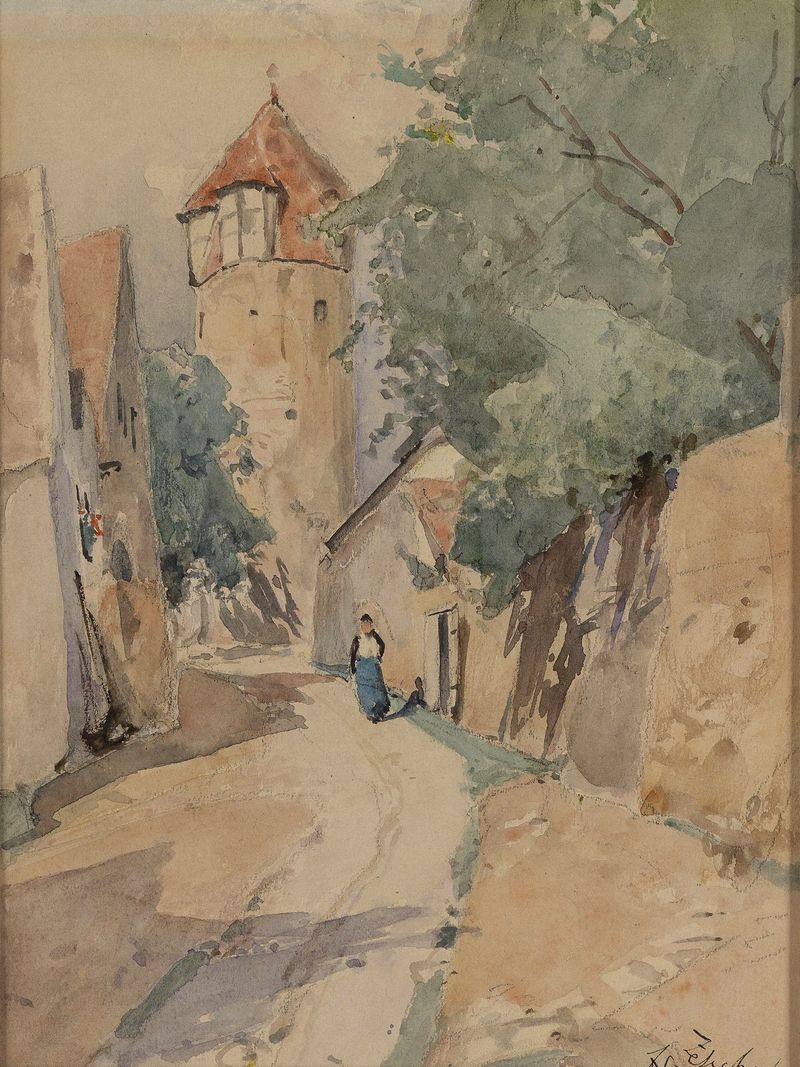
Sulzbach
Eduard Zetsche

Praterpartie
Eduard Zetsche
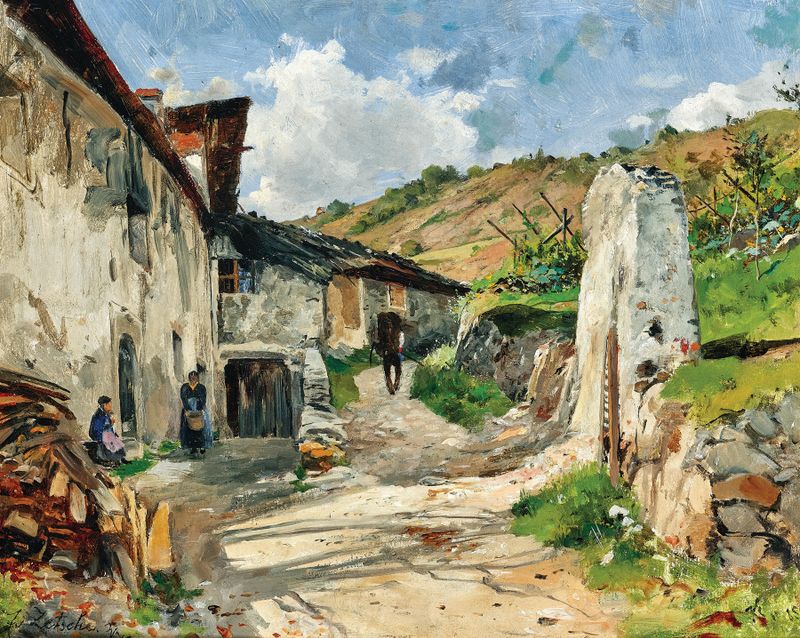
Wachau region, a path to a vineyard near a village
Eduard Zetsche

Motiv bei Lichtenwörth
Eduard Zetsche
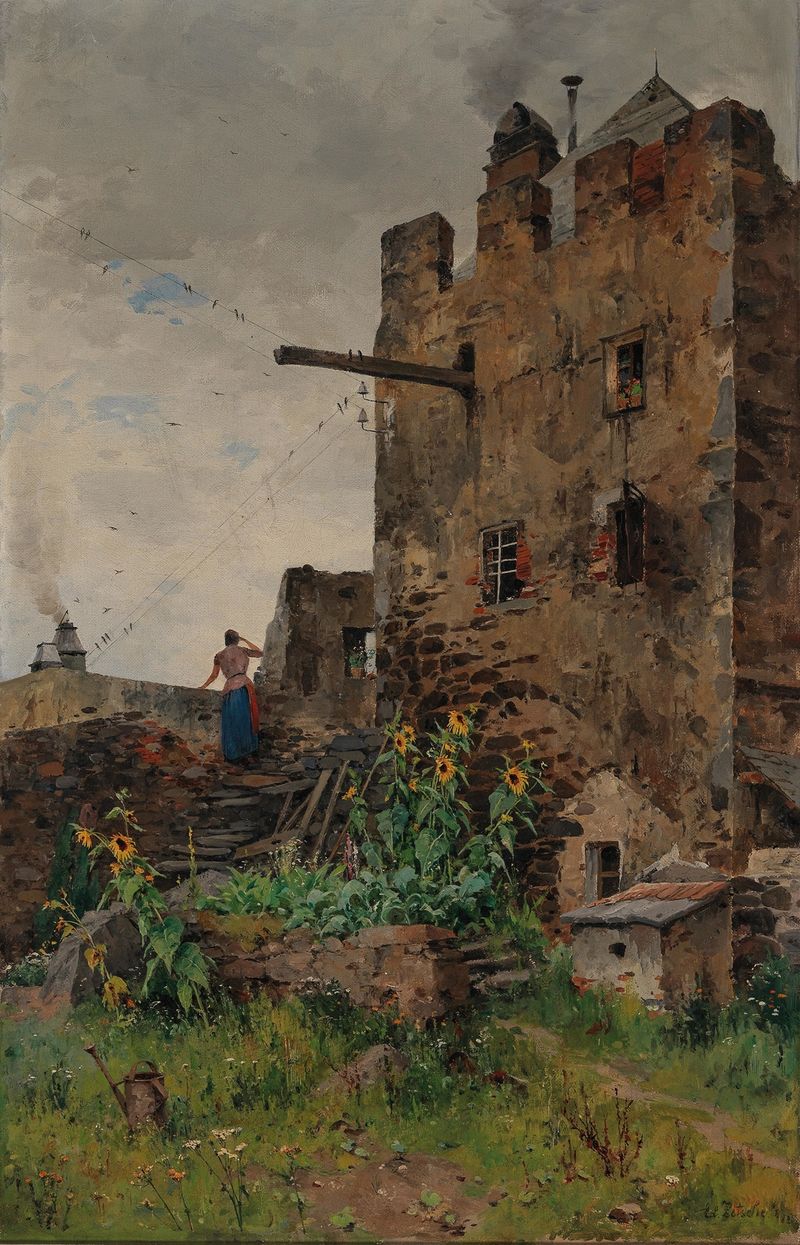
Wachau, Scene of Dürnstein, by the Old Town Wall
Eduard Zetsche
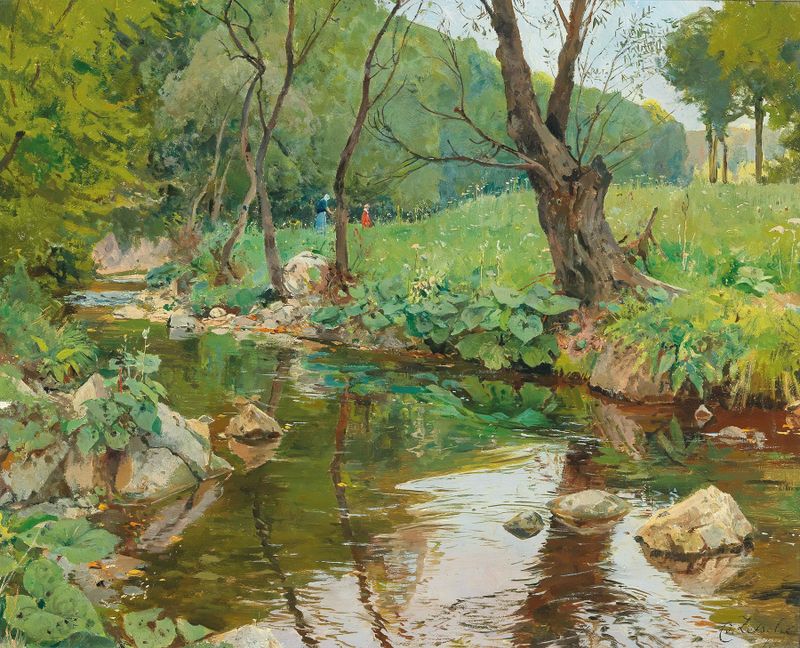
In the Sattelbach near Heiligenkreuz
Eduard Zetsche





