
Sulzbach — History & Facts
Who listens when art speaks of silence? In Eduard Zetsche's Sulzbach, a tranquil landscape invites contemplation, its stillness echoing deeper emotions entwined within the viewer's psyche. Look to the soft, muted palette that envelops the canvas, where greens and browns harmonize, suggesting a serene yet somber atmosphere. The eye is drawn to the central reflection in the water, where trees and sky meld seamlessly, creating a moment frozen in time. Notice how the brush strokes convey both texture and emotion, blending reality with an impressionistic softness that allows space for personal interpretation. Beneath this peaceful facade lies a more profound tension.
The still water, while beautiful, hints at an underlying melancholia—a reflection of moments passed and tales untold. As light dances delicately across the surface, it suggests the duality of presence and absence, urging viewers to ponder the narratives that silence holds. This quiet invitation to reflect speaks volumes, allowing each observer to imprint their own stories onto the canvas. In 1917, Zetsche painted Sulzbach during a tumultuous period marked by World War I, which cast long shadows over Europe.
Living in Germany, where the impact of the war was palpable, he sought to capture the fleeting beauty of nature amid chaos. Artistic movements of the time were shifting, exploring emotional depth and abstraction, and Zetsche's work reflects this transitional spirit, emphasizing both the fragility of life and the power of stillness in the face of turmoil.
More Artworks by Eduard Zetsche
Browse all →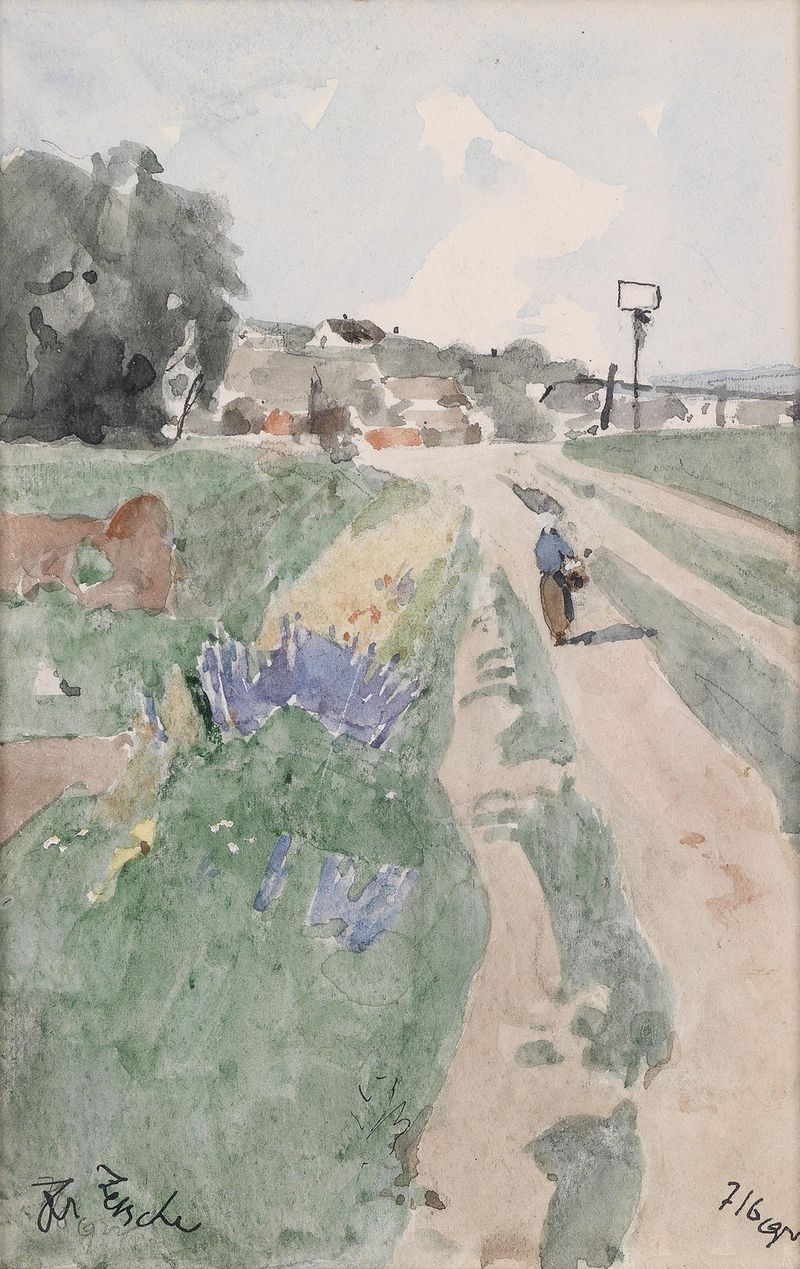
Weg bei Hadersdorf
Eduard Zetsche
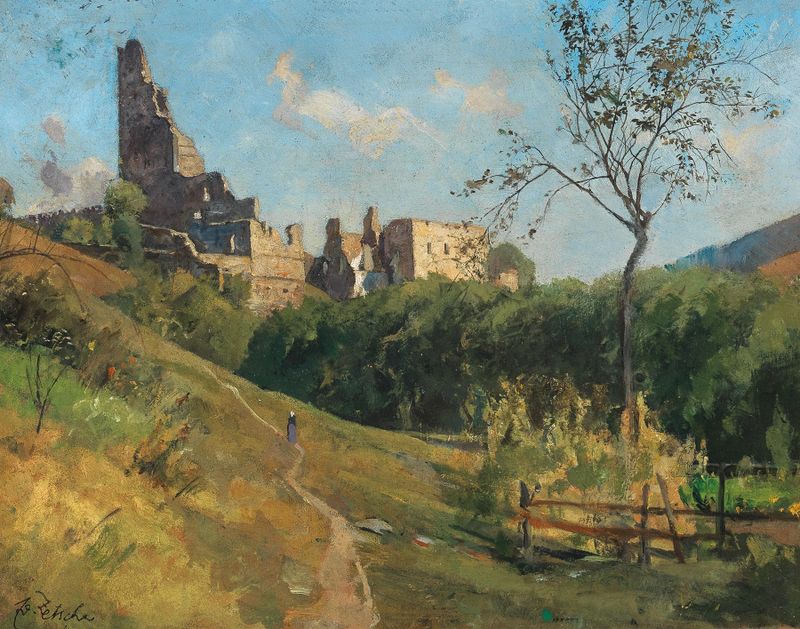
Ruins in the Wachau region
Eduard Zetsche
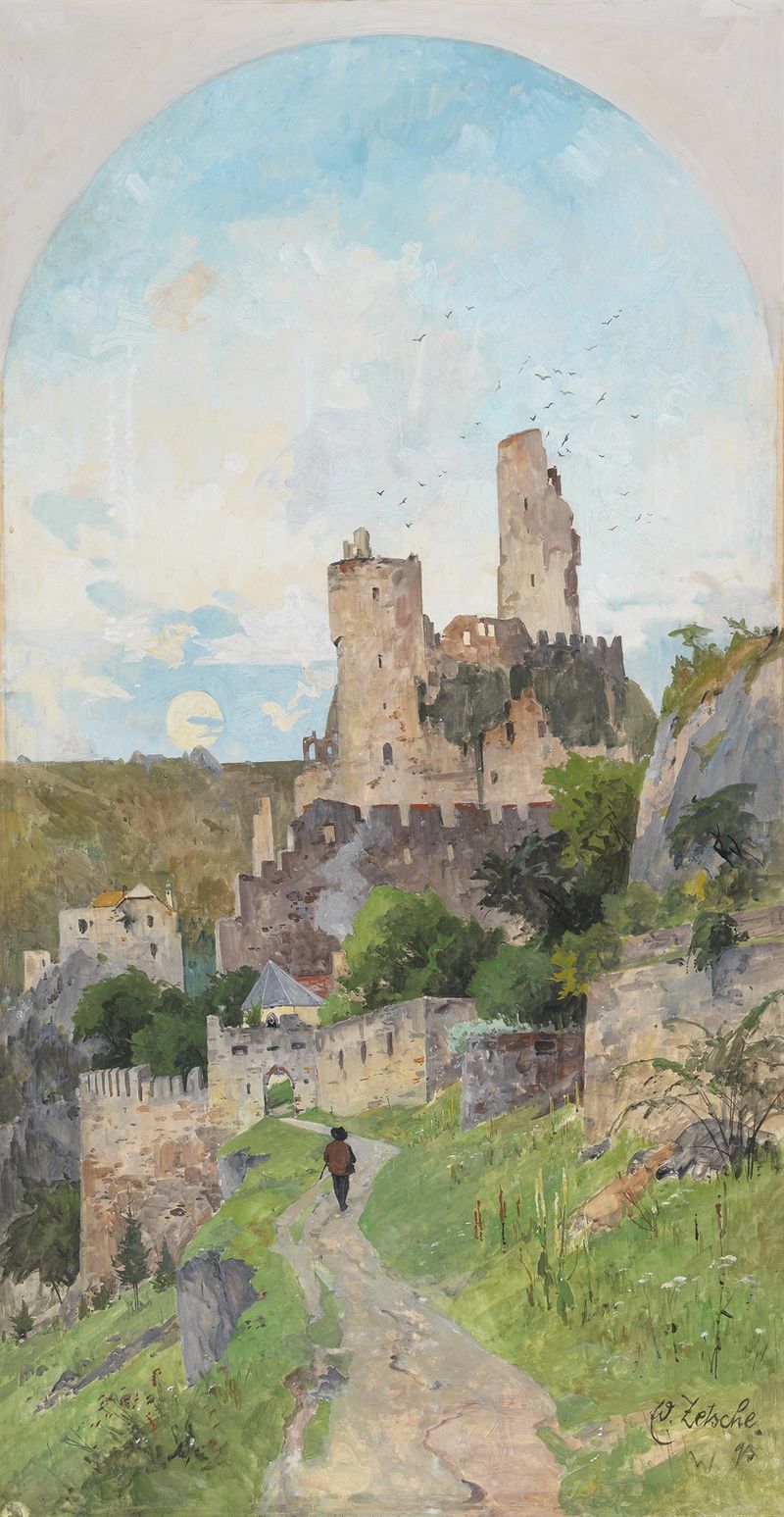
Blick auf die Ruine Dürnstein
Eduard Zetsche
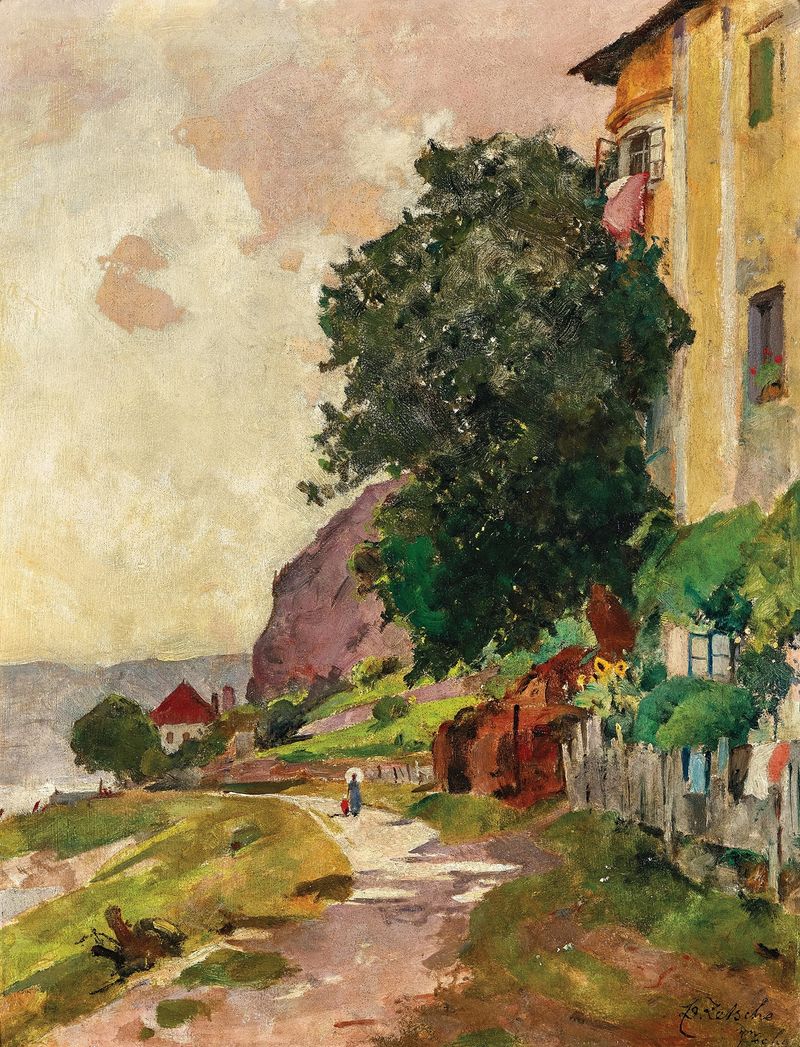
Beim Förthof, Ramsau
Eduard Zetsche
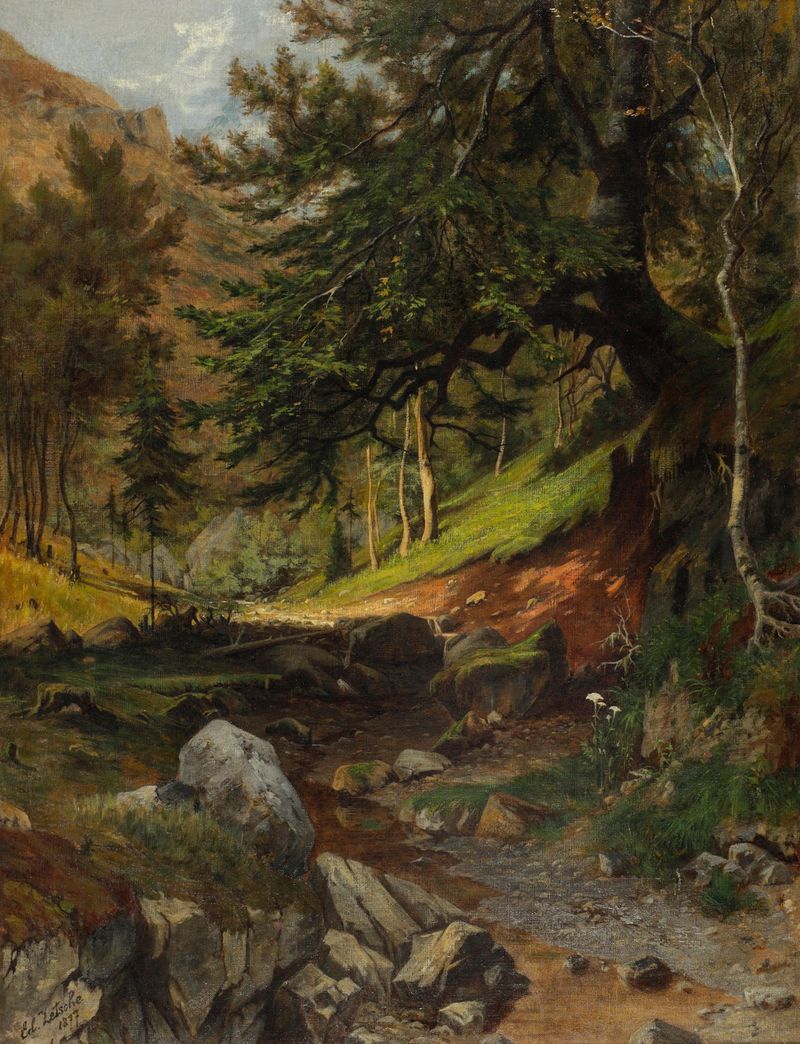
Waldpartie mit Bachlauf
Eduard Zetsche

Praterpartie
Eduard Zetsche
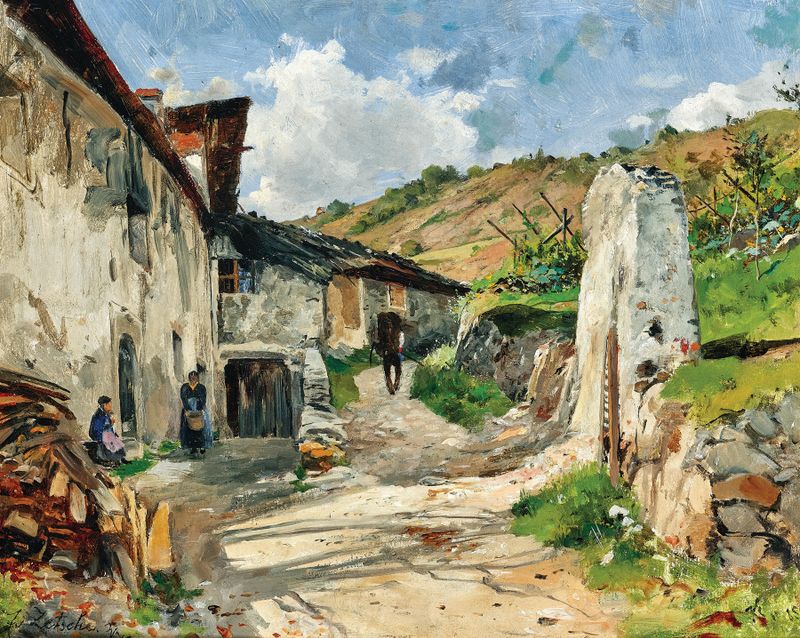
Wachau region, a path to a vineyard near a village
Eduard Zetsche

Motiv bei Lichtenwörth
Eduard Zetsche
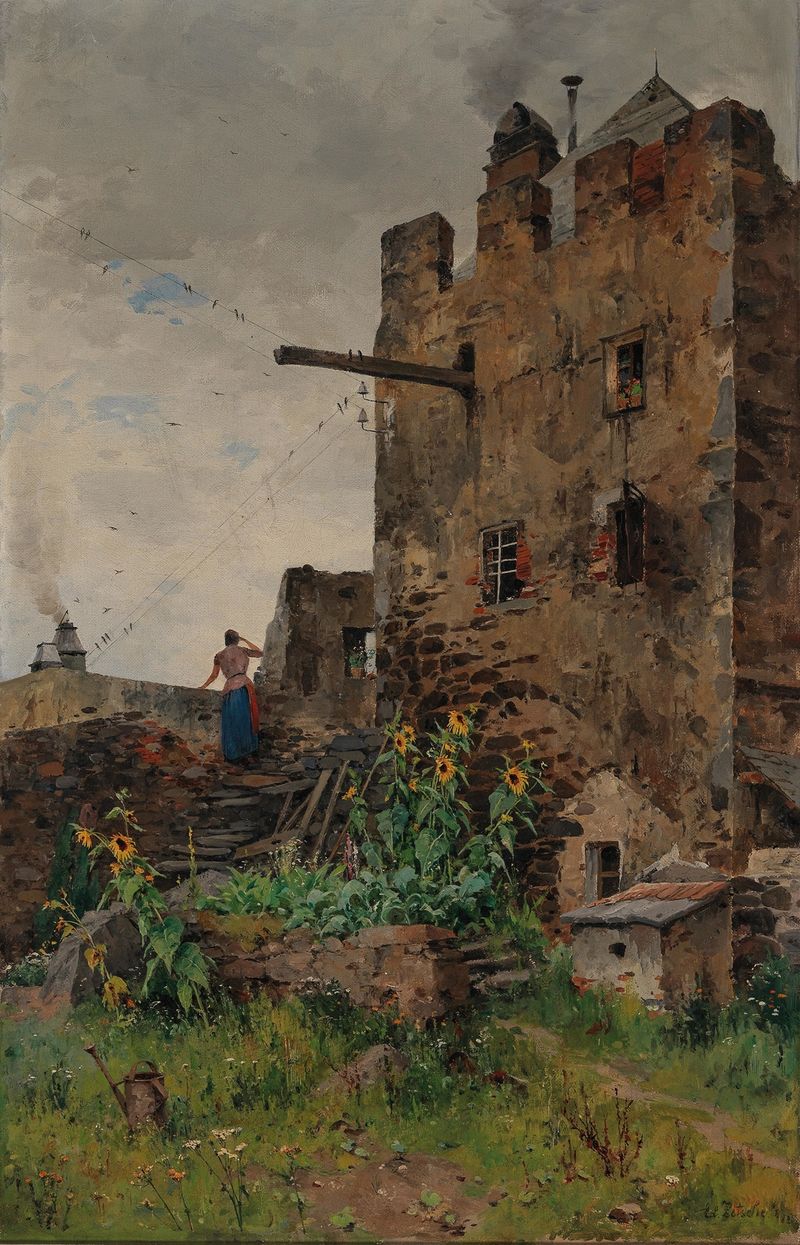
Wachau, Scene of Dürnstein, by the Old Town Wall
Eduard Zetsche
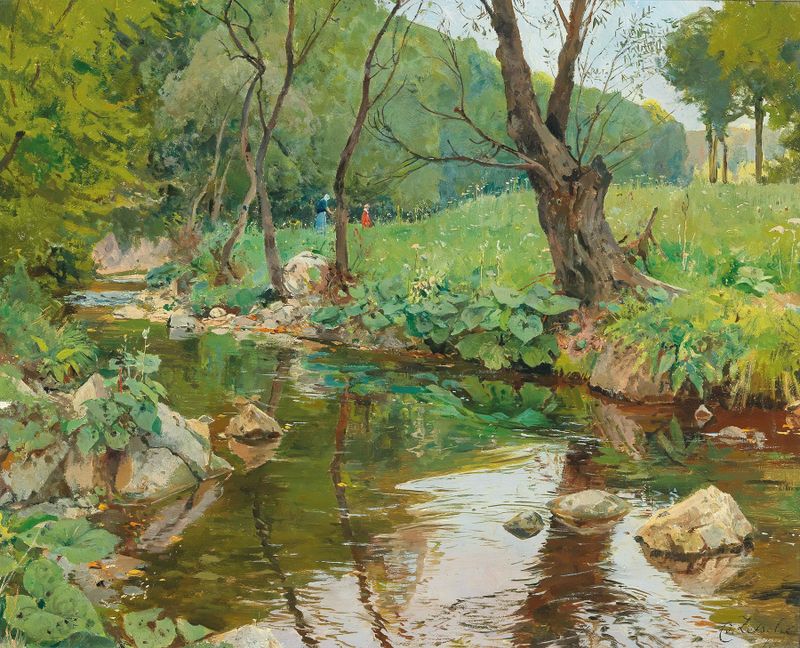
In the Sattelbach near Heiligenkreuz
Eduard Zetsche





