
Waldpartie mit Bachlauf — History & Facts
How does the delicate interplay of nature and memory shape our perception of tranquility? Look to the left at the glistening brook, its crystalline water winding through a verdant landscape. Notice how soft brushstrokes create a mosaic of greens and browns, inviting the viewer to step into a serene woodland retreat. The dappled sunlight filters through the treetops, illuminating patches of wildflowers and casting gentle shadows that suggest a breath of wind.
Each detail is meticulously rendered, yet the composition feels spontaneous, evoking the timeless dance of nature itself. The painting resonates with deeper emotional undertones, suggesting both a fleeting moment and a timeless landscape. The brook’s gentle flow contrasts with the solidity of the surrounding trees, symbolizing the ephemeral nature of memory amidst the enduring elements of life. The vibrant colors juxtaposed with the cool tones of the water evoke feelings of nostalgia, as if the viewer is invited to reminisce about quiet moments spent in the embrace of nature, where time falters and peace reigns. In 1877, Eduard Zetsche painted Waldpartie mit Bachlauf while living in Germany, at a time when the Romantic movement was flourishing and artists sought to capture the beauty of the natural world.
This piece reflects his dedication to plein air painting, a practice that emphasized capturing the essence of landscapes directly from observation. As an artist, Zetsche was influenced by the tranquility and complexity of the countryside, striving to translate these experiences into visual poetry.
More Artworks by Eduard Zetsche
Browse all →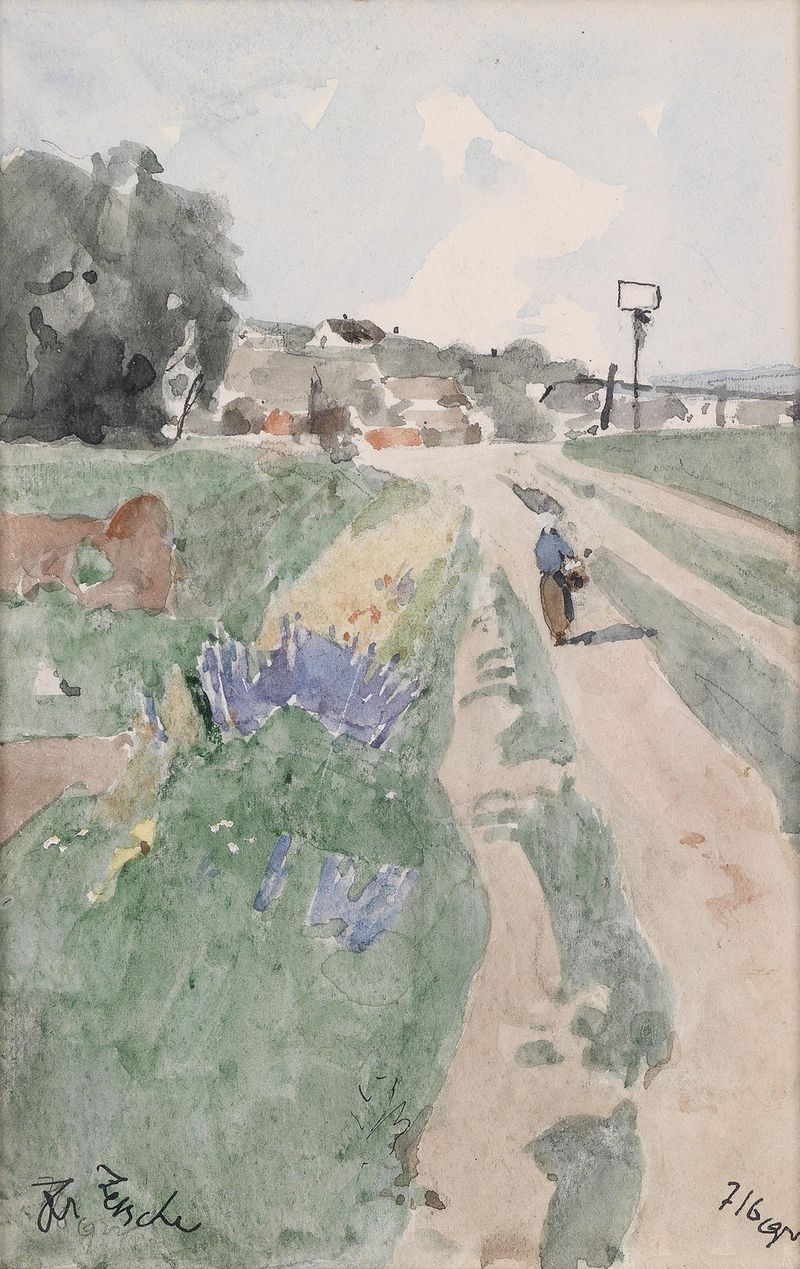
Weg bei Hadersdorf
Eduard Zetsche
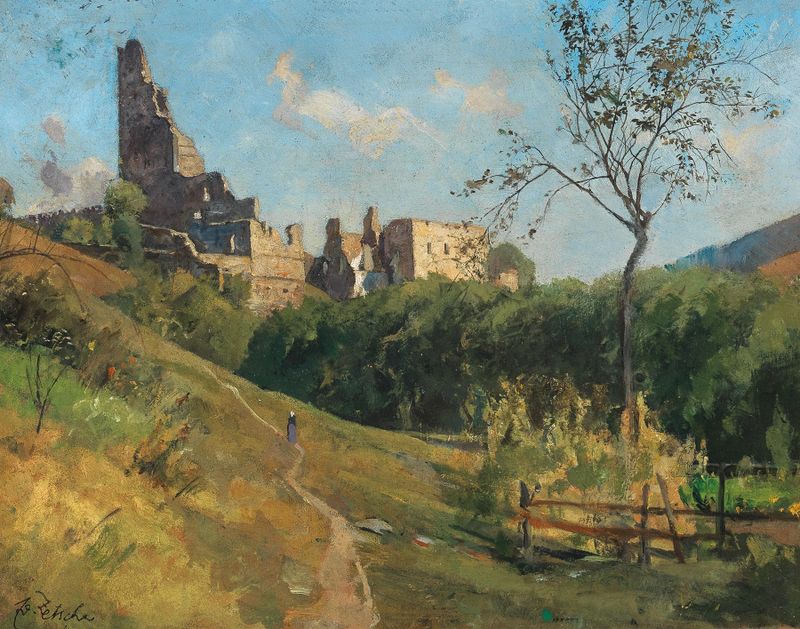
Ruins in the Wachau region
Eduard Zetsche
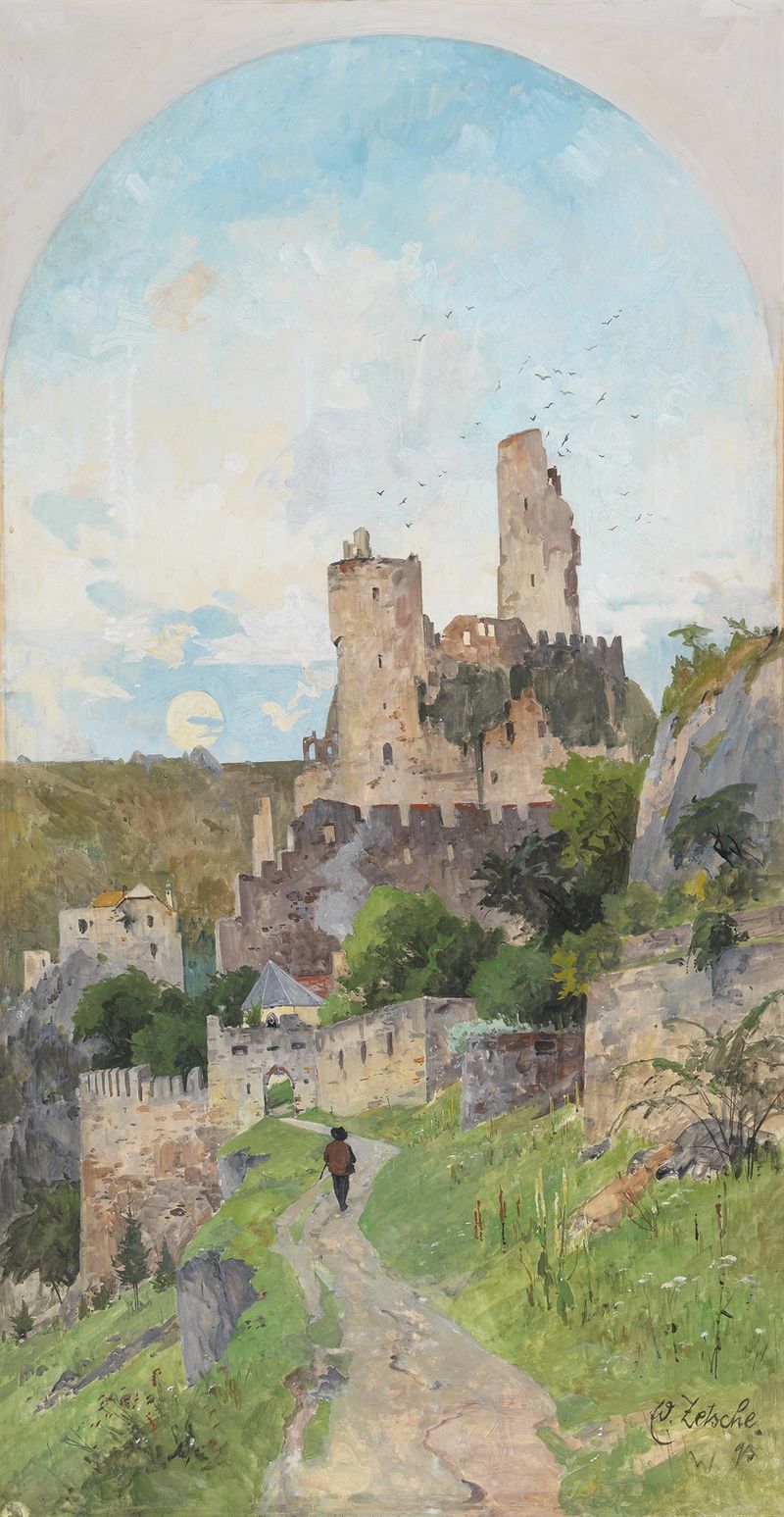
Blick auf die Ruine Dürnstein
Eduard Zetsche
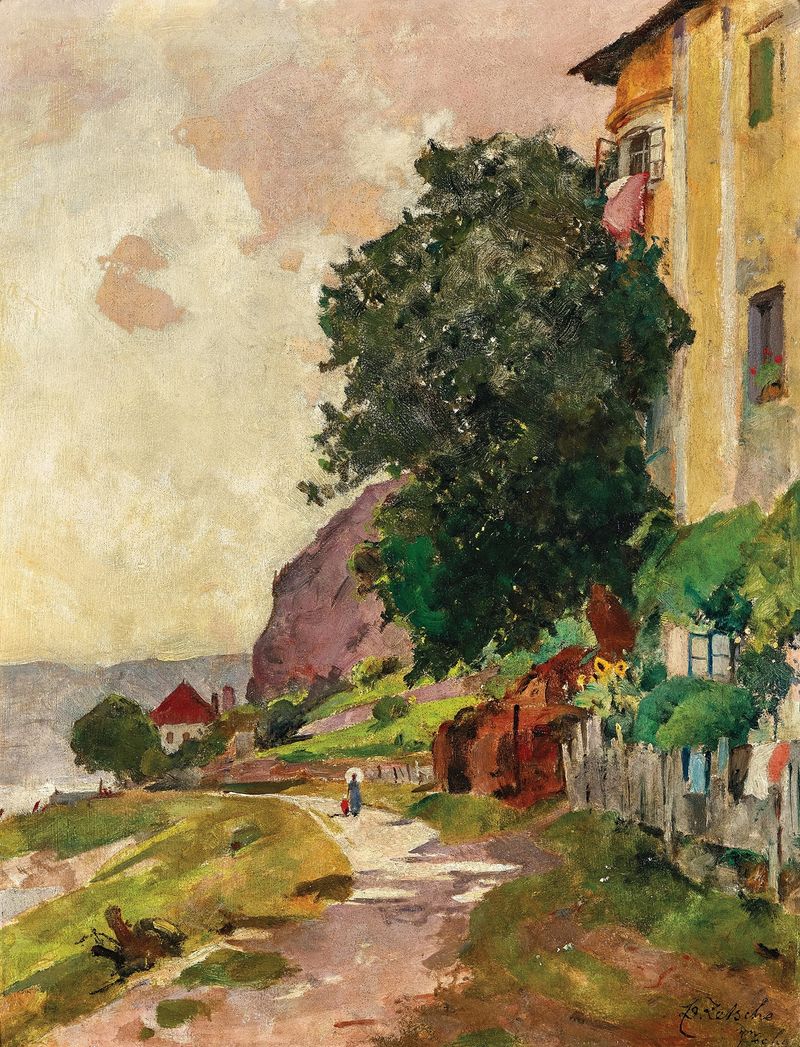
Beim Förthof, Ramsau
Eduard Zetsche
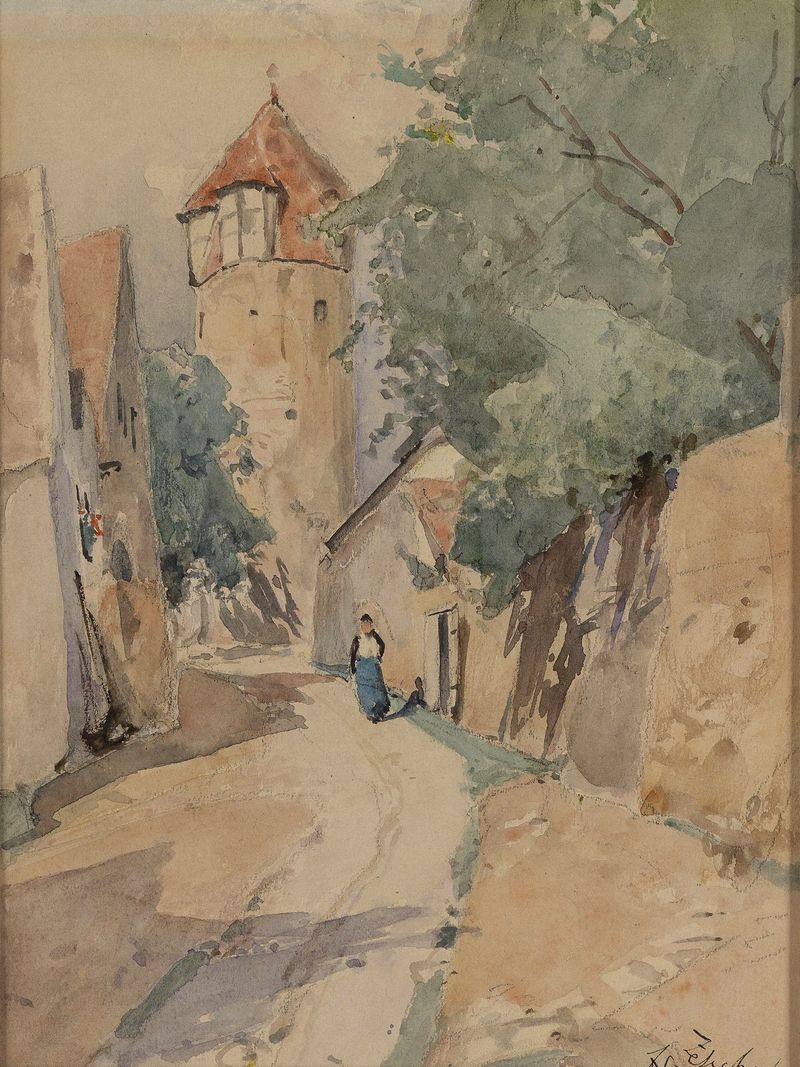
Sulzbach
Eduard Zetsche

Praterpartie
Eduard Zetsche
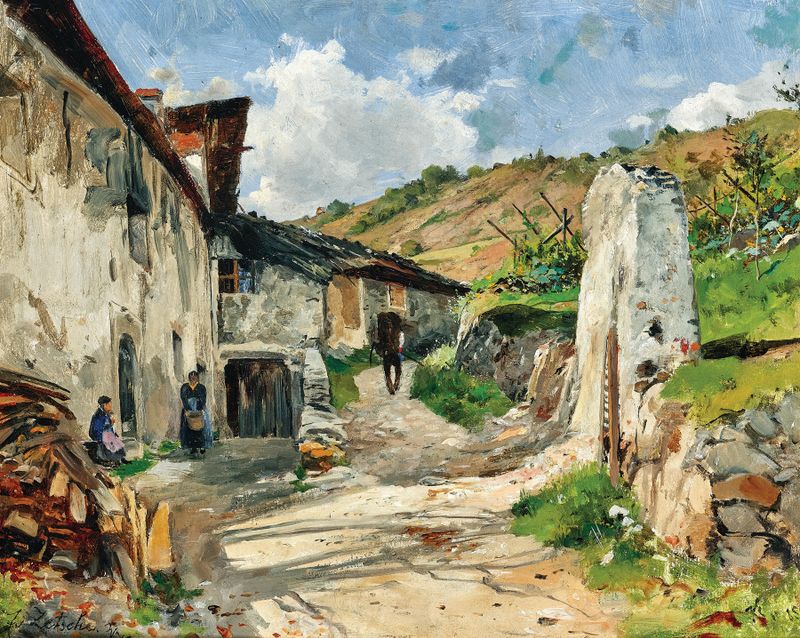
Wachau region, a path to a vineyard near a village
Eduard Zetsche

Motiv bei Lichtenwörth
Eduard Zetsche
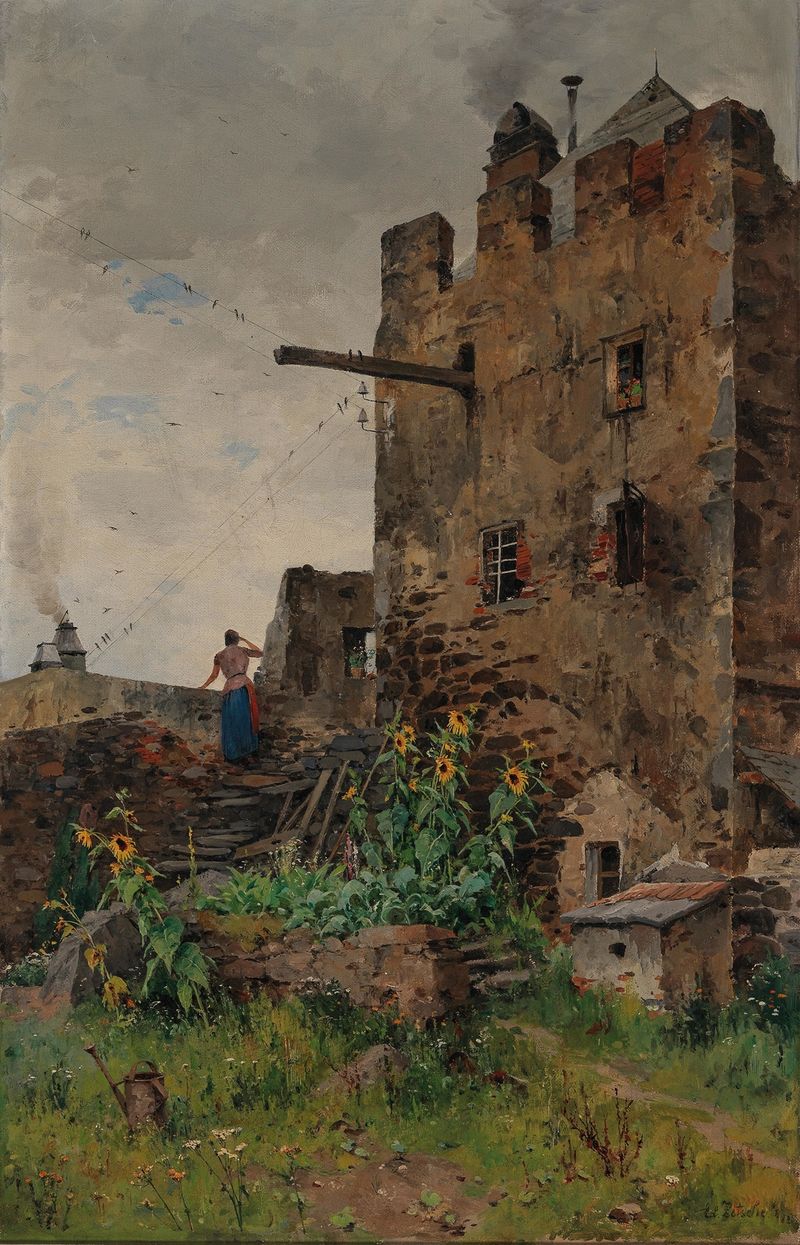
Wachau, Scene of Dürnstein, by the Old Town Wall
Eduard Zetsche
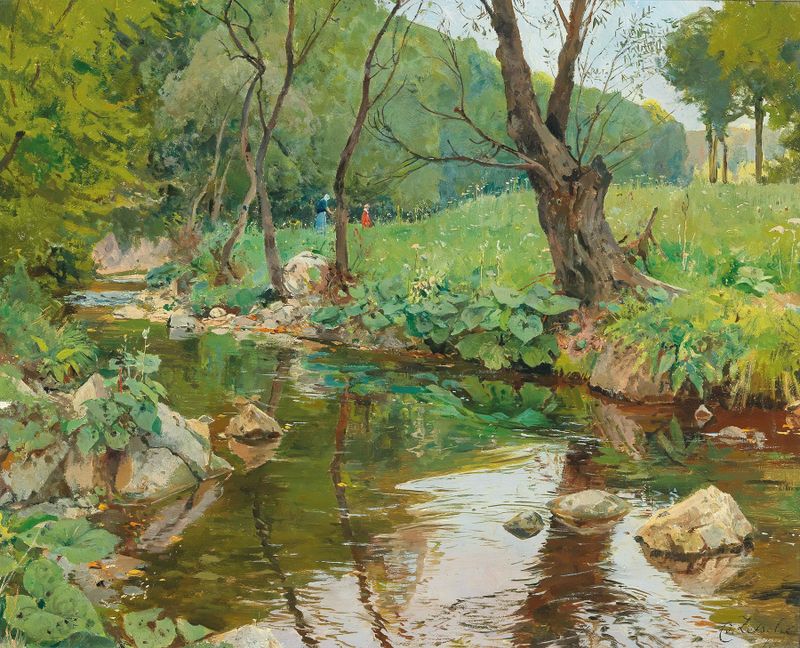
In the Sattelbach near Heiligenkreuz
Eduard Zetsche





