
Blick auf Gmunden — History & Facts
Who listens when art speaks of silence? In the tranquil embrace of Blick auf Gmunden, the viewer is invited to ponder the legacy of stillness that stretches across time. Focus on the lush greenery that rises gently from the foreground, guiding your gaze toward the horizon where the village lies nestled against the serene lake. Notice how the soft blues and greens harmonize, inviting a sense of peace, while the delicate brushstrokes evoke the gentle ripples of water. The interplay of light and shadow creates a dynamic tension, suggesting the passage of day into dusk, as the sky transforms into a warm palette of soft pastels. Beneath the calming surface, the painting resonates with deeper meanings of transience and continuity.
The stillness of the lake reflects not only the landscape but also the fleeting moments of life, capturing a snapshot that feels both eternal and ephemeral. The presence of the distant mountains looms as a silent witness, their grandeur contrasting with the intimate village scene, speaking to human endeavor amidst nature’s vastness. Created in 1872, Blick auf Gmunden emerged from Josef Höger’s brush during a period when artists were increasingly captivated by the natural world and its ability to convey emotion. Living and working in Austria, he was influenced by the Romantic movement, which sought to celebrate the beauty and emotional depth of landscapes.
This artwork stands as a testament to that artistic legacy, reflecting both personal vision and broader cultural shifts toward nature’s portrayal in art.
More Artworks by Josef Höger
Browse all →
The Lauterbrunnen valley with Jungfrau
Josef Höger

A view of Bad Aussee
Josef Höger

Ländliche Idylle
Josef Höger
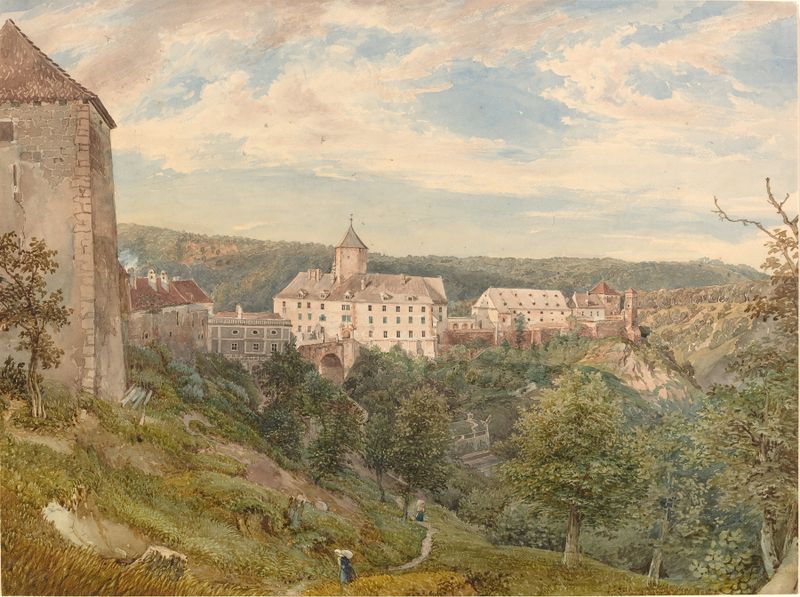
Eichhorn Castle at Evening
Josef Höger
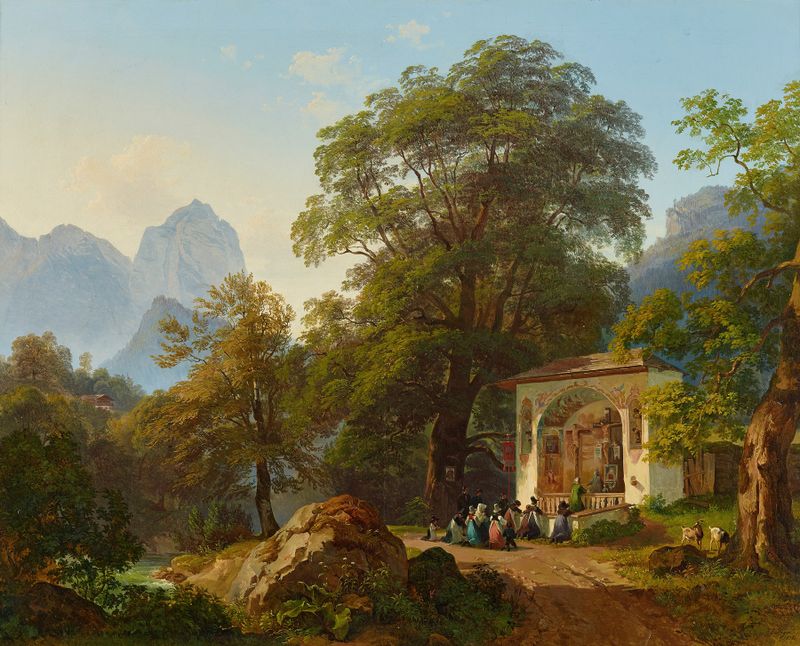
Waldkapelle
Josef Höger

Venice
Josef Höger

Waldinneres bei Lundenburg
Josef Höger

Landscape with Thatched Farmhouses and decorative figures
Josef Höger
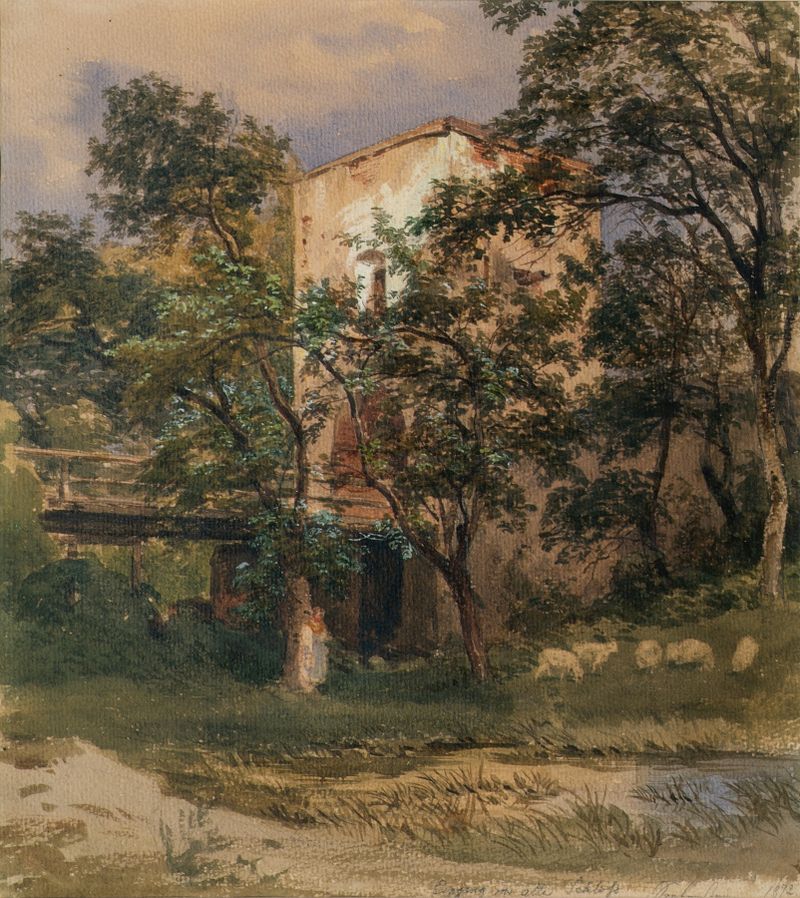
Eingang zum Schloss Seebenstein
Josef Höger

Gardasee
Josef Höger





