
Waldkapelle — History & Facts
What if beauty was never meant to be finished? The question lingers like the shadows that swirl around the edges of Waldkapelle, evoking a sense of mystery and reverence in an unfinished world. Look to the foreground to observe the chapel, its rustic wooden beams glowing softly in the dappled light that filters through the dense forest canopy. Notice how the warm browns and rich greens compose a harmonious palette, inviting the viewer into this tranquil sanctuary. The light casts intricate patterns on the ground, revealing the delicate interplay between shadow and illumination, while the subtle brushwork captures the texture of the foliage and the sturdy walls of the chapel. As you delve deeper, reflect on the contrasts presented: the stillness of the chapel against the vibrant life of the surrounding nature.
The shadows cradle the structure, suggesting not only protection but also the inevitability of decay and the passage of time. Each detail, from the weathered wood to the flickering light, hints at a dialogue between permanence and transience, where beauty exists in the balance of light and dark. In 1835, while working on this piece, the artist was immersed in the Romantic movement, exploring themes of nature and spirituality in an era marked by rapid industrialization. Created in the lush landscape of the Austrian countryside, Waldkapelle reflects a longing for simplicity and connection to the divine, resonating with Höger's personal journey as he sought to capture the ethereal beauty of his surroundings amid the chaos of change.
More Artworks by Josef Höger
Browse all →
The Lauterbrunnen valley with Jungfrau
Josef Höger

A view of Bad Aussee
Josef Höger

Ländliche Idylle
Josef Höger
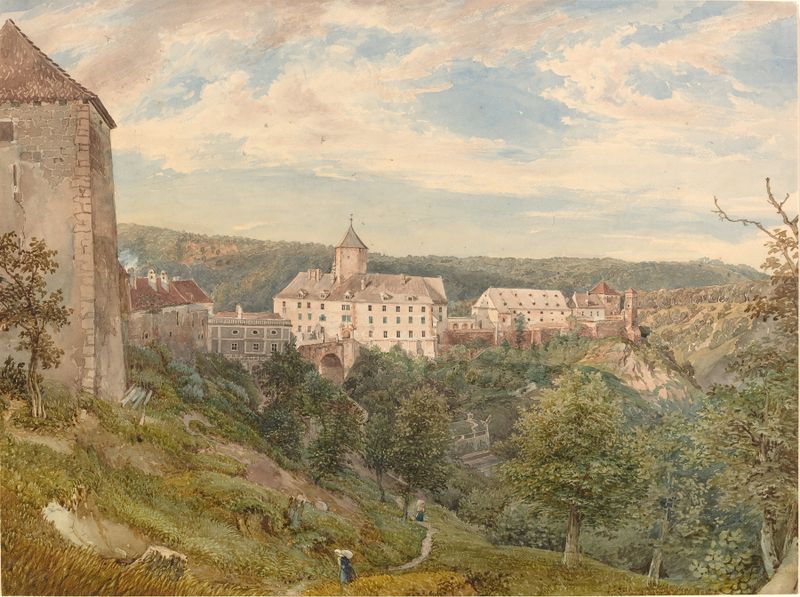
Eichhorn Castle at Evening
Josef Höger

Blick auf Gmunden
Josef Höger

Venice
Josef Höger

Waldinneres bei Lundenburg
Josef Höger

Landscape with Thatched Farmhouses and decorative figures
Josef Höger
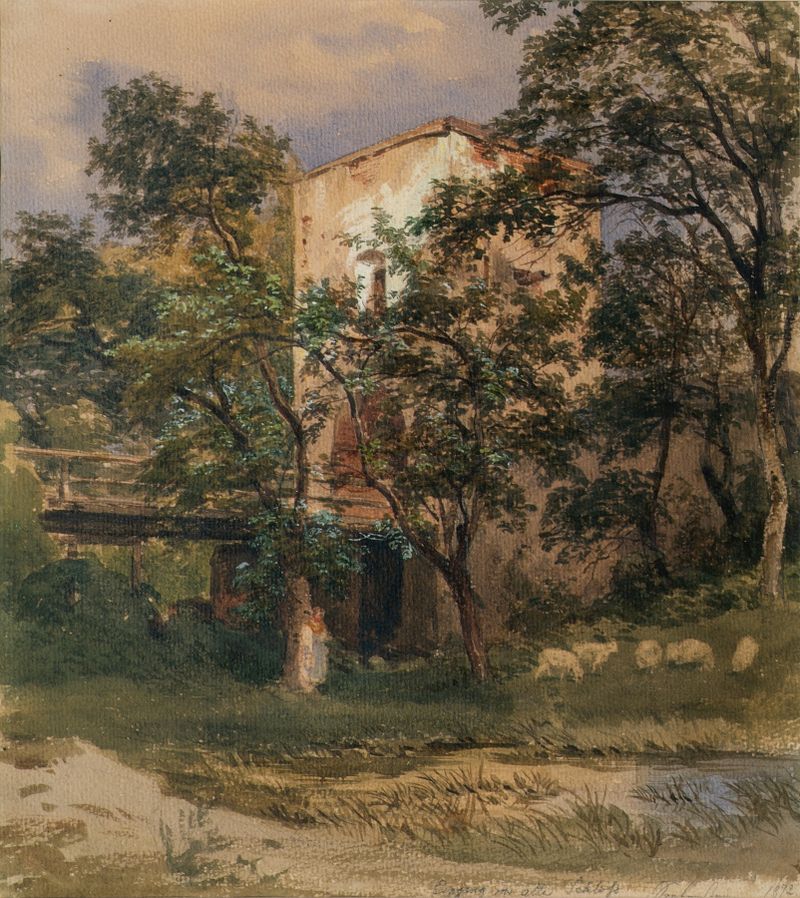
Eingang zum Schloss Seebenstein
Josef Höger

Gardasee
Josef Höger





