
Blick auf Klagenfurt vor den Bergzügen der Karawanken — History & Facts
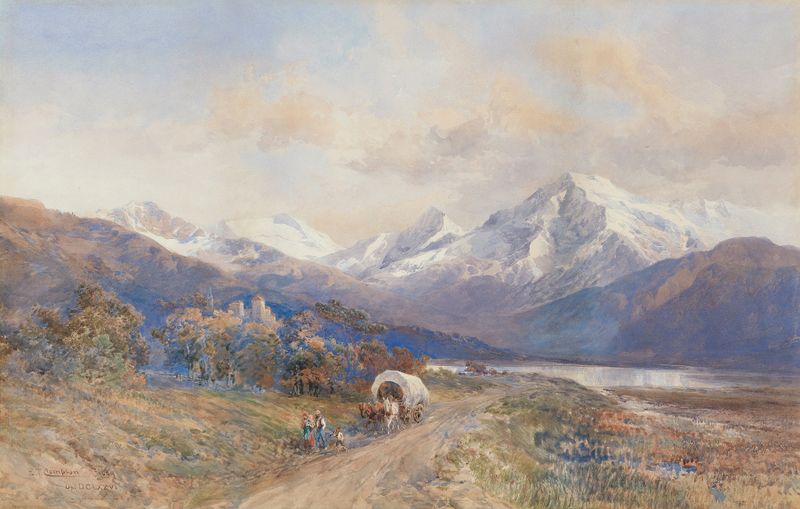
Is this a mirror — or a memory? In Edward Theodore Compton's Blick auf Klagenfurt vor den Bergzügen der Karawanken, the viewer is invited to traverse the boundary between the past and the present, where nostalgia infuses each brushstroke with longing and reflection. Look to the left at the serene waters of the lake, perfectly mirroring the distant silhouette of the Karawanken mountains. The soft blues and greens blend seamlessly, creating a tranquil harmony that draws the eye inward. Notice how radiant sunlight dances upon the surface, illuminating the vibrant hues, while the delicate strokes of the sky hint at a gentle breeze.
This carefully constructed composition balances natural beauty with artistic precision, revealing Compton's mastery of landscape. As the scene unfolds, subtle contrasts emerge. The lively foreground brimming with flora speaks of life and vitality, yet the looming mountains in the background evoke a sense of permanence and solitude. This juxtaposition elicits a bittersweet tension—wonder at the beauty of the scene, tempered by an awareness of transience.
The play of light and shadow further enhances this emotional depth, reflecting the complexities of memory and yearning. In 1912, Compton painted this work amidst a period of significant personal and artistic development. Living in Germany yet deeply connected to his British heritage, he sought to capture the landscapes that shaped his identity. His exploration of natural scenes coincided with the broader art movements of the time, which celebrated the emotional resonance of the environment.
In this piece, Compton not only depicts a view but also encapsulates a shared human experience—the profound connection between place and memory.
More Artworks by Edward Theodore Compton
Browse all →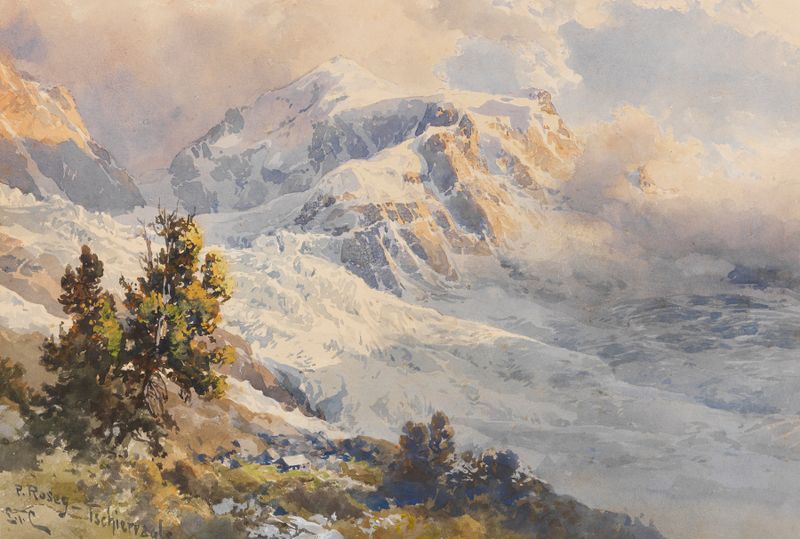
Piz Roseg – Tschiervagletscher
Edward Theodore Compton
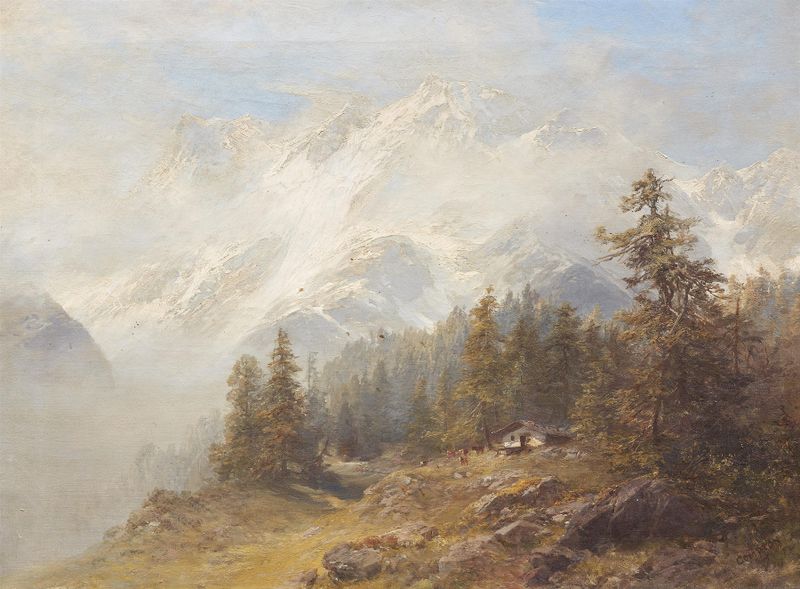
Alpenlandschaft vor schneebedecktem Massiv
Edward Theodore Compton
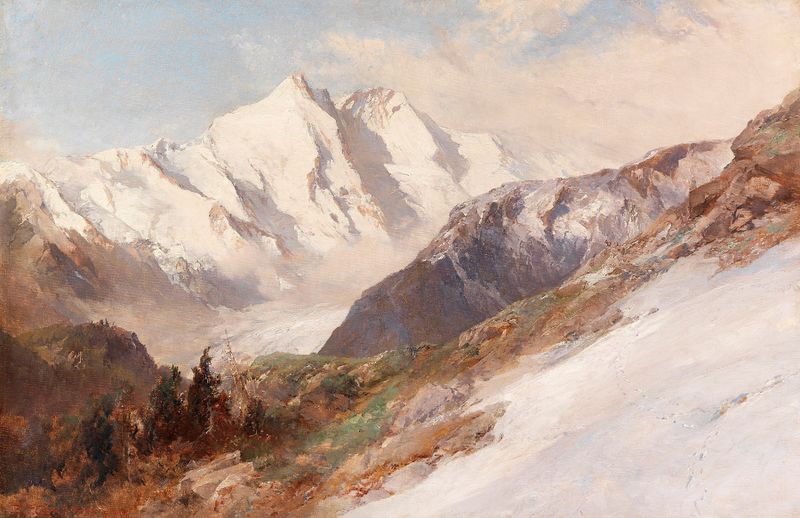
Blick auf die Nordseite des Großglockners
Edward Theodore Compton
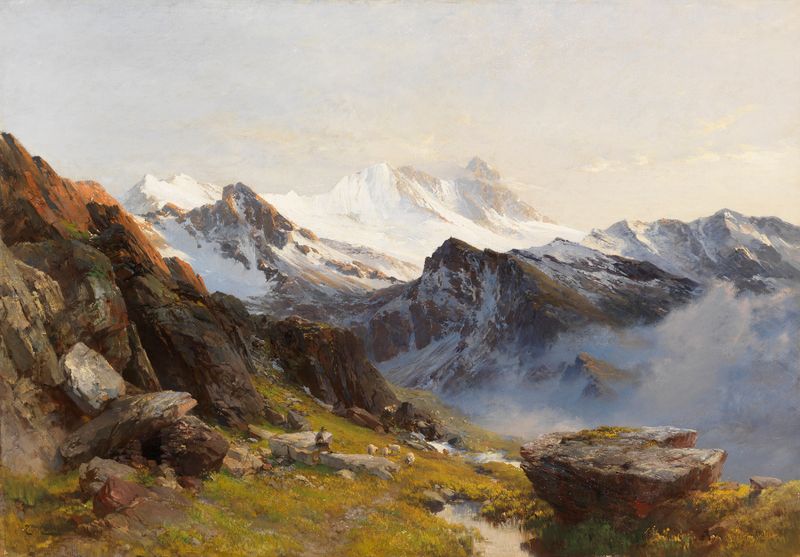
Großglockner von der Prager Hütte aus, früh
Edward Theodore Compton
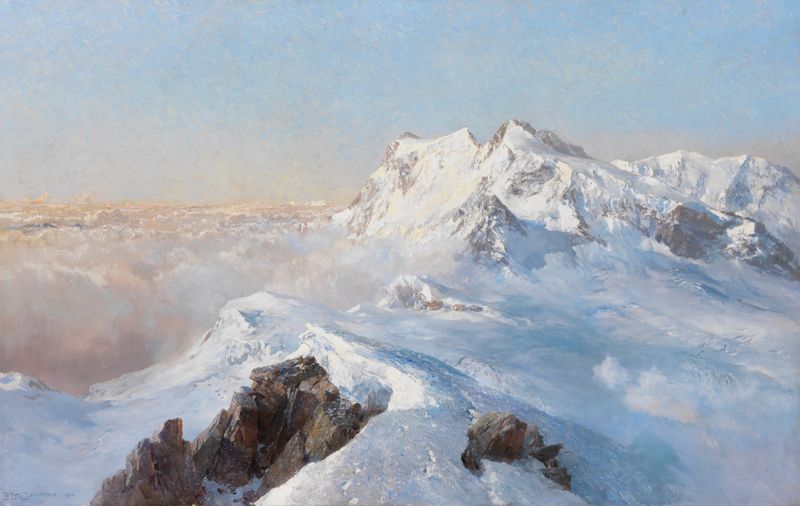
Über dem Nebelmeer (Monte Rosa vom Rimpfischhorn)
Edward Theodore Compton
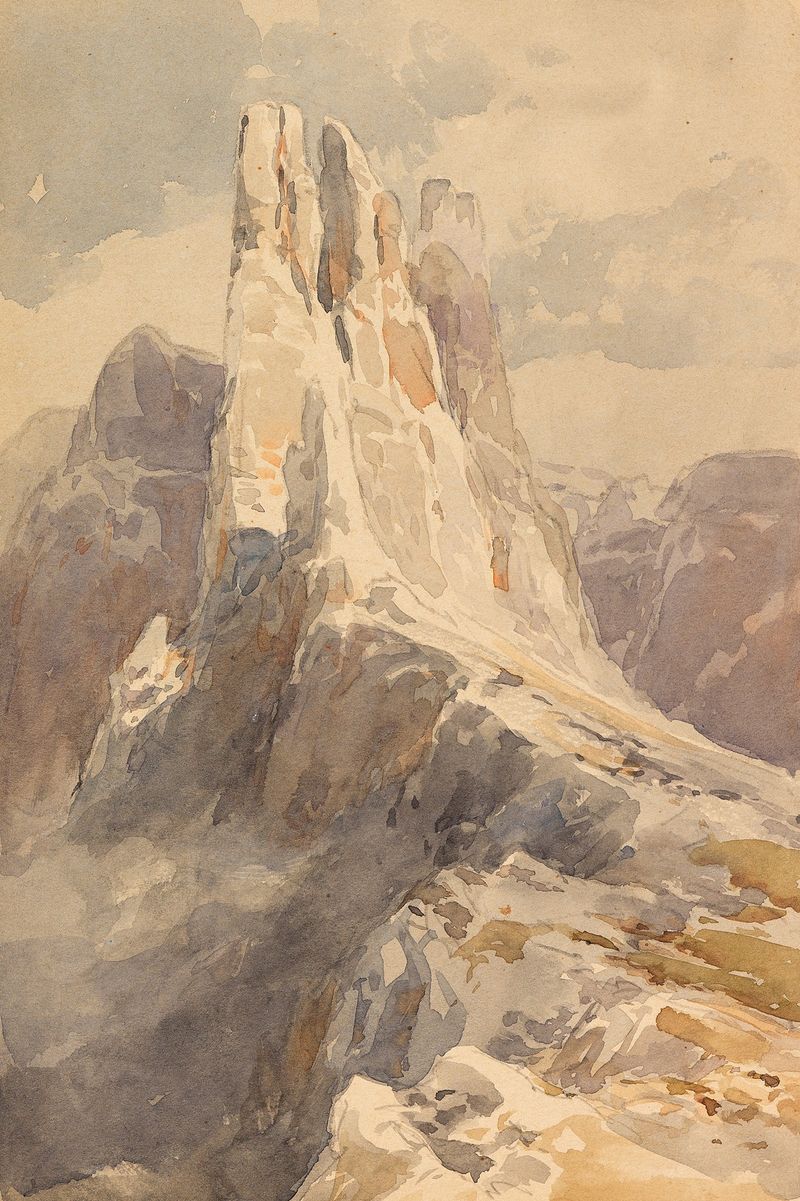
Blick auf die Vajolet-Türme in den Dolomiten
Edward Theodore Compton
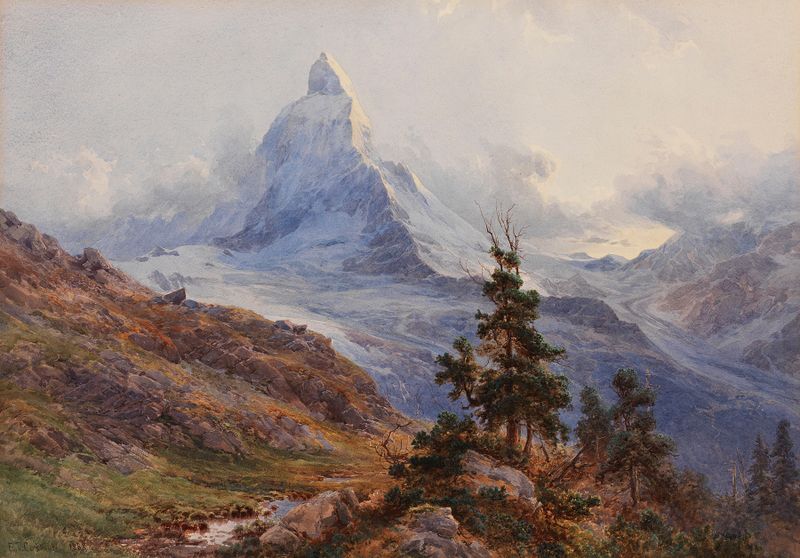
View of the Matterhorn
Edward Theodore Compton
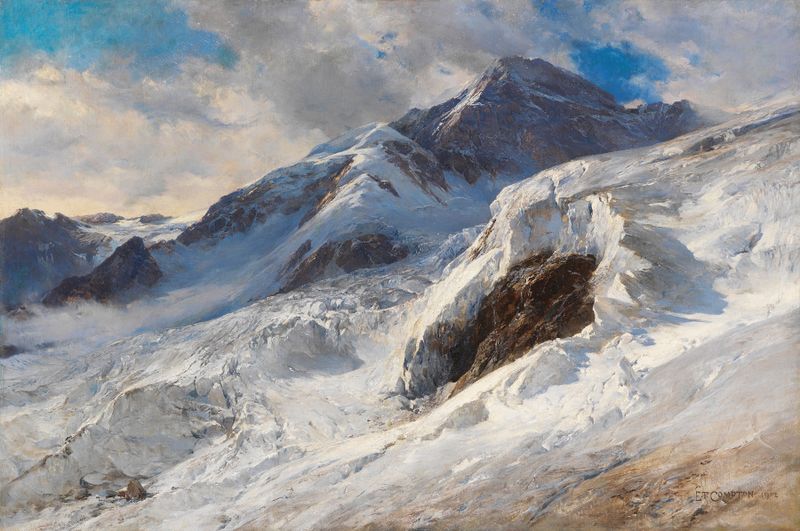
Lyskamm (Monte-Rosa)
Edward Theodore Compton
Blick auf den Ortler von St. Valentin
Edward Theodore Compton
Das Matterhorn von der Triftkumme
Edward Theodore Compton





