
Blick auf Subiaco — History & Facts
Could beauty survive in a century of chaos? This poignant question lingers as you gaze upon the serene landscape painted by an artist longing for connection, echoing a universal yearning for solace amidst life’s turmoil. Look to the left at the gentle slope of the hills, where vibrant greens blend into soft, sunlit yellows. The pathway, inviting yet undefined, draws the eye through the tranquil scene, leading to a small village nestled beneath a vast sky. Notice how the light dapples the landscape, illuminating the delicate textures of the trees and the quaint rooftops, creating a harmony that encapsulates both peace and nostalgia.
The softness of the palette suggests a moment suspended in time, where warmth and tranquility reign. As you delve deeper, consider the contrast between the idyllic setting and the underlying current of isolation. The expansive sky, though beautiful, feels vast and lonely, while the scattered homes hint at human presence yet evoke a sense of separation. This tension reflects a longing for belonging, a desire to connect with nature and community that resonates with our own experiences.
Each brushstroke seems to whisper stories of those who once occupied this space, a gentle reminder of life’s impermanence. In 1884, Gustaf Wilhelm Palm created Blick auf Subiaco in Sweden, a time marked by significant shifts in the art world and society. The movement toward Impressionism was gaining momentum, fostering a new appreciation for capturing the fleeting moments of light and atmosphere. Palm, influenced by this evolution, sought to express his own reflections on beauty and yearning, capturing both the serene landscapes of his homeland and the deeper emotional landscapes of the human experience.
More Artworks by Gustaf Wilhelm Palm
Browse all →
Venice, View Of The Rialto Bridge
Gustaf Wilhelm Palm
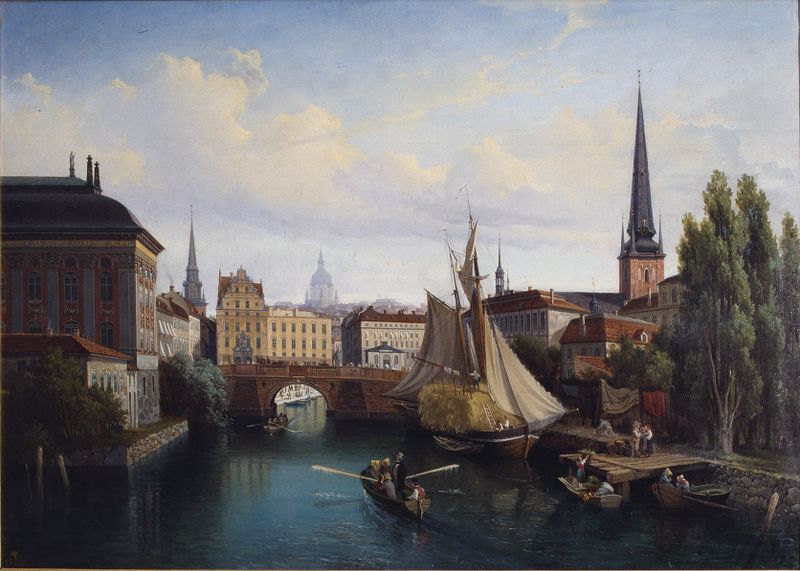
View of the Riddarholmskanalen, Stockholm, 1835
Gustaf Wilhelm Palm

In the Park, Frascati
Gustaf Wilhelm Palm

View of Canal Grande in Venice
Gustaf Wilhelm Palm
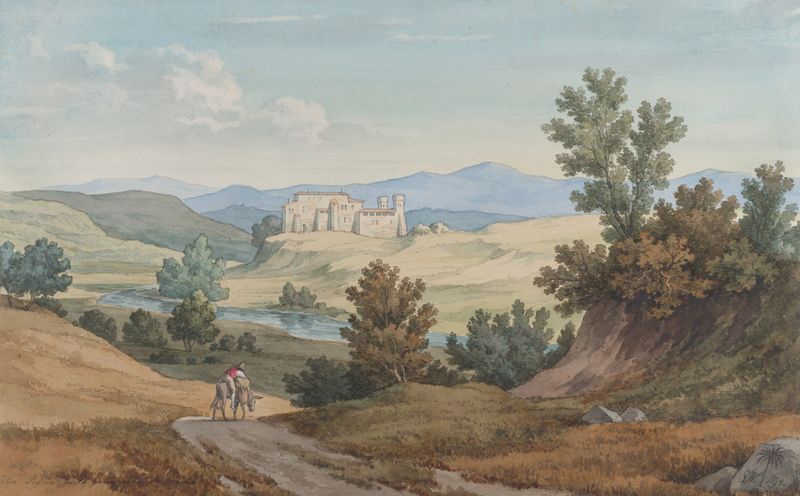
The Villa Pasino
Gustaf Wilhelm Palm
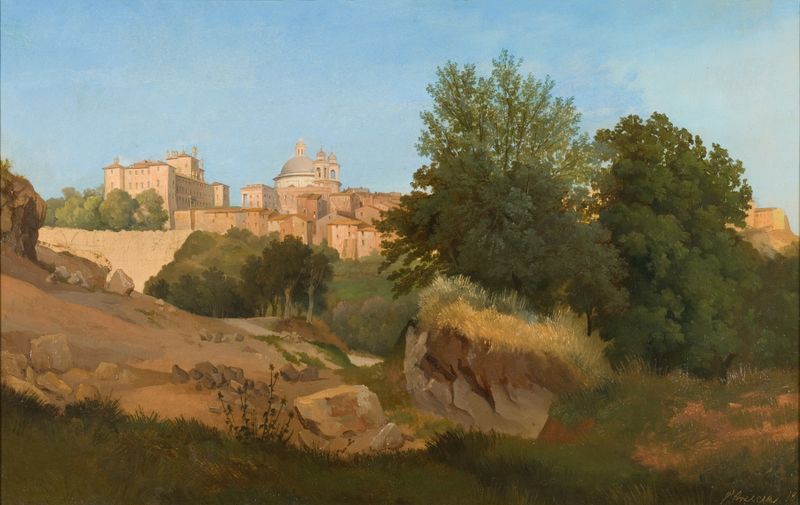
View of Ariccia
Gustaf Wilhelm Palm
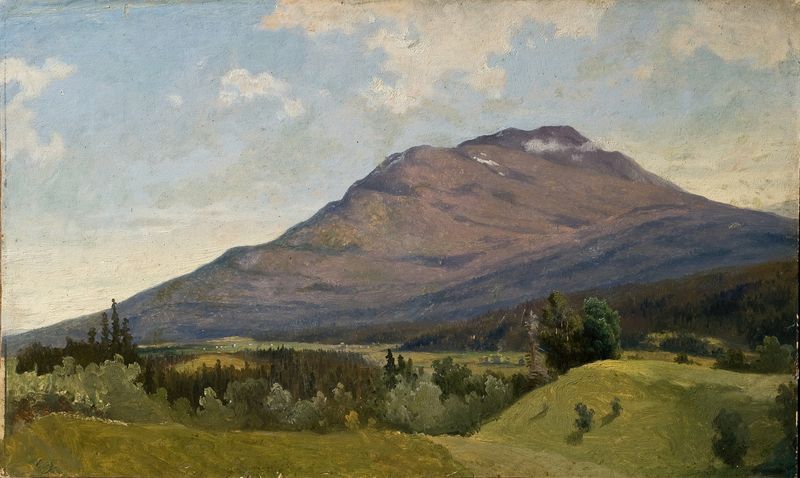
Summer Landscape with Mountain
Gustaf Wilhelm Palm

View of Rome with the Colosseum. Study
Gustaf Wilhelm Palm

View from the Albano Mountains. Study
Gustaf Wilhelm Palm

Cypresses. Study
Gustaf Wilhelm Palm





