
Blick auf Wien von Grinzing — History & Facts
In the quiet embrace of time, moments slip away like sand through a sieve, yet they linger in hues and strokes of paint. This artwork invites contemplation of the passage of time and the memories imbued within layers of color, each whispering tales of a bygone era. Focus on the sweeping horizon where the gentle undulations of Vienna collide with a sky brushed in soft pastels. Look closely at the delicate interplay of light on the rooftops, illuminating the city’s architectural elegance, while shadows dance on the hills, creating a rhythm that echoes the city’s pulse.
The artist’s meticulous choice of colors not only captures the landscape's beauty but also evokes an emotional resonance, suggesting serenity and nostalgia. Notice the contrast between the vibrant life of the city and the tranquil hills that cradle it, where the ascent to higher ground symbolizes a longing for transcendence. The blending of vibrant greens with the warm tones of terracotta roofs illustrates a harmony that exists within nature and civilization. Each element tells a story, hinting at the lives lived beneath the vast sky, evoking both a sense of belonging and fleeting moments that float away like clouds. Karl Joseph Aloys Agricola painted Blick auf Wien von Grinzing in 1824 during a time when Romanticism was flourishing in Europe, reflecting a deep appreciation for nature and emotion.
He was immersed in the cultural currents of Vienna, where art was evolving, and a sense of national pride began to take shape. This piece embodies the artist's connection to his environment and serves as a testament to the beauty of his surroundings during a pivotal era.
More Artworks by Karl Joseph Aloys Agricola
Browse all →
Die Donau mit der alten Reichsbrücke
Karl Joseph Aloys Agricola
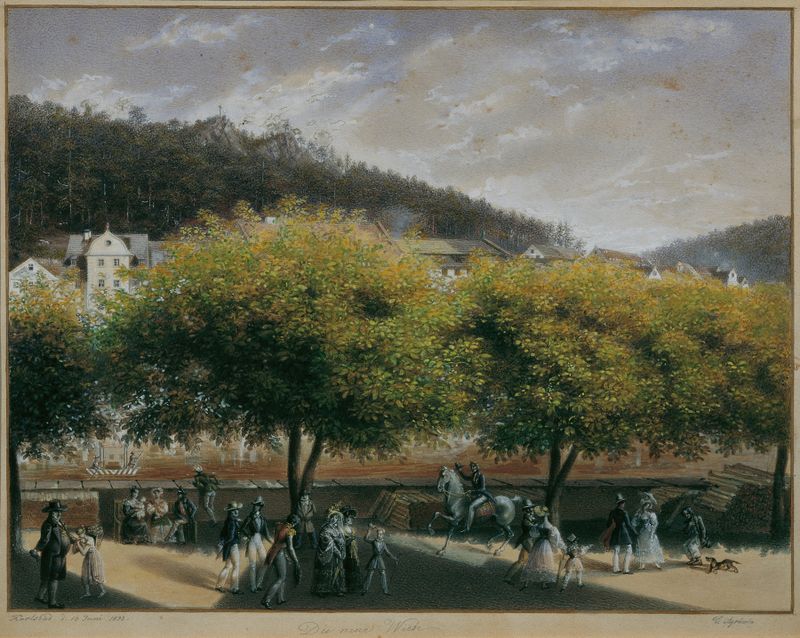
Die neue Wiese in Karlsbad
Karl Joseph Aloys Agricola
Die neue Wiese in Karlsbad
Karl Joseph Aloys Agricola
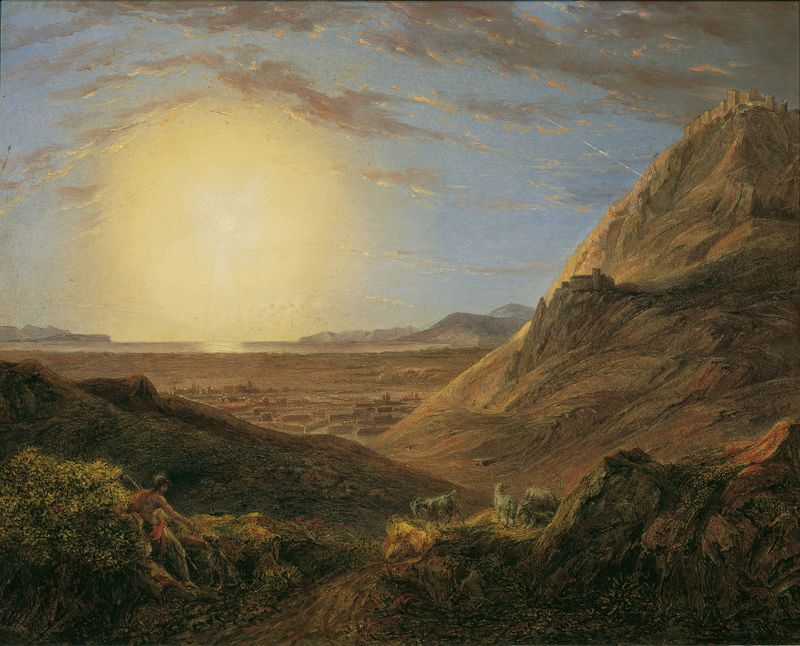
Athen nach Sonnenaufgang
Karl Joseph Aloys Agricola

Baumlandschaft mit Familie und Kindern
Karl Joseph Aloys Agricola
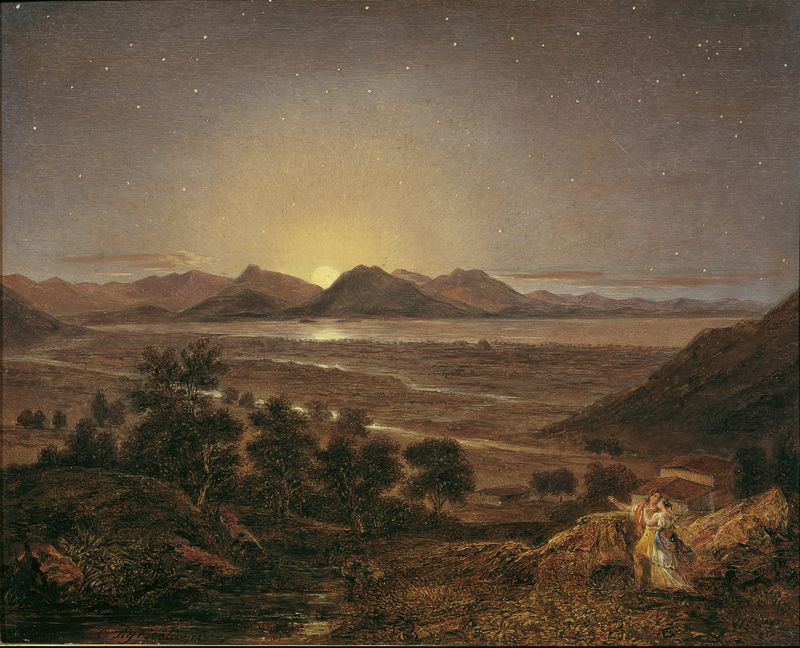
Marathon bei Mondbeleuchtung
Karl Joseph Aloys Agricola





