
Marathon bei Mondbeleuchtung — History & Facts
In the quiet depths of night, where dreams intermingle with reality, a race unfolds under a silvery moon. Shadows stretch and blend, creating an ethereal atmosphere that blurs the lines between the tangible and the imagined. Look to the center of the canvas where the athletes, caught in dynamic motion, pulse with energy against the backdrop of a tranquil, moonlit sky. The subtle chiaroscuro effects emphasize the muscular forms of the runners, casting elongated shadows that dance along the ground.
Notice how the delicate hues of blue and silver create a dreamlike quality, while the rich earth tones anchor the scene, grounding the viewer amidst the night’s surrealism. Yet, this artwork is more than a mere depiction of a race; it embodies the contrast between the fervor of human ambition and the stillness of nature. The moon, a silent observer, watches over the participants, suggesting an almost mythical quality to their endeavor. The tension in the runners’ expressions reflects a personal struggle, as if each one is racing not just against each other, but against their own limitations, illuminated by celestial light. In 1829, Agricola painted this piece during a time when Romanticism flourished in Europe, emphasizing emotion and the sublime.
He was deeply influenced by the natural world and the human experience, as the Industrial Revolution began to reshape society. This period marked a growing interest in the interplay between light and shadow, and Agricola’s work exemplifies this exploration, marrying athletic vigor with the transcendent quality of night.
More Artworks by Karl Joseph Aloys Agricola
Browse all →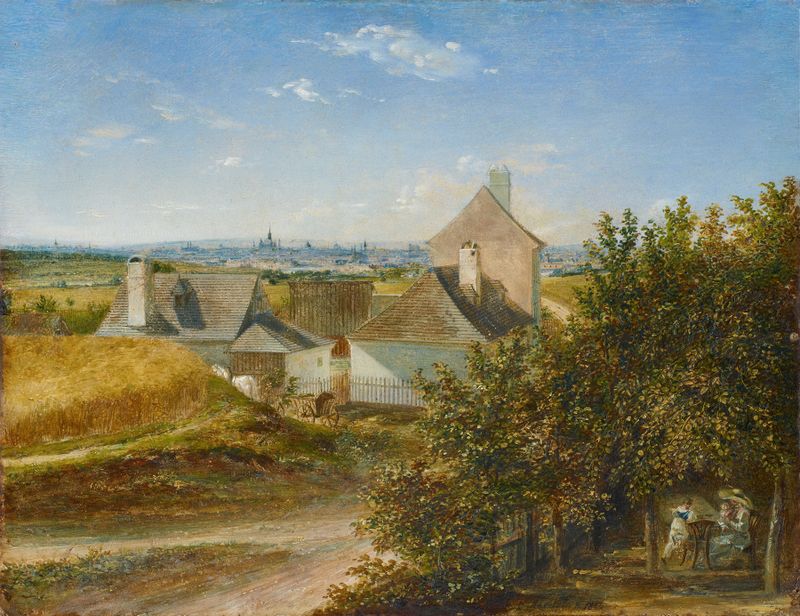
Blick auf Wien von Grinzing
Karl Joseph Aloys Agricola

Die Donau mit der alten Reichsbrücke
Karl Joseph Aloys Agricola
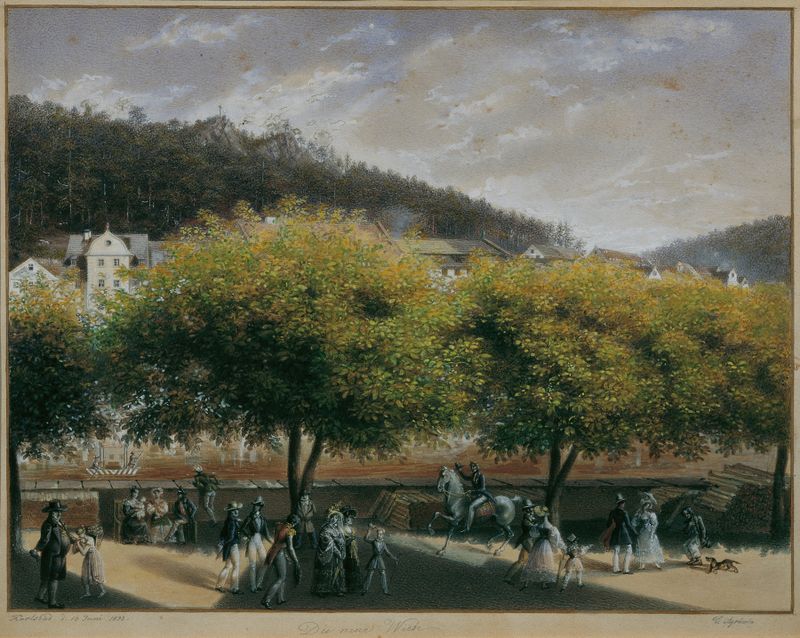
Die neue Wiese in Karlsbad
Karl Joseph Aloys Agricola
Die neue Wiese in Karlsbad
Karl Joseph Aloys Agricola
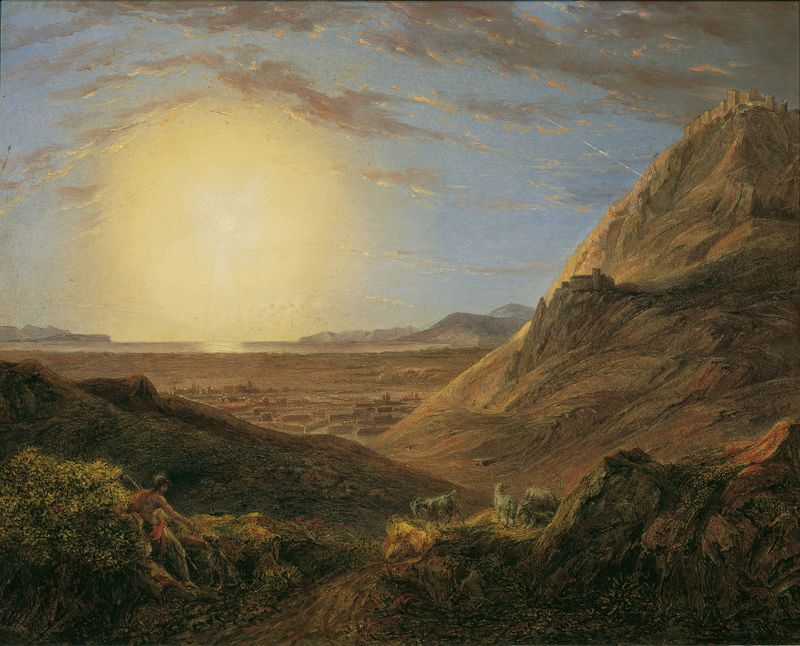
Athen nach Sonnenaufgang
Karl Joseph Aloys Agricola

Baumlandschaft mit Familie und Kindern
Karl Joseph Aloys Agricola





