
Die neue Wiese in Karlsbad — History & Facts
Is this a mirror — or a memory? Shadows stretch and intertwine on the canvas, evoking a sense of mystery that beckons viewers to peer deeper into their own reflections. Look to the center of the painting where the soft greens of the grass cradle the shadow of a solitary figure, perhaps a wanderer or a dreamer. The delicate brushwork creates a gentle interplay of light and shade, with dappled sunlight filtering through the trees, casting fleeting patterns that seem to dance upon the ground. Notice how Agricola masterfully utilizes a muted palette punctuated by hints of vibrant color, drawing the eye toward the subtle contours of the landscape and the figure who inhabits it. Yet, as you explore further, contrasts emerge.
The starkness of the figure's shadow against the lively surroundings speaks to the theme of solitude amidst nature’s abundance. There's an emotional tension between the vibrancy of life and the stillness of the individual, suggesting a moment frozen in time — a fleeting encounter between existence and introspection. Perhaps it invites thoughts of the past, echoing the memories that shape us, while simultaneously reminding us of the present’s transience. In 1833, Agricola painted this work during a period when Romanticism was influencing German art, emphasizing nature and individualism.
Living in Karlsbad, a spa town known for its scenic beauty, he was inspired by the natural landscapes and the emotional depths they could convey. This painting reflects not only a personal exploration but also the prevalent artistic shifts of the time, capturing the essence of a burgeoning Romantic spirit intertwined with the tranquil beauty of the world around him.
More Artworks by Karl Joseph Aloys Agricola
Browse all →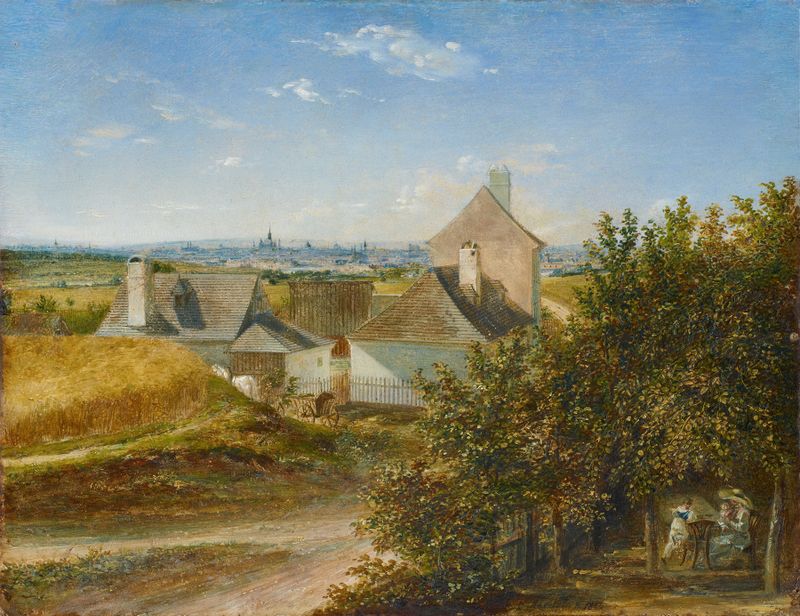
Blick auf Wien von Grinzing
Karl Joseph Aloys Agricola

Die Donau mit der alten Reichsbrücke
Karl Joseph Aloys Agricola
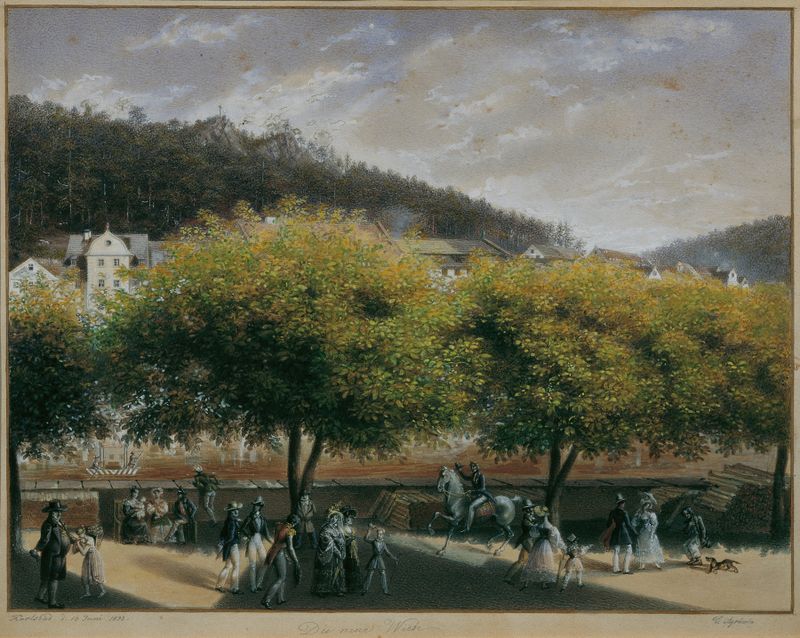
Die neue Wiese in Karlsbad
Karl Joseph Aloys Agricola
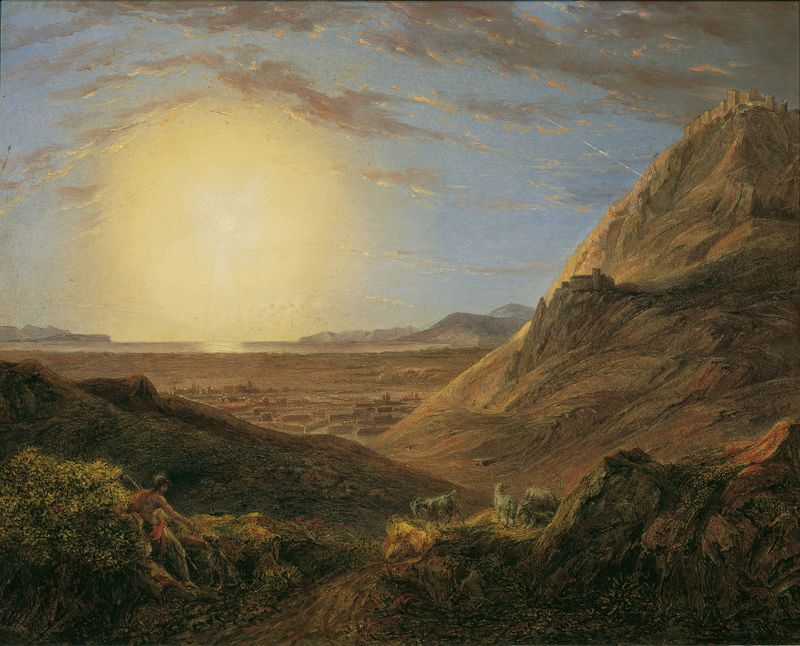
Athen nach Sonnenaufgang
Karl Joseph Aloys Agricola

Baumlandschaft mit Familie und Kindern
Karl Joseph Aloys Agricola
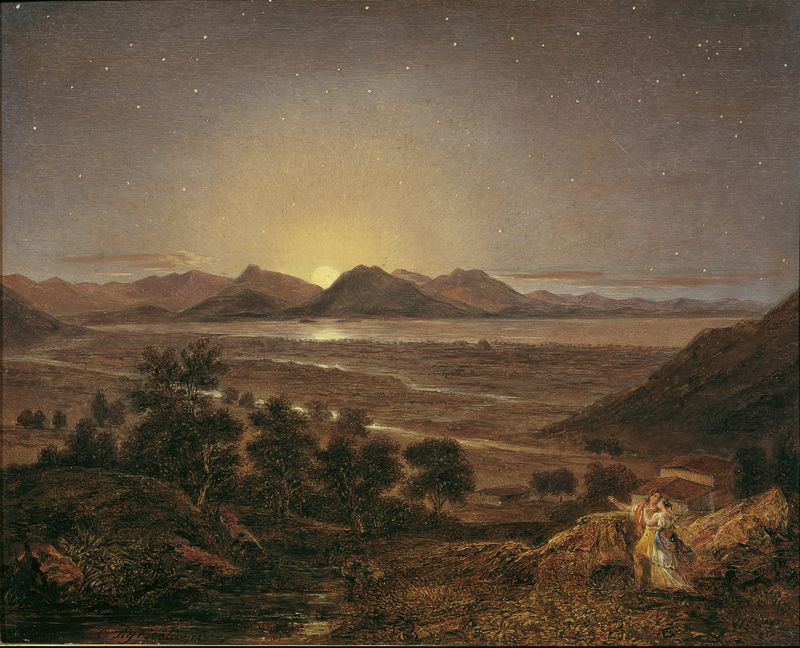
Marathon bei Mondbeleuchtung
Karl Joseph Aloys Agricola





