
Die Donau mit der alten Reichsbrücke — History & Facts
What if silence could speak through light? In Die Donau mit der alten Reichsbrücke, the quiet resonance of the landscape invites viewers into a realm of contemplation, suggesting an obsession with the ephemeral beauty of nature and manmade structures alike. Look to the center of the canvas, where the grand arch of the old imperial bridge stretches across the shimmering waters of the Danube. Soft pastels wash over the scene, blending blues and greens that evoke a sense of tranquil harmony. The brushwork is delicate, capturing the fleeting movement of the river under the caress of gentle sunlight, while the tree line frames the bridge, guiding the eye to its monumental presence.
The light, diffused yet penetrating, creates a dialogue between the vibrancy of nature and the steadfastness of architecture. Hidden within this serene landscape is a deeper tension between permanence and transience. The bridge stands as a testament to human ingenuity, yet the flowing river beneath reminds us of the relentless passage of time — a reminder that all constructs, no matter how grand, will eventually yield to nature’s embrace. The reflections cast upon the water further enhance this contrast, blurring the lines between reality and illusion, suggesting the artist's obsessive fascination with how light transforms perception. In 1822, while residing in Bavaria, Karl Joseph Aloys Agricola painted this landscape amidst a burgeoning Romantic movement that sought to capture the sublime in nature.
His work reflects both the changing tides of artistic expression and a personal exploration of the relationship between humanity and the natural world, as he endeavored to immortalize the fleeting moments that define our existence.
More Artworks by Karl Joseph Aloys Agricola
Browse all →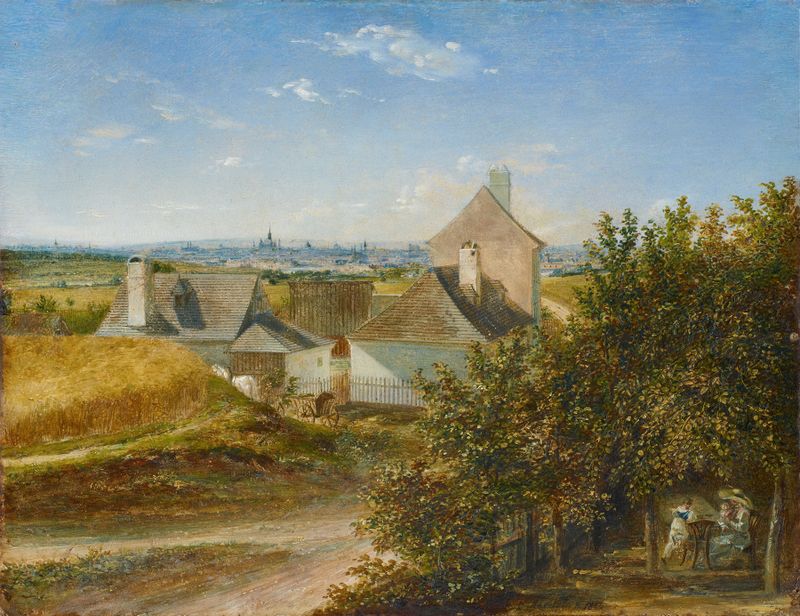
Blick auf Wien von Grinzing
Karl Joseph Aloys Agricola
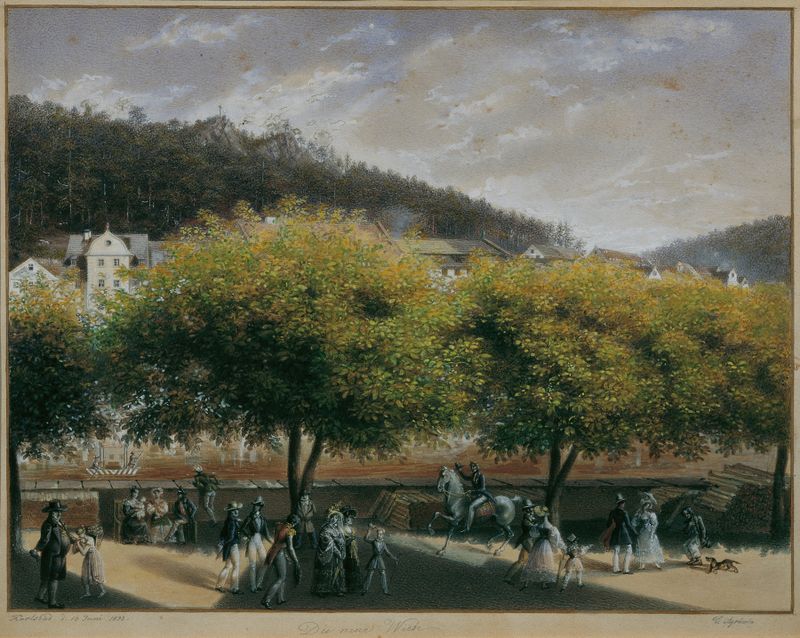
Die neue Wiese in Karlsbad
Karl Joseph Aloys Agricola
Die neue Wiese in Karlsbad
Karl Joseph Aloys Agricola
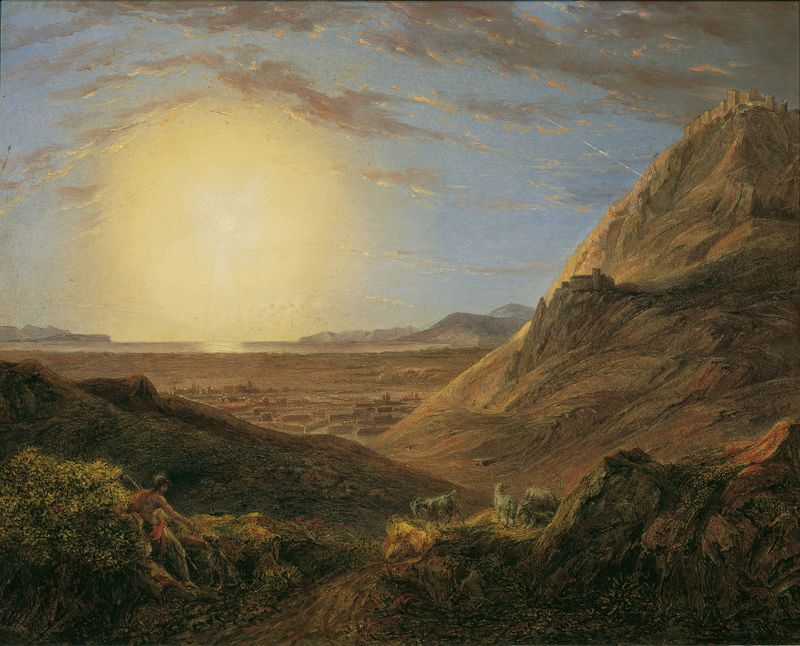
Athen nach Sonnenaufgang
Karl Joseph Aloys Agricola

Baumlandschaft mit Familie und Kindern
Karl Joseph Aloys Agricola
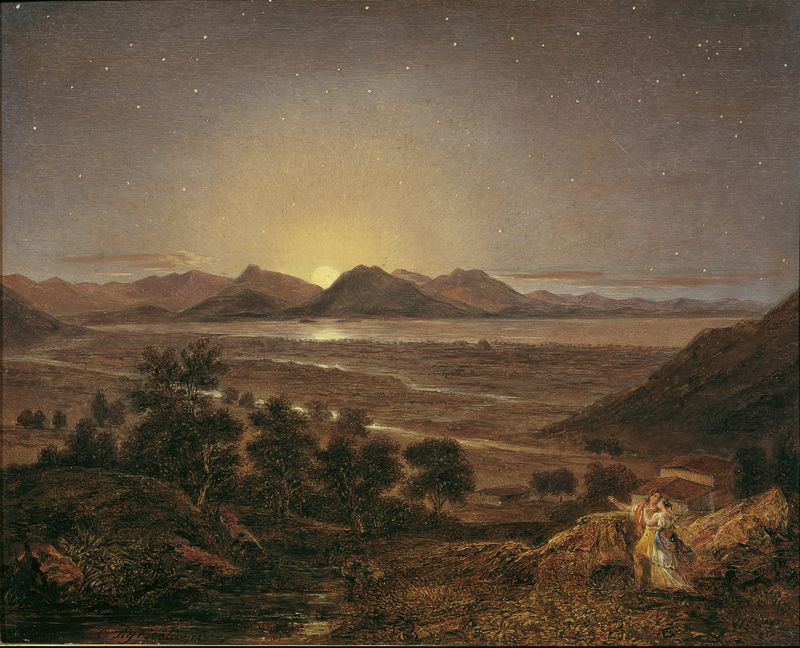
Marathon bei Mondbeleuchtung
Karl Joseph Aloys Agricola





