
Blick über Bensberg mit dem Neuen Schloss in die Rheinebene — History & Facts
When did color learn to lie? In Blick über Bensberg mit dem Neuen Schloss in die Rheinebene, the vibrant hues of nature seem to mask an unsettling truth, inviting both admiration and apprehension. The landscape, rich with verdant greens and warm earth tones, carries an underlying tension, whispering secrets of the past and fears for the future. Focus on the left side of the canvas, where the majestic silhouette of the New Palace rises against a backdrop of rolling hills. The intricate brushwork captures the delicate interplay of light and shadow, revealing textures that draw the viewer’s eye.
Notice how the sun-drenched sky fades into darker shades near the horizon, suggesting an impending storm. The meticulous detailing of the palace contrasts with the wild, untamed nature surrounding it, creating a stark division between humanity’s artistry and the unyielding power of the earth. These elements combine to evoke a sense of fragility; the seemingly idyllic landscape reveals an undercurrent of fear—an awareness that beauty can often hide peril. The palace stands as a reminder of human ambition and the pursuit of control, juxtaposed against the chaotic forces of nature.
The lush foliage, while inviting, suggests an encroaching wilderness that may reclaim its territory at any moment, hinting at humanity's vulnerability in the face of nature's vastness. Painted in 1781, this work emerged during a pivotal time for Caspar Wolf, who was navigating the nuances of Romanticism in Switzerland. It reflects his deep connection to the Swiss landscape and an emerging appreciation for emotional depth in art. At this time, viewers were beginning to grapple with the complexities of modernity, as nature and civilization stood in delicate balance—a theme remarkably captured in this landscape.
More Artworks by Caspar Wolf
Browse all →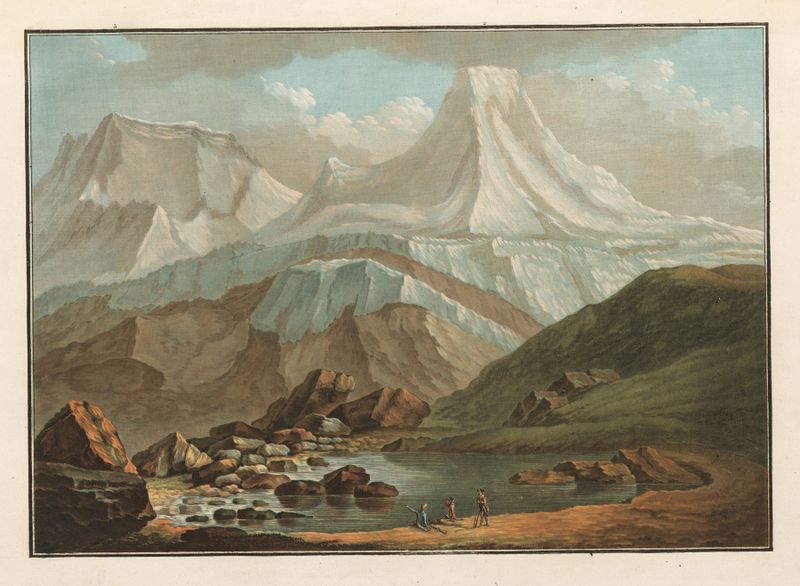
Vue du Gross-Horn et du Breit-Horn avec le petit lac d’Oberhorn
Caspar Wolf
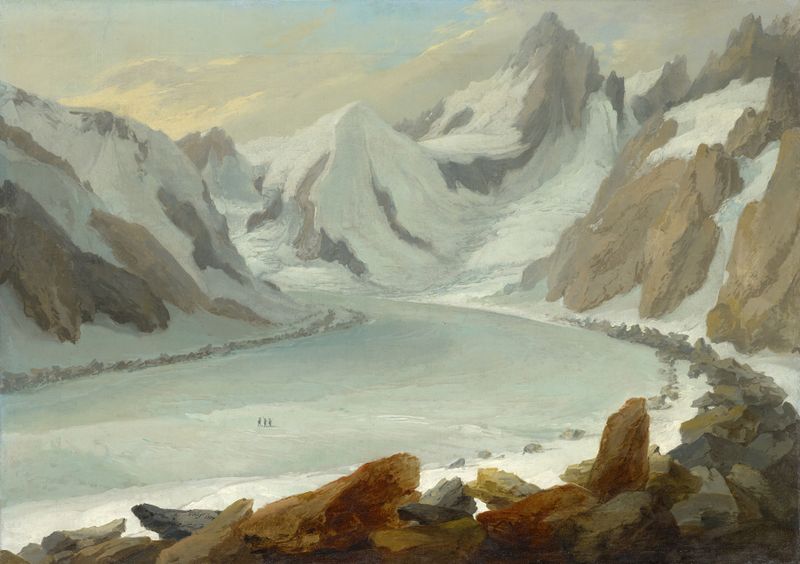
Finsteraargletscher mit Blick auf das Finsteraarhorn
Caspar Wolf
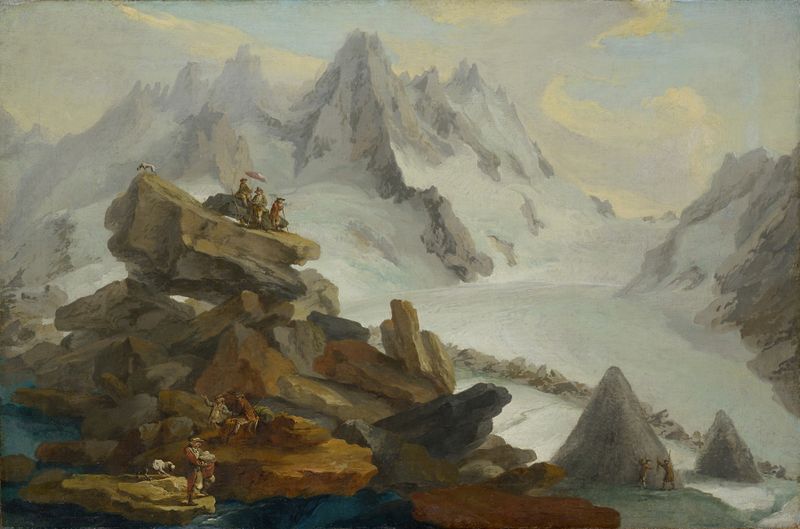
Glacier Lauteraar
Caspar Wolf

Glacier de Lauteraar Canton de Berne Province d’Oberhasli
Caspar Wolf
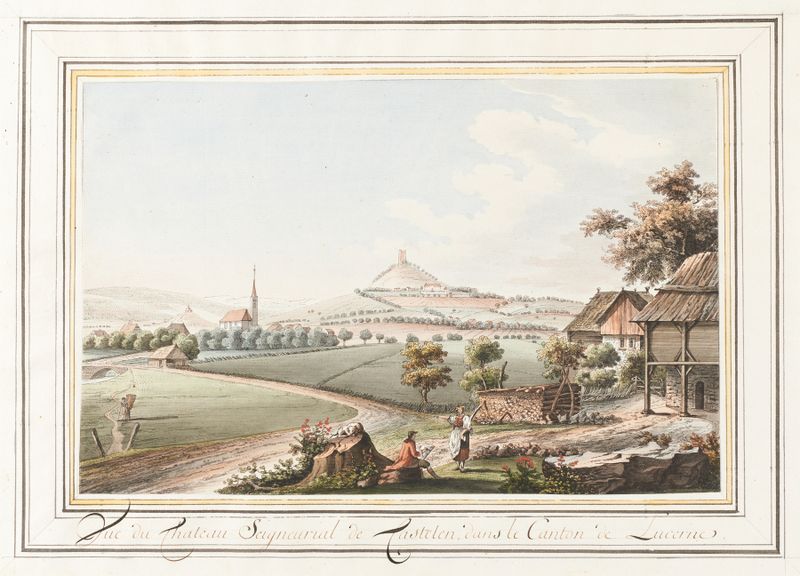
Vue du Chateau Seigneurial de Castelen dans le Canton de Lucerne
Caspar Wolf

Wasserfall im Tobel bei Muri
Caspar Wolf
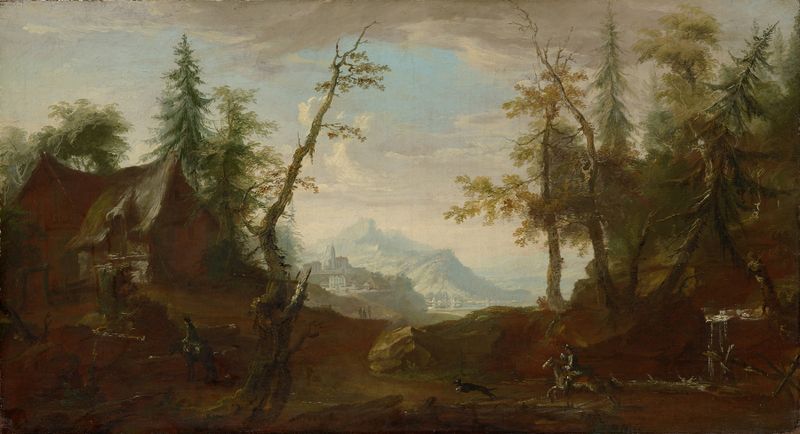
Farmhouse in a Forest Glade with Riders
Caspar Wolf
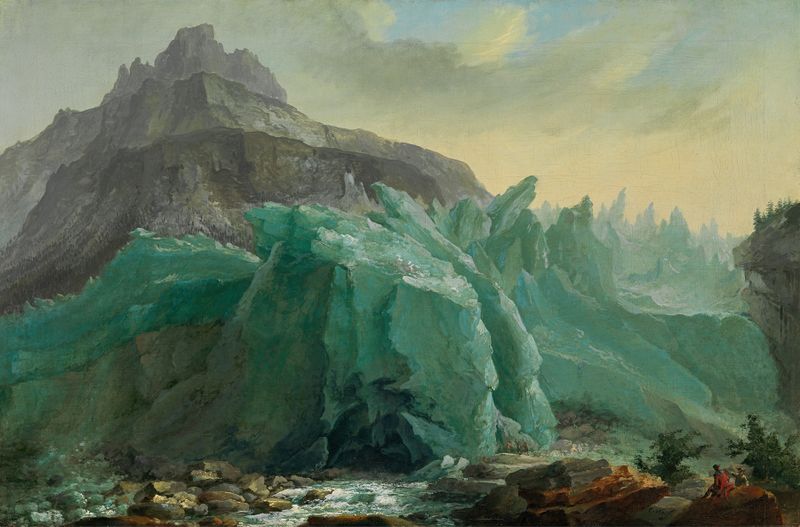
The Lower Grindelwald Glacier with Lütschine and the Mettenberg
Caspar Wolf
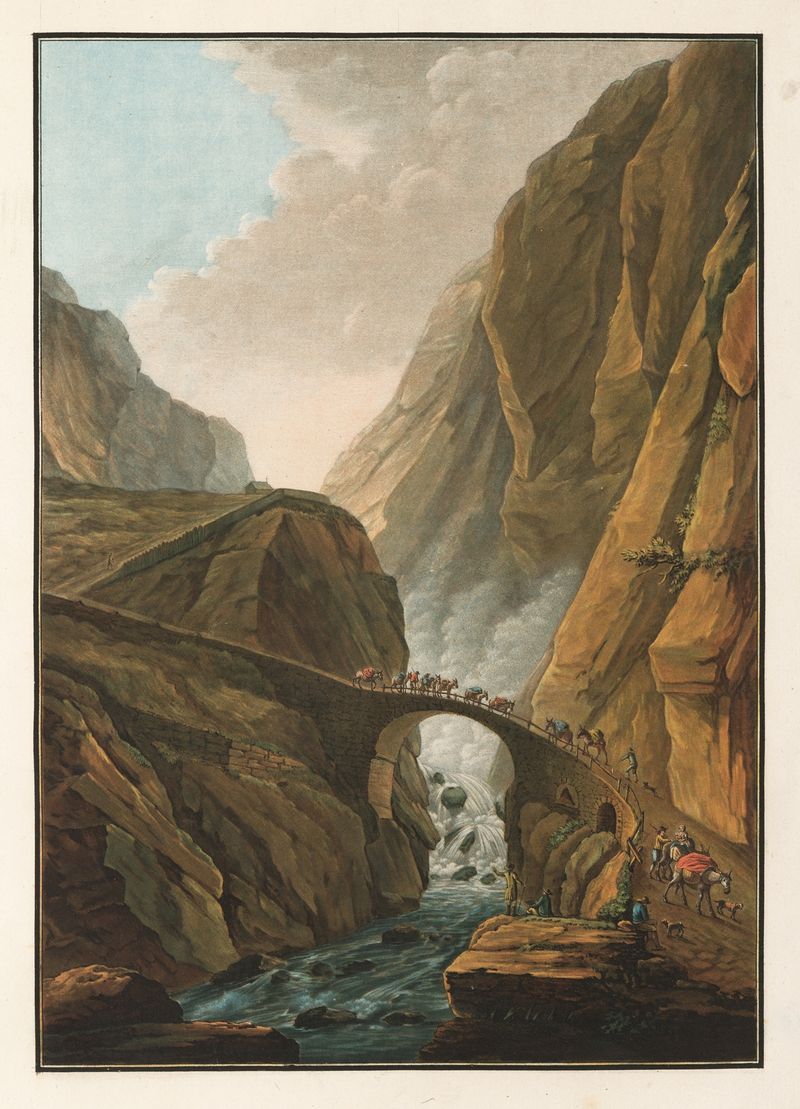
Teufelsbrücke
Caspar Wolf
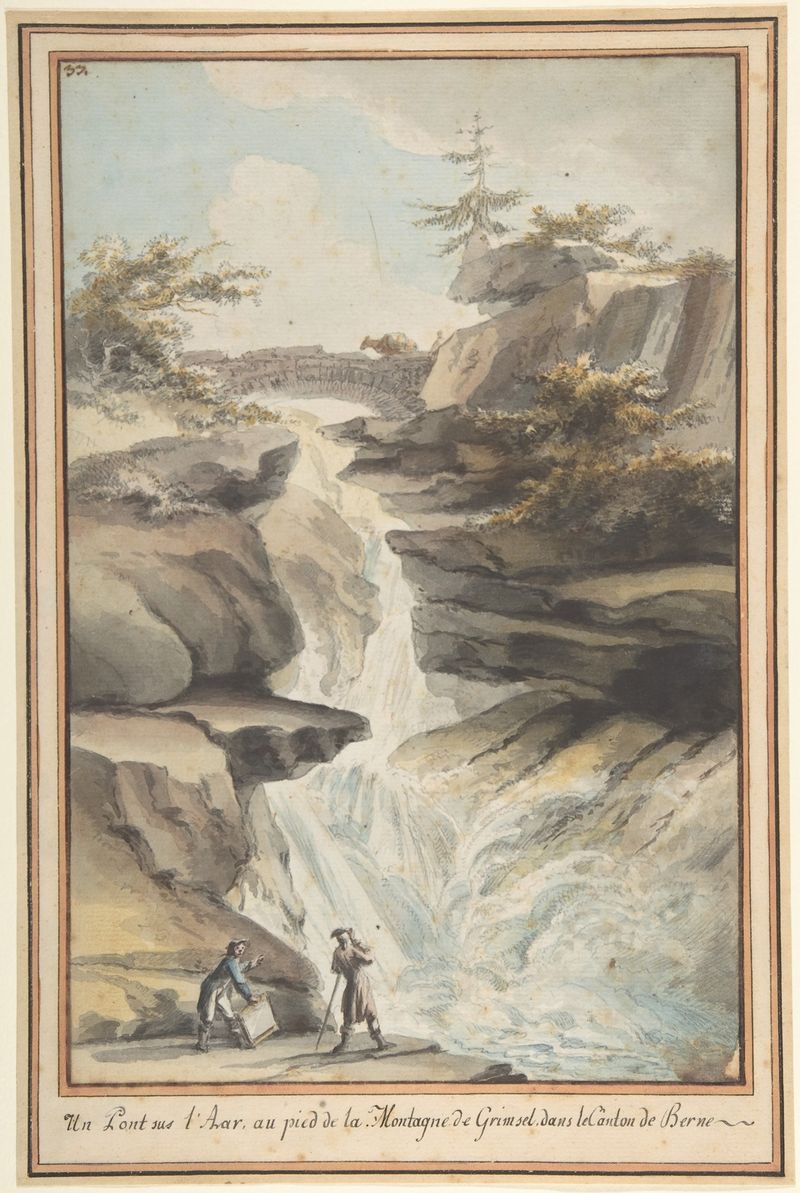
A Bridge on the Aar, at the Foot of the Grimsel, in the Canton of Berne
Caspar Wolf





