
Blick von der Hornisgrinde — History & Facts
When did color learn to lie? In an evocative interplay of hues, a world emerges that teeters on the edge of reality and imagination, inviting viewers to experience transcendence. Focus on the upper left corner of the canvas, where soft blues and grays converge to form a swirling sky, hinting at twilight’s embrace. Just below, the verdant hills roll gently, dappled with gold and green, leading the eye into a tranquil landscape that feels both familiar and dreamlike. Notice how the artist skillfully employs brushwork—gentle strokes that blend seamlessly together—as if the entire scene breathes with an ethereal quality. As you examine the painting further, consider the contrast between the serene foreground and the tumultuous sky, suggesting a tension between the earthbound and the celestial.
The luminous palette evokes a sense of longing, as if the viewer yearns to escape the mundane and ascend into the sublime. This is a place where emotional depth and natural beauty intertwine, prompting contemplation about the limits of perception and the nature of existence. Gustav Kampmann created Blick von der Hornisgrinde around 1896, during a period of personal exploration and a burgeoning interest in the Impressionist movement in Europe. Living in a time when artists were venturing beyond traditional landscapes, he sought to capture not just a view, but the feelings it inspired—the essence of a moment suspended in time.
The world of art was shifting dramatically, and Kampmann’s work reflected this evolution, showcasing his unique perspective on nature and the human experience.
More Artworks by Gustav Kampmann
Browse all →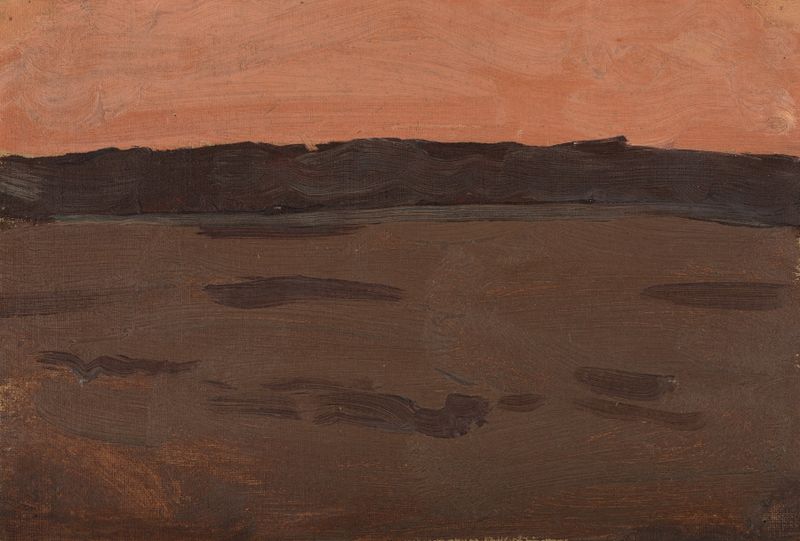
Abendstimmung
Gustav Kampmann

Eisenbahn am Abend
Gustav Kampmann

Nach Sonnenuntergang im Winter
Gustav Kampmann

Hügelige Landschaft mit Baumreihe
Gustav Kampmann
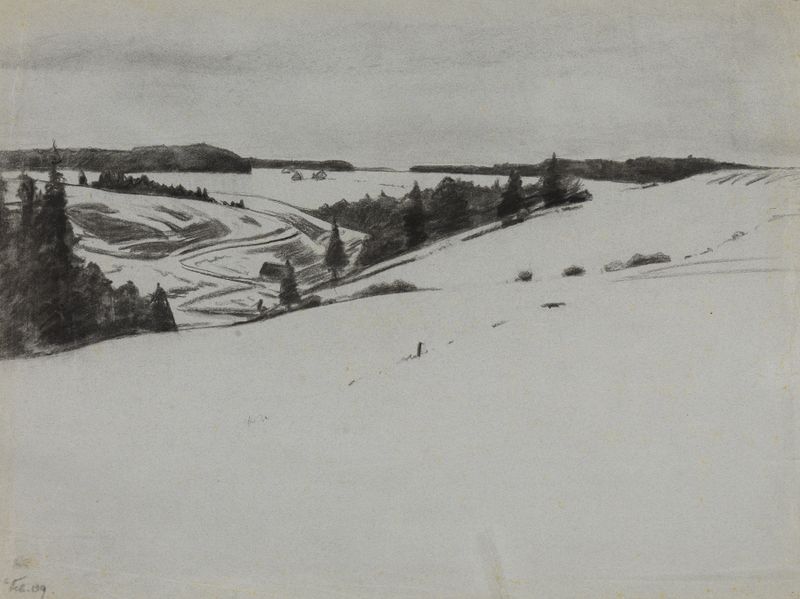
Schneelandschaft bei Königsfeld
Gustav Kampmann
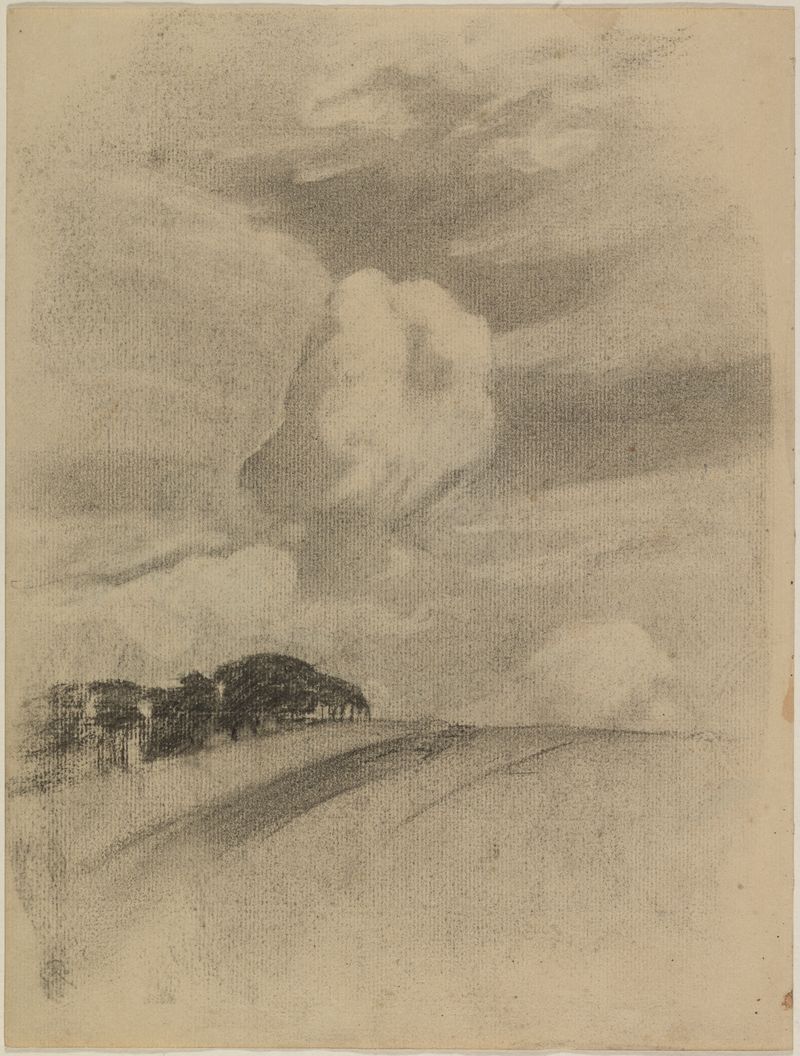
Landschaftsstudie
Gustav Kampmann
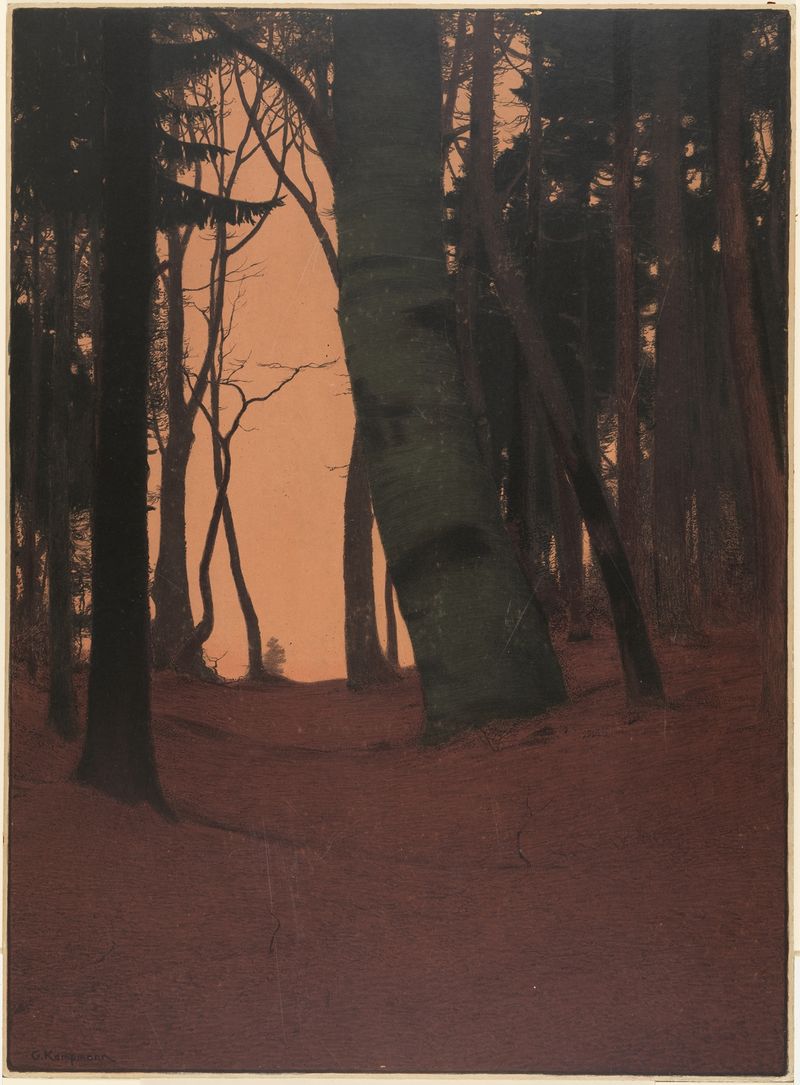
Abend im Wald
Gustav Kampmann

Drei alte Weiden bei Langenpreising
Gustav Kampmann
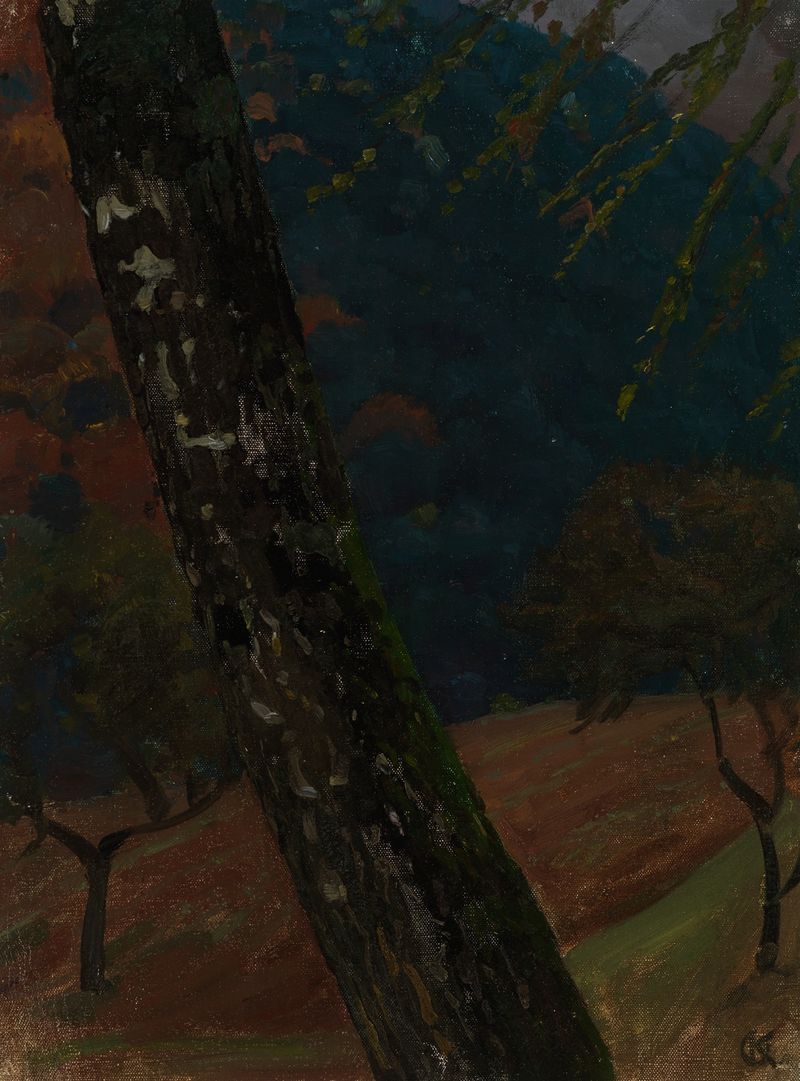
Baumstamm bei Obersteinbach
Gustav Kampmann
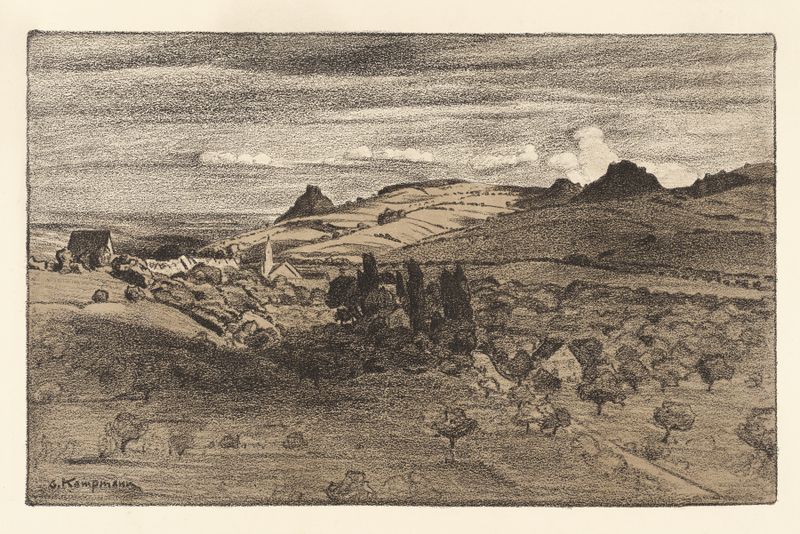
Im Hegau
Gustav Kampmann





