
Abendstimmung — History & Facts
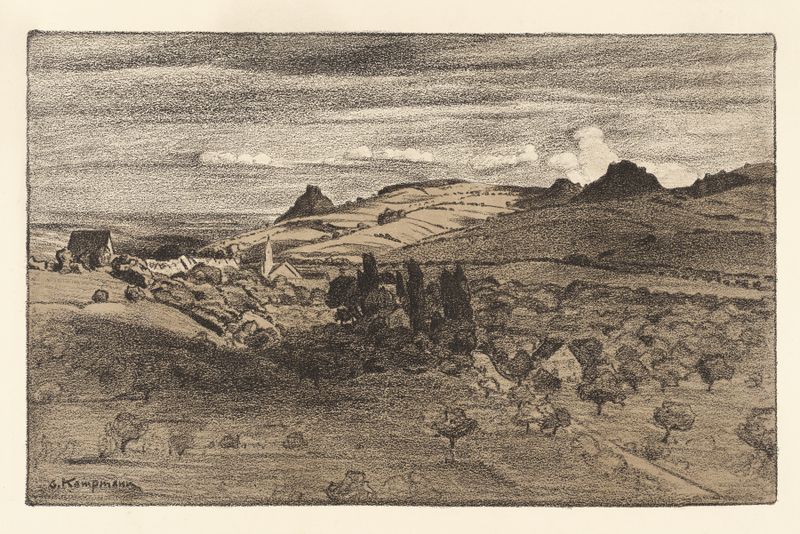
Who listens when art speaks of silence? In Abendstimmung, the gentle hush of twilight beckons us to reflect on the subtle beauty of transition, inviting both contemplation and transcendence. Focus first on the horizon, where the delicate interplay of deep blues and muted golds creates a serene atmosphere. Notice how the soft gradients of color blend seamlessly, evoking the gradual descent of day into night. The composition is masterfully balanced, with warm, earthy tones in the foreground contrasting the ethereal sky above, guiding the eye upward and inviting an expansive sense of possibility. In this quiet moment, a tension emerges between the fading light and encroaching darkness, symbolizing the duality of existence.
The sparse details of the landscape suggest both isolation and peace, as if the viewer is suspended between worlds. Each brushstroke captures the ephemeral nature of time, encouraging an introspective journey that transcends the canvas. This painting is not merely a depiction of dusk; it is a reflection on the stillness of the soul in moments of change. Painted around 1897, this work emerged during a period of personal exploration for its creator, who was influenced by the Symbolist movement and the search for deeper meanings in art.
At the time, Kampmann found himself navigating the complexities of modern life, and his art became a vessel for expressing the ineffable emotions that accompany transitions, both in nature and within ourselves.
More Artworks by Gustav Kampmann
Browse all →
Eisenbahn am Abend
Gustav Kampmann

Nach Sonnenuntergang im Winter
Gustav Kampmann

Blick von der Hornisgrinde
Gustav Kampmann

Hügelige Landschaft mit Baumreihe
Gustav Kampmann
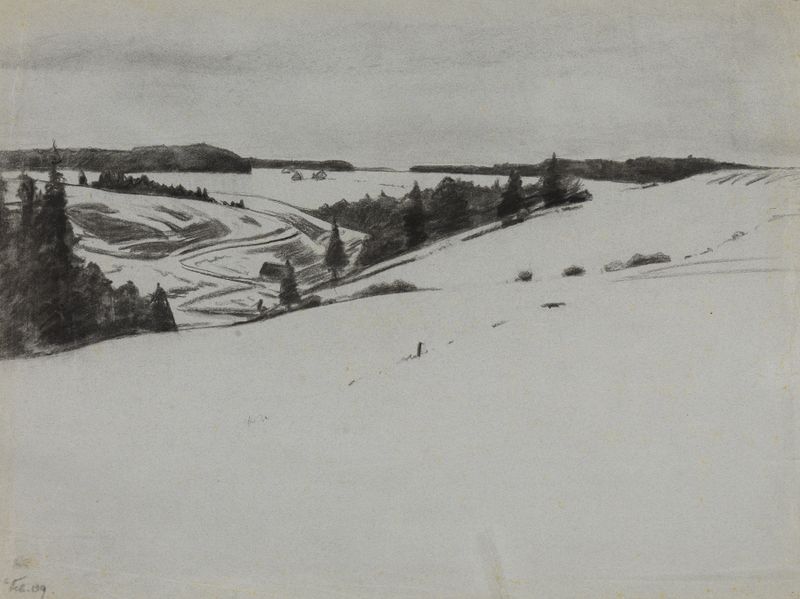
Schneelandschaft bei Königsfeld
Gustav Kampmann
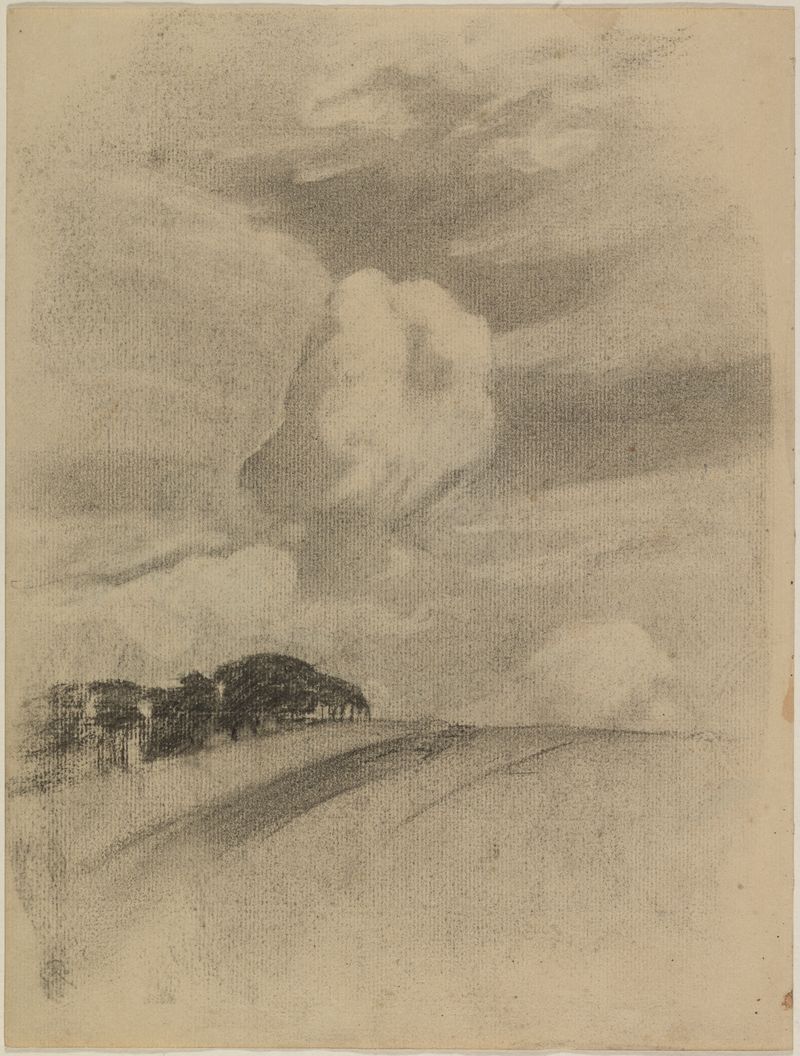
Landschaftsstudie
Gustav Kampmann
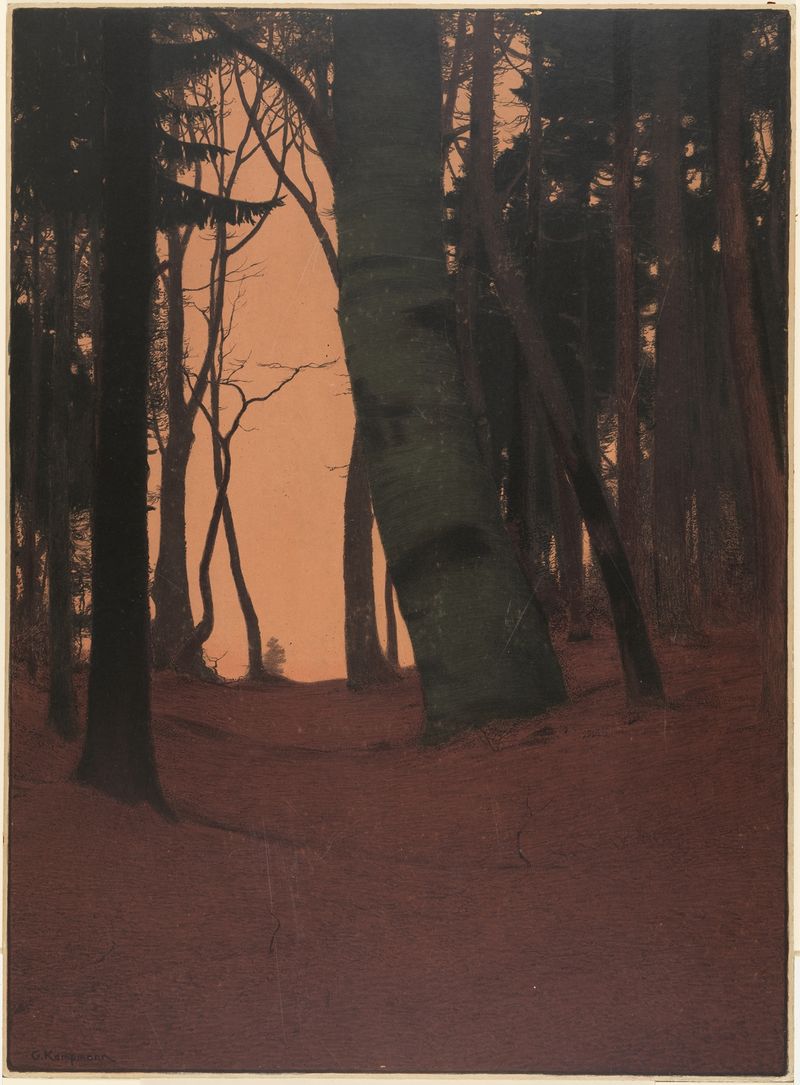
Abend im Wald
Gustav Kampmann

Drei alte Weiden bei Langenpreising
Gustav Kampmann
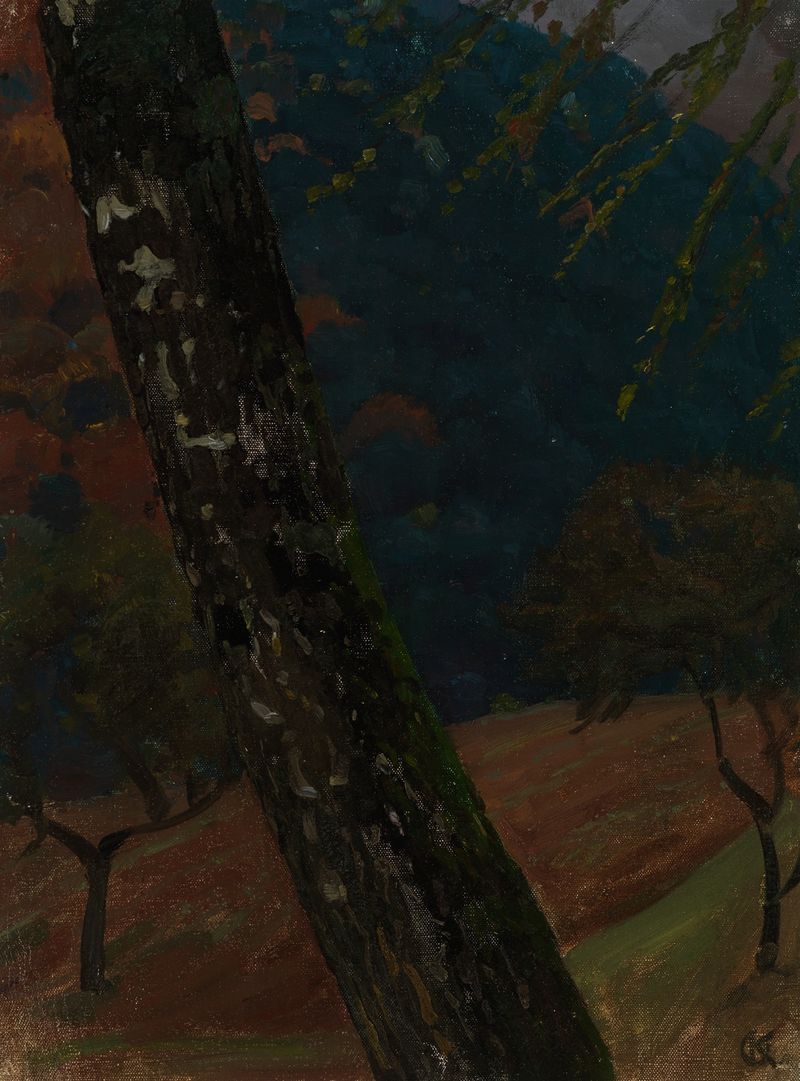
Baumstamm bei Obersteinbach
Gustav Kampmann
Im Hegau
Gustav Kampmann





