
Drei alte Weiden bei Langenpreising — History & Facts
In Drei alte Weiden bei Langenpreising, illusion becomes a poignant reality, inviting viewers to explore the depths of perception. Look to the left of the canvas, where a trio of ancient willows sprawls gracefully against a muted sky. Their gnarled branches twist and turn, reaching outward as if trying to grasp the fading light. The artist's brushwork captures the intricate texture of bark, and the gentle strokes of green and brown create a symphony of earthy tones.
The palette balances the vibrancy of life with the somberness of decay, calling attention to the duality present within nature itself. As you absorb the tranquil scene, consider the contrast between the steadfast trees and the fluidity of the surrounding landscape. The bending forms suggest a dance with the wind, hinting at the passage of time and the inevitable change that life brings. This tension between permanence and transience speaks volumes about the human experience – a reminder that everything is both rooted and fleeting.
The composition delves into the complexity of existence, urging us to reflect on our own relationship with nature and time. Gustav Kampmann painted this piece around 1884, during a time of introspection in the art world as Impressionism began to flourish. He was living in Germany, where the movement was gaining traction, emphasizing light, color, and movement. Kampmann’s focus on natural landscapes and the interplay of light reveals his commitment to capturing the essence of the world around him, bridging the gap between reality and the ethereal beauty of illusion.
More Artworks by Gustav Kampmann
Browse all →
Abendstimmung
Gustav Kampmann

Eisenbahn am Abend
Gustav Kampmann

Nach Sonnenuntergang im Winter
Gustav Kampmann

Blick von der Hornisgrinde
Gustav Kampmann

Hügelige Landschaft mit Baumreihe
Gustav Kampmann
Schneelandschaft bei Königsfeld
Gustav Kampmann
Landschaftsstudie
Gustav Kampmann
Abend im Wald
Gustav Kampmann
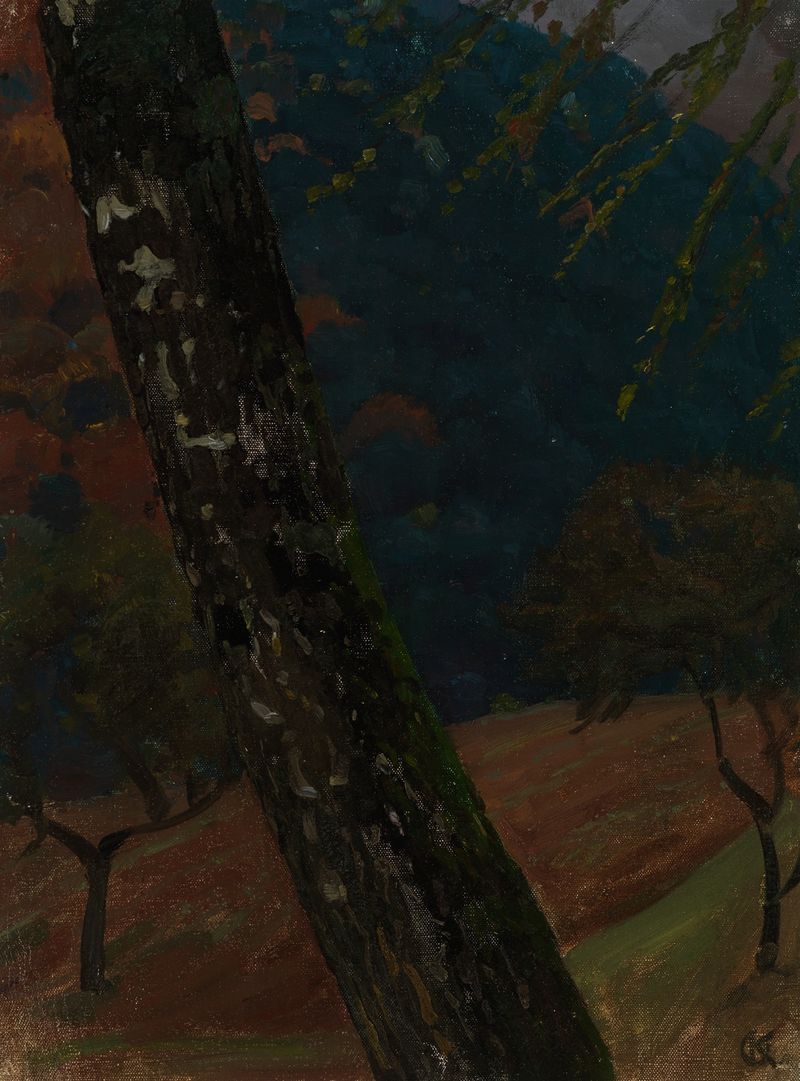
Baumstamm bei Obersteinbach
Gustav Kampmann
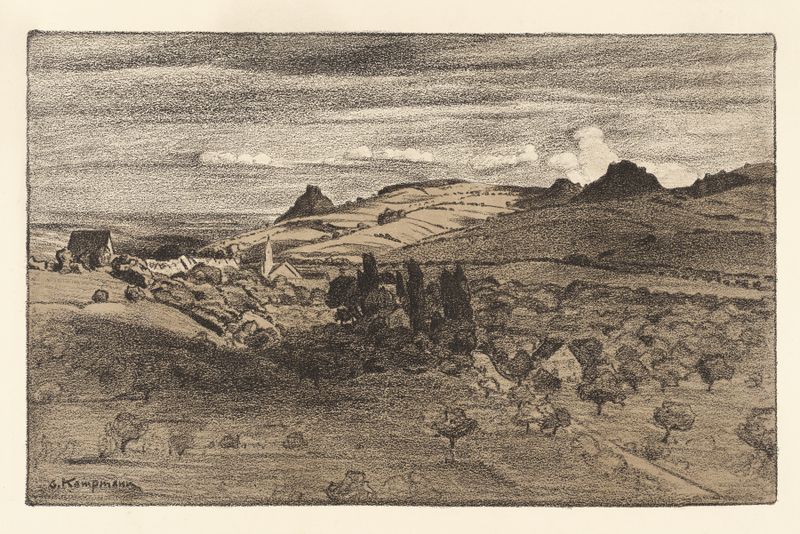
Im Hegau
Gustav Kampmann





