
Nach Sonnenuntergang im Winter — History & Facts
Where does light end, and longing begin? In the tender twilight of winter, the boundaries of hope and grief blur, revealing the fragile nature of existence. Focus on the soft, muted palette that envelops the canvas, as hues of deep blues and pale violets gently collide. Notice how the fading sunlight casts elongated shadows across the snow, creating a stark contrast between warmth and cold. The silhouetted trees, like silent sentinels, stand watch over the serene landscape, their barren branches reaching toward the last embers of daylight, conveying a poignant sense of solitude and reflection. Hidden within the tranquil beauty lies an emotional tension that speaks to loss.
The dwindling light signifies not just the end of the day but perhaps the fading of cherished memories and connections. The interplay between darkness and light becomes a metaphor for longing, with each delicate stroke of the brush capturing the bittersweet essence of grief. The serene winter scene invites the viewer to contemplate the transient nature of life and the solace found in moments of quiet introspection. In 1901, while creating Nach Sonnenuntergang im Winter, Kampmann painted from a place of deep personal reflection, influenced by the shifting currents of post-impressionism.
This period marked a transition in the art world, as artists began to explore emotional depths and the subtleties of light. Amidst his personal struggles, Kampmann captured not just a moment in time, but the universal human experience of yearning and mourning.
More Artworks by Gustav Kampmann
Browse all →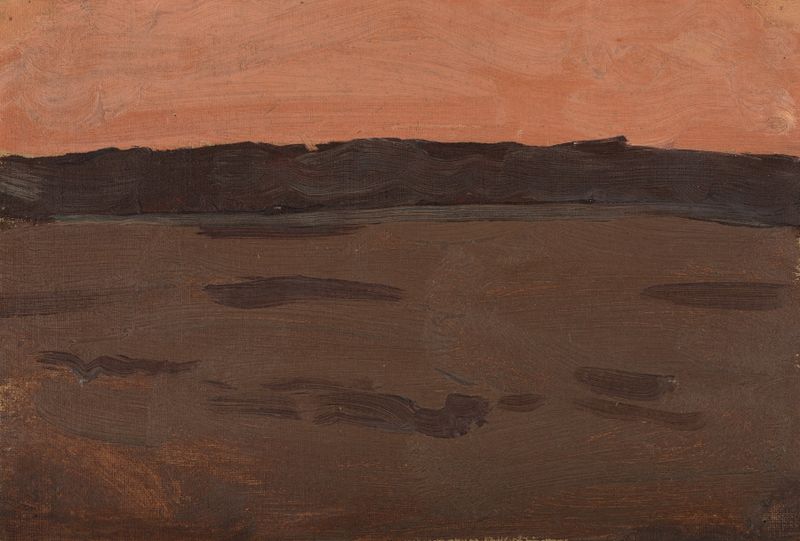
Abendstimmung
Gustav Kampmann

Eisenbahn am Abend
Gustav Kampmann

Blick von der Hornisgrinde
Gustav Kampmann

Hügelige Landschaft mit Baumreihe
Gustav Kampmann
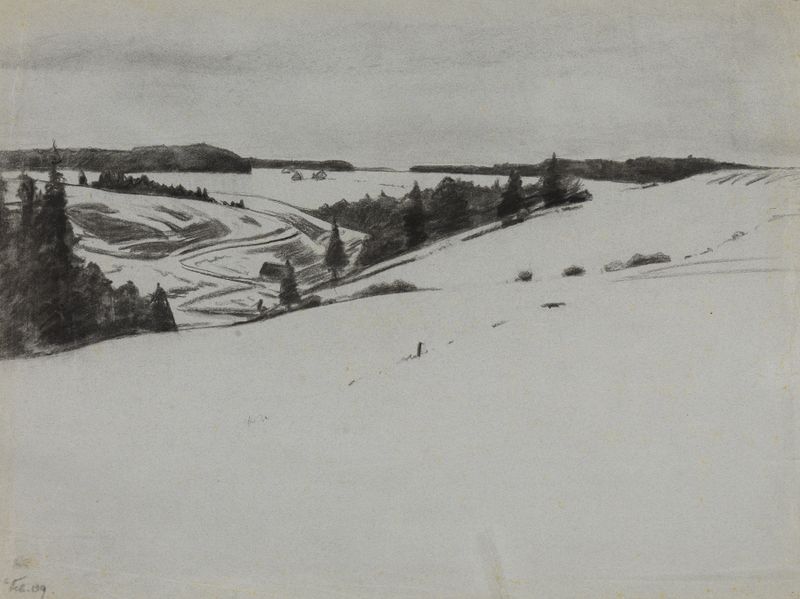
Schneelandschaft bei Königsfeld
Gustav Kampmann
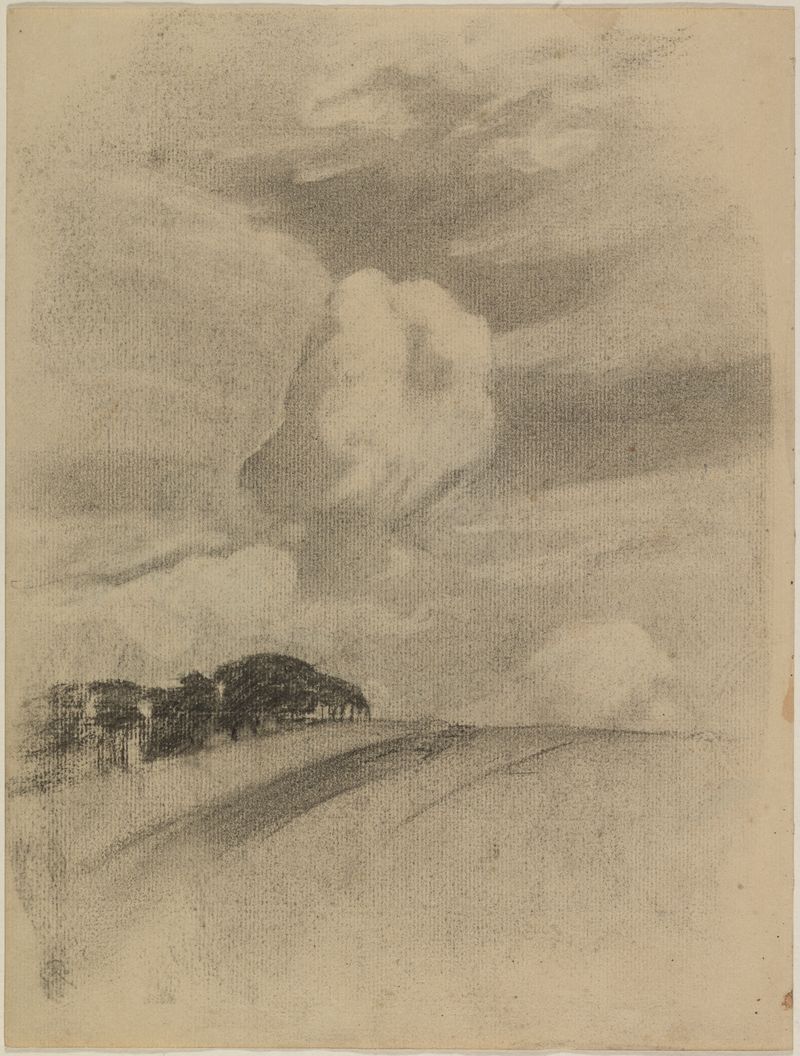
Landschaftsstudie
Gustav Kampmann
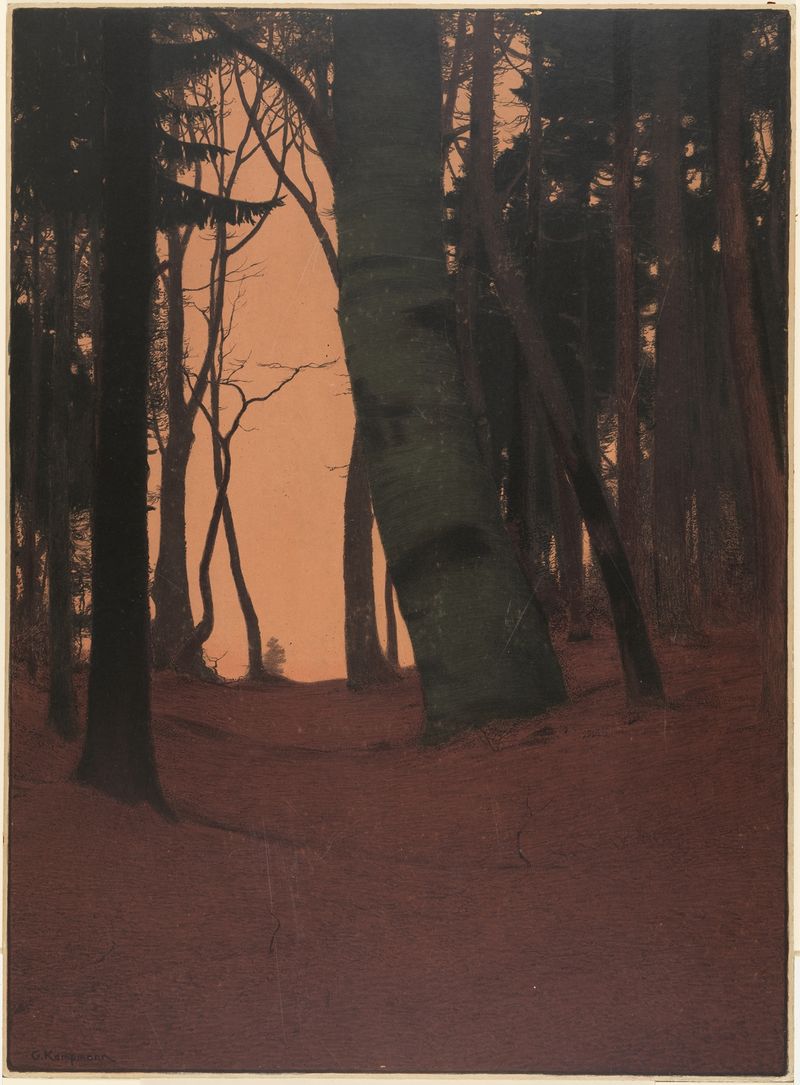
Abend im Wald
Gustav Kampmann

Drei alte Weiden bei Langenpreising
Gustav Kampmann
Baumstamm bei Obersteinbach
Gustav Kampmann
Im Hegau
Gustav Kampmann





