
Im Hegau — History & Facts
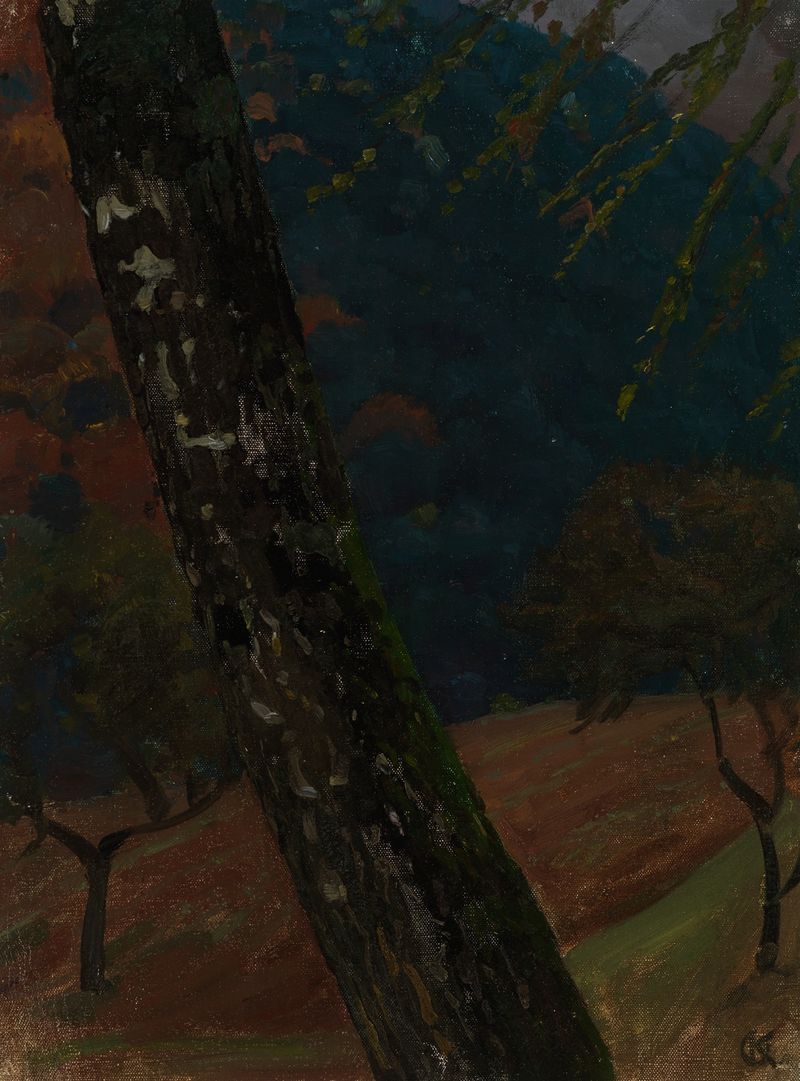
Could beauty survive in a century of chaos? In Im Hegau, Gustav Kampmann invites us to witness a fragile reclamation of harmony in a time overshadowed by upheaval and uncertainty. Look to the center of the canvas, where undulating hills meet an expansive sky. The artist employs a gentle palette of greens and blues, interspersed with delicate strokes of yellow, capturing the essence of spring's awakening. The horizon draws the eye, a serene line where land kisses sky, inviting contemplation and hope.
Notice the way the light illuminates the landscape, washing over the fields and lending a soft vibrancy to the flora, creating a scene that feels both tranquil and alive. Yet, beneath this idyllic surface lies a deeper tension. The lushness of the countryside stands in stark contrast to the growing unrest of the era, symbolizing a world eager to emerge from the shadows of despair. The interplay of light and dark throughout the piece reflects the duality of human experience — moments of joy intertwined with sorrow, creating a complex tapestry of existence.
As you gaze deeper, the meticulously crafted details reveal a narrative of rebirth, a testament to nature's resilience amidst chaos. In 1912, Kampmann was painting during a period when Europe was on the brink of World War I, grappling with the struggle between innovation and tradition in the art world. Living in Germany, he was influenced by the burgeoning expressionist movement, seeking to capture emotion and tension through his landscapes. This artwork encapsulates not just a moment in nature, but also a profound commentary on the hope for renewal in an age fraught with uncertainty.
More Artworks by Gustav Kampmann
Browse all →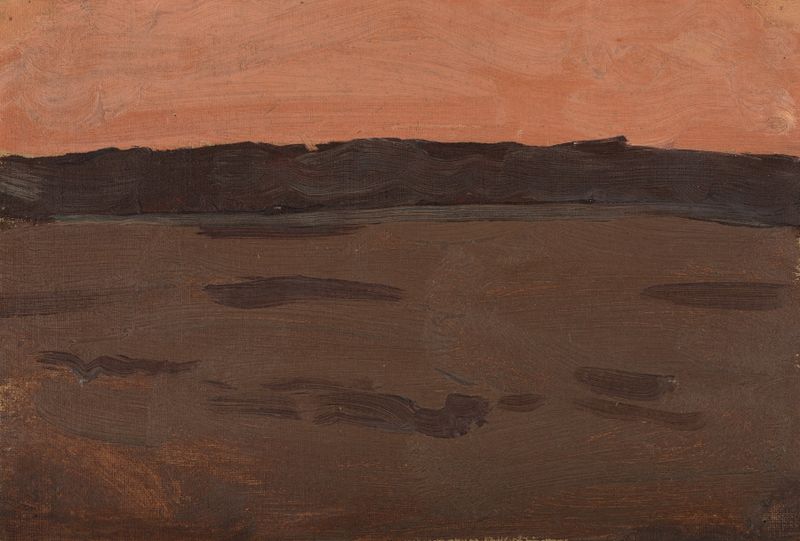
Abendstimmung
Gustav Kampmann

Eisenbahn am Abend
Gustav Kampmann

Nach Sonnenuntergang im Winter
Gustav Kampmann

Blick von der Hornisgrinde
Gustav Kampmann

Hügelige Landschaft mit Baumreihe
Gustav Kampmann
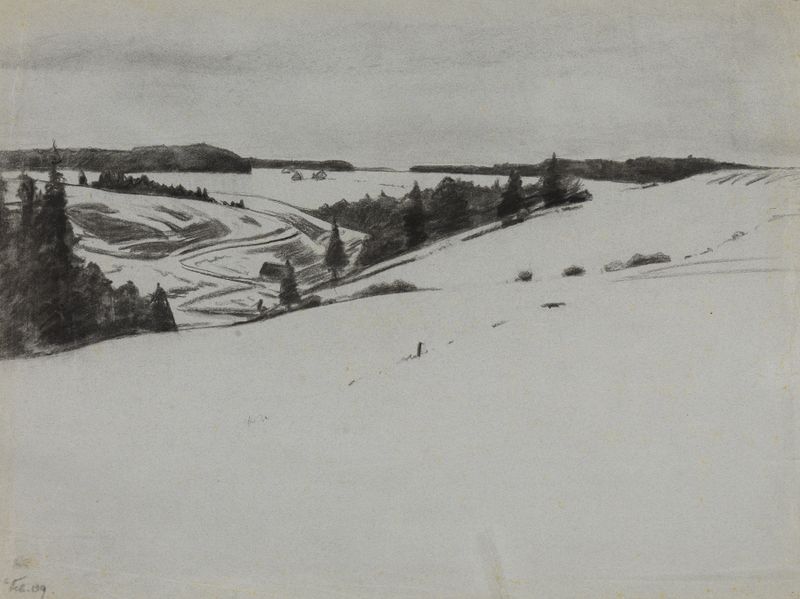
Schneelandschaft bei Königsfeld
Gustav Kampmann
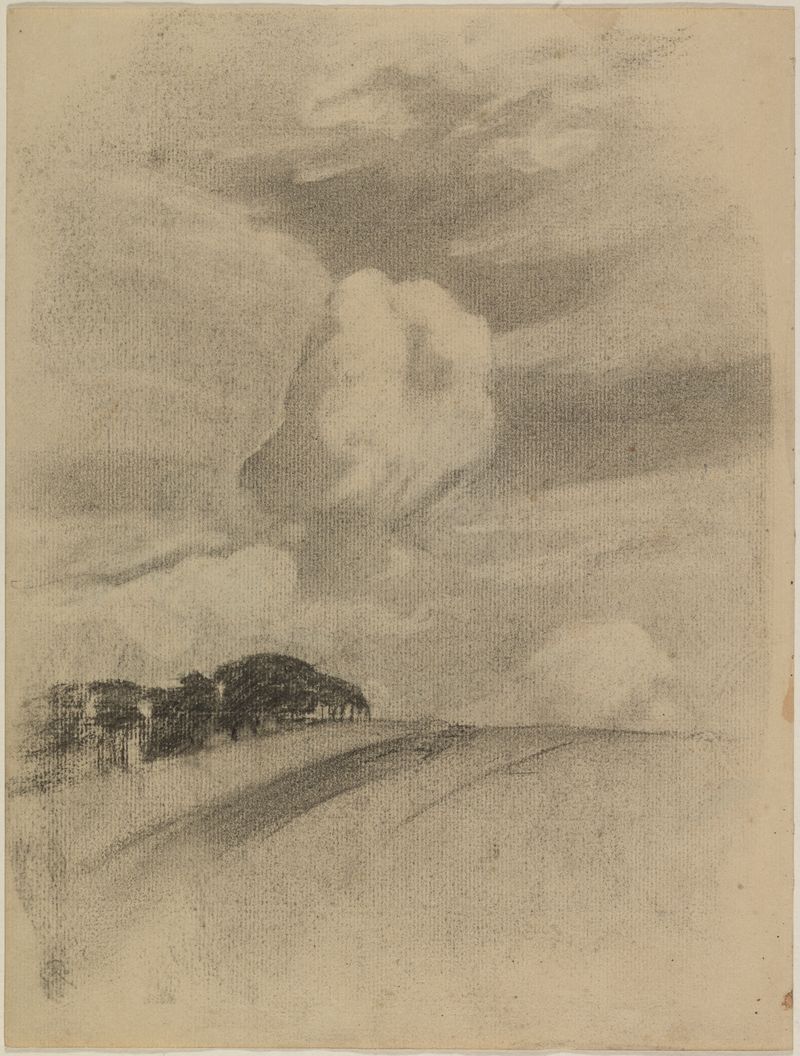
Landschaftsstudie
Gustav Kampmann
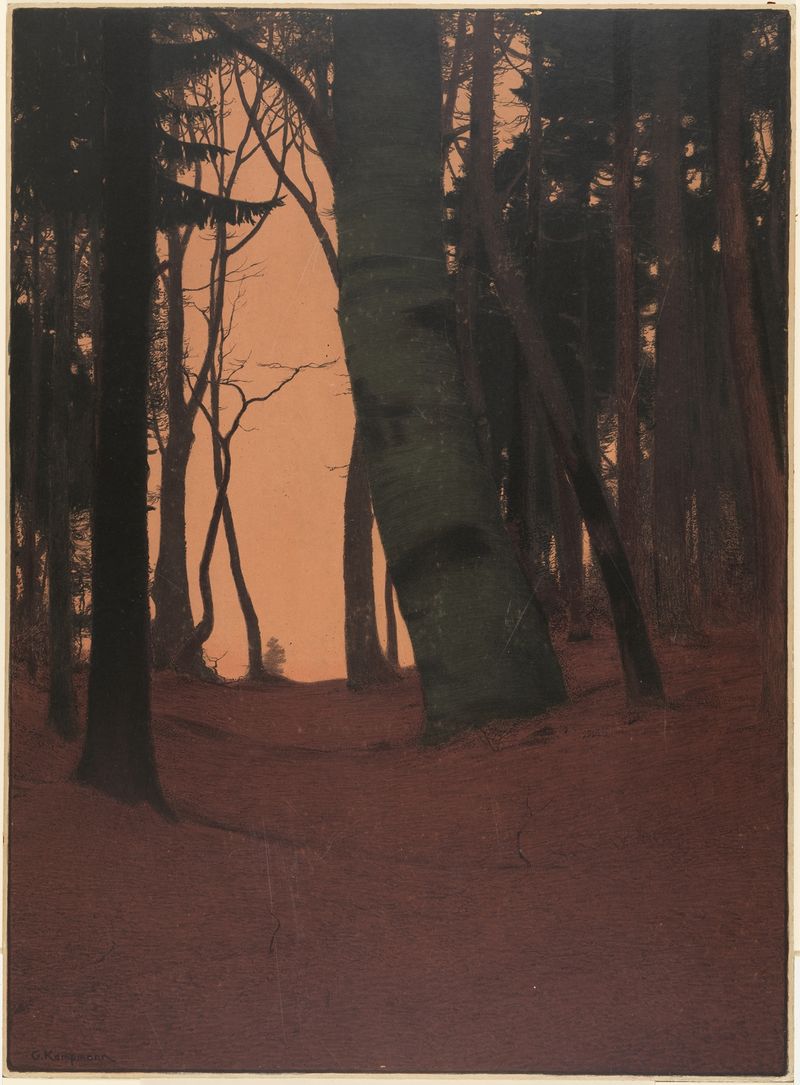
Abend im Wald
Gustav Kampmann

Drei alte Weiden bei Langenpreising
Gustav Kampmann
Baumstamm bei Obersteinbach
Gustav Kampmann





