
Blokhuizen op de Amstel — History & Facts
In a time when the thrum of conflict fades into silence, how does one convey the tumult within? Look to the tranquil waters of the Amstel, where the soft hues of blue and green beckon the eye. Notice how the light dances on the surface, illuminating the weathered wooden façades of the quaint houses that line the riverbank. These structures, though serene in their placement, possess a certain stiffness, a haunting stillness that hints at the tumult below the calm.
The meticulous brushwork captures both the beauty of the landscape and the underlying tension, inviting the viewer to linger. Beneath the tranquil surface lies an unsettling contrast—the quiet elegance of rural life juxtaposed with the history of violence that shadows the period. The houses, seemingly idyllic, symbolize the fragility of peace, hinting at the societal struggles of the day. The way the clouds loom in the sky suggests an impending storm, echoing the uncertainty of the era.
Nooms captures a moment where tranquility and turbulence coexist, forcing the observer to confront the duality of existence. During the years 1652 to 1654, Reinier Nooms, known for his maritime scenes and landscapes, painted this piece in the Netherlands amid the aftermath of the Eighty Years' War. This was a time of recovery and renewal, yet the scars of conflict lingered in the hearts of the people. Nooms, influenced by the Baroque style, sought to capture the serenity of nature while paying homage to the undercurrents of human experience, indicating that even in peace, the specter of violence is never far behind.
More Artworks by Reinier Nooms
Browse all →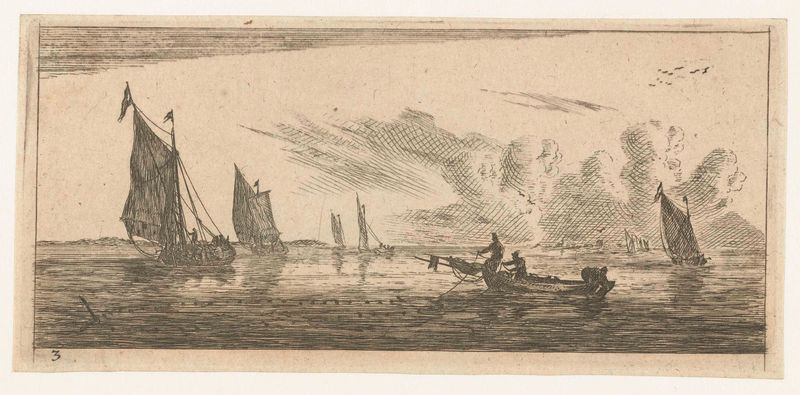
Zeegezicht met verschillende zeilschepen
Reinier Nooms
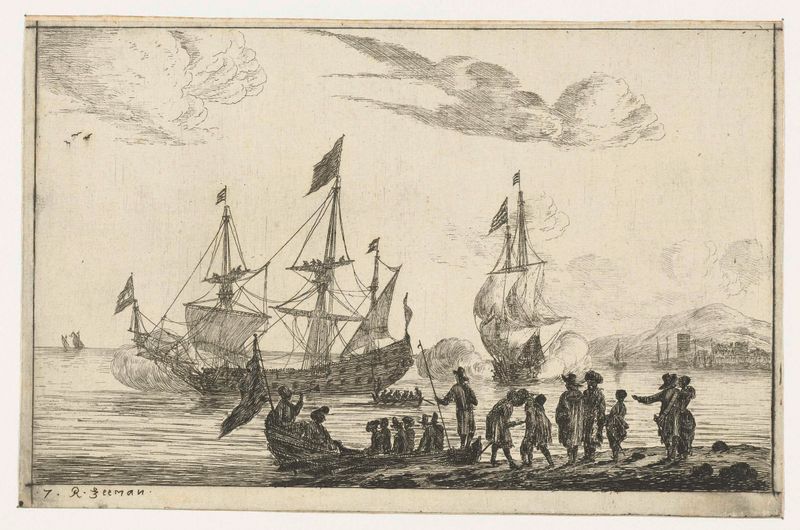
Havenscène met een spiegelsloep
Reinier Nooms
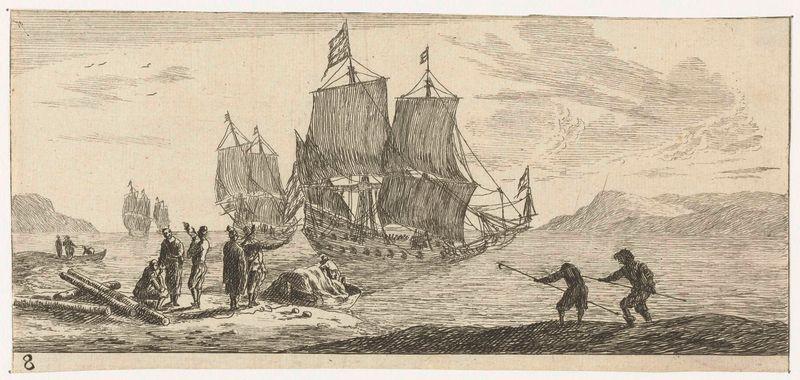
Vier grote zeilschepen in een baai
Reinier Nooms
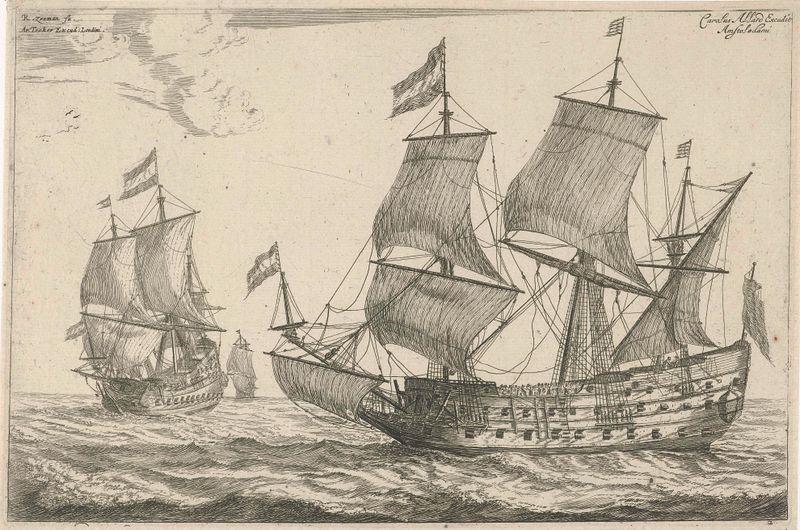
Twee grote oorlogsschepen
Reinier Nooms
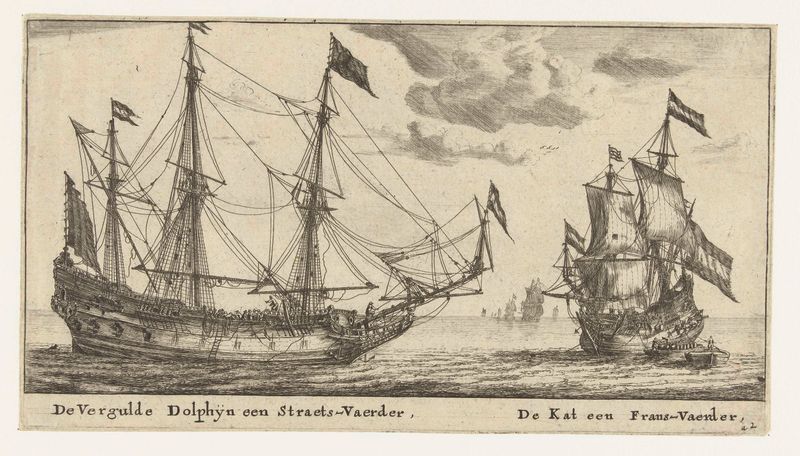
De schepen De Vergulde Dolfijn en De Kat
Reinier Nooms
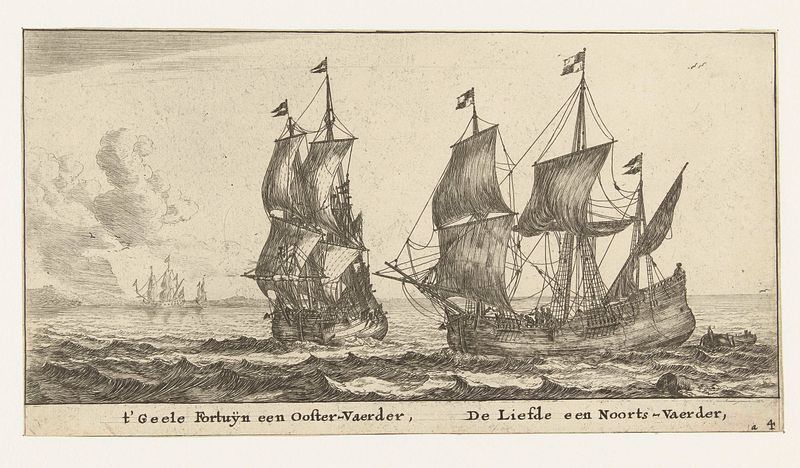
De schepen 't Gele Fortuin en De Liefde
Reinier Nooms
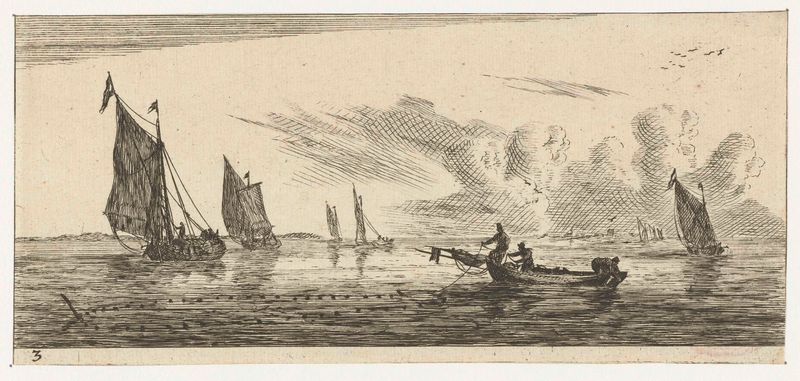
Zeegezicht met verschillende zeilschepen
Reinier Nooms
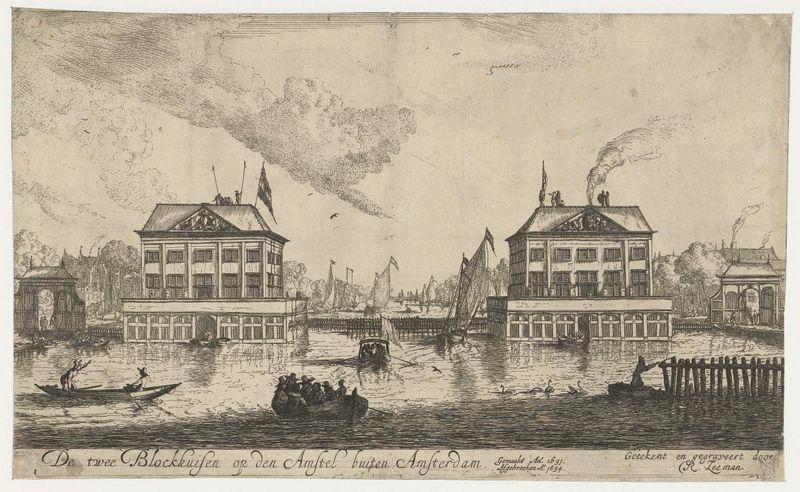
Gezicht op de twee Blokhuizen in de Amstel
Reinier Nooms
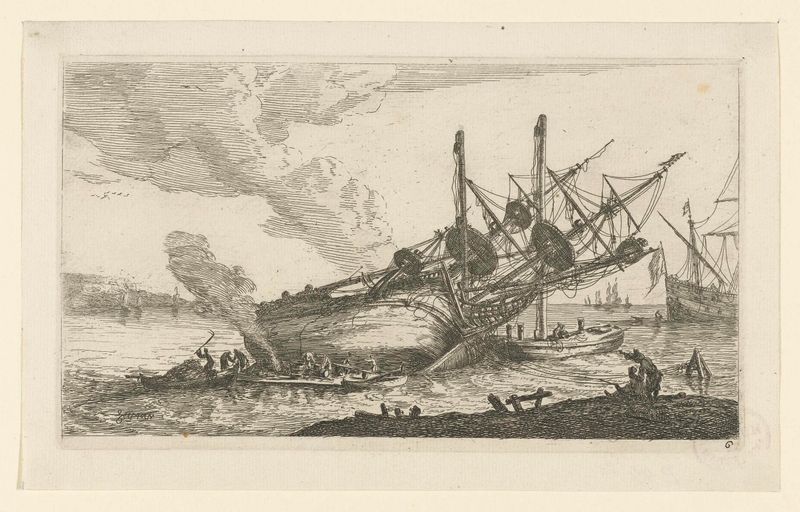
Reparaties aan de romp van een schip
Reinier Nooms
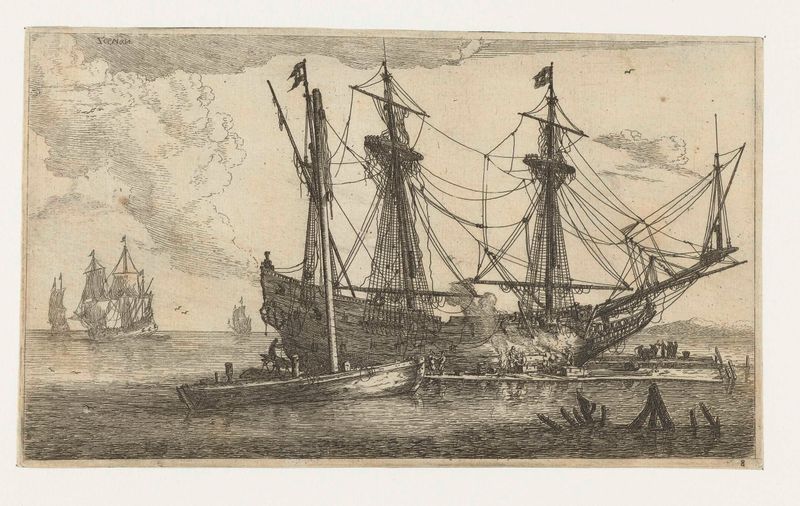
Reparaties aan de romp van een schip
Reinier Nooms





