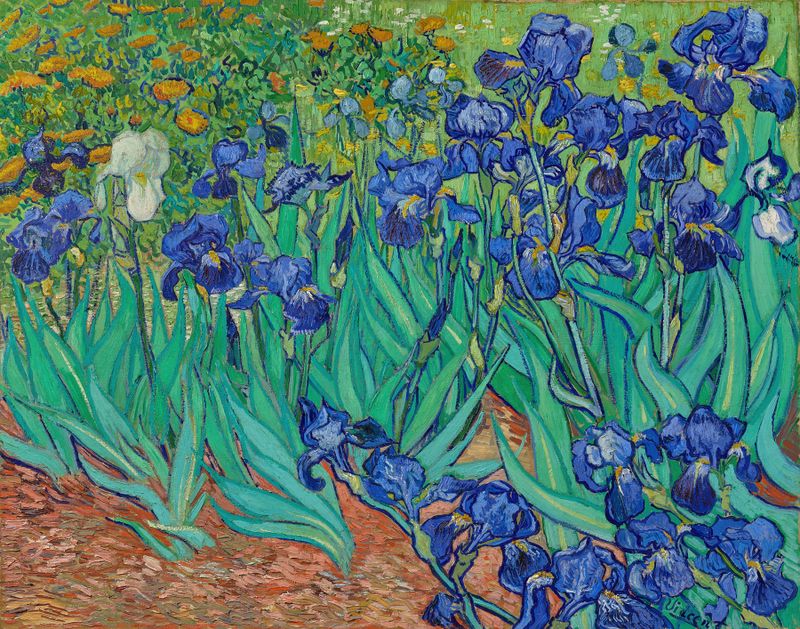
Blossoms — History & Facts
Could a single brushstroke hold eternity? In Blossoms, the artist invites us to ponder the delicate interplay between beauty and the transience of life, encapsulating a moment that is both vibrant and ephemeral. Look to the center, where a burst of blossoms unfurls, their soft pastel hues radiating warmth and vitality. The petals, rendered with fluid brushstrokes, seem to dance in the light, hinting at the fleeting nature of spring. Notice how the background fades into softer shades, allowing the foreground to command attention, a clever use of depth that draws the viewer into the heart of this blooming moment.
The delicate balance of color creates a harmonious tension, symbolizing the fragility of existence. Upon closer inspection, one can discern the subtle interplay of shadow and light, a reminder of the inevitable passage of time. Each blossom, while full of life, hints at decay—an echo of mortality intertwined with beauty. The varying sizes and clusterings of flowers suggest both abundance and loss, inviting contemplation on what it means to cherish moments that are destined to fade.
In this way, the work resonates with the viewer, evoking a sense of nostalgia and urgency, urging us to appreciate our own fleeting moments. In the spring of 1927, Blossoms emerged from the studio of William Henry Holmes, a period of introspection and artistic exploration for the painter. At this time, the art world was grappling with modernism’s rise, yet Holmes remained tied to nature’s rhythms. His work reflects a deep appreciation for the natural world, crafted in an era where the fragility of life was increasingly acknowledged amidst the backdrop of change.
More Artworks by William Henry Holmes
Browse all →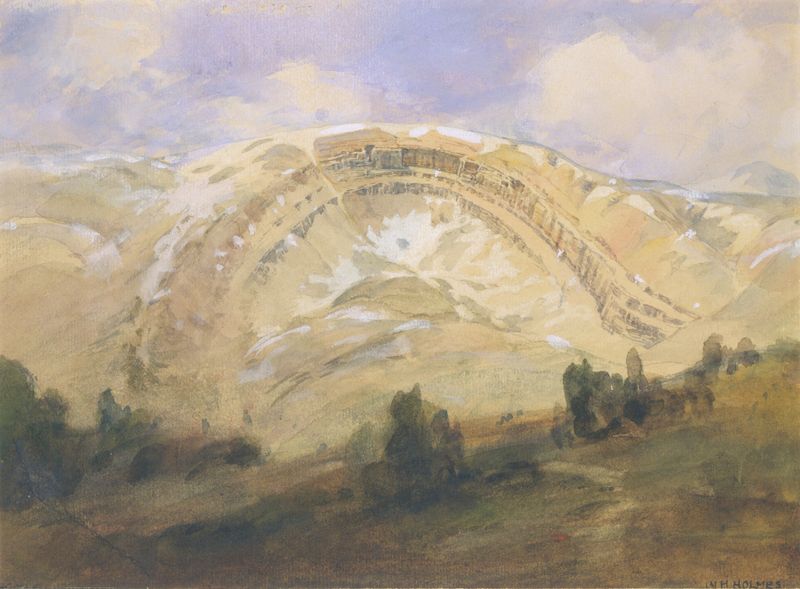
Folded Strata, A Great Geological Arch, Colorado
William Henry Holmes
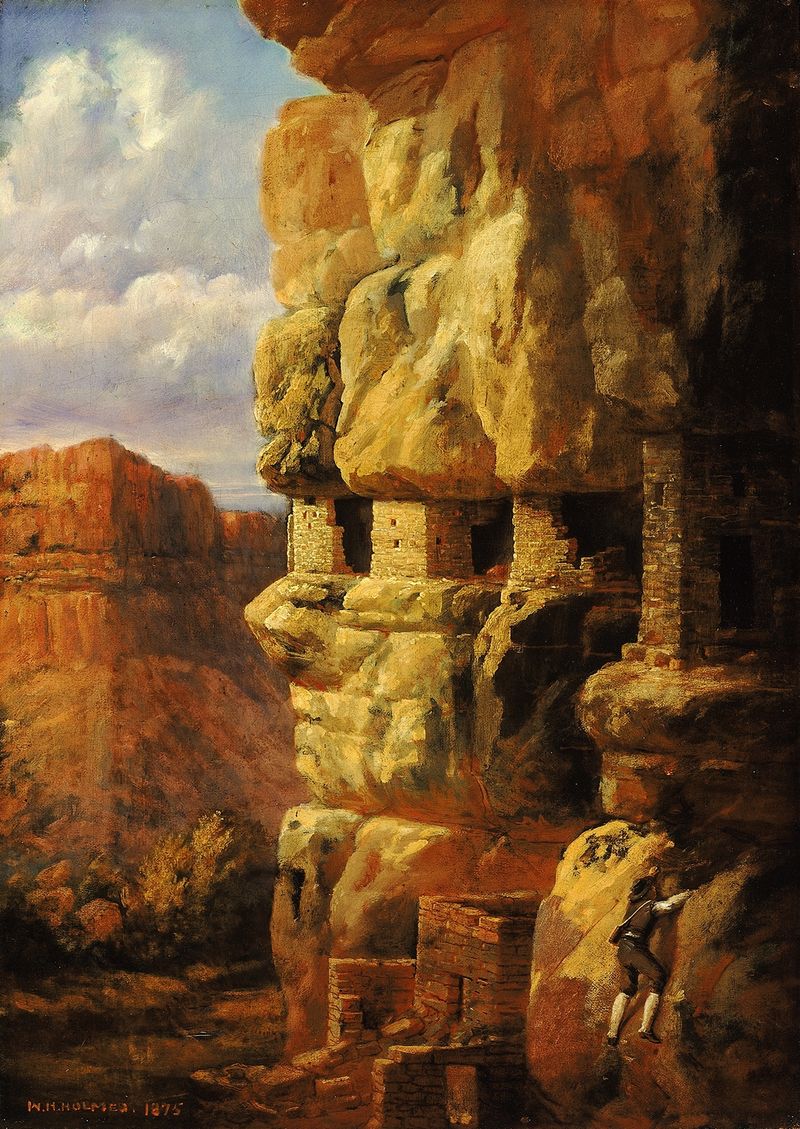
Cliff Houses On The Rio Mancos, Colorado
William Henry Holmes
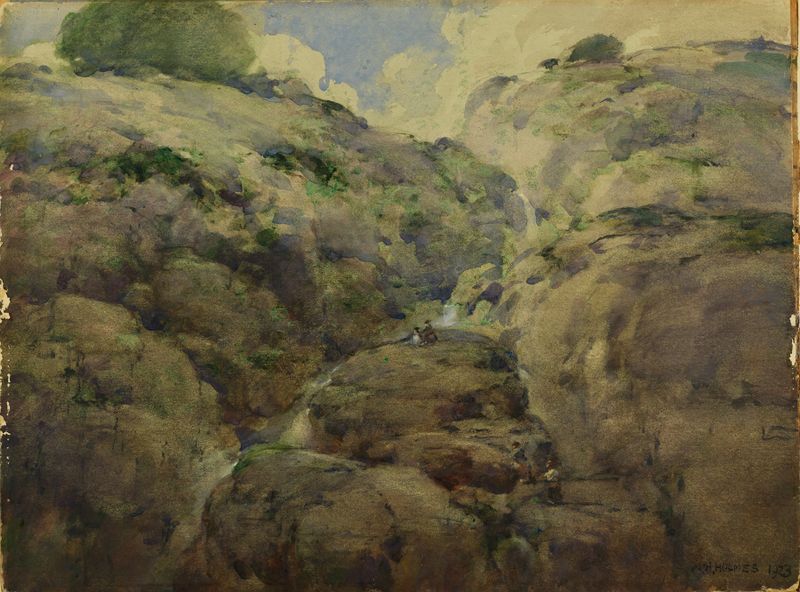
Mountain Gorge, Colorado
William Henry Holmes
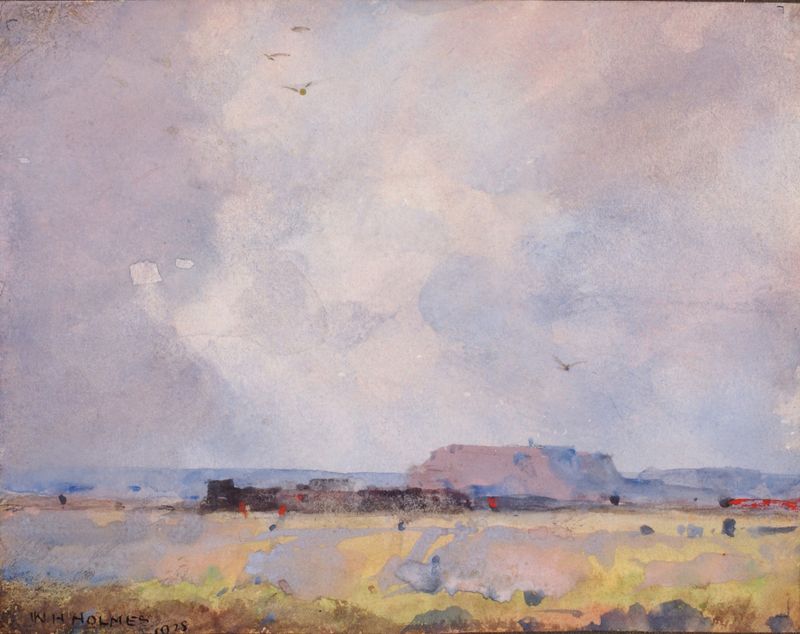
In The Plateau Country, With An Inhabited Pueblo
William Henry Holmes
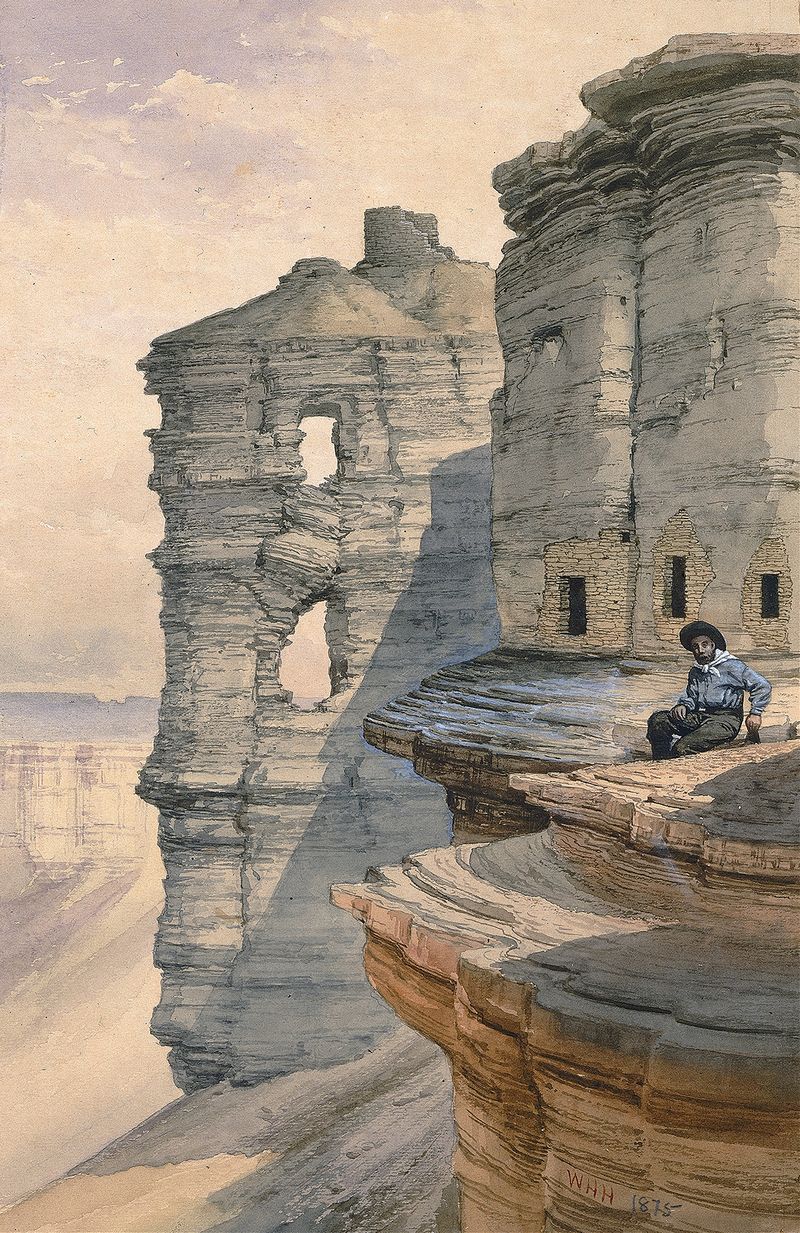
Cliff Houses on the Rio Mancos, Colorado
William Henry Holmes
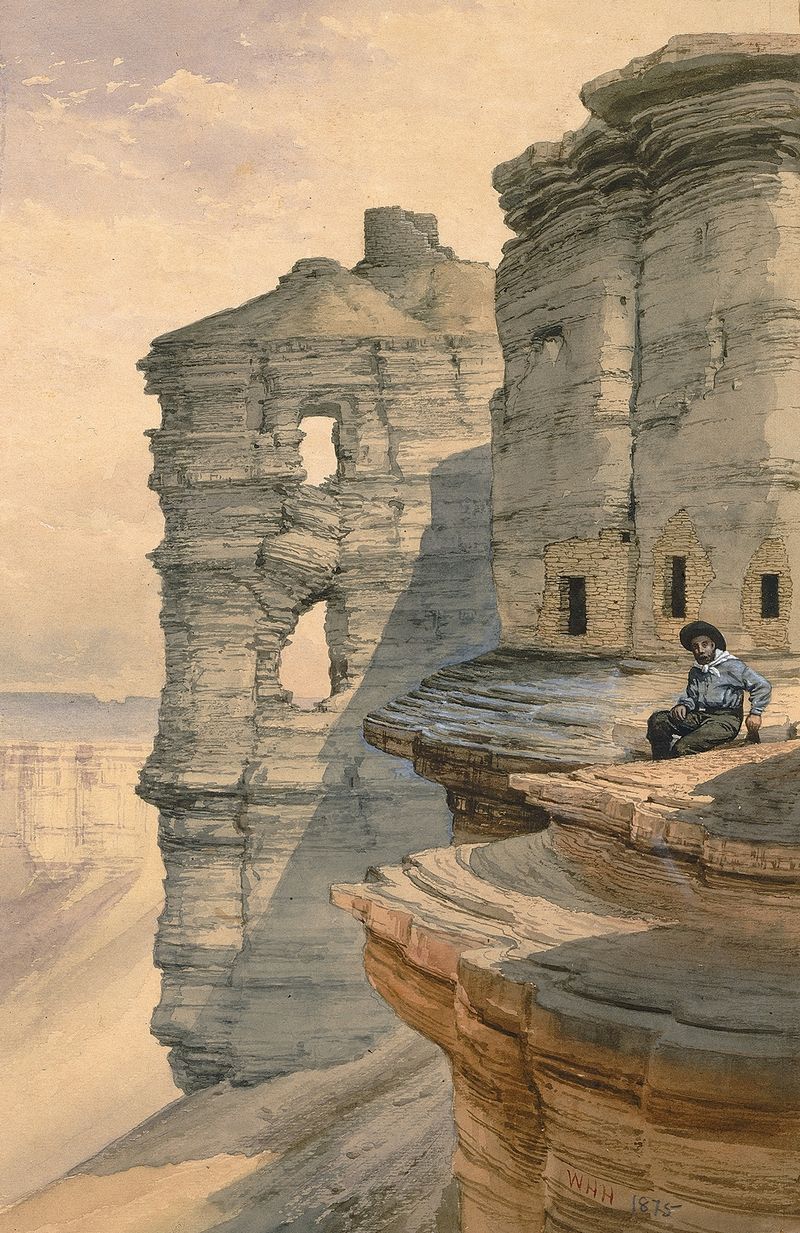
Cliff Houses On The Rio Mancos, Colorado
William Henry Holmes
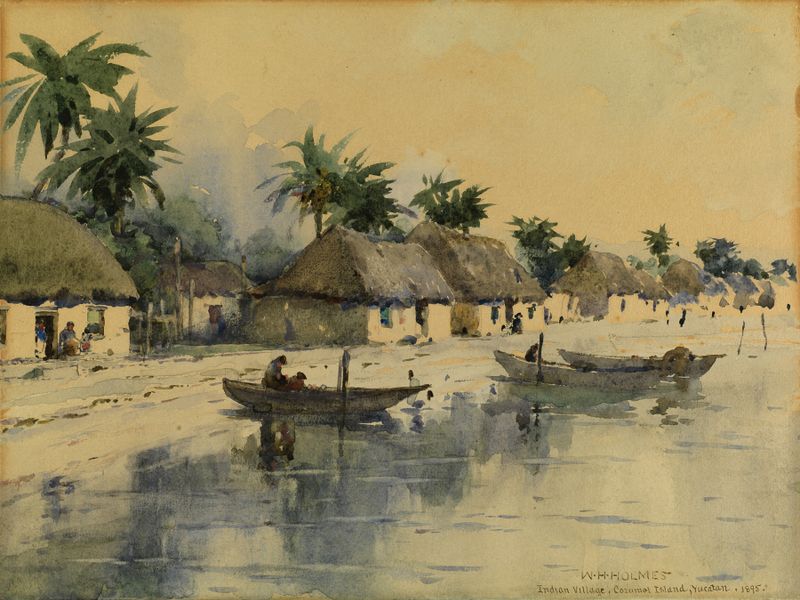
Indian Village, Cozumel Island, Yucatan
William Henry Holmes
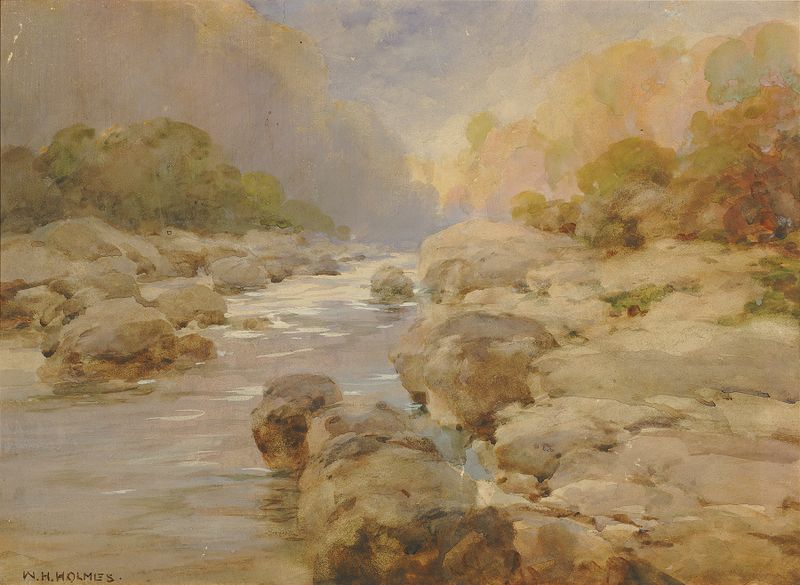
Unmodified Rock Creek, About 1910
William Henry Holmes
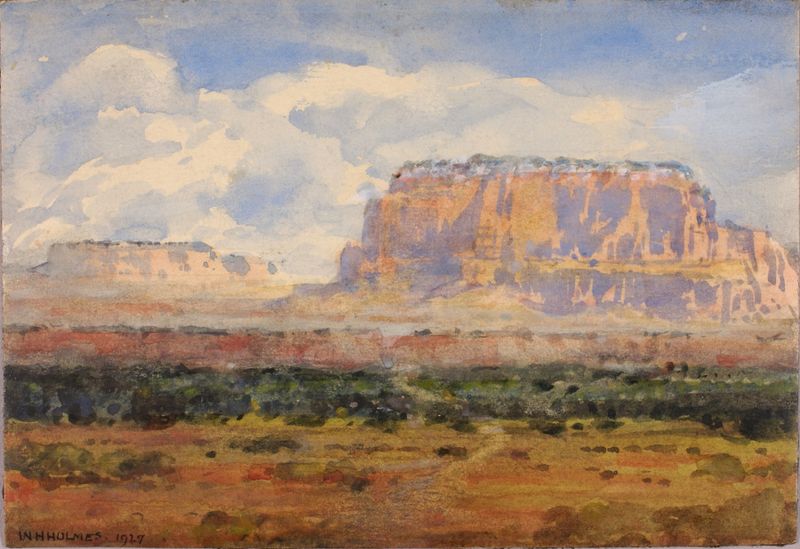
The Enchanted Mesa
William Henry Holmes
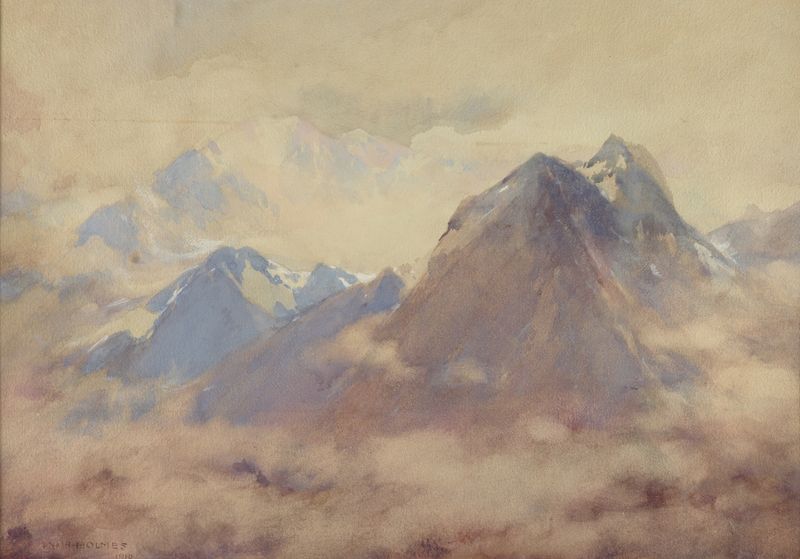
The Almighty’s Own, An Impression Of The High Andes
William Henry Holmes