Blumenstein — History & Facts
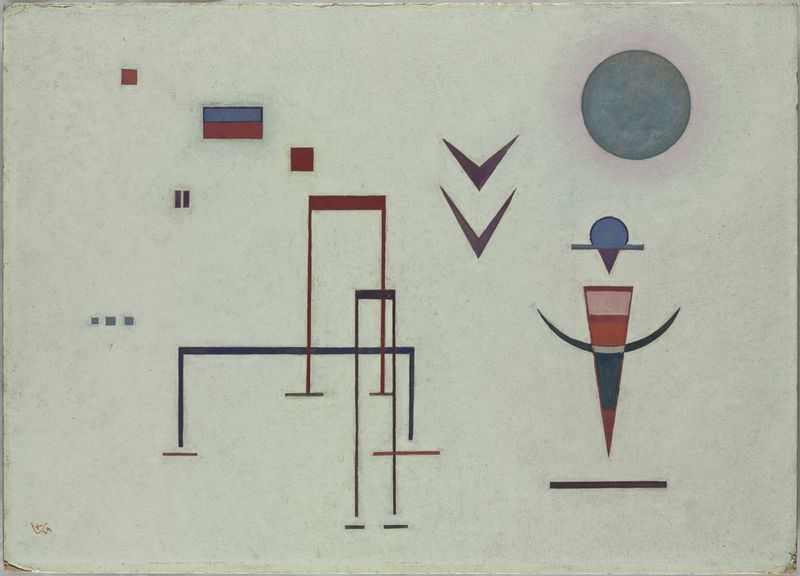
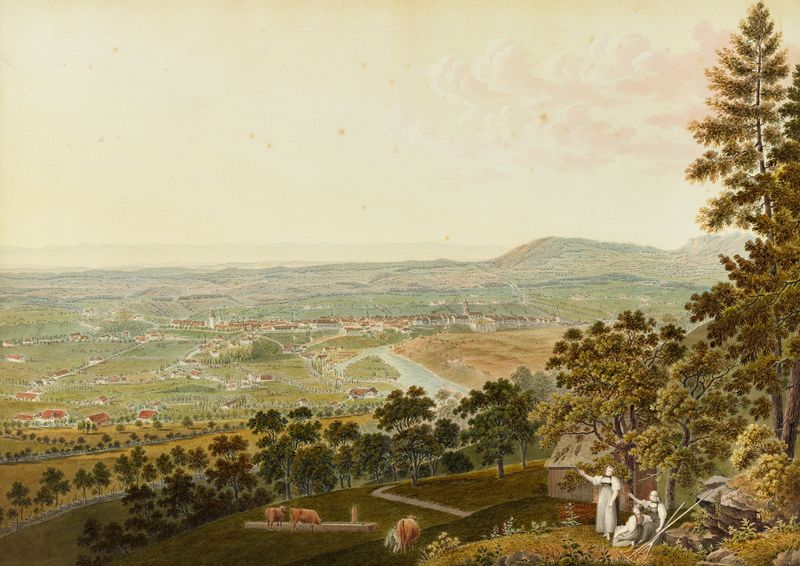
In the stillness of Blumenstein, the haunting absence of sound reverberates with unspoken movement, urging the viewer to delve deeper into its layered narrative. The very essence of the artwork invites contemplation, revealing how motion can exist even in the quietest of moments. Look to the center of the canvas, where abstract forms swirl together in a dynamic dance of color and shape. The vibrant hues—rich greens, deep blues, and warm ochres—intertwine like the movements of a gentle breeze through a field of flowers, creating an illusion of life and vitality.
The brushwork suggests urgency, as if the very paint is alive, striving to escape the confines of the canvas and engage the viewer in its unfolding story. Yet, within this energetic composition lies a juxtaposition: the chaos of movement against a backdrop of stillness. Observe the delicate interplay between light and shadow; it paints the forms with depth, revealing hidden layers of emotion. Each stroke and hue captures a moment of tension—between freedom and restraint, between past memories and future possibilities—drawing the viewer into a personal reflection on the nature of movement in their own life. At the time Blumenstein was created, Weibel was exploring the boundaries of abstraction and expressionism, seeking to capture the essence of movement through color and form.
Working in a period marked by a quest for innovative artistic expression, he found himself influenced by the rapidly changing world around him. Although the exact date of this piece remains unknown, it encapsulates a profound moment in his artistic journey, reflecting the emotional landscape of his time.
More Artworks by Jakob Samuel Weibel
Browse all →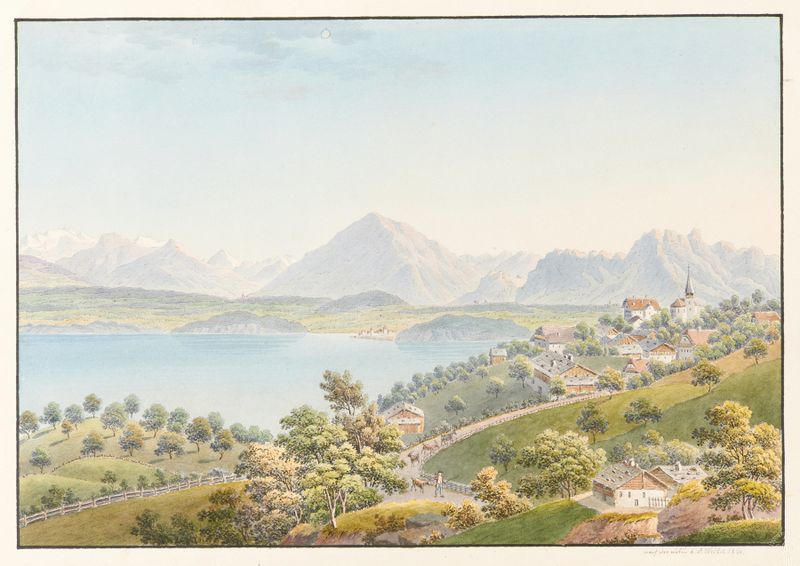
Vue dessiné depuis le Village de Sigriswil, audessus du Lac de Thoune
Jakob Samuel Weibel
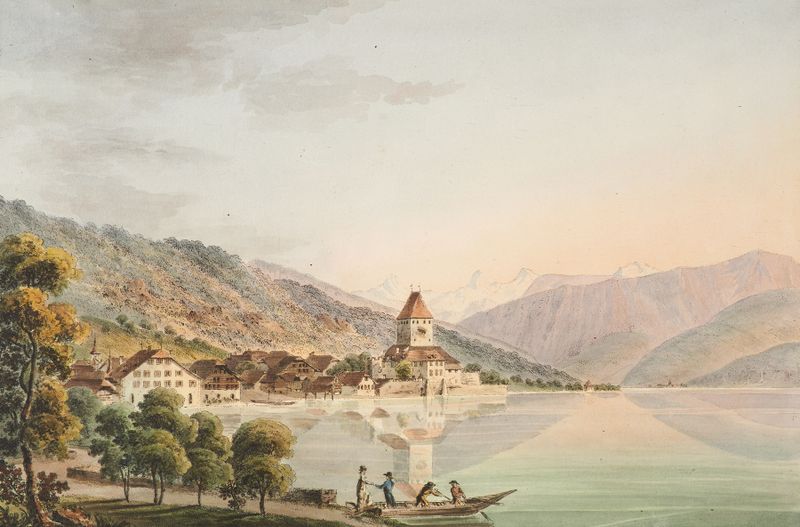
Vûe du Chateau d’Oberhofen au Lac de Thoune
Jakob Samuel Weibel
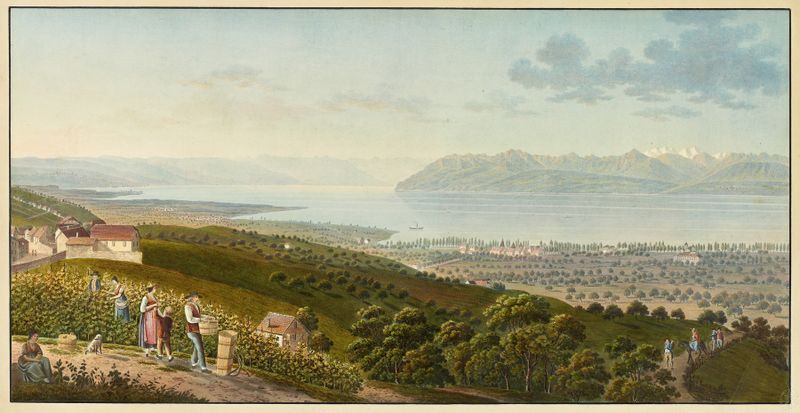
Vue genérale du Lac de Geneve
Jakob Samuel Weibel
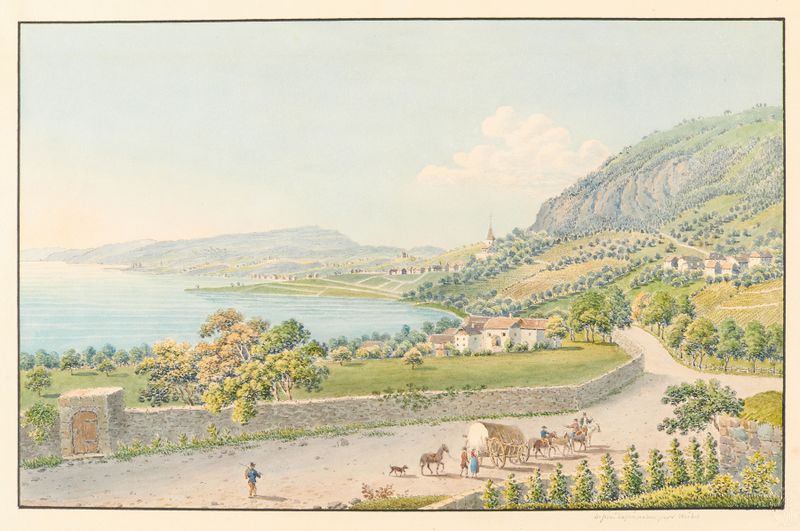
Vue des environs de Montreux et de Clarens
Jakob Samuel Weibel
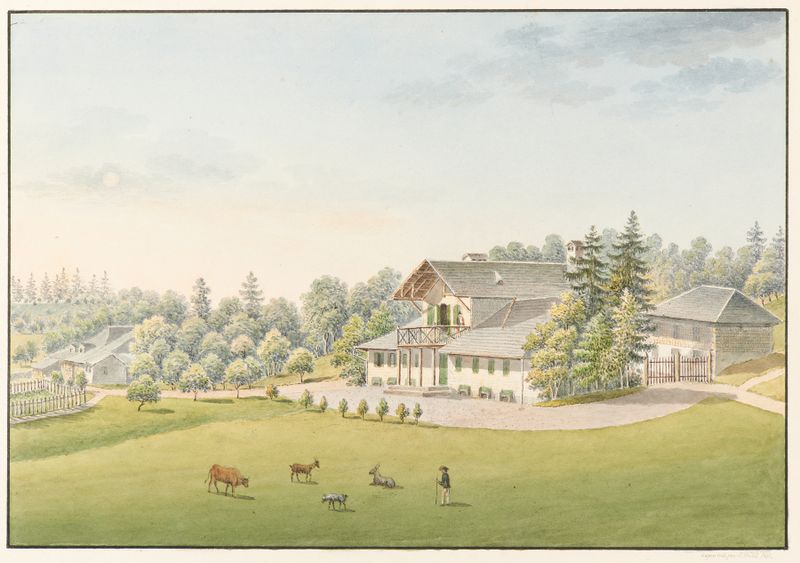
Vue du nouveau Châlet de Vernand
Jakob Samuel Weibel
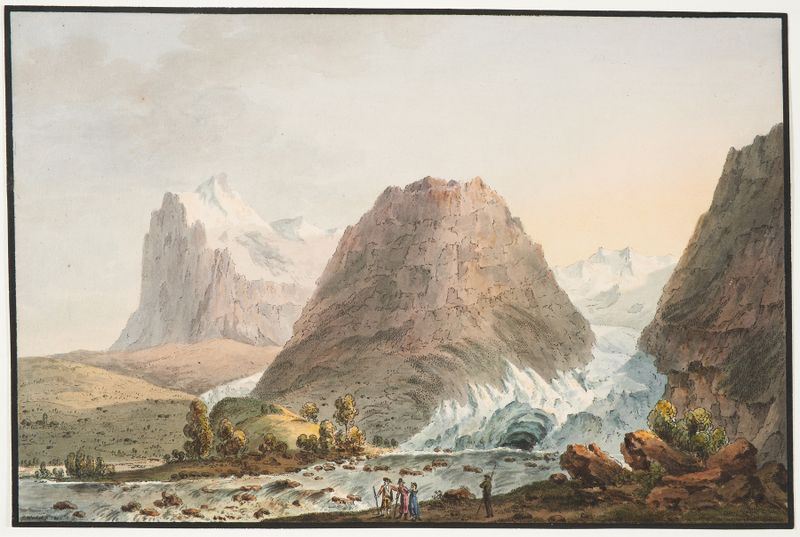
Vûe des Glacieres de Grindelwald
Jakob Samuel Weibel
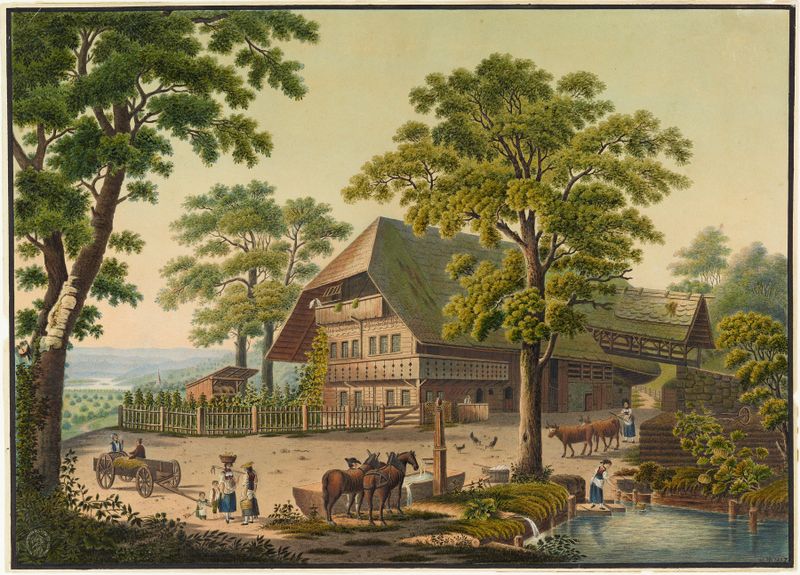
Maison de paysan près Wichtrach
Jakob Samuel Weibel
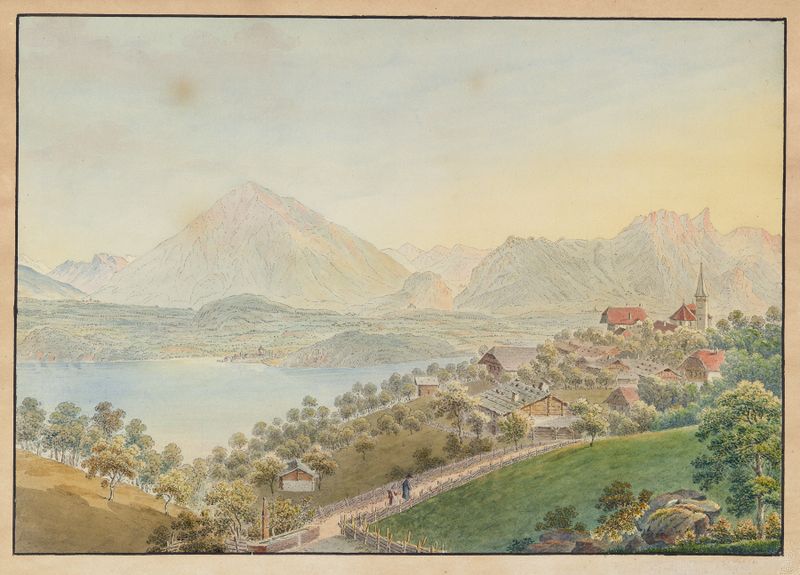
Ansicht von Sigriswil mit Niesen und Thunersee
Jakob Samuel Weibel
Ansicht Berns und der Aare vom Gurten aus
Jakob Samuel Weibel

Lausanne Ville capitale du Canton de Vaud
Jakob Samuel Weibel