
Blumentálsky kostol — History & Facts
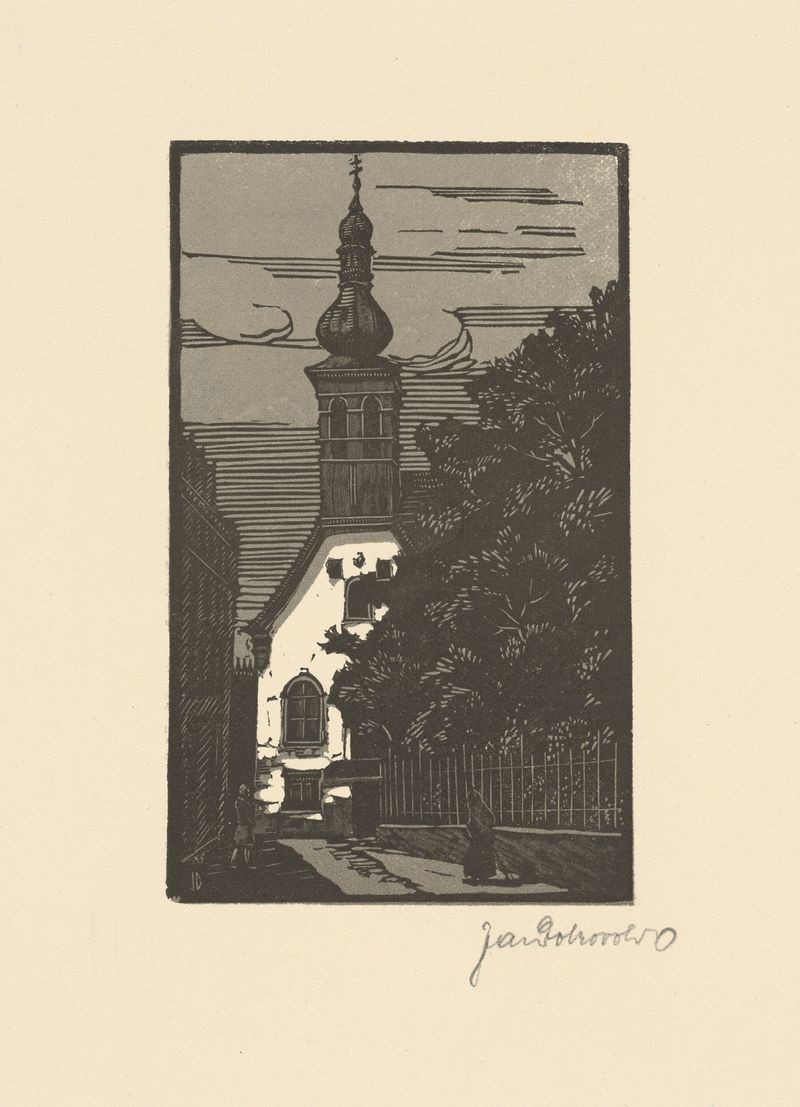
When did color learn to lie? In the realm of art, hues can veil harsh truths, creating illusions that both comfort and deceive. Focus on the depth of the sky in Blumentálsky kostol, where swirling blues and grays embrace the church spire. The juxtaposition of the warm earth tones of the building against the cold expanse above invites you to linger. Each brushstroke reveals a meticulous attention to form, capturing not just the architecture but the very spirit that inhabits it.
Notice how the shadows play along the façade, subtly hinting at the passage of time, while the light asserts a fleeting moment of tranquility. Within this landscape lies a profound exploration of mortality. The steeple, reaching upwards, contrasts sharply with the encroaching shadows of the trees, symbolizing the balance between aspiration and the inevitability of decline. The colors, vibrant yet somber, suggest a duality of hope and resignation — a reminder that even sacred spaces are subject to the ravages of time.
Each detail, from the delicate foliage to the sturdy stone, encapsulates the tension between life’s vibrancy and its ephemeral nature. In 1929, while Dobrovolský painted this piece in Prague, he found himself amidst a burgeoning modernist movement, grappling with the remnants of World War I's devastation. The world was shifting, embracing new ideologies and artistic expressions that sought to convey deeper truths. During this time, he explored the intersection of the tangible and the spiritual, using his art as a vessel to navigate the complexities of existence and mortality.
More Artworks by Jaroslav Dobrovolský
Browse all →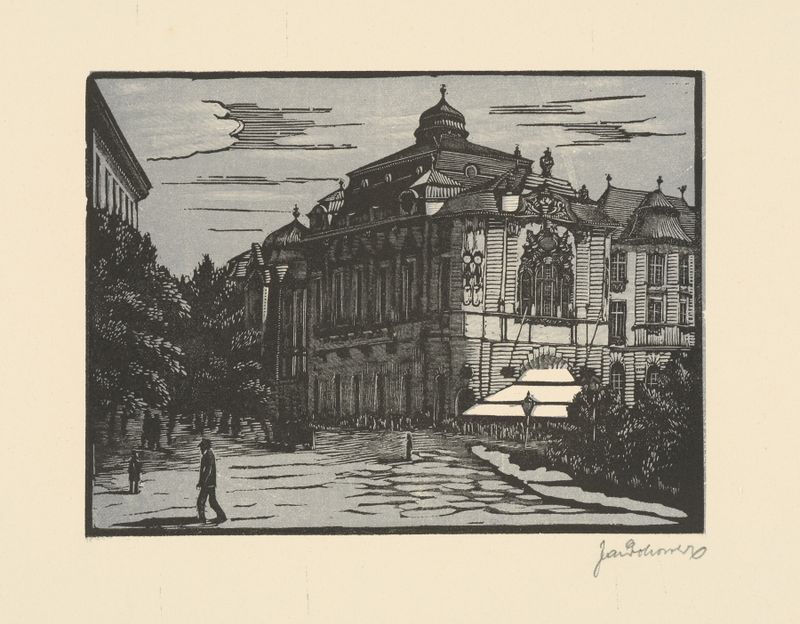
Reduta
Jaroslav Dobrovolský
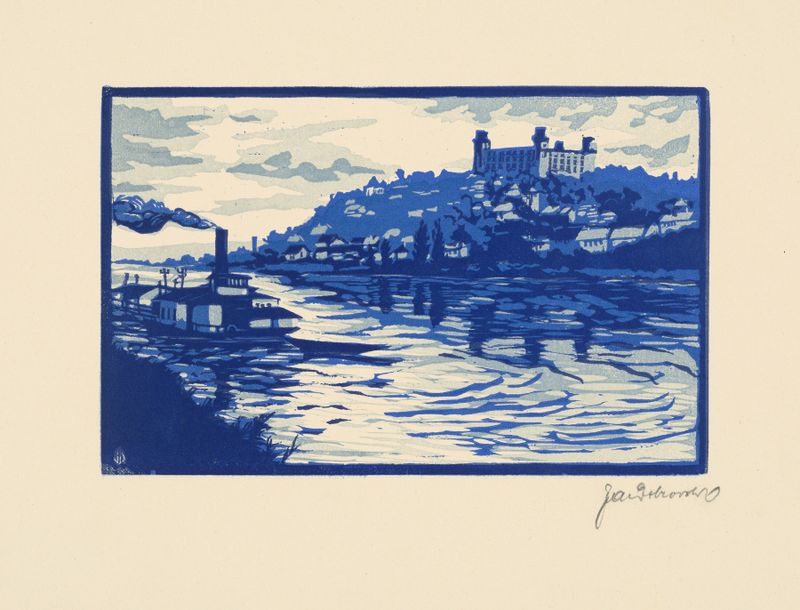
Pohľad z Petržalky
Jaroslav Dobrovolský
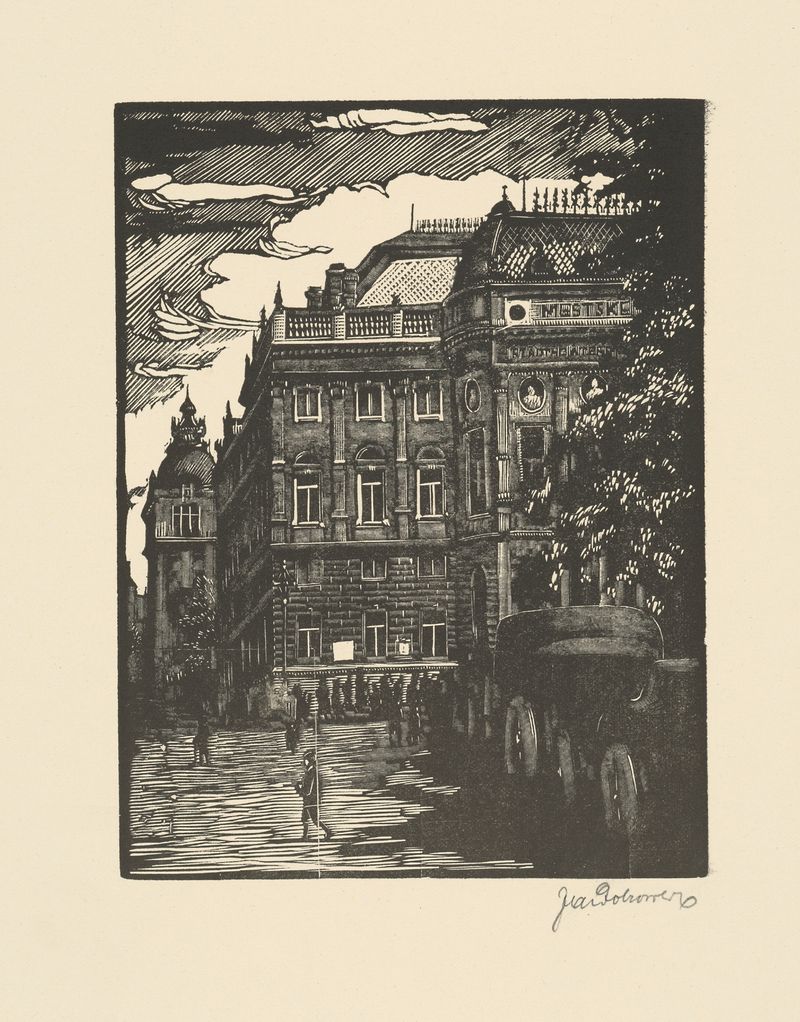
Mestské divadlo
Jaroslav Dobrovolský
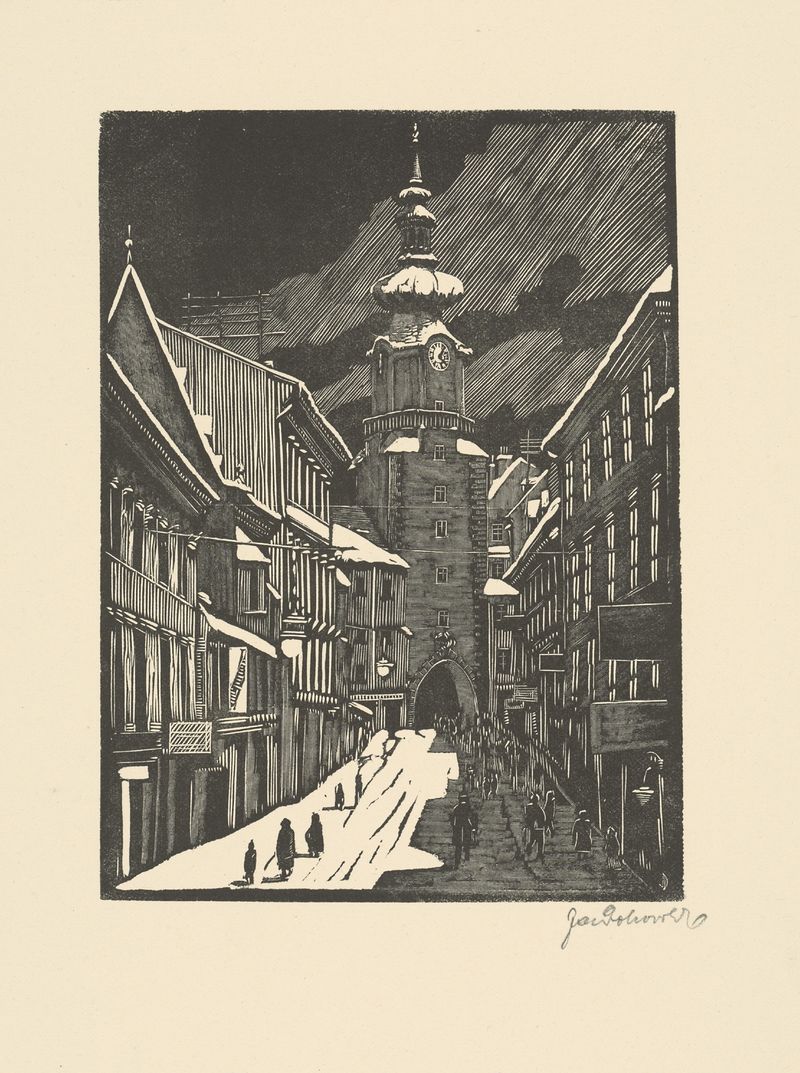
Michalská brána
Jaroslav Dobrovolský
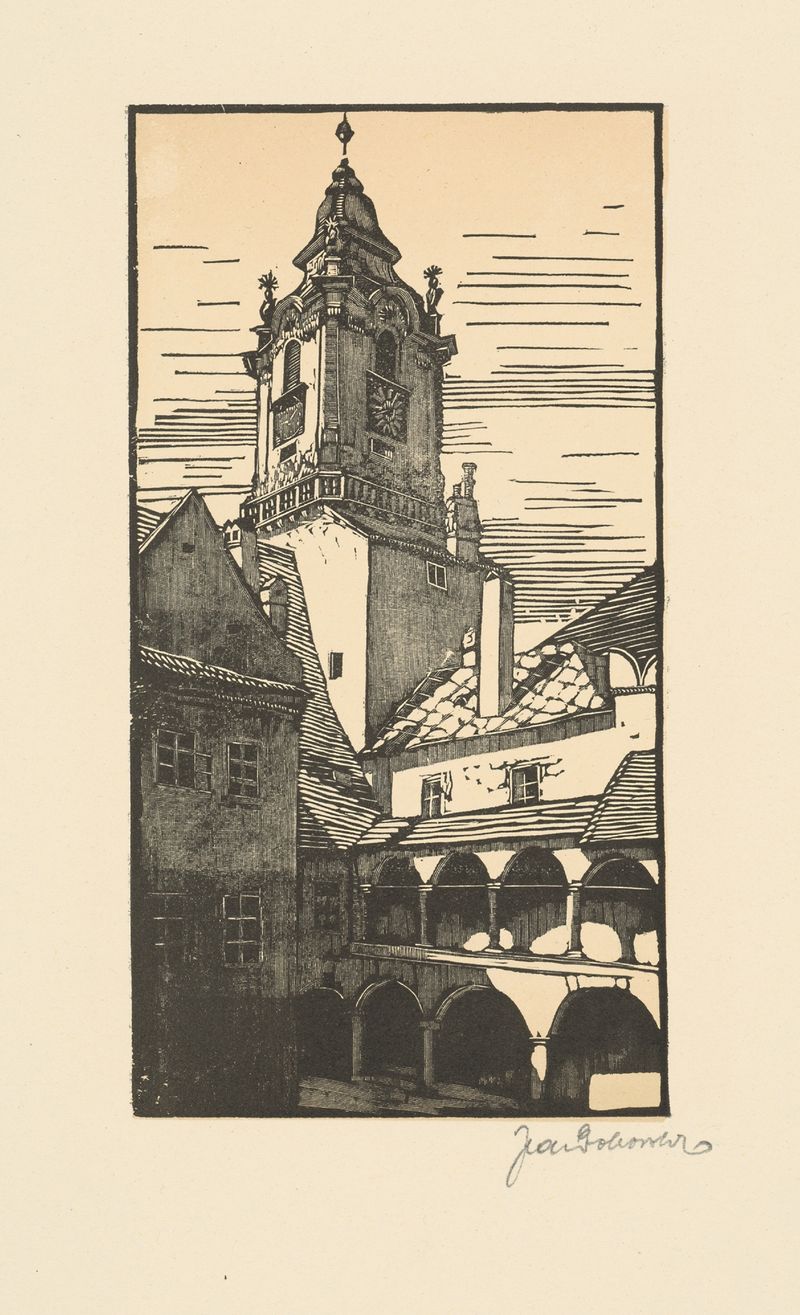
Dvor Starej radnice
Jaroslav Dobrovolský
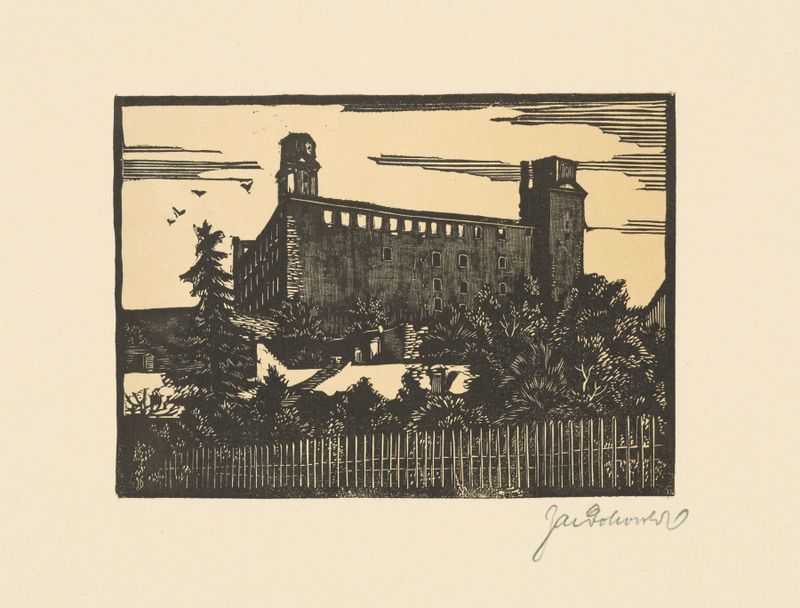
Hrad
Jaroslav Dobrovolský
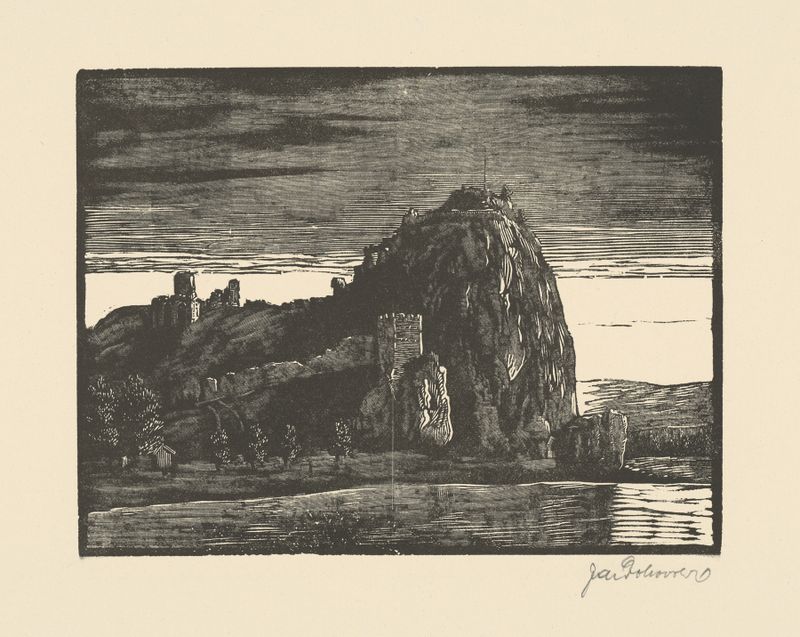
Devín
Jaroslav Dobrovolský
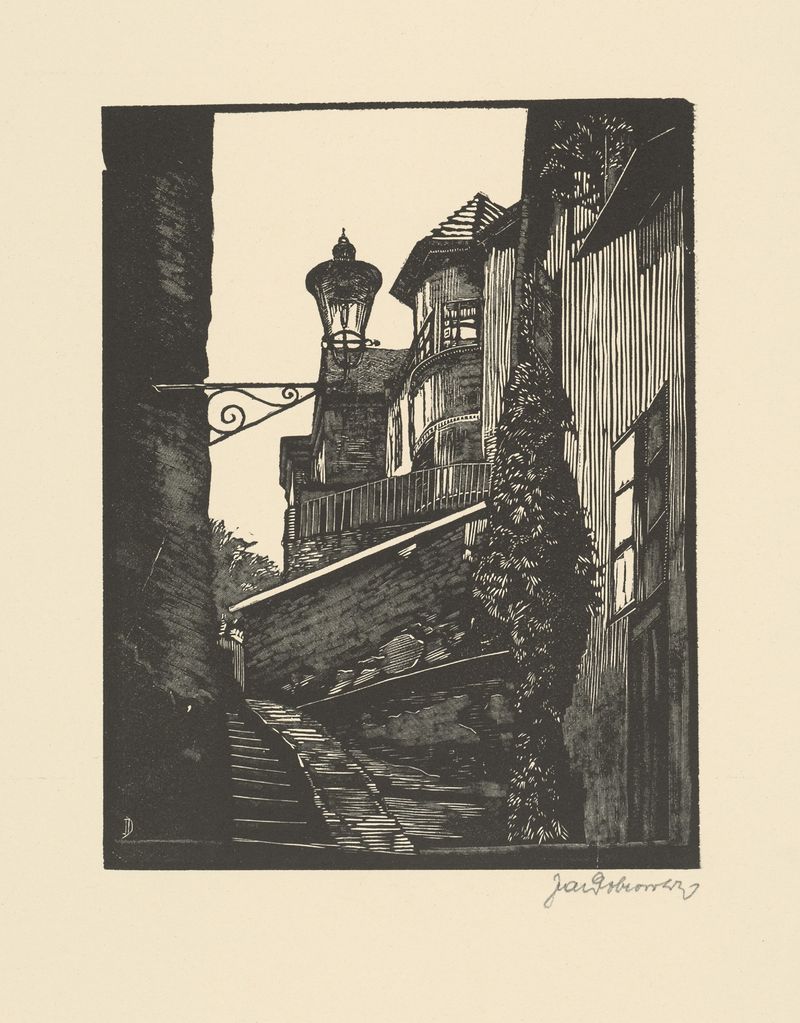
Zbytok mestského múru
Jaroslav Dobrovolský
Kostolík Uršuliniek
Jaroslav Dobrovolský
Stará radnica
Jaroslav Dobrovolský
More Architecture Art
Browse all →
The statue of Liberty
Frédéric Auguste Bartholdi

View of Houses in Delft, Known as ‘The Little Street’
Johannes Vermeer

View of Houses in Delft, Known as ‘The Little Street’
Johannes Vermeer

The Cathedral in Rouen. The portal, Grey Weather
Claude Monet

The yellow house
Vincent van Gogh

The Church in Auvers-sur-Oise, View from the Chevet
Vincent van Gogh