
Hrad — History & Facts
In the stillness of decay, we find a reflection of our own fleeting existence; what remains is often more profound than what once thrived. Look to the center of the canvas, where the remnants of a once-majestic structure rise against a muted sky. The crumbling walls, rendered in shades of gray and ochre, evoke a sense of nostalgia and loss, inviting the viewer to imagine a vibrant history. The artist’s deliberate brushstrokes capture the texture of the stone, allowing each crack and crevice to tell a story of time’s relentless passage.
Notice how the light gently caresses the surfaces, emphasizing the contrast between the vibrant past and the somber present. Within the decay lies a deeper meaning, a poignant exploration of mortality and the passage of time. The juxtaposition of the sturdy fortress against its dilapidated state speaks to the inevitability of decline, even for the strongest of structures. Shadows linger in the corners, hinting at the ghosts of memories long gone, while the muted colors evoke a profound sense of melancholy.
This artwork compels us to confront the beauty entwined with decay, urging reflection on what is lost and what remains. Created in 1929, during a period of profound change in Europe, the artist was grappling with the aftermath of the Great War and the shifting cultural landscape. Working in a world increasingly marked by turmoil and uncertainty, the piece reveals a sensitivity to both personal and collective loss. This was a time when many artists turned to themes of ruin and resilience, finding in them a poignant commentary on the human condition.
More Artworks by Jaroslav Dobrovolský
Browse all →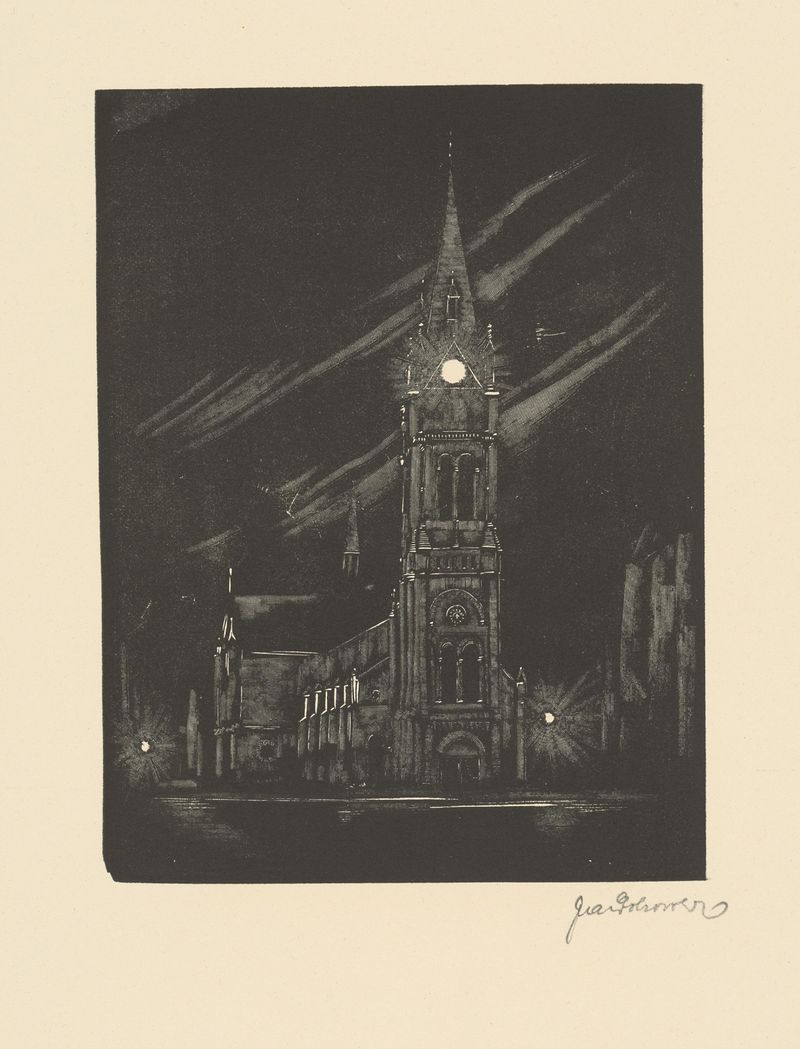
Blumentálsky kostol
Jaroslav Dobrovolský
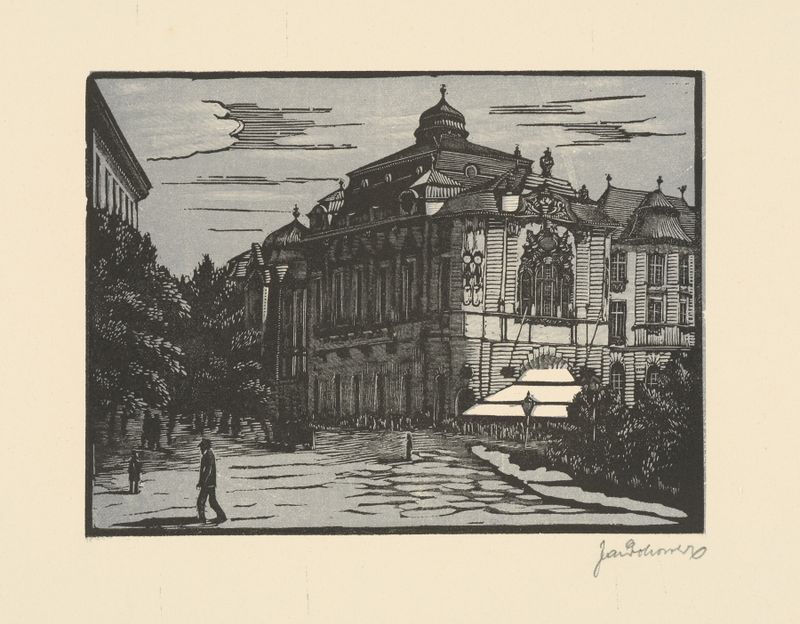
Reduta
Jaroslav Dobrovolský
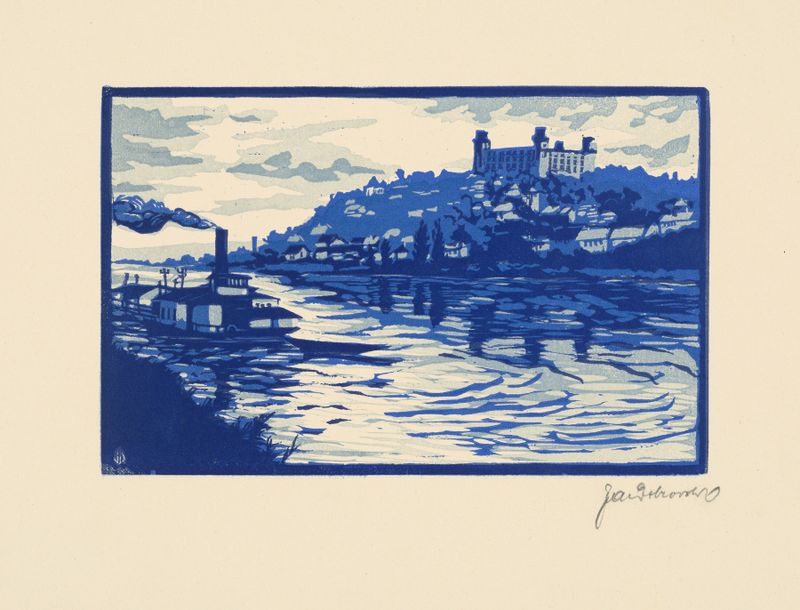
Pohľad z Petržalky
Jaroslav Dobrovolský
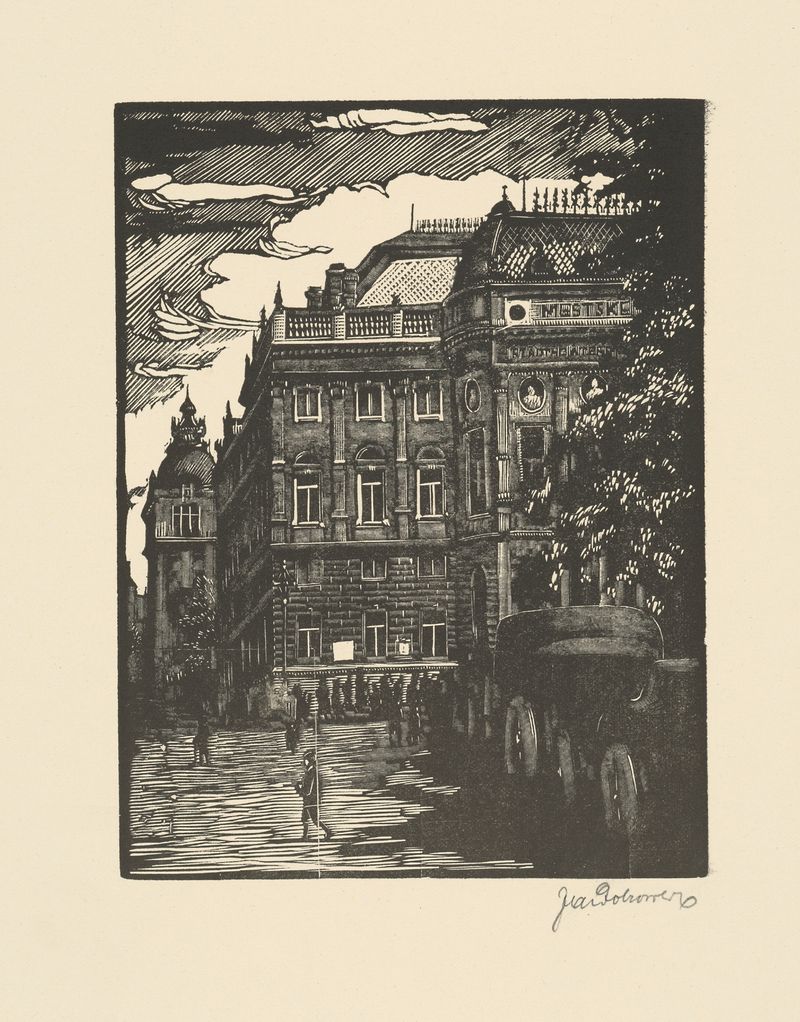
Mestské divadlo
Jaroslav Dobrovolský
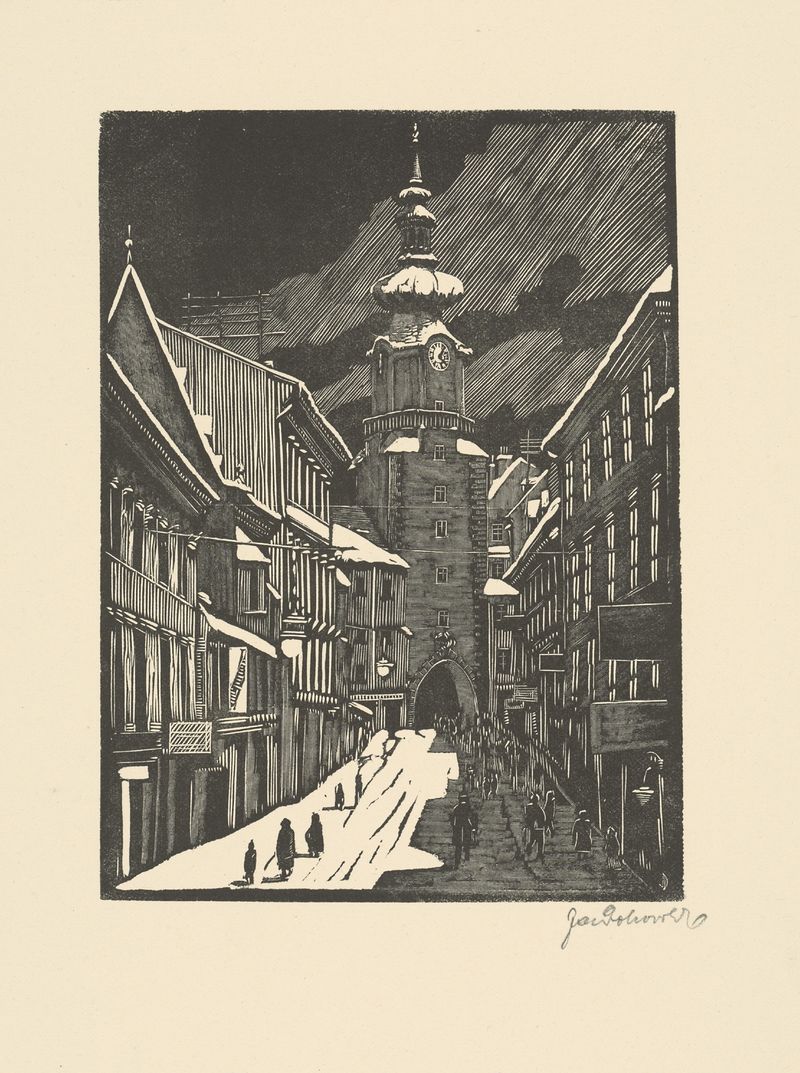
Michalská brána
Jaroslav Dobrovolský
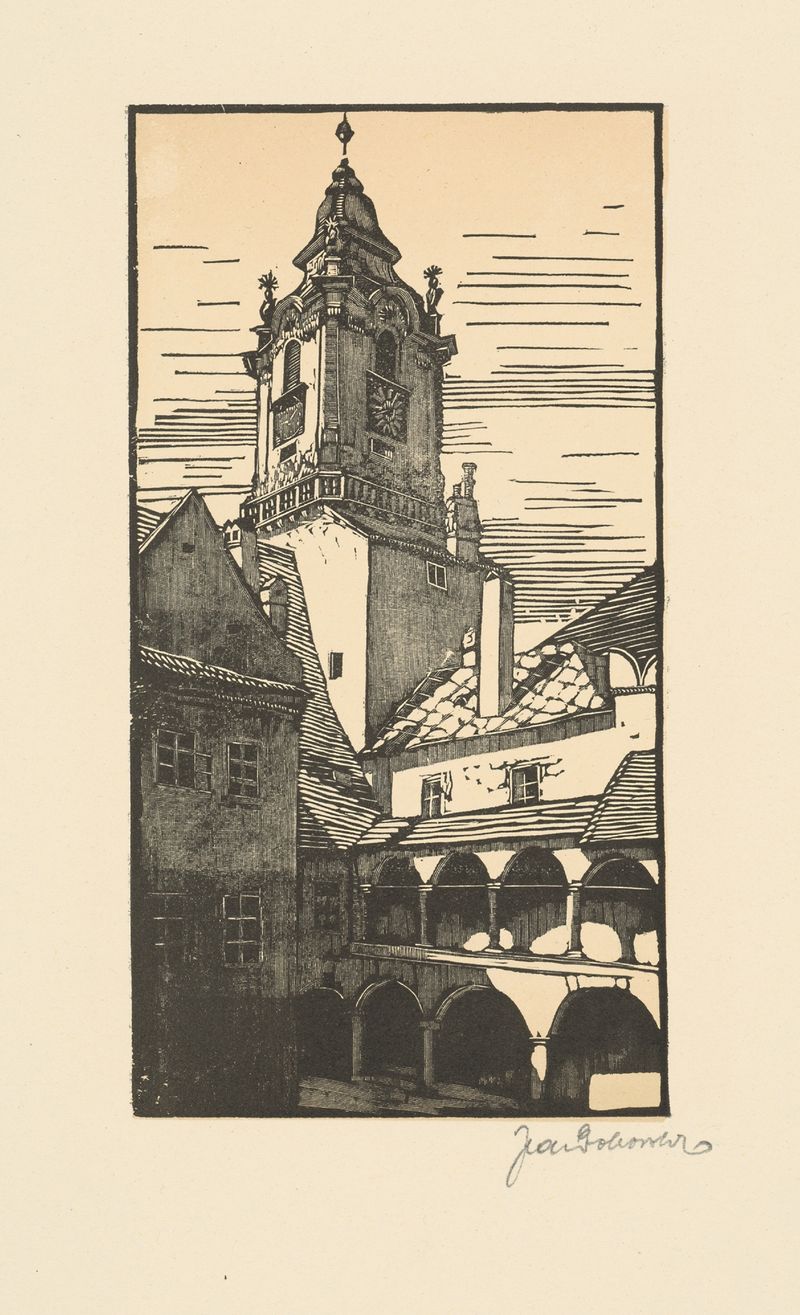
Dvor Starej radnice
Jaroslav Dobrovolský
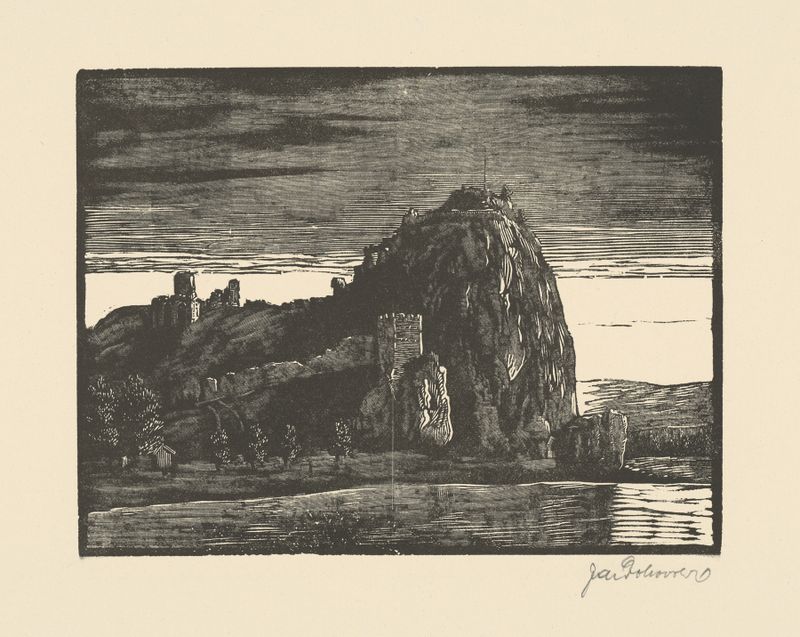
Devín
Jaroslav Dobrovolský
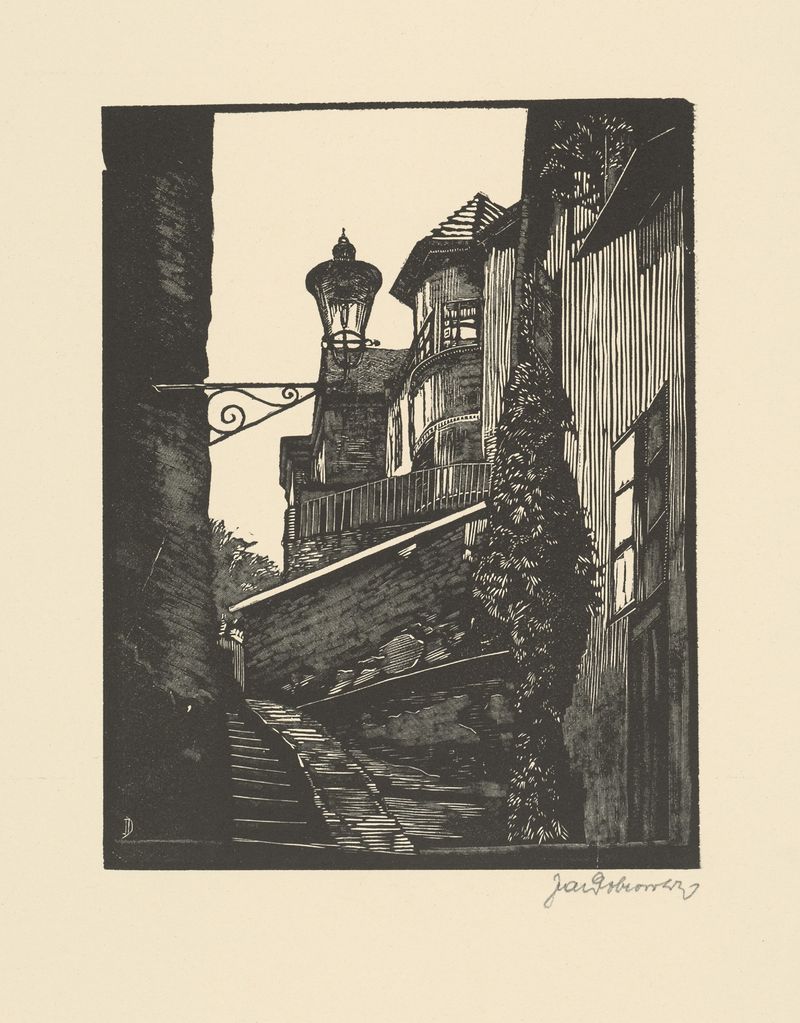
Zbytok mestského múru
Jaroslav Dobrovolský
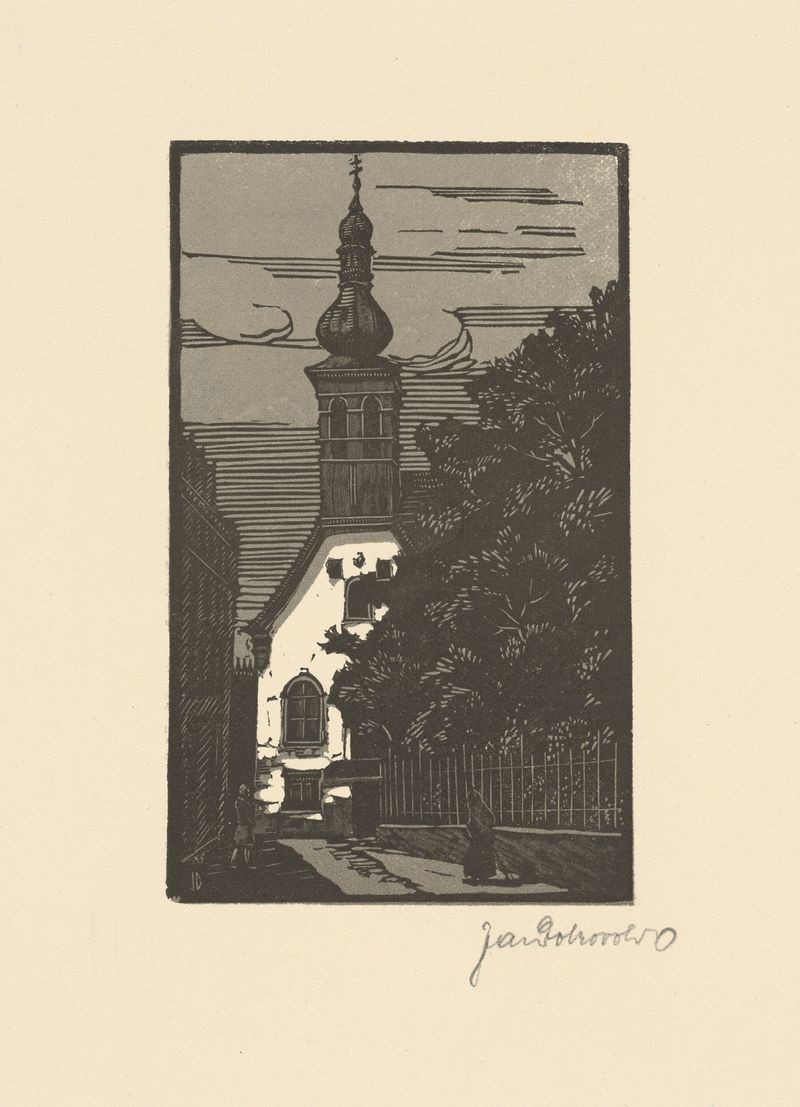
Kostolík Uršuliniek
Jaroslav Dobrovolský
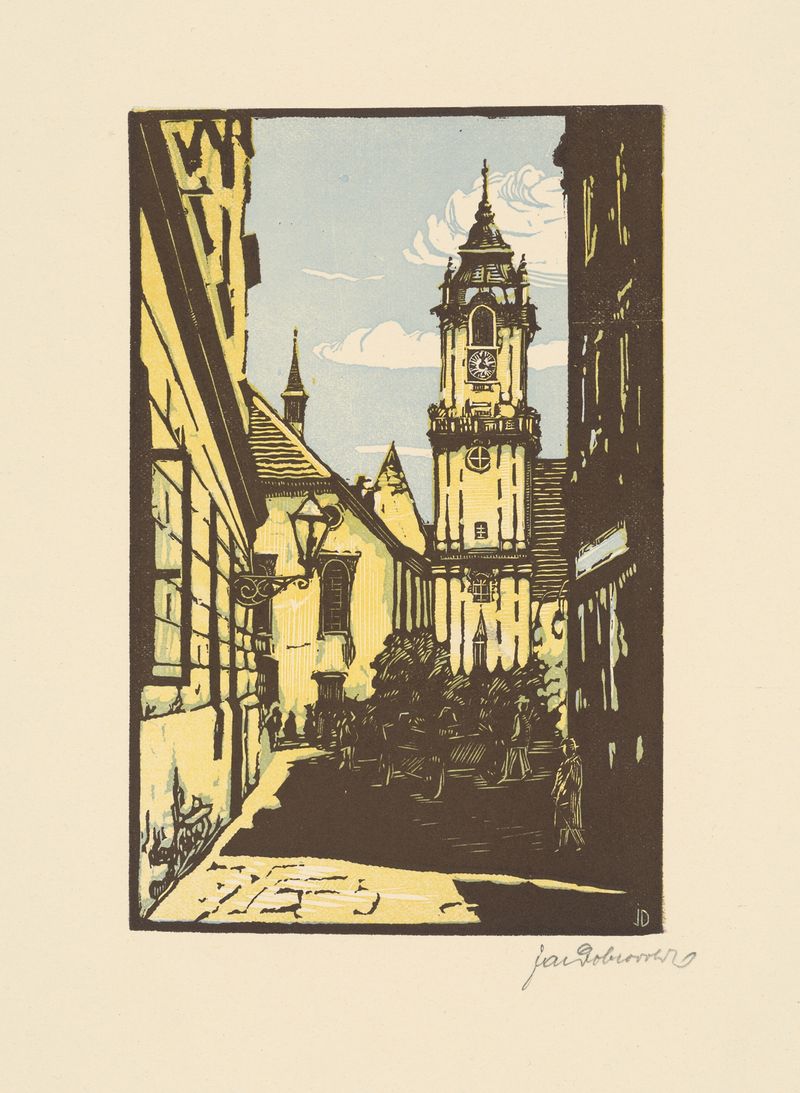
Stará radnica
Jaroslav Dobrovolský
More Architecture Art
Browse all →
The statue of Liberty
Frédéric Auguste Bartholdi

View of Houses in Delft, Known as ‘The Little Street’
Johannes Vermeer

View of Houses in Delft, Known as ‘The Little Street’
Johannes Vermeer

The Cathedral in Rouen. The portal, Grey Weather
Claude Monet

The yellow house
Vincent van Gogh

The Church in Auvers-sur-Oise, View from the Chevet
Vincent van Gogh