
Stará radnica — History & Facts
It lingers in the air, heavy with unspoken truths, reflecting the quiet betrayals that often reside in the heart of a city. Focus on the intricate architectural details of the Stará radnica, where each stone and arch conveys a silent narrative. The muted palette of browns and grays gives the structure a timeless quality, inviting the viewer to explore its weathered façade. Notice how the shadows dance along the walls, drawing attention to the melancholic beauty of decay, hinting at stories of love, loss, and the passage of time that echo through its corridors. The artwork subtly contrasts strength and vulnerability; the sturdy façade stands resilient against the encroaching shadows, while the delicate play of light suggests a fragility beneath the surface.
Tiny figures can be glimpsed in the foreground, perhaps lost in their own thoughts, navigating the tension between public duty and private emotions. Their presence evokes a sense of shared experience, yet also individual isolation, embodying the complex interplay of community and betrayal that can exist within the very heart of a city. In 1929, Jaroslav Dobrovolský painted this piece in a time marked by socio-political upheaval in Czechoslovakia, with his focus shifting to the intersections of architecture and emotional depth. As art movements evolved, he sought to capture the essence of urban life, infusing his works with a sense of narrative that transcended the mere physicality of structures.
The Stará radnica stands as a testament to this pursuit, a reflection of both the city’s grandeur and its hidden sorrows.
More Artworks by Jaroslav Dobrovolský
Browse all →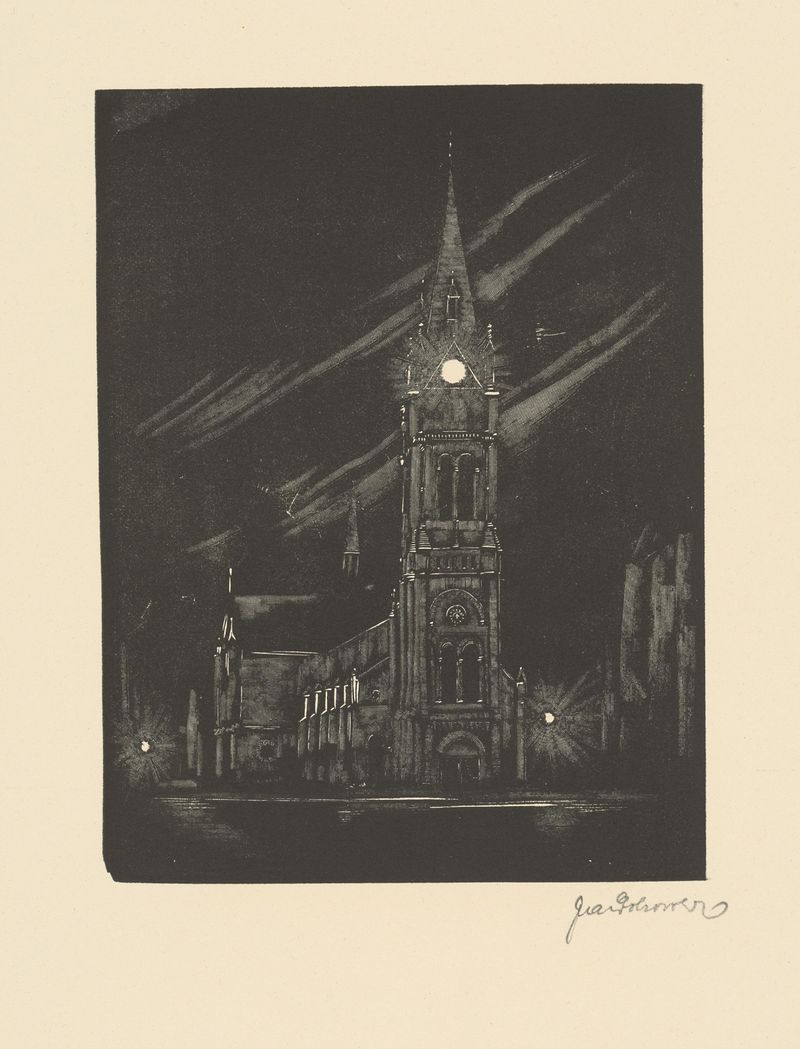
Blumentálsky kostol
Jaroslav Dobrovolský
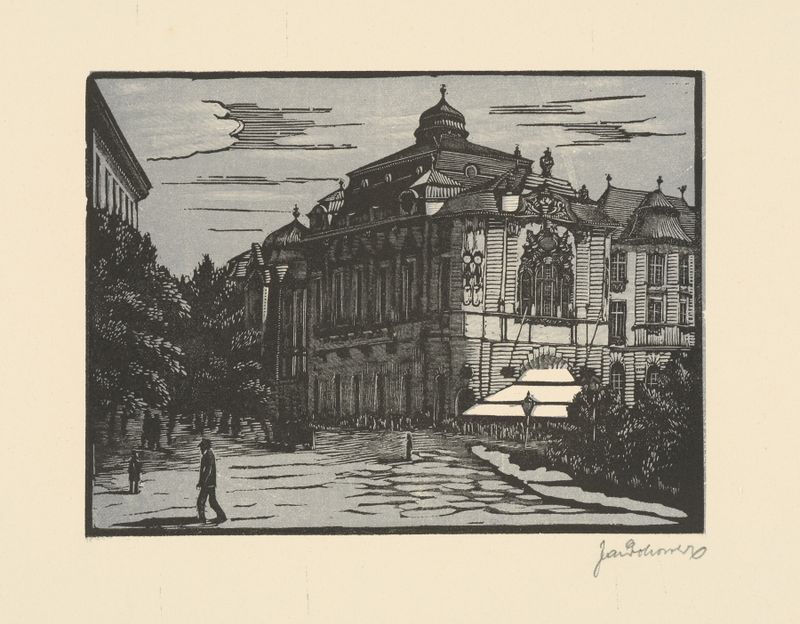
Reduta
Jaroslav Dobrovolský
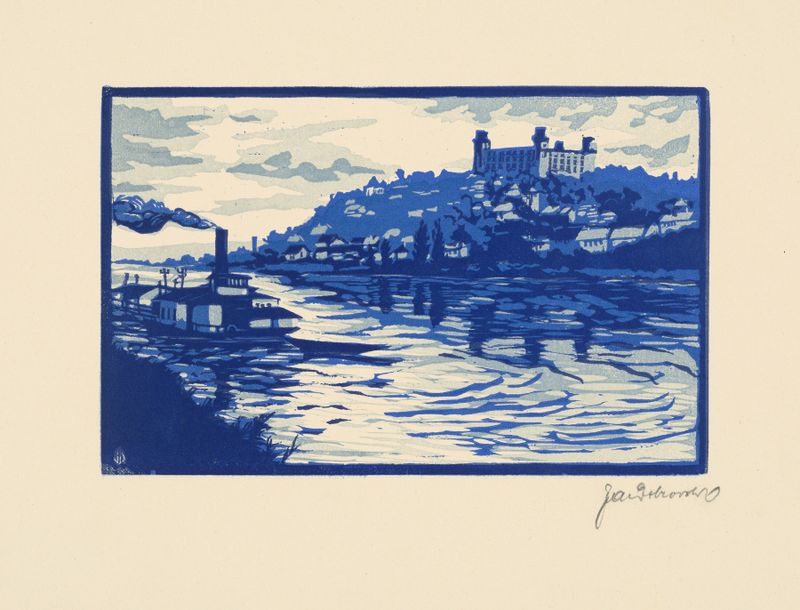
Pohľad z Petržalky
Jaroslav Dobrovolský
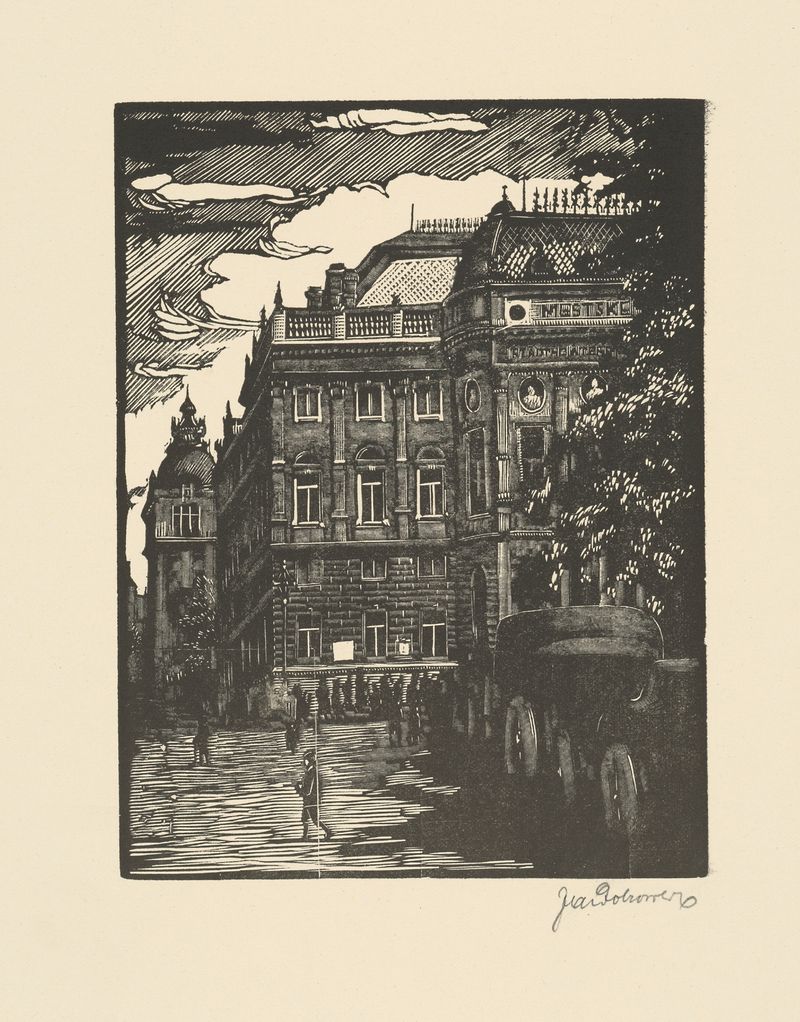
Mestské divadlo
Jaroslav Dobrovolský
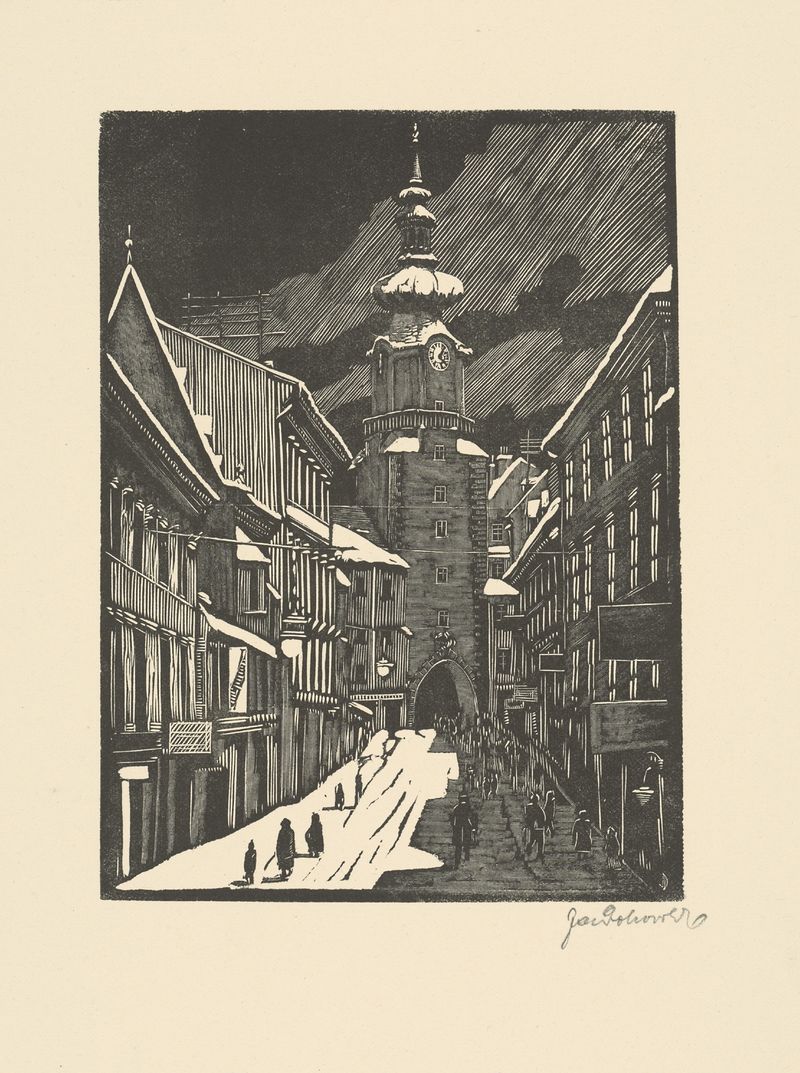
Michalská brána
Jaroslav Dobrovolský
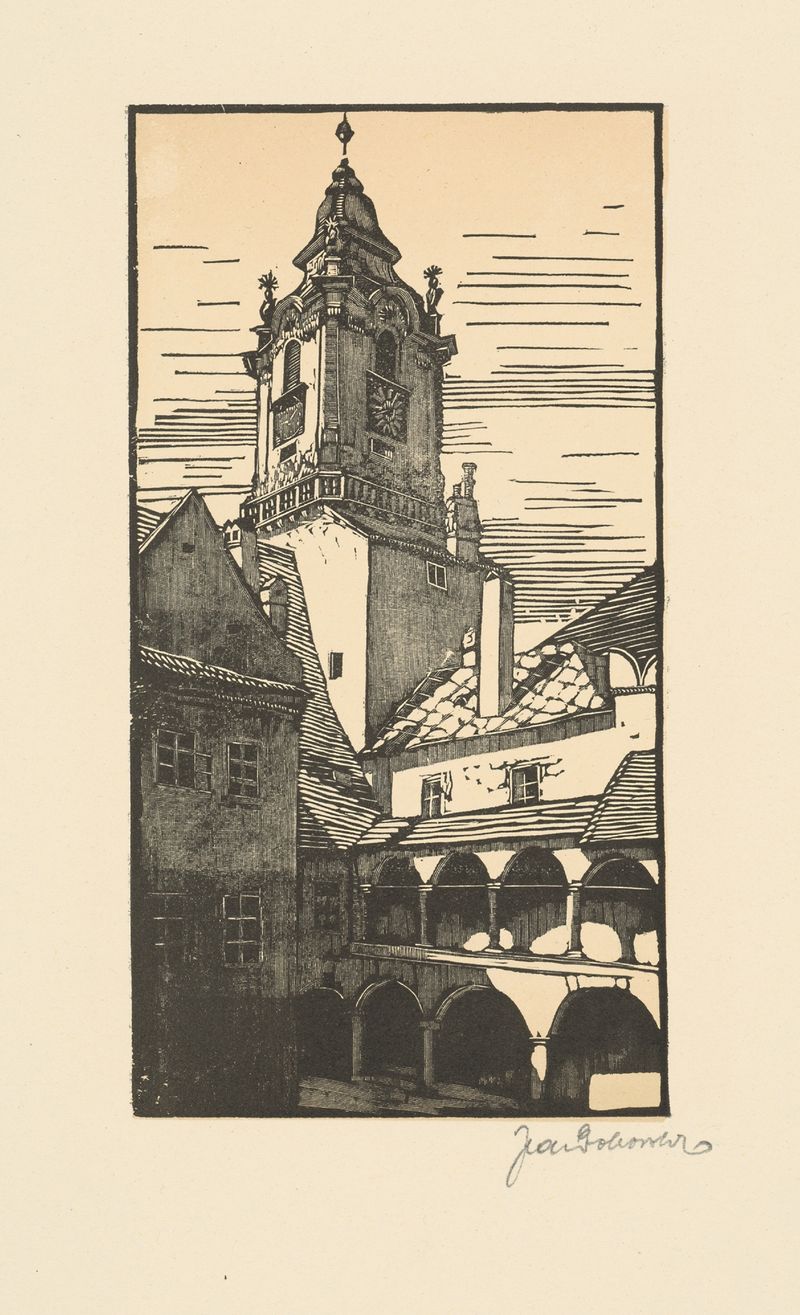
Dvor Starej radnice
Jaroslav Dobrovolský
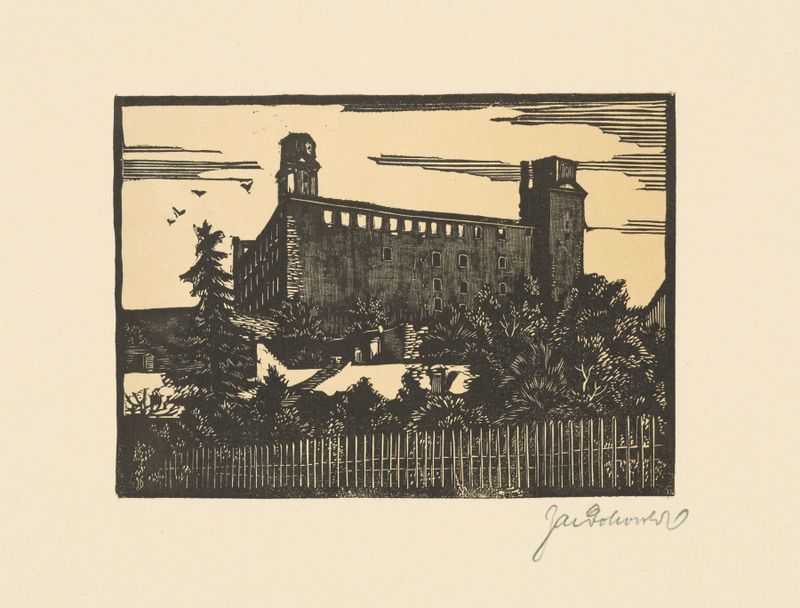
Hrad
Jaroslav Dobrovolský
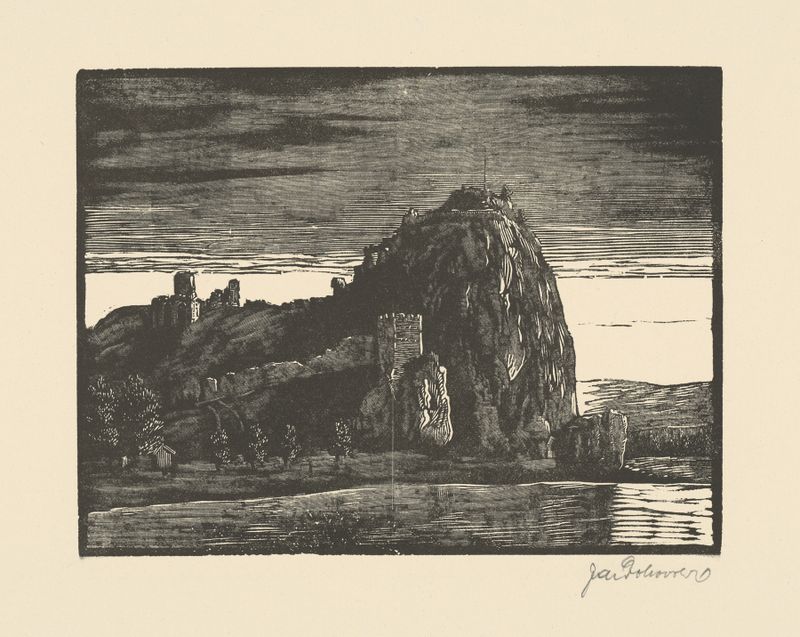
Devín
Jaroslav Dobrovolský
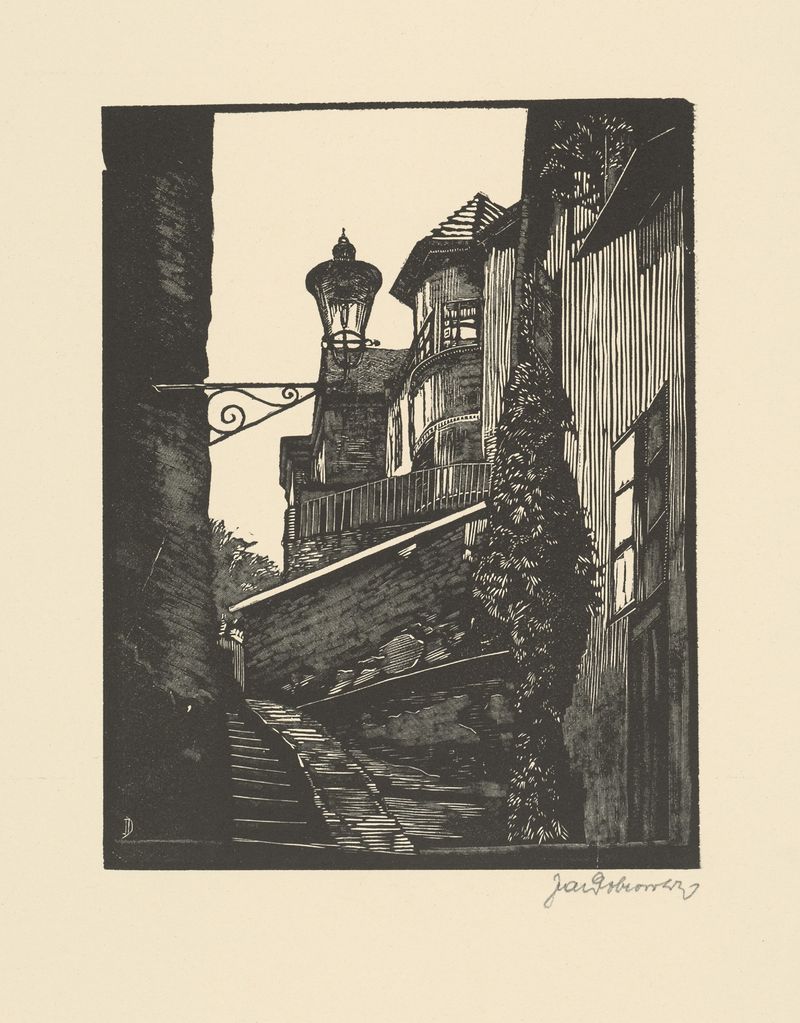
Zbytok mestského múru
Jaroslav Dobrovolský
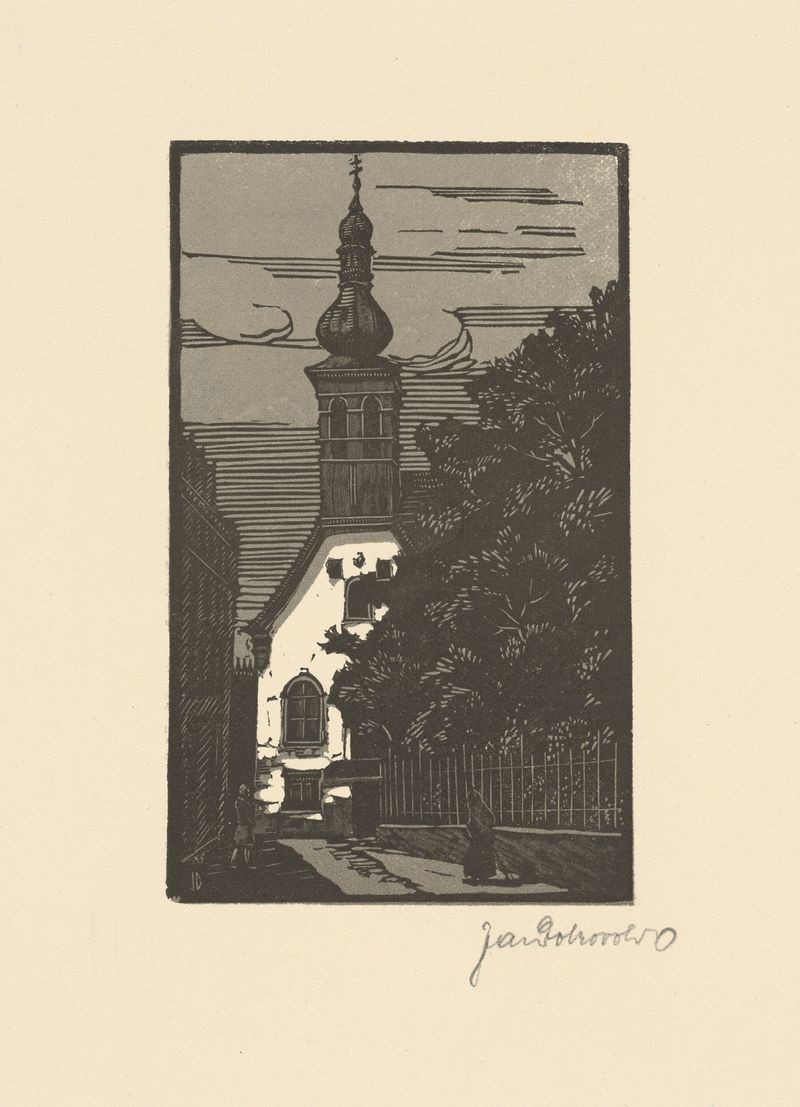
Kostolík Uršuliniek
Jaroslav Dobrovolský
More Architecture Art
Browse all →
The statue of Liberty
Frédéric Auguste Bartholdi

View of Houses in Delft, Known as ‘The Little Street’
Johannes Vermeer

View of Houses in Delft, Known as ‘The Little Street’
Johannes Vermeer

The Cathedral in Rouen. The portal, Grey Weather
Claude Monet

The yellow house
Vincent van Gogh

The Church in Auvers-sur-Oise, View from the Chevet
Vincent van Gogh