
Mestské divadlo — History & Facts
This delicate dance between time and artistry reveals the intricate layers of existence that often go unnoticed. How does one capture the essence of the transient in a world that rushes forward? Look at the center of the canvas where fragmented, angular forms converge, creating a dynamic tension that pulls the eye in. Notice the juxtaposition of vibrant colors — deep reds and luminous yellows — against the cooler blues that seem to represent the passage of time.
The brushstrokes are both frenetic and intentional, giving a sense of urgency while allowing moments of stillness to breathe within the chaos. It is an architectural landscape transformed into a symphony of shapes, echoing the rhythm of urban life. Delve deeper into the painting’s hidden meanings: the swirling forms might symbolize the intersection of personal and collective experiences, while the shadows lurking at the edges suggest the weight of history that bears down on the present. Each brushstroke tells a story of moments lost and memories forged, evoking an emotional resonance that transcends the confines of the canvas.
The harmonic chaos cradles a sense of nostalgia, inviting the viewer to reflect on the passage of time and its impact on human connection. In 1929, Dobrovolský painted this work during a period of great experimentation in the art world, situated in interwar Czechoslovakia. The artist was exploring modernist styles, seeking to break free from traditional forms. Amidst this dynamic cultural landscape, Mestské divadlo emerges as a testament to the complex interplay of time, memory, and emotion within a rapidly changing society.
More Artworks by Jaroslav Dobrovolský
Browse all →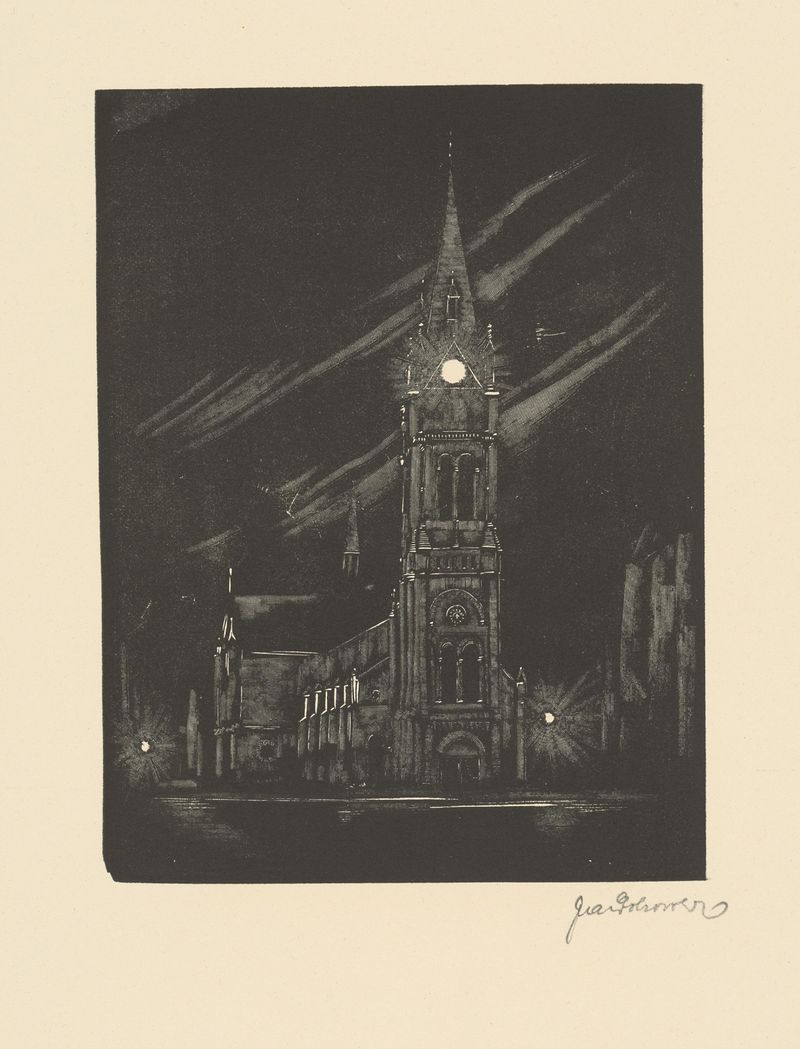
Blumentálsky kostol
Jaroslav Dobrovolský
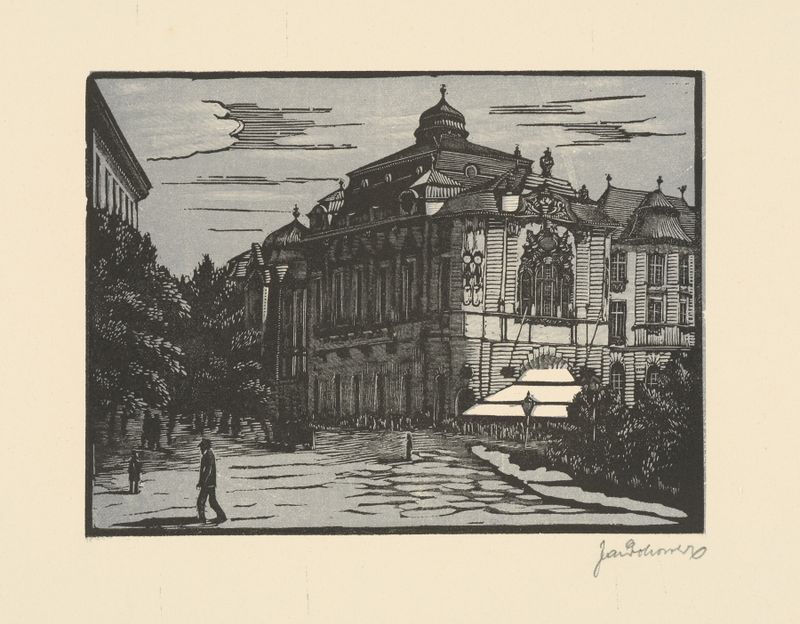
Reduta
Jaroslav Dobrovolský
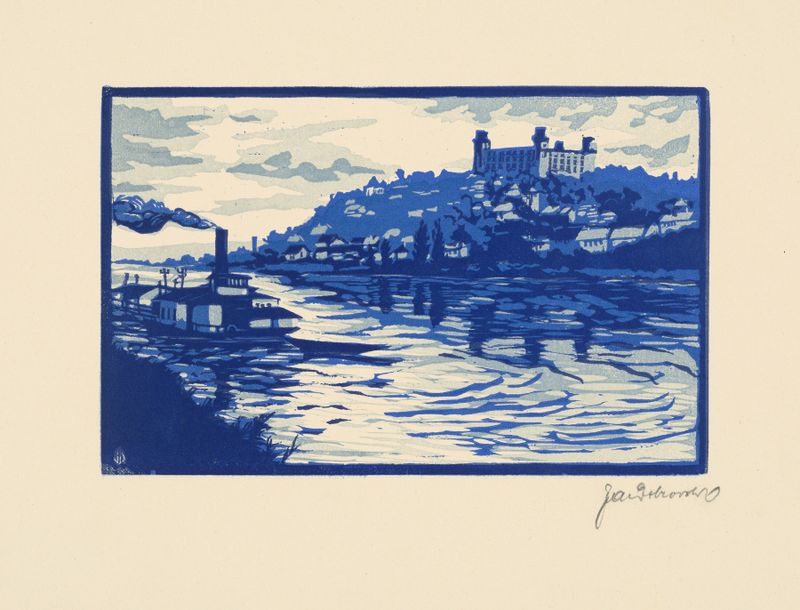
Pohľad z Petržalky
Jaroslav Dobrovolský
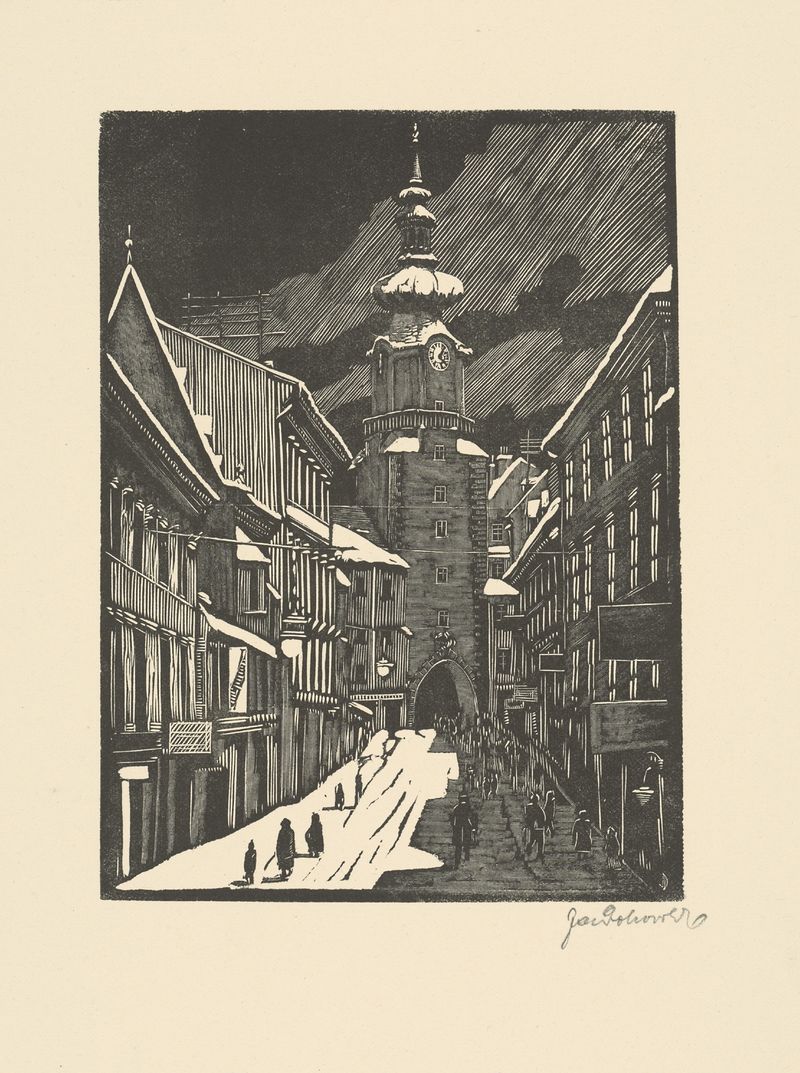
Michalská brána
Jaroslav Dobrovolský
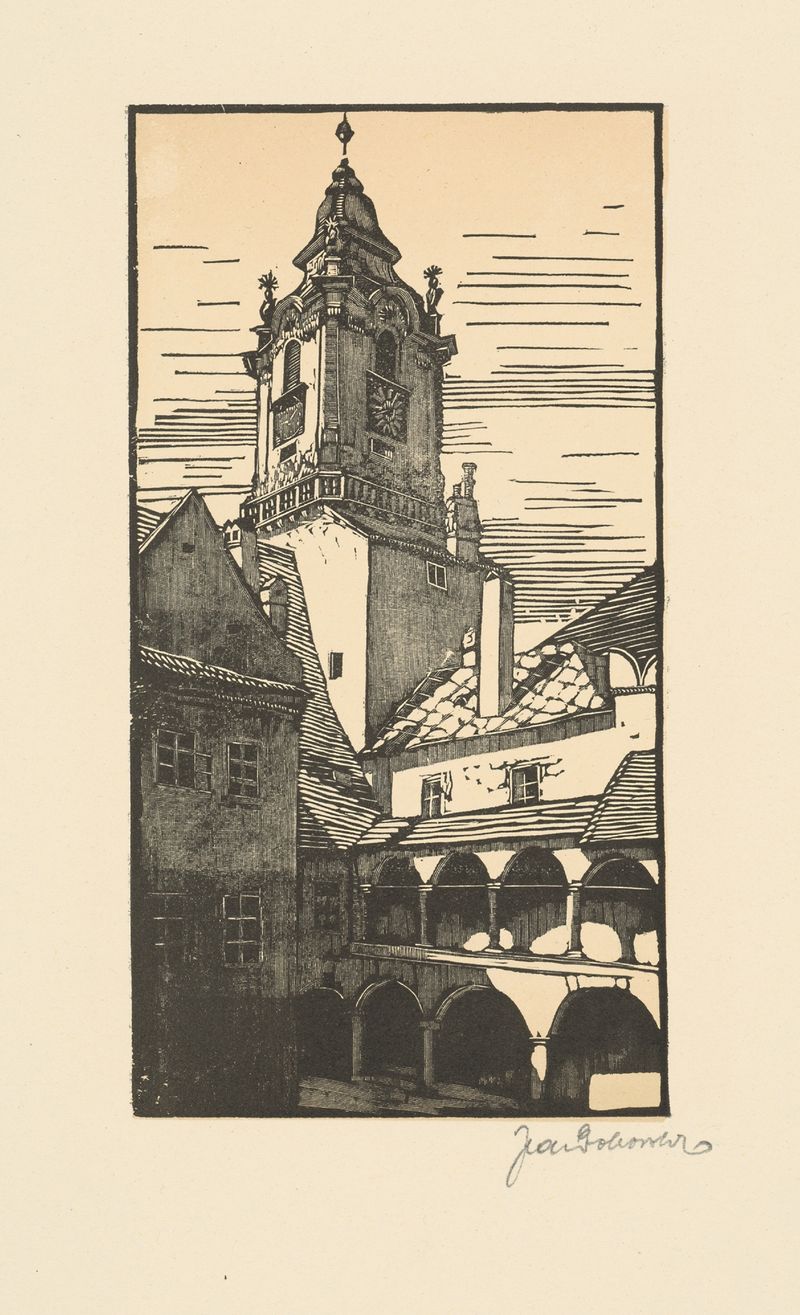
Dvor Starej radnice
Jaroslav Dobrovolský
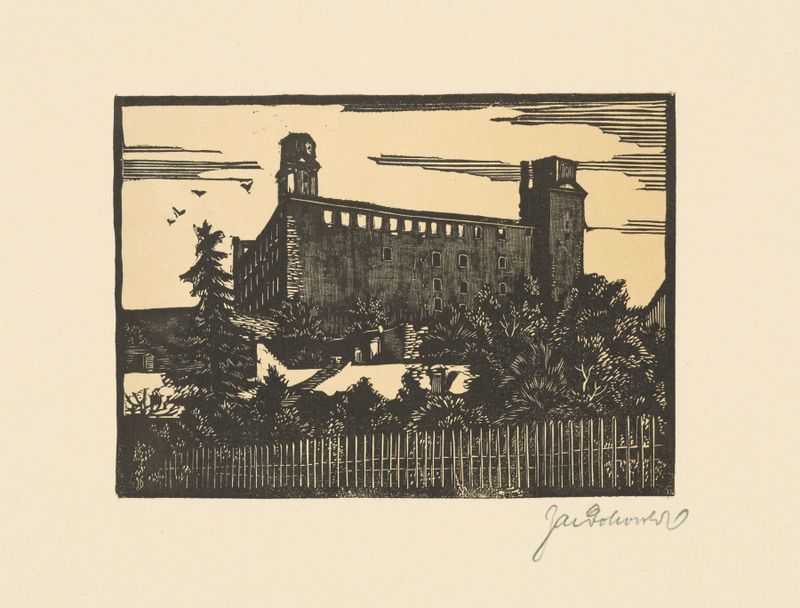
Hrad
Jaroslav Dobrovolský
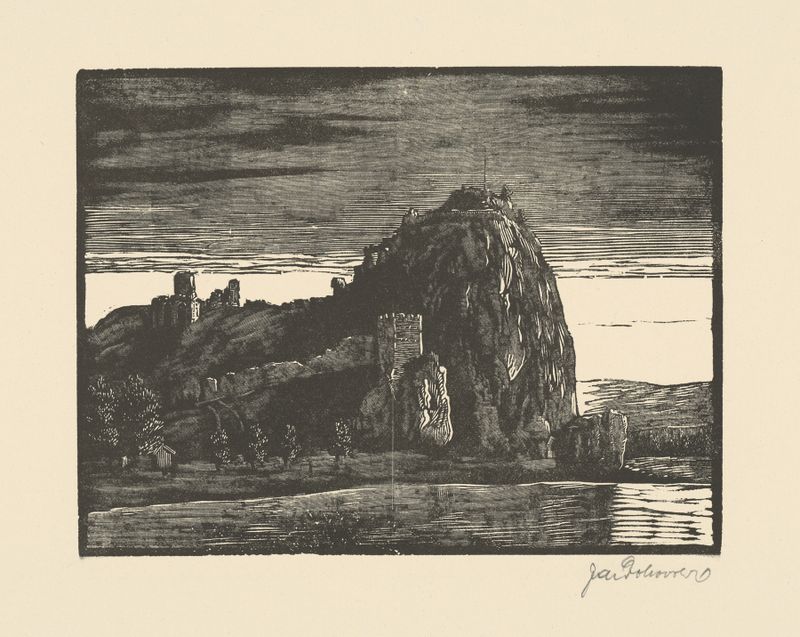
Devín
Jaroslav Dobrovolský
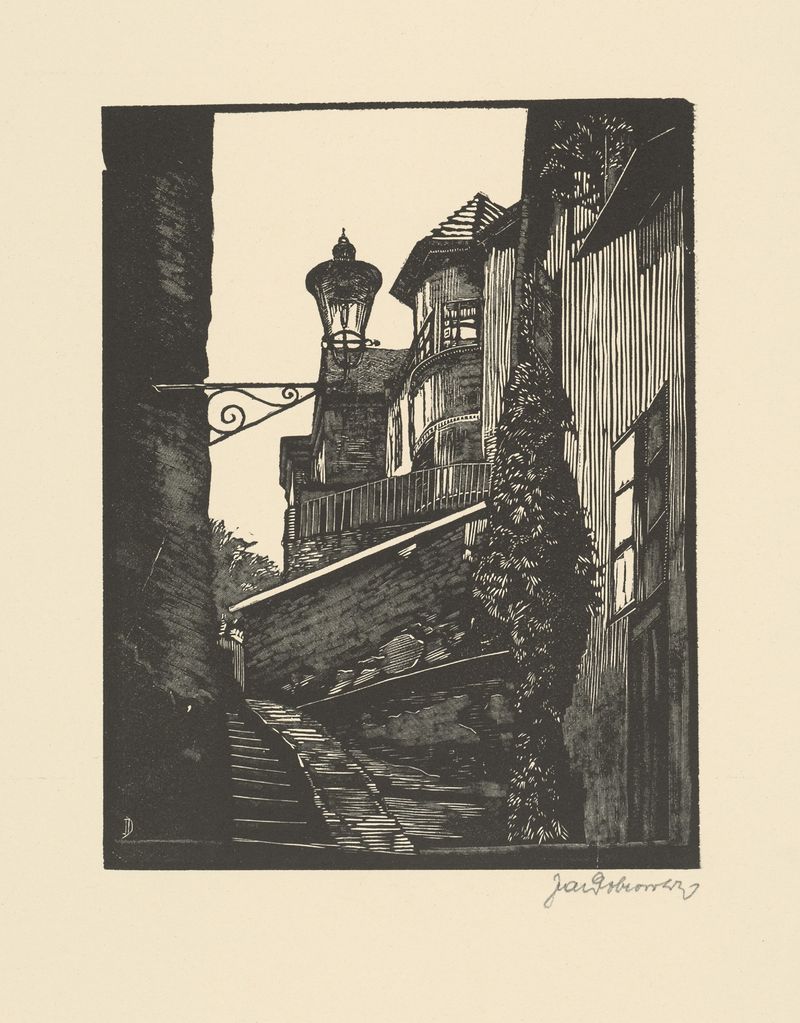
Zbytok mestského múru
Jaroslav Dobrovolský
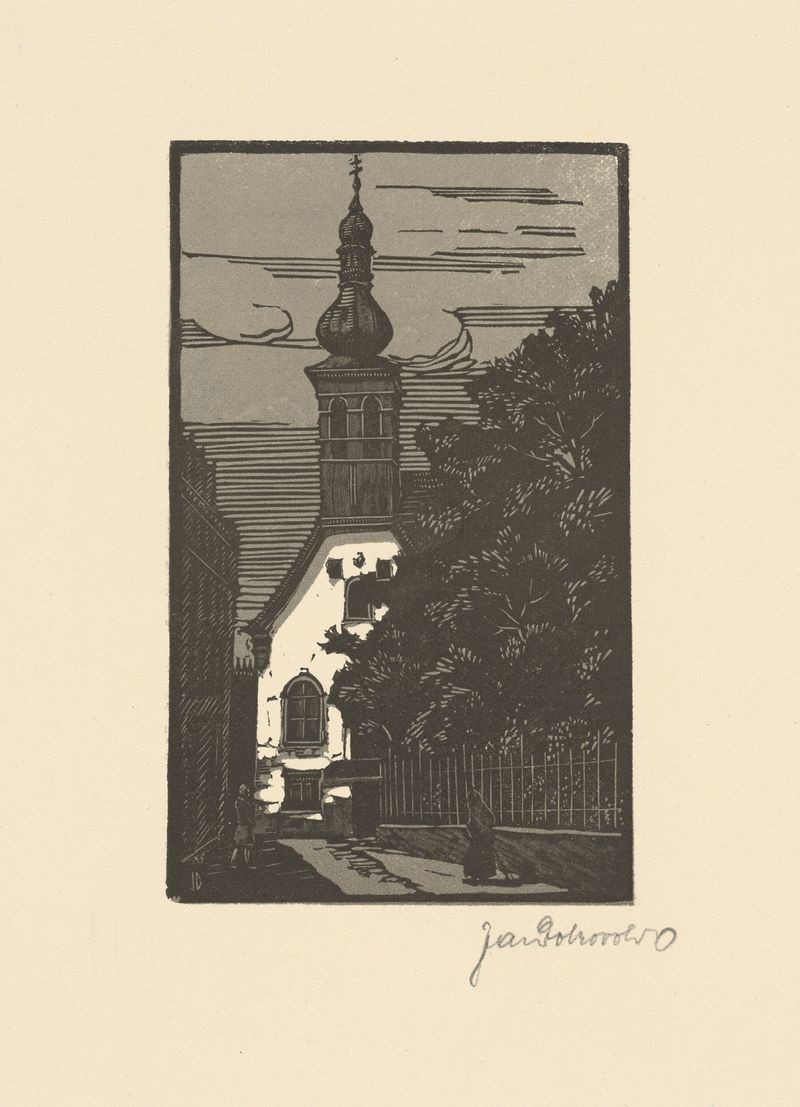
Kostolík Uršuliniek
Jaroslav Dobrovolský
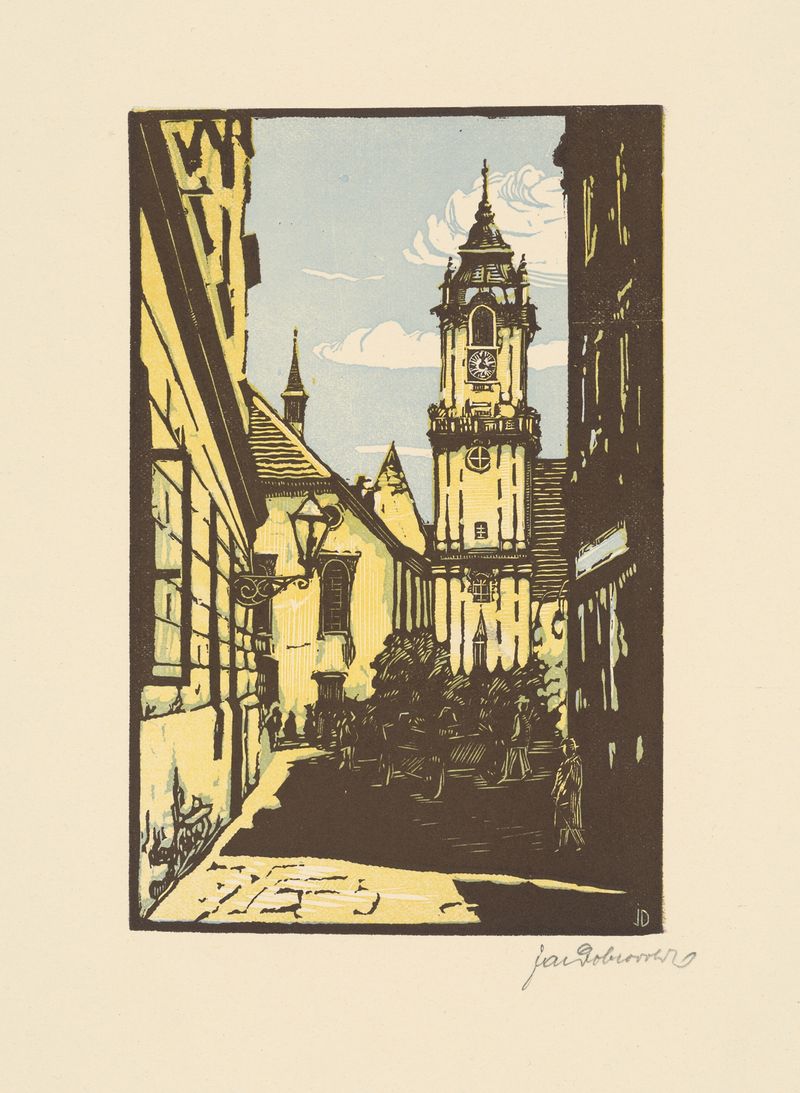
Stará radnica
Jaroslav Dobrovolský
More Architecture Art
Browse all →
The statue of Liberty
Frédéric Auguste Bartholdi

View of Houses in Delft, Known as ‘The Little Street’
Johannes Vermeer

View of Houses in Delft, Known as ‘The Little Street’
Johannes Vermeer

The Cathedral in Rouen. The portal, Grey Weather
Claude Monet

The yellow house
Vincent van Gogh

The Church in Auvers-sur-Oise, View from the Chevet
Vincent van Gogh