Devín — History & Facts
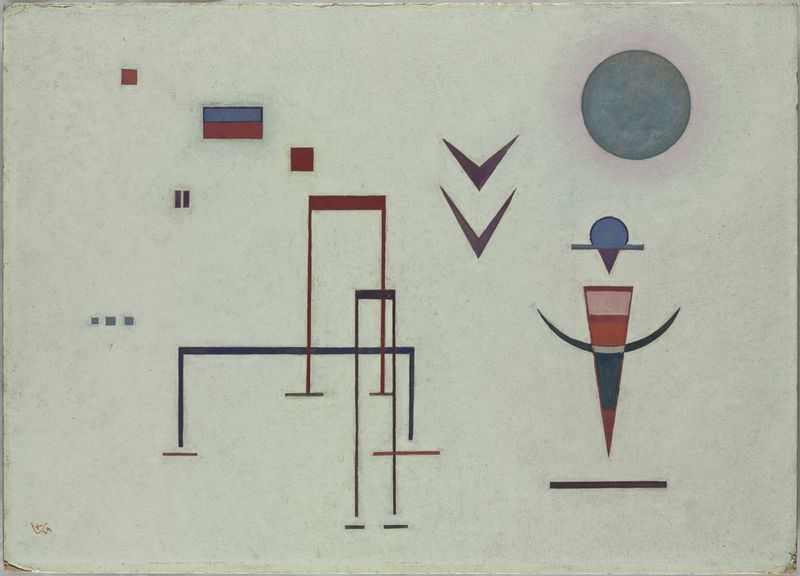
When did color learn to lie? In the vivid chaos of Devín, hues twist and turn, inviting the viewer to decipher their truths. This striking painting grapples with the notion of rebirth, evoking both beauty and uncertainty in every brushstroke. Look to the center, where the bold greens and blues collide, reminiscent of a landscape reborn after a storm. Notice how the artist employs a swirling technique, allowing colors to blend seamlessly while retaining their individual vibrancy.
The energetic brushwork creates a sense of movement, drawing the eye across the canvas, from the darkened earth below to the luminescent sky above. Shadows play across the surface, giving depth and dimension to the scene, while lighter accents punctuate the tumult with moments of hope and clarity. At first glance, the painting suggests a serene landscape, yet there’s an underlying tension that reveals itself through the juxtaposition of vibrant and muted colors. The dark, brooding tones in the foreground are tempered by the radiant brightness of the sky, symbolizing the struggle between despair and rejuvenation.
This contrast speaks to the cyclical nature of life and rebirth, emphasizing that beauty often arises from adversity, a sentiment that resonates deeply with the viewer. In 1929, Devín emerged as Jaroslav Dobrovolský navigated a period of personal and artistic transformation. Living in a world recovering from the turmoil of the Great War, he sought to articulate complex emotions through his work. This was a time when modernism was gaining traction, and Dobrovolský’s exploration of color and form reflected not only his own introspective journey but also the broader shifts within the art world.
More Artworks by Jaroslav Dobrovolský
Browse all →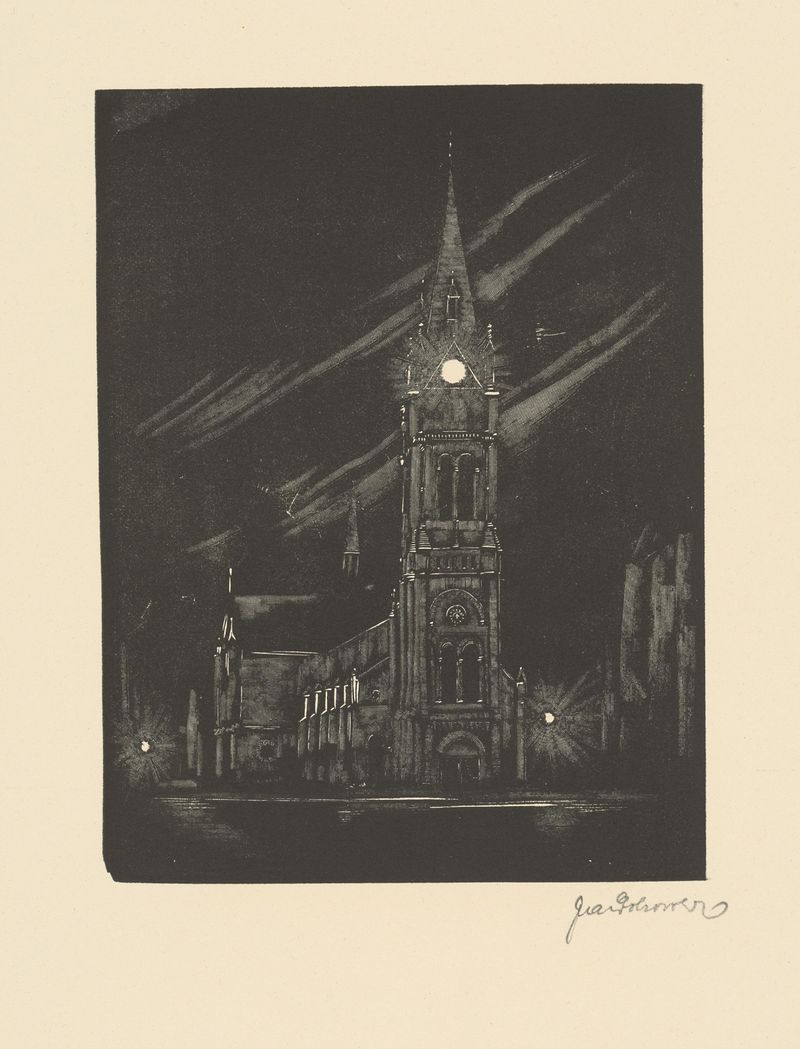
Blumentálsky kostol
Jaroslav Dobrovolský
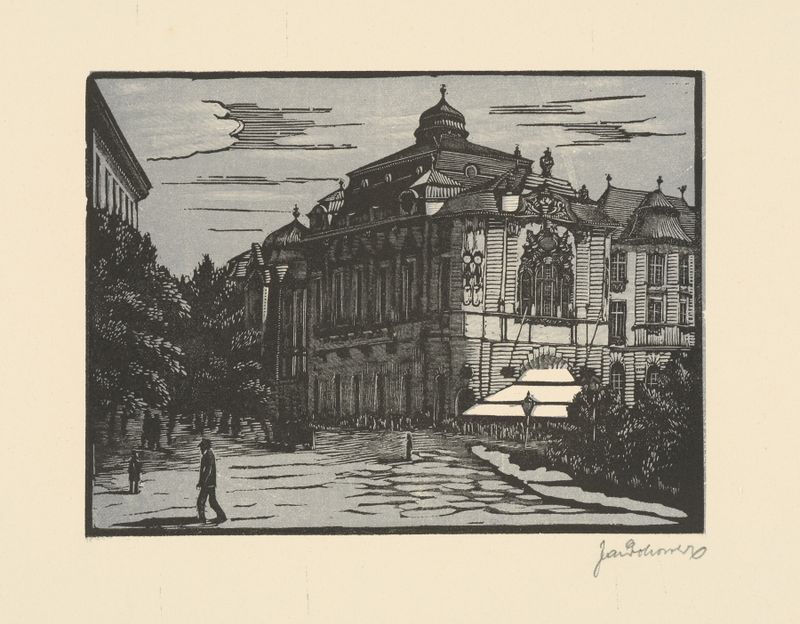
Reduta
Jaroslav Dobrovolský
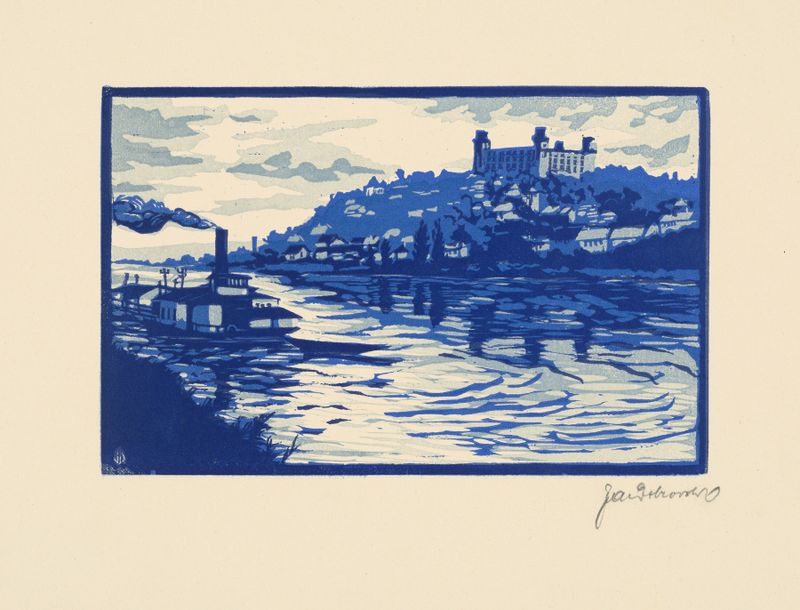
Pohľad z Petržalky
Jaroslav Dobrovolský
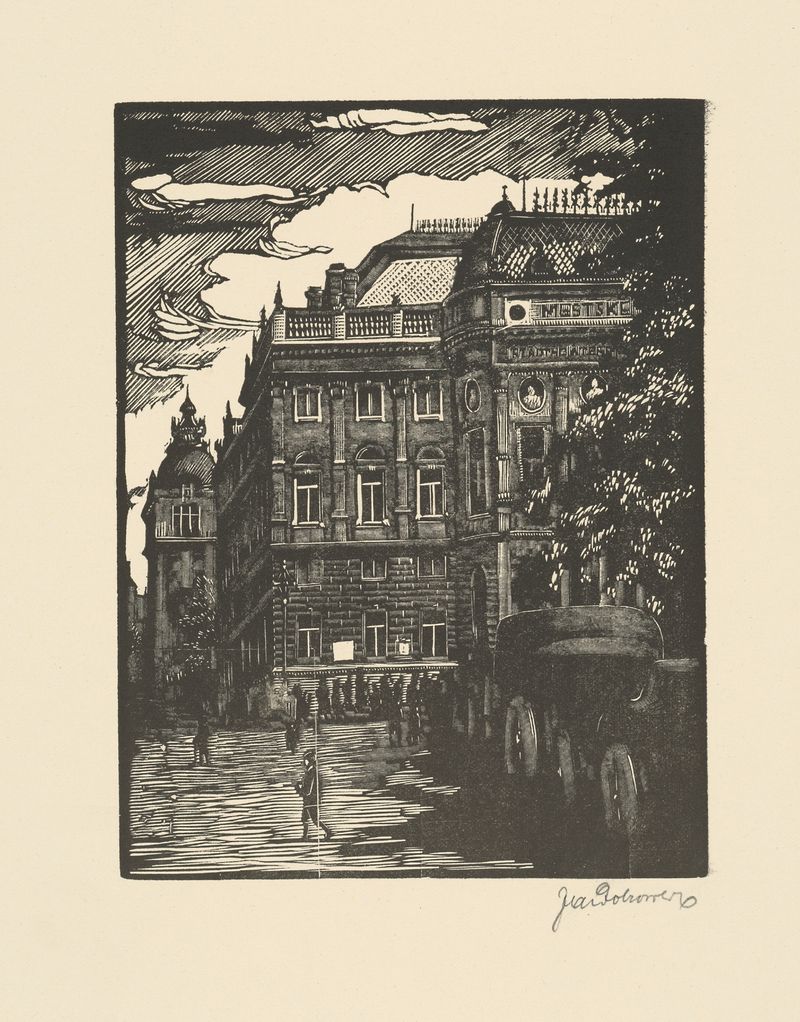
Mestské divadlo
Jaroslav Dobrovolský
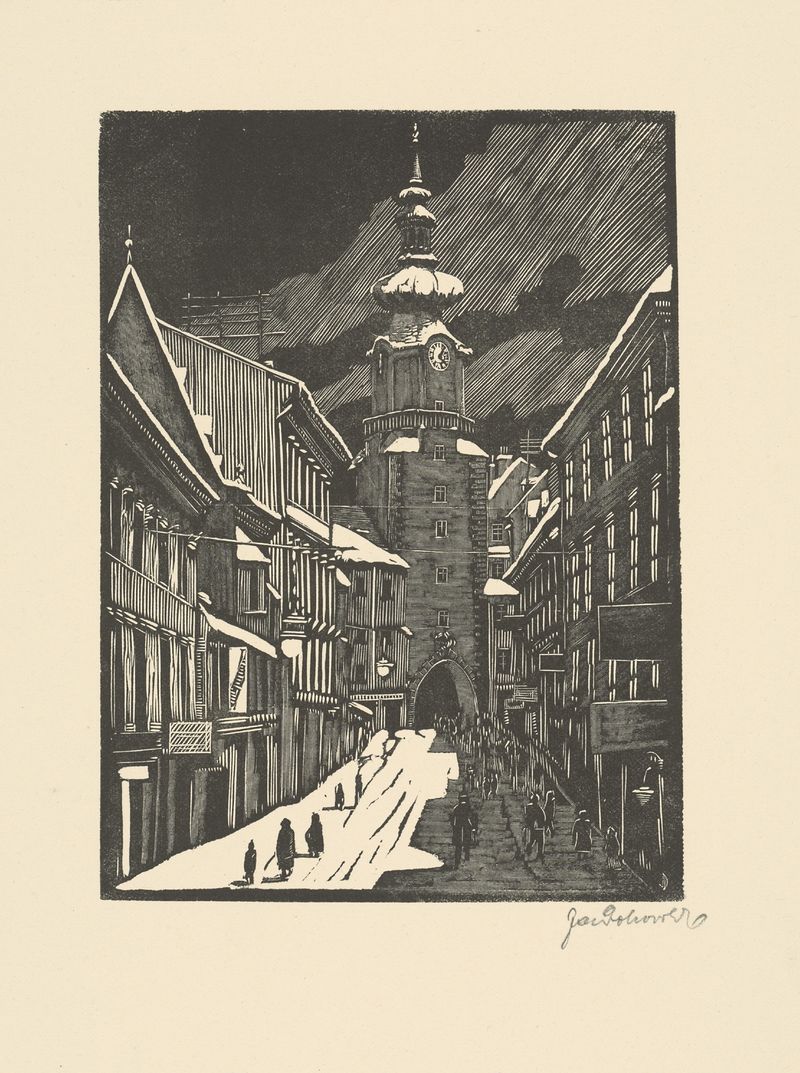
Michalská brána
Jaroslav Dobrovolský
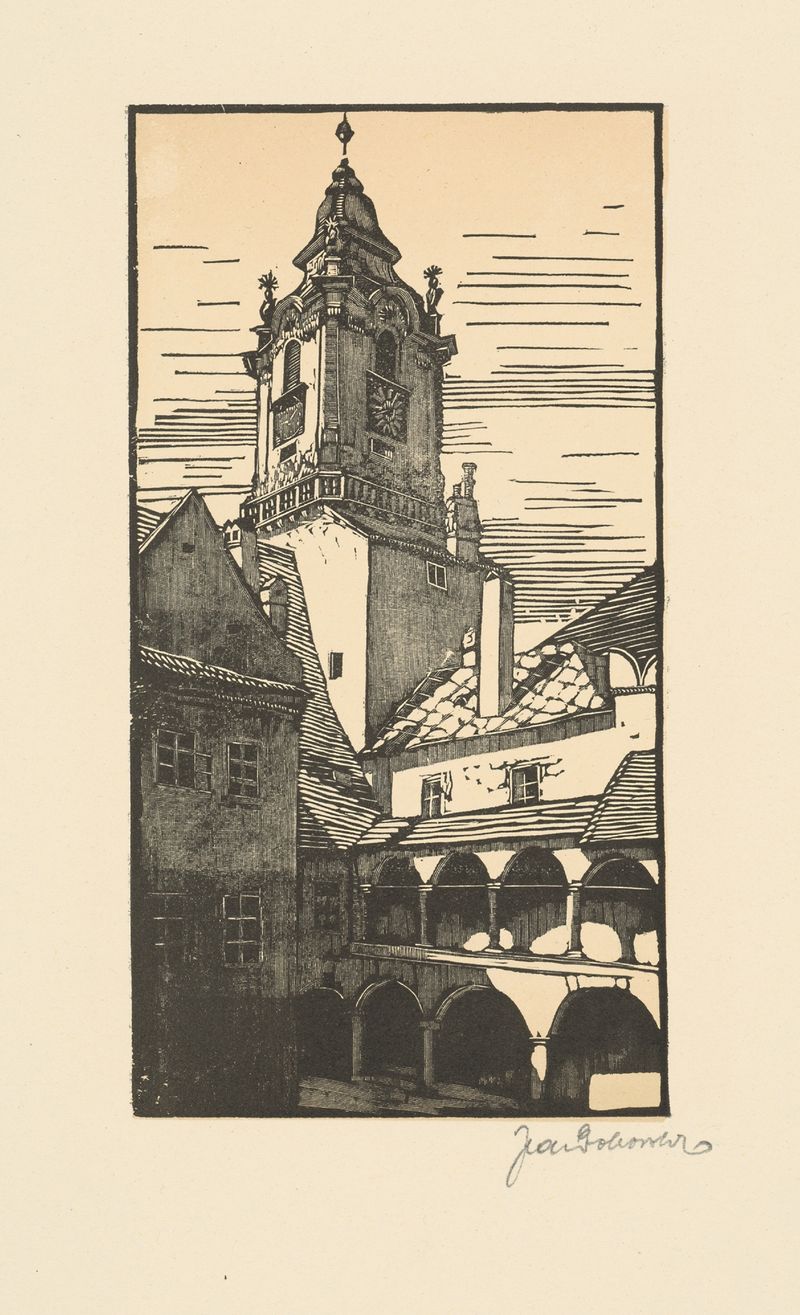
Dvor Starej radnice
Jaroslav Dobrovolský
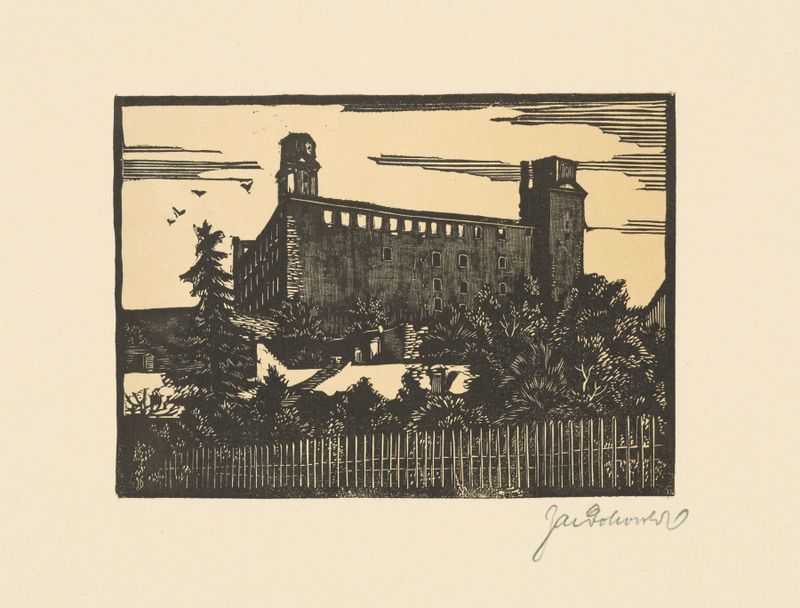
Hrad
Jaroslav Dobrovolský
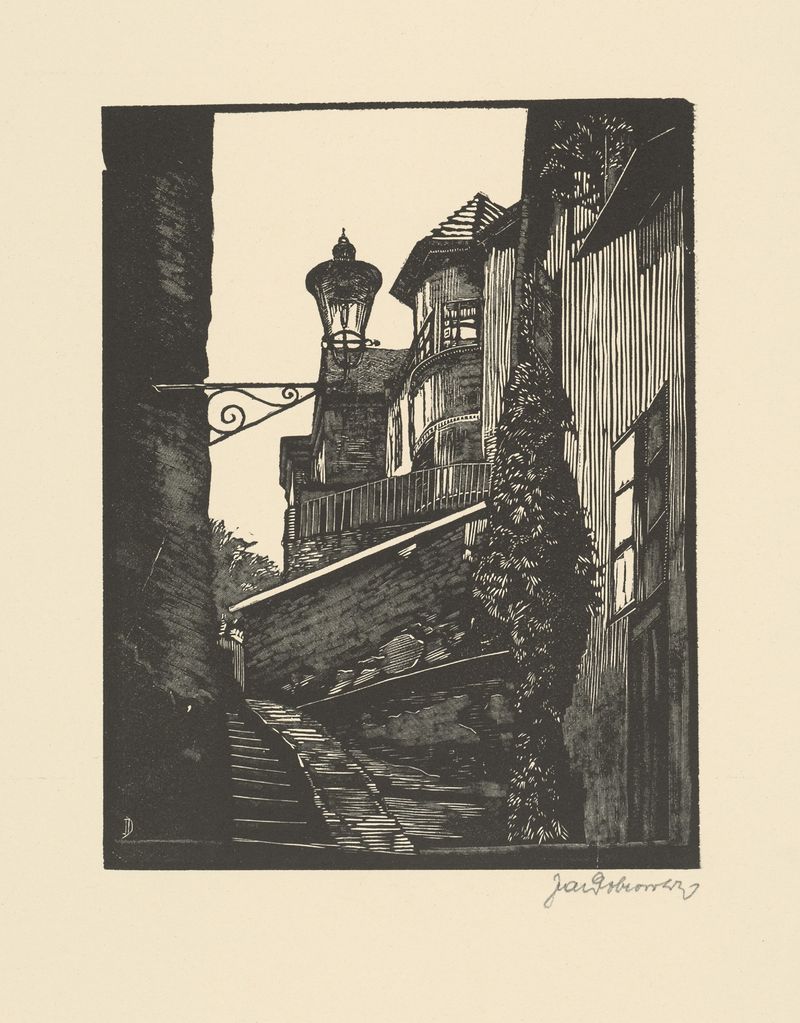
Zbytok mestského múru
Jaroslav Dobrovolský
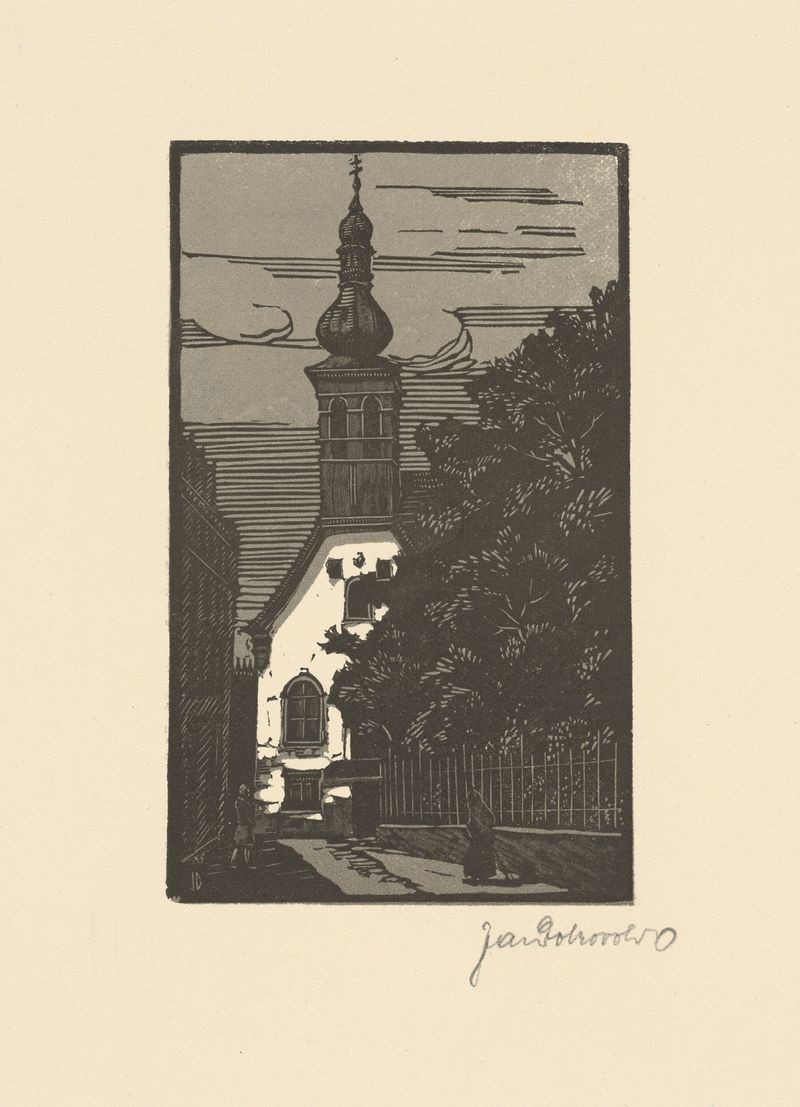
Kostolík Uršuliniek
Jaroslav Dobrovolský
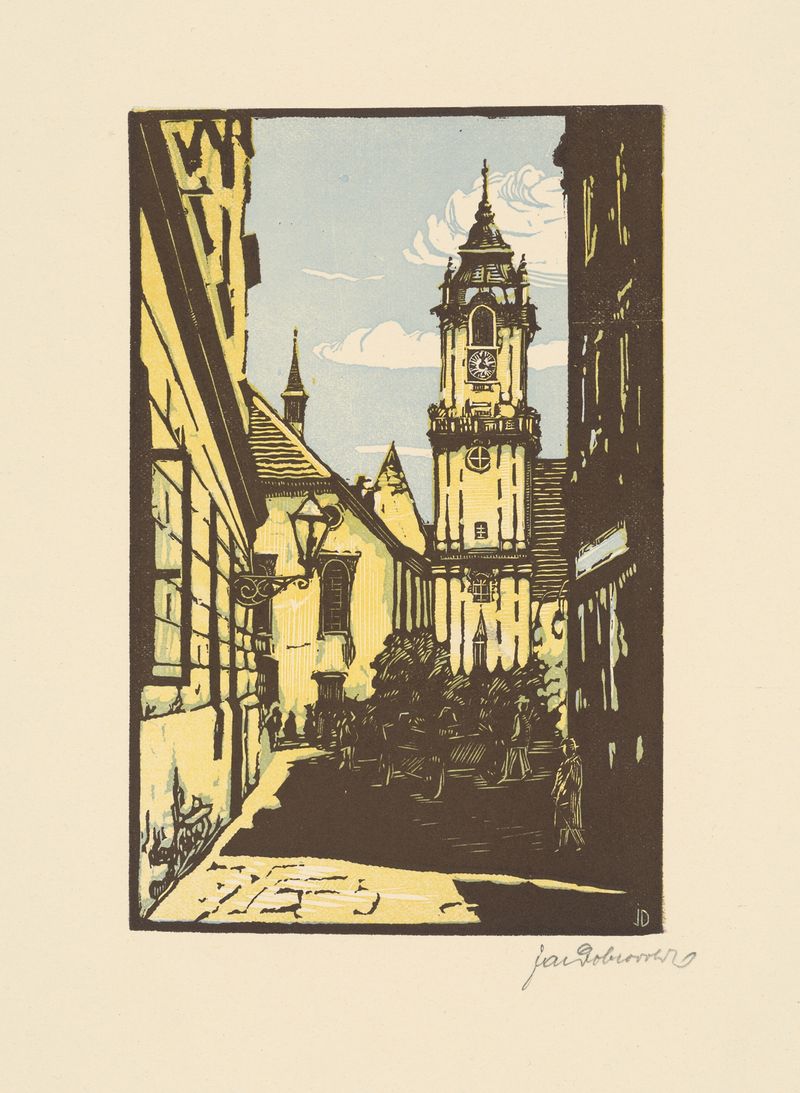
Stará radnica
Jaroslav Dobrovolský