
Boats — History & Facts
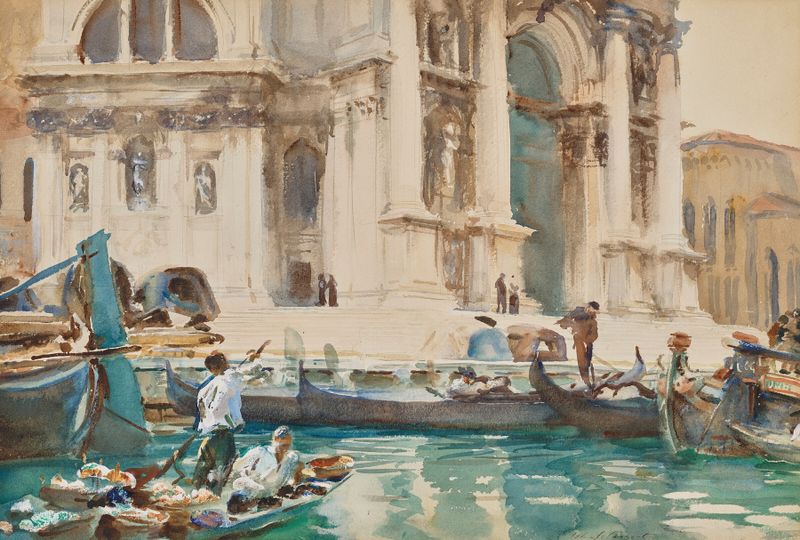
In Boats, the serene surface of the water suggests tranquility, yet beneath it lies a depth fraught with unspoken madness. Each brushstroke captures a fleeting moment, revealing the delicate balance between allure and chaos. Look to the left, where the boats rest quietly, their hulls kissed by the soft glow of the evening light. The gentle ripples of the water reflect the fiery hues of the sunset, orchestrating a dance of oranges and pinks that envelops the scene.
Notice how Sargent’s deft technique captures the interplay of light and shadow, with the boats almost merging into their surroundings, hinting at a fragile existence tethered to nature’s whims. As the viewer’s gaze wanders, a sense of isolation emerges, suggesting a disconnect between beauty and the underlying turmoil. The colors, while vibrant, seem to mask a deeper sadness; the boats float aimlessly, symbolizing dreams drifting toward the unknown. This juxtaposition of calmness and the potential for madness invites contemplation on the duality of life itself—a reminder that every tranquil moment may carry the weight of hidden despair. In 1913, when this piece was created, Sargent was residing in Europe, navigating the complexities of his own artistic identity as modernism began to reshape the art world.
While he enjoyed acclaim for his portraits, Sargent sought to explore new subjects and styles, seeking solace and freedom among the gentle waves and tranquil landscapes, ultimately crafting a reflection of the beauty and madness intertwined in life.
More Artworks by John Singer Sargent
Browse all →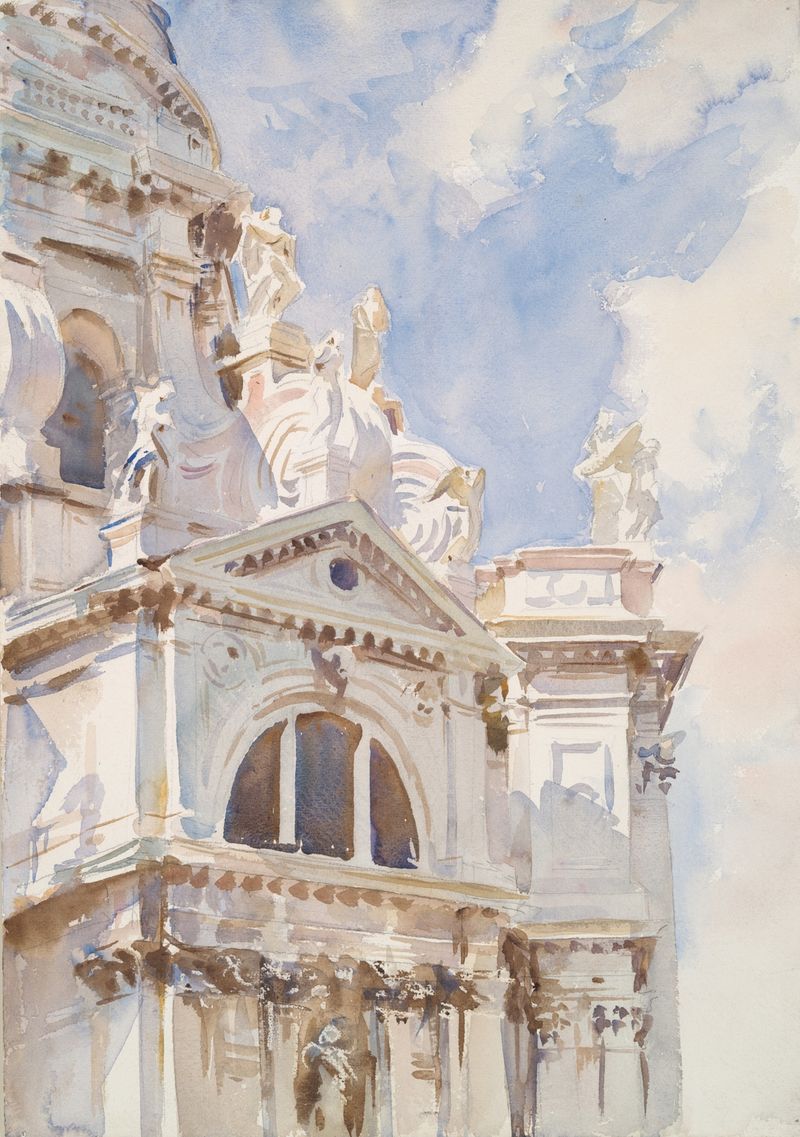
The Salute, Venice
John Singer Sargent

Mrs. Charles Deering (Marion Denison Whipple)
John Singer Sargent
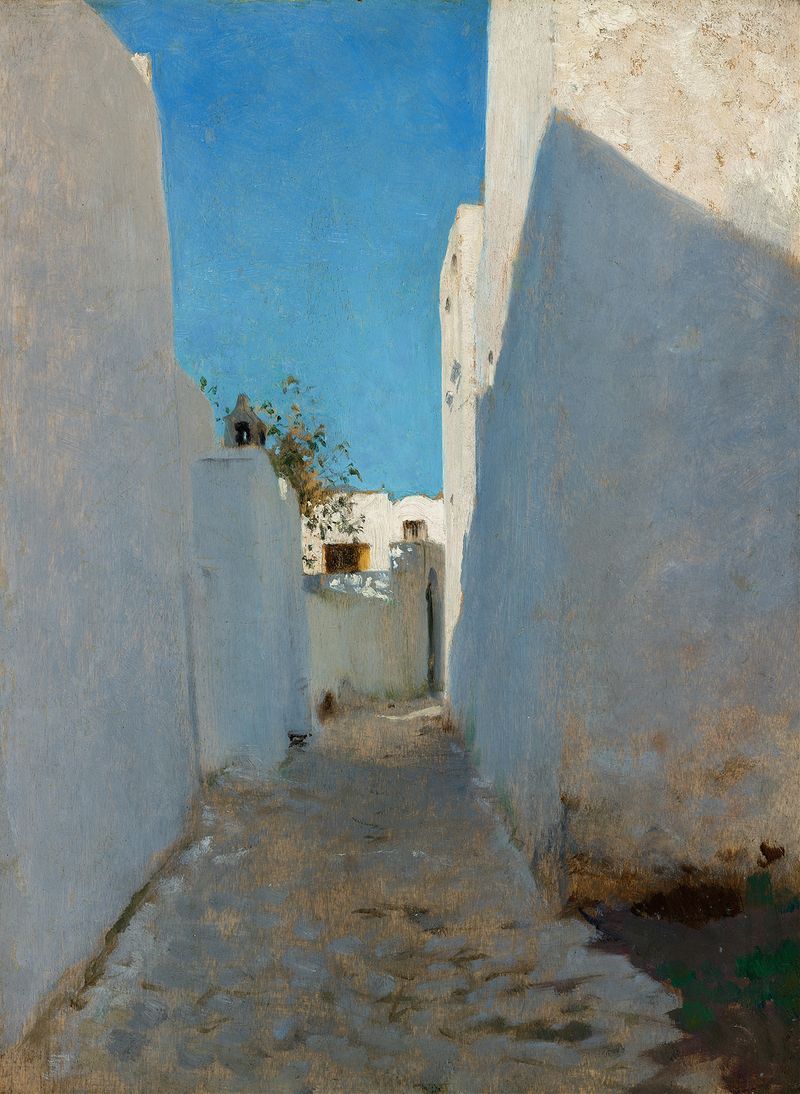
A Moroccan Street Scene
John Singer Sargent
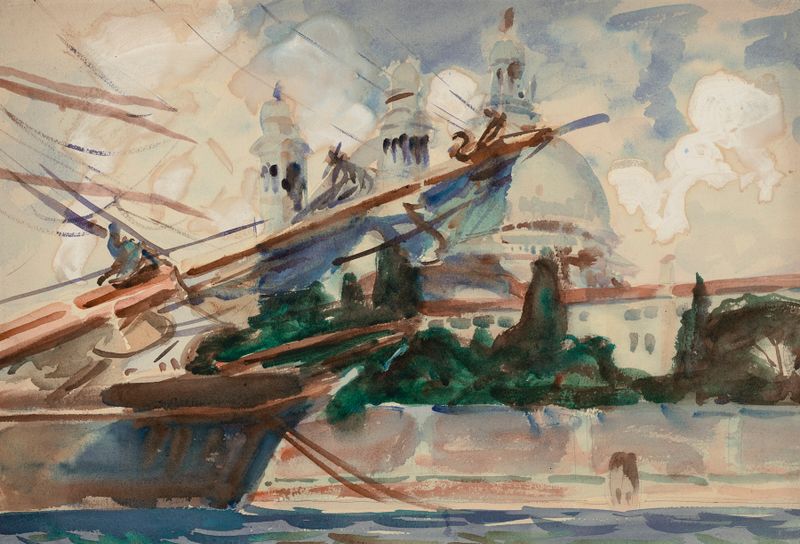
The Salute, Venice
John Singer Sargent
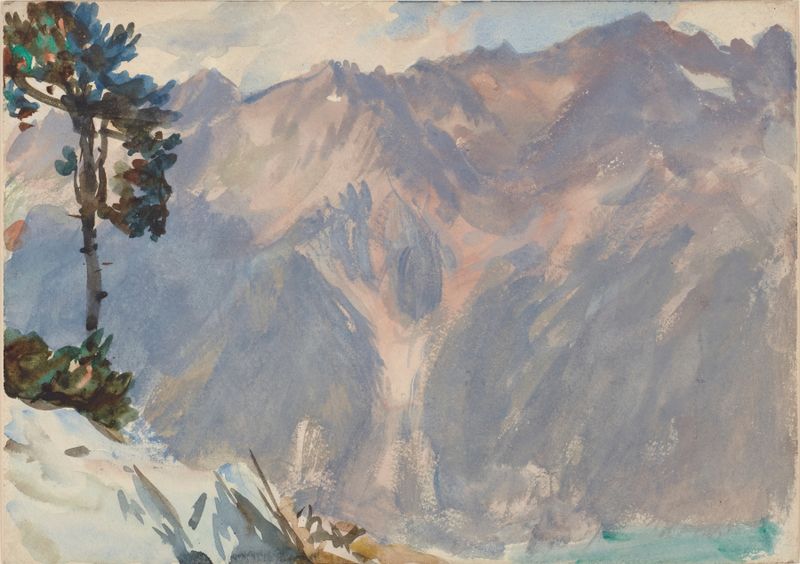
Tyrol
John Singer Sargent
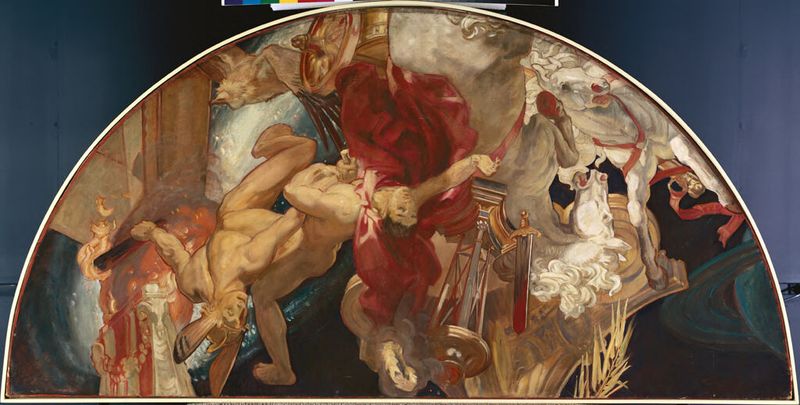
Study for "Gog and Magog," for the Boston Public Library
John Singer Sargent
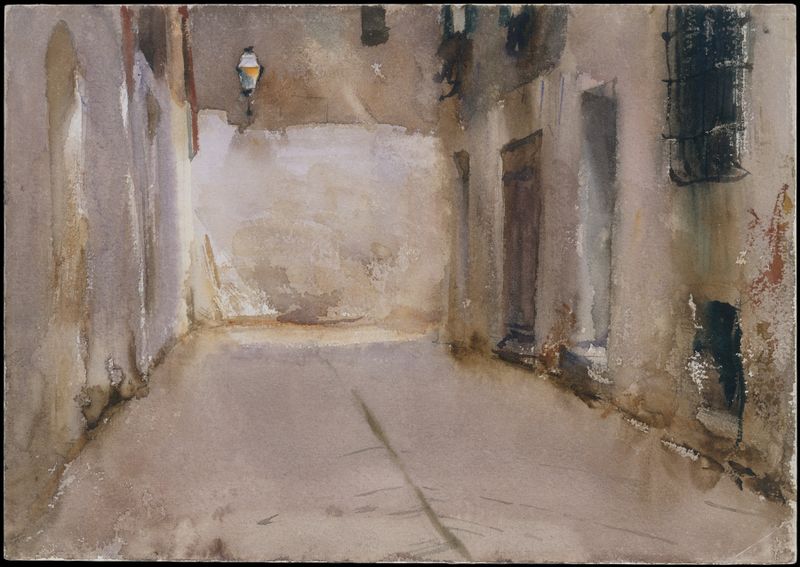
Venice
John Singer Sargent
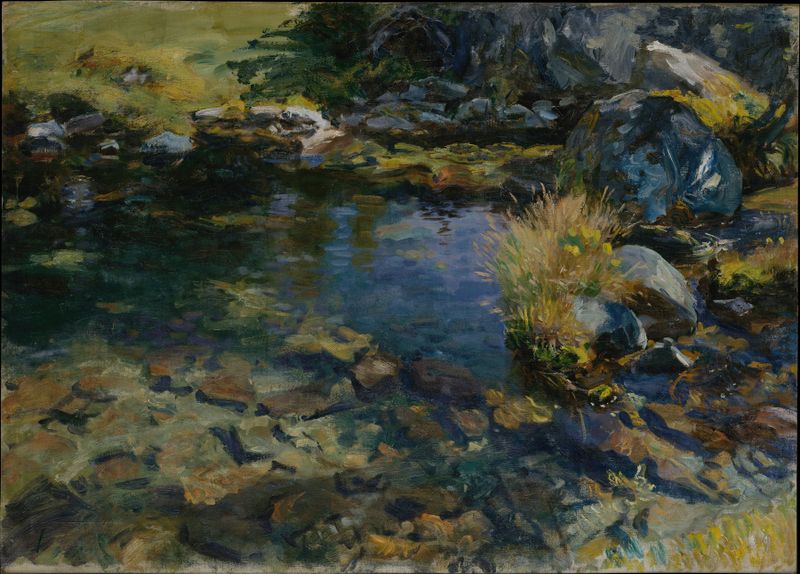
Alpine Pool
John Singer Sargent
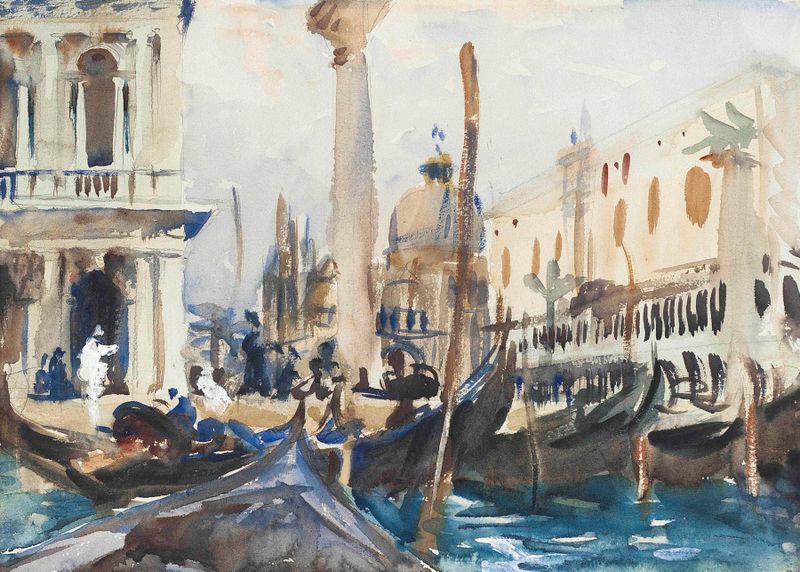
The Piazzetta with Gondolas
John Singer Sargent
The Façade of La Salute, Venice
John Singer Sargent





