
Boats at the coast, Marmora – Tuscula. From the journey to Palestine — History & Facts
Can beauty exist without sorrow? In Jan Ciągliński's Boats at the coast, Marmora – Tuscula. From the journey to Palestine, this question hangs delicately in the air, inviting contemplation. The serene landscape, with its gentle waves and tranquil boats, presents an alluring façade that simultaneously conceals an undercurrent of melancholy. Focus your gaze on the center where the boats are anchored, their soft lines creating a sense of stillness amidst the rippling water.
Notice the muted palette—subtle blues and greens dominate the scene, evoking both peace and longing. The light, dappled across the canvas, seems to filter through clouds, casting an ethereal glow that heightens the emotional tension, hinting at something unspoken beneath the surface. The composition pulls you into a world where nature's beauty is intertwined with an air of quiet introspection. Hidden within the soft brushstrokes are layers of meaning, reflecting the artist's own journey.
The boats, symbols of travel and exploration, also embody a sense of loss and nostalgia, suggesting a longing for connection or home. The gentle waves may whisper stories of distant shores, while the horizon teeters between promise and uncertainty, encapsulating the dichotomy of hope and desolation. Each element resonates, prompting viewers to consider the stories that lie just out of sight. Ciągliński painted this work in 1901 during a period marked by personal reflection and exploration.
Having journeyed through various landscapes, including Palestine, he sought to capture the essence of these experiences in his art. At the time, his works were beginning to garner attention, contributing to a broader movement that celebrated the beauty of the natural world while grappling with the complexities of human emotion.
More Artworks by Jan Ciągliński
Browse all →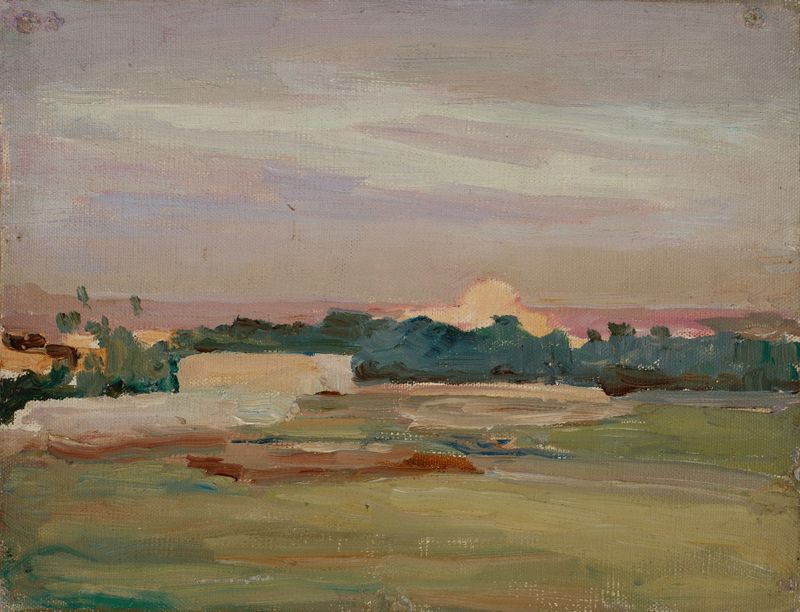
The Sirocco
Jan Ciągliński
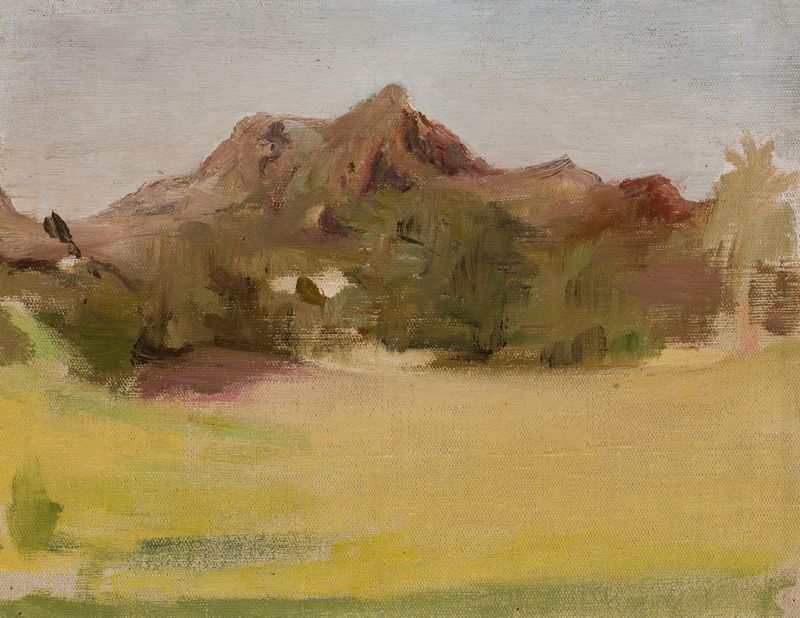
Mountain landscape. From the journey to India
Jan Ciągliński
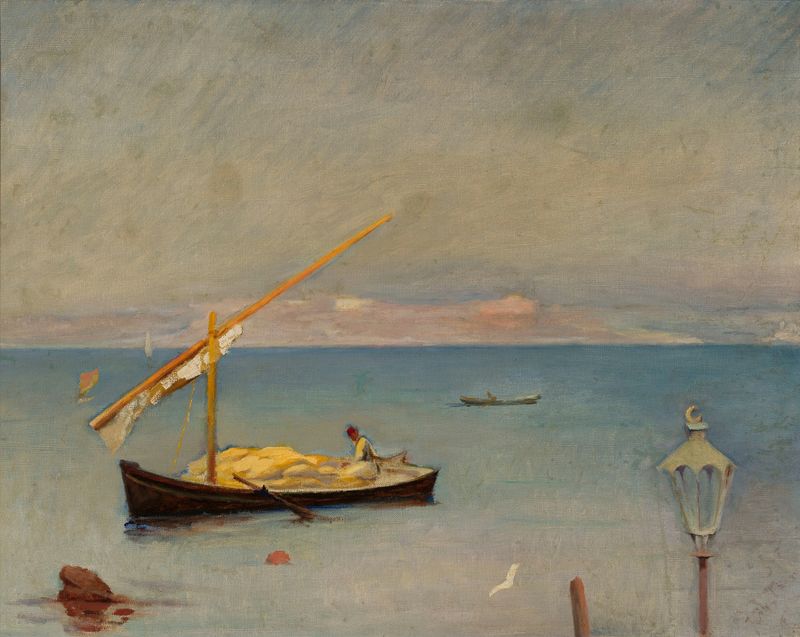
At Bosporus
Jan Ciągliński
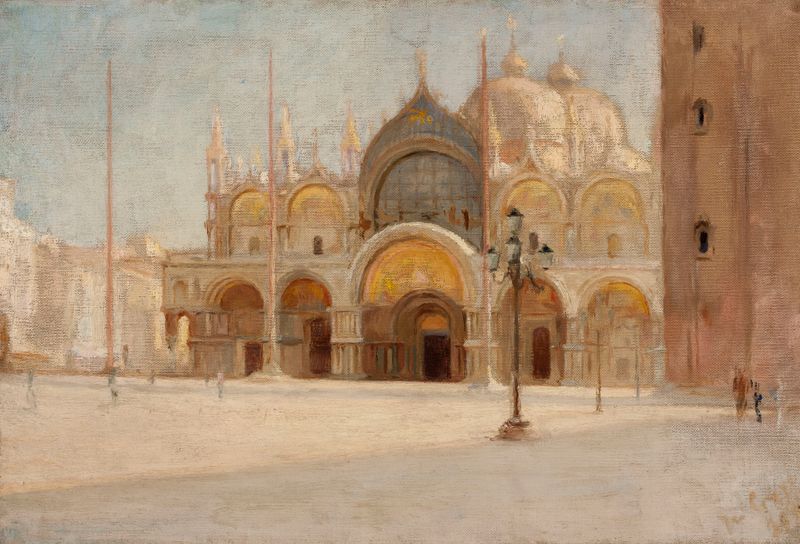
St Mark’s Square in Venice
Jan Ciągliński
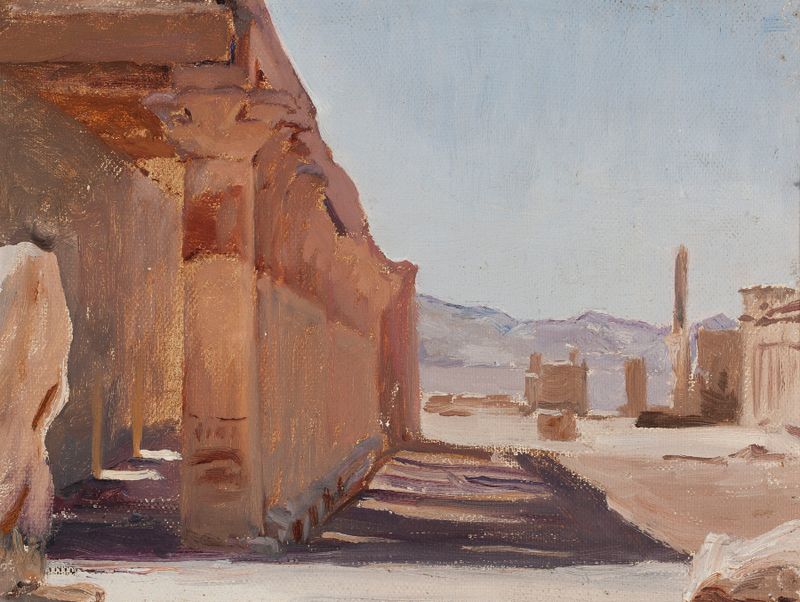
Temple. From the journey to Egypt
Jan Ciągliński
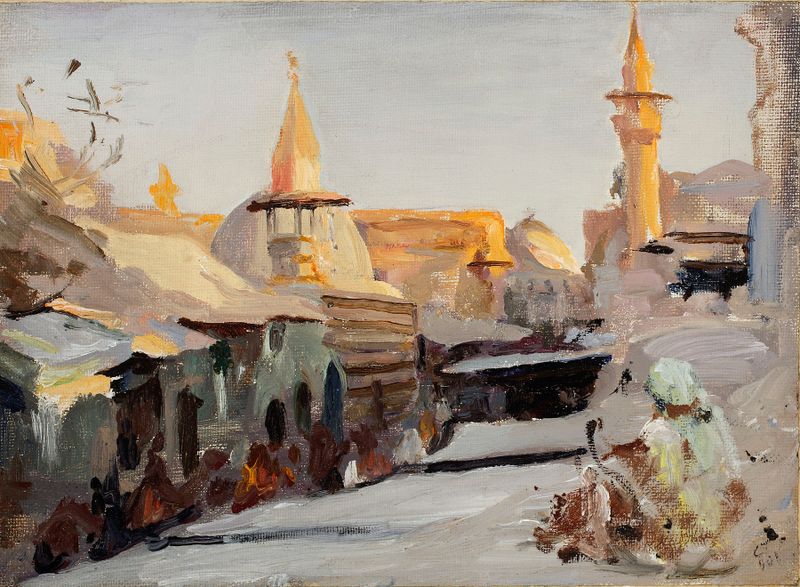
Street in Damascus. From the journey to Palestine
Jan Ciągliński
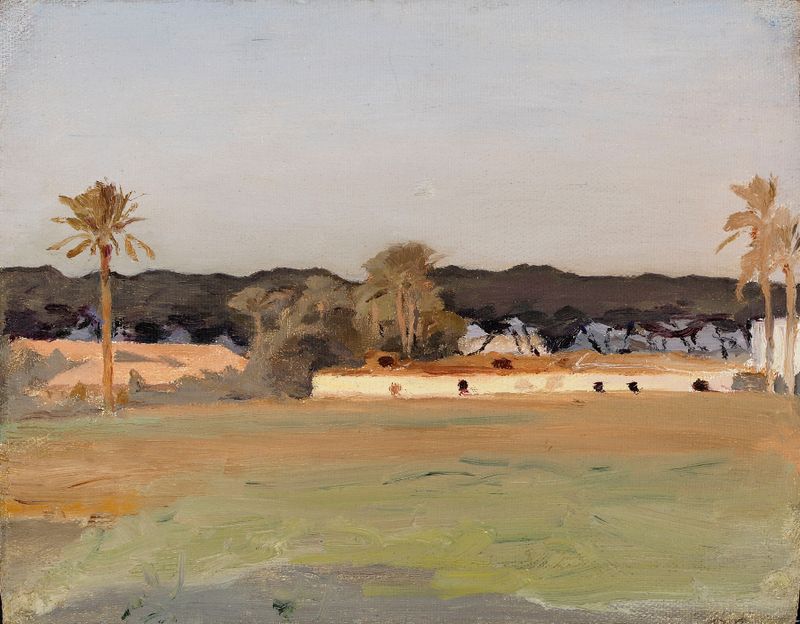
Evening. From the journey to Egypt
Jan Ciągliński
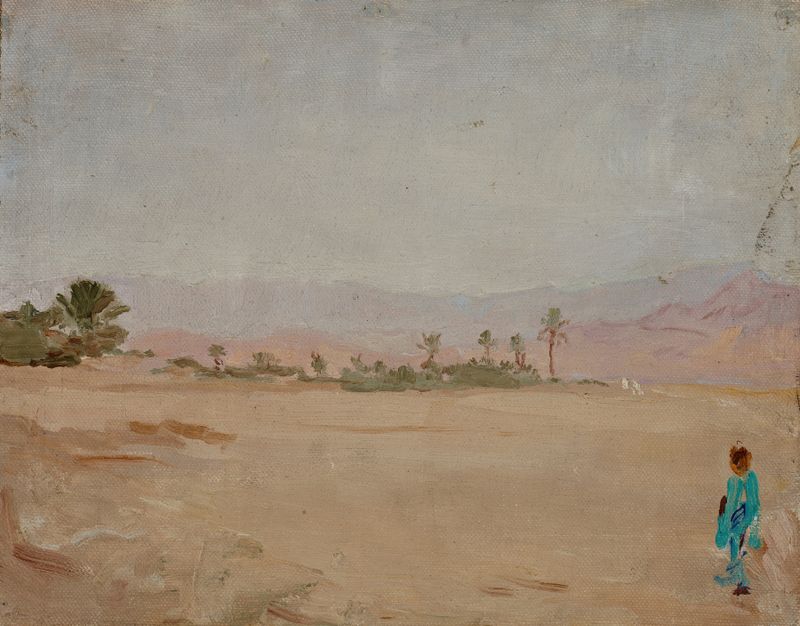
Sahara (Desert)
Jan Ciągliński
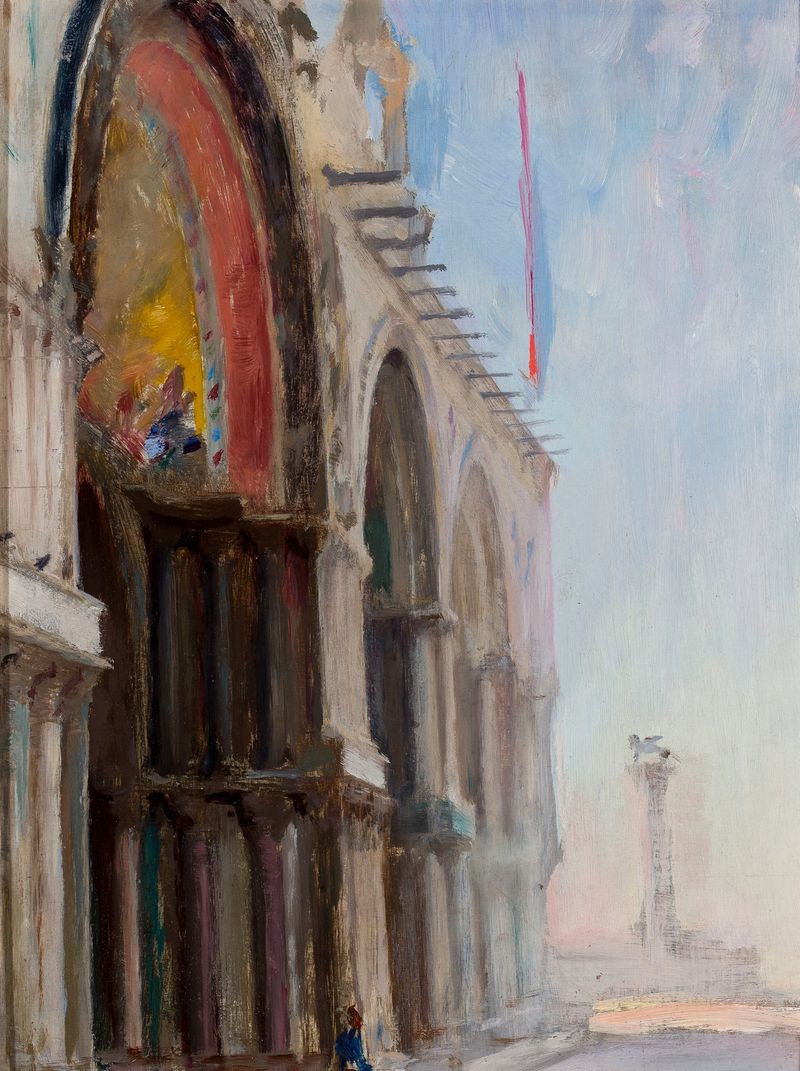
Venice – San Marco. From the journey to Italy
Jan Ciągliński
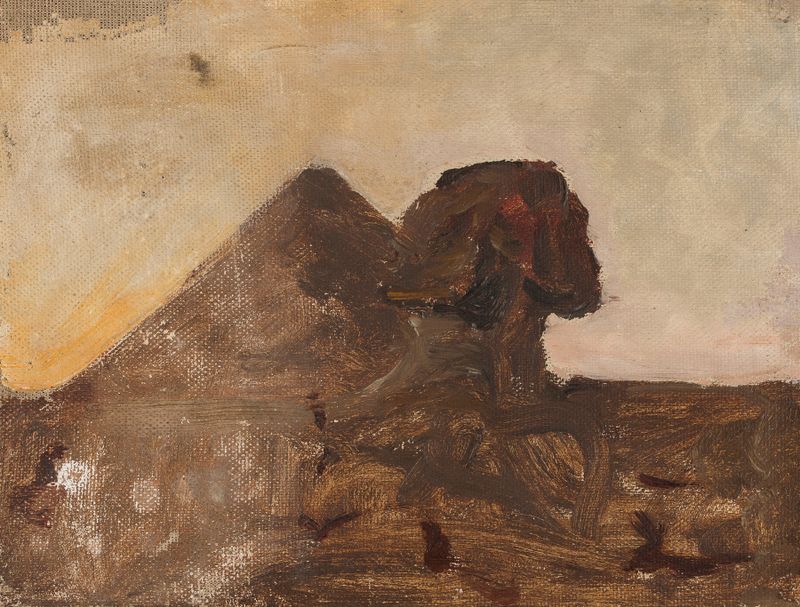
Evening in the desert – Sphinx and pyramid. From the journey to Egypt
Jan Ciągliński





