Bodenbelag Eurystheus (Eurystheus Floor Covering) — History & Facts
In Bodenbelag Eurystheus, Koloman Moser employs a vibrant palette dominated by rich blues, greens, and golds. The composition features intricate geometric patterns that create a sense of movement across the surface. Stylized figures and motifs are interwoven, suggesting a narrative rooted in mythology.
The overall effect is both decorative and dynamic, embodying the essence of Art Nouveau. The artwork showcases Moser's skill in pattern design, typical of the Art Nouveau movement. The use of color is striking, with a harmonious blend that draws the viewer's eye. The intricate details invite close inspection, revealing Moser's meticulous craftsmanship.
The piece, while decorative, also serves as a commentary on the relationship between art and everyday life. Koloman Moser was a key figure in the Vienna Secession movement, known for his innovative approach to design. Bodenbelag Eurystheus reflects his interest in mythology and nature, common themes in his work. An interesting fact about this piece is that it was originally designed as a floor covering, merging functionality with artistic expression.
Moser's work continues to influence contemporary design, making him a significant figure in the history of decorative arts.
More Artworks by Koloman Moser

Butterfly
Koloman Moser
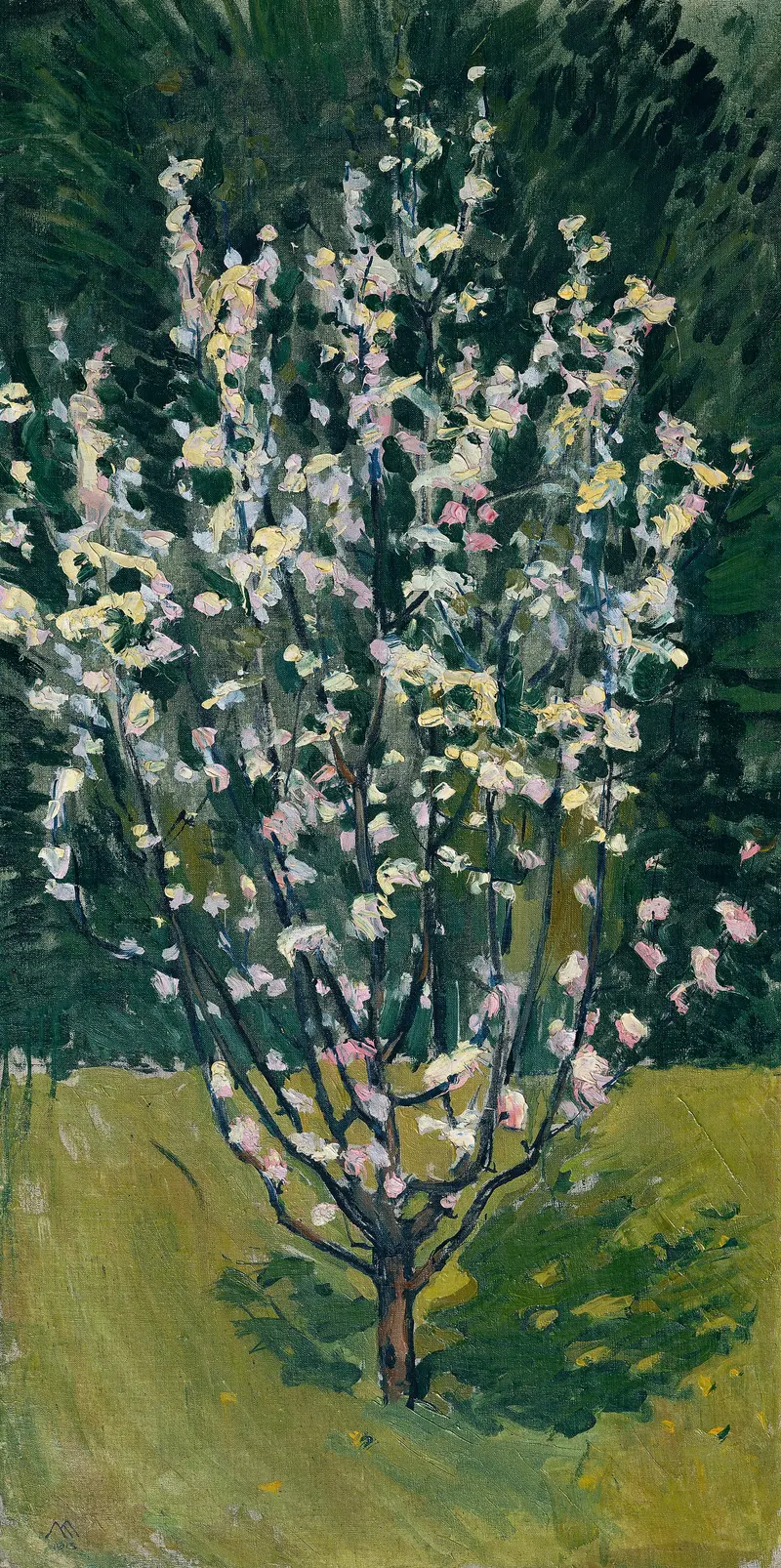
Blühendes Bäumchen
Koloman Moser
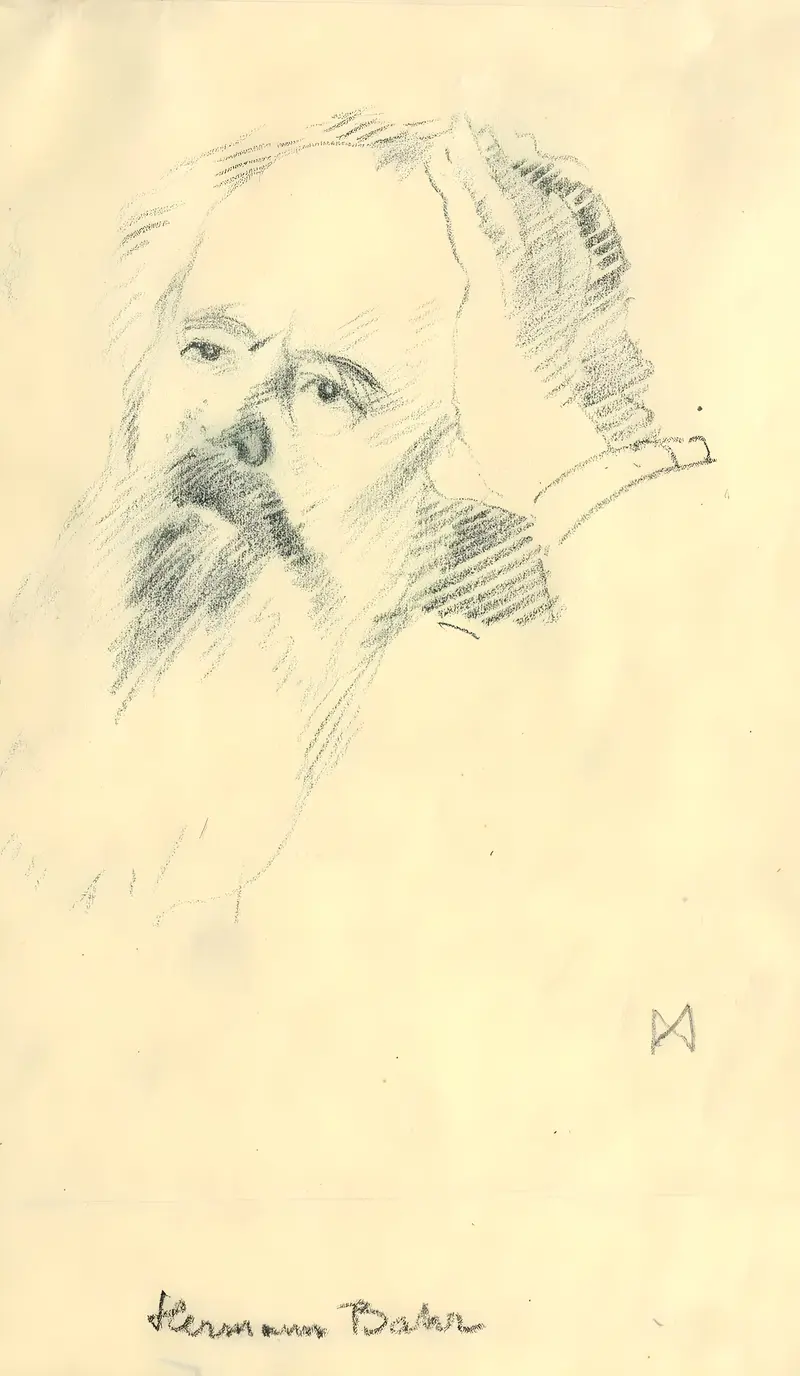
Porträt Hermann Bahr
Koloman Moser

Lesendes Mädchen
Koloman Moser

Liebespaar
Koloman Moser
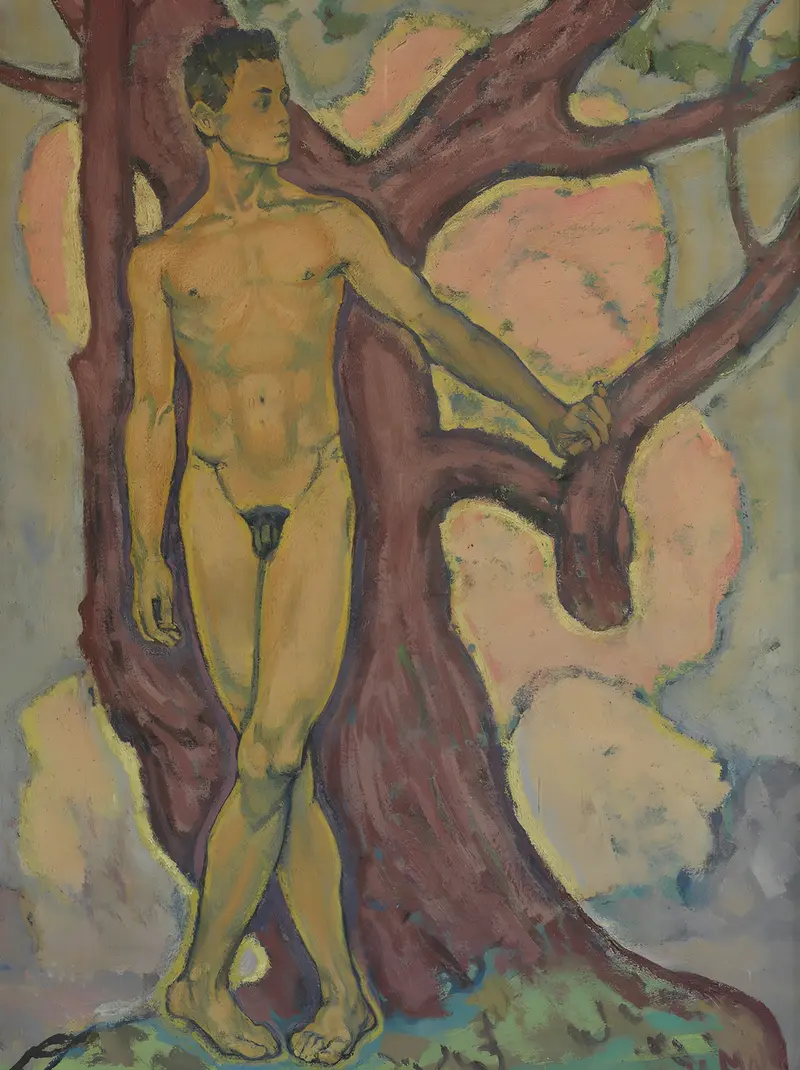
Allegorie Jüngling
Koloman Moser
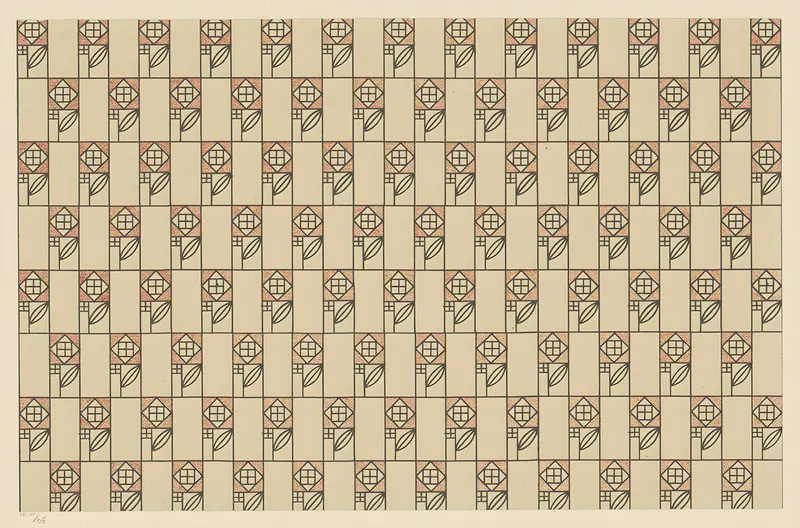
Einwickelpapier der Wiener Werkstätte mit Rosenmarke
Koloman Moser
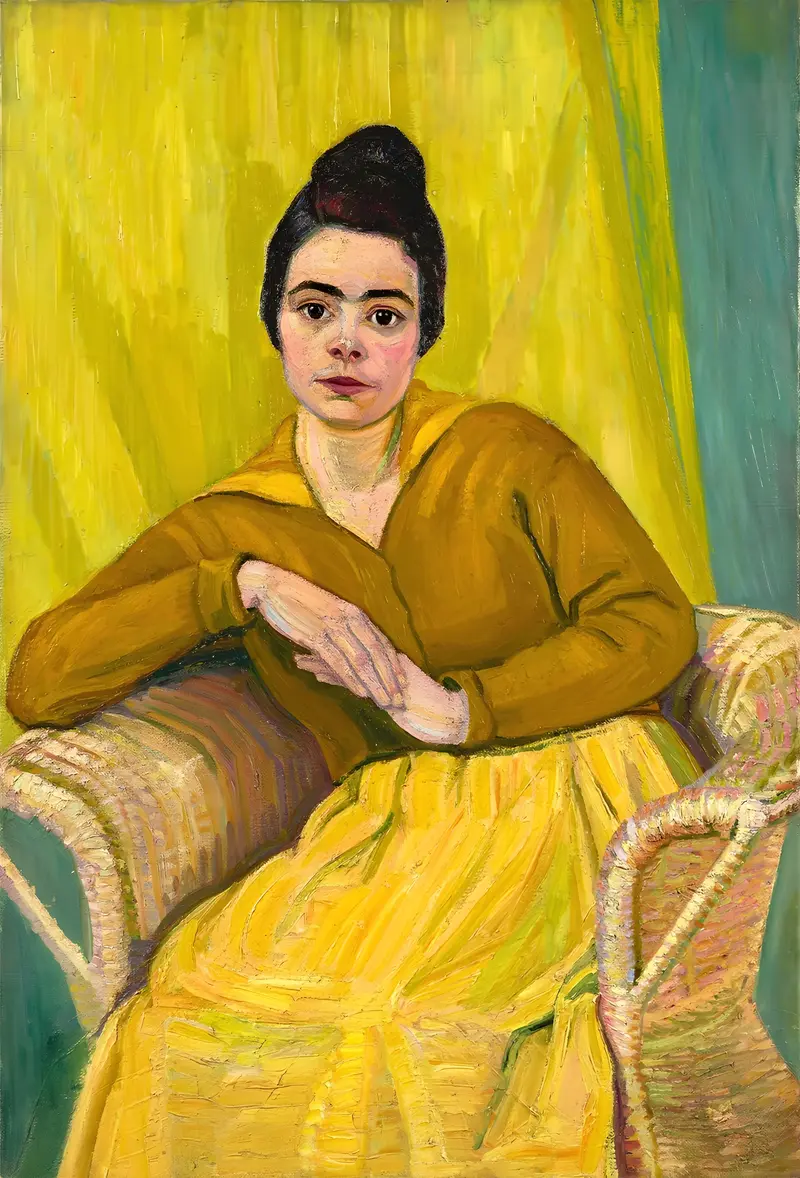
Sitzende Dame im Korbstuhl
Koloman Moser
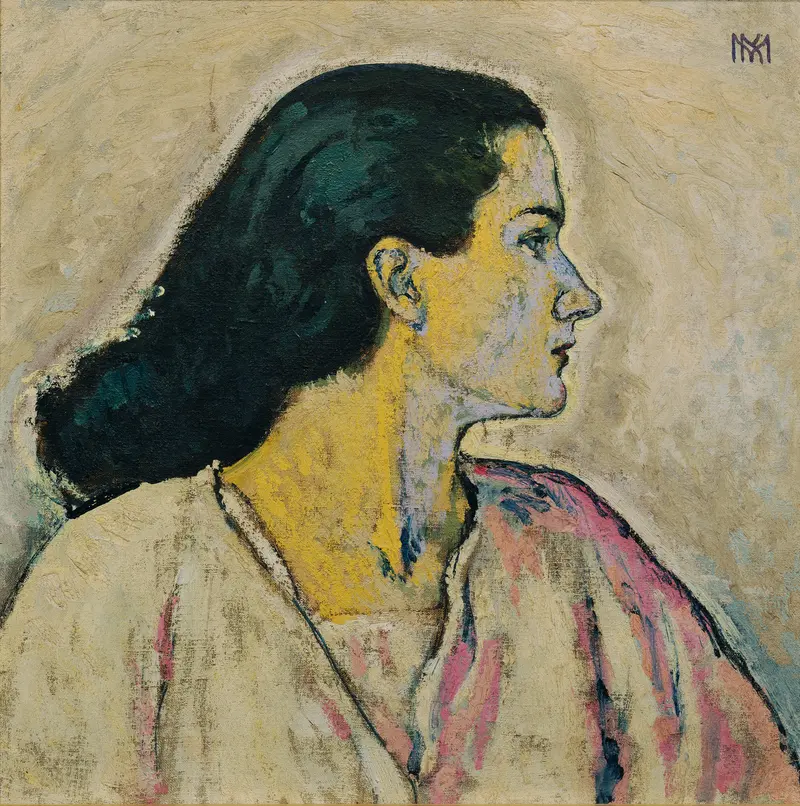
Frauenbildnis im Profil
Koloman Moser
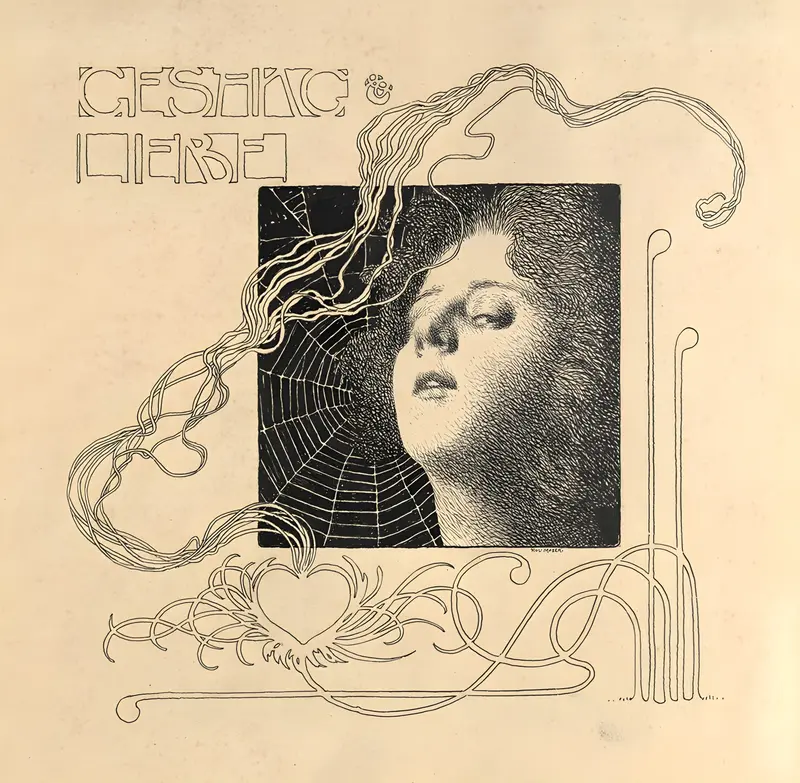
Gesang – Liebe
Koloman Moser