
Boendael (église) — History & Facts
Where does light end, and longing begin? In the quiet embrace of Boendael (église), the boundary between physical existence and ethereal yearning blurs, inviting contemplation of mortality. Look to the left at the soft, luminous glow that filters through the stained glass, casting fragmented rainbows onto the stone floor. The colors bleed into each other, yet maintain their individuality, creating a gentle interplay of warmth and coolness that evokes both sanctuary and solitude. The architecture of the church rises, a testament to human ingenuity, while delicate brushstrokes weave the narrative of time, revealing the artist’s deft hand in capturing both the grandeur and the fragility of faith. Yet, beyond the beauty of the light, there lies an undercurrent of tension.
The stillness of the empty pews speaks of absence and yearning, hinting at the souls who once filled these spaces, now mere echoes of the past. The juxtaposition of vibrant colors against the somber stone reflects the duality of life—celebration intertwined with loss—reminding us of the transient nature of existence and the impossibility of capturing its essence. In 1898, Jean-François Taelemans painted this work as part of a broader movement toward capturing the spiritual interplay between light and shadow in art. Living in Belgium during a time of social change and artistic evolution, he sought to depict the emotional resonance of sacred spaces, responding to the world around him with a profound sense of introspection and a desire to explore the depth of human experience.
More Artworks by Jean-François Taelemans
Browse all →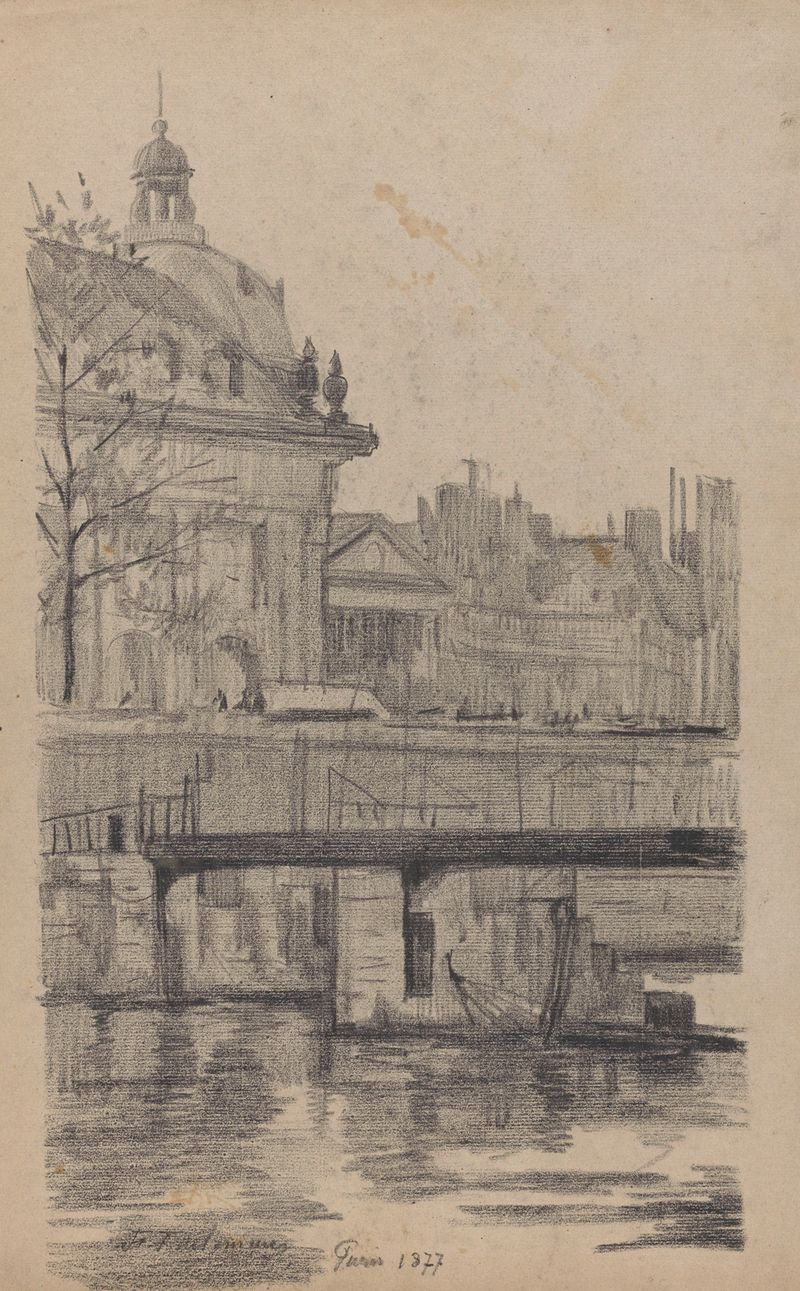
Paris (vue de la Seine et du Collège des Quatre Nations (actuellement siège de l’Institut de France)
Jean-François Taelemans
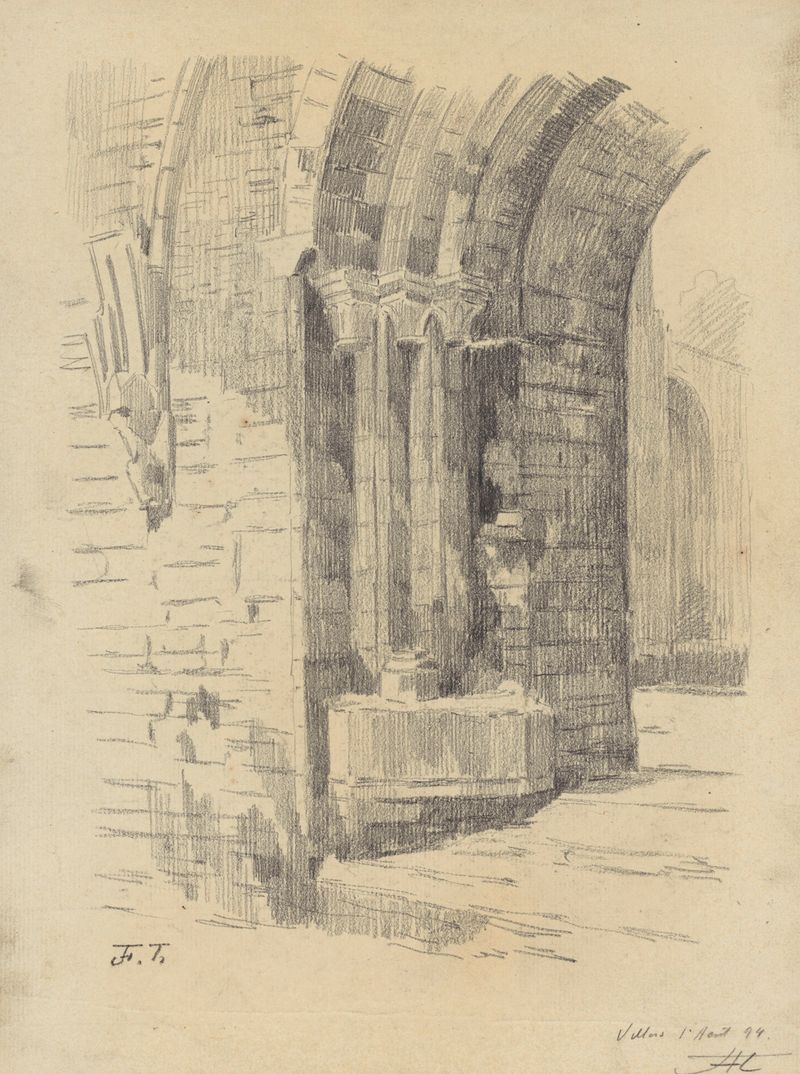
Ruines de l’abbaye de Villers-la-Ville – porche entre le cloître et l’église abbatiale (côté droit)
Jean-François Taelemans
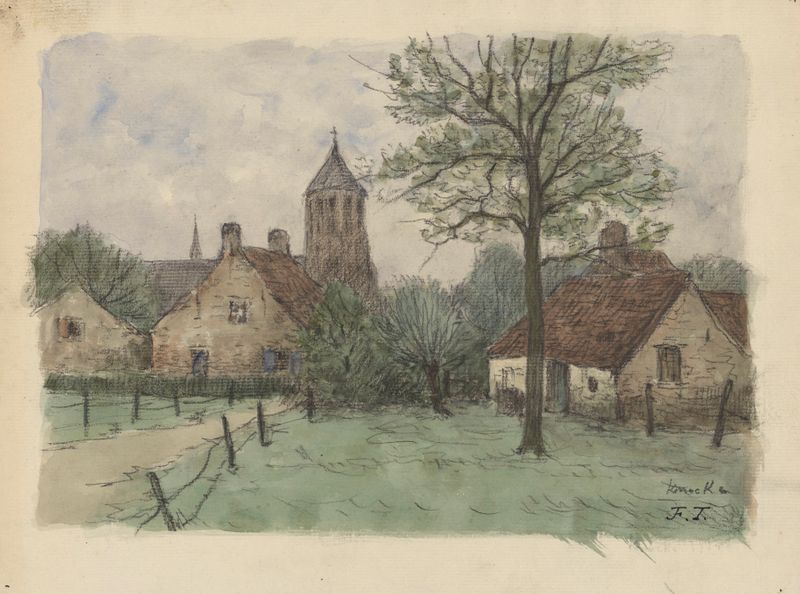
Village et église Sint Margaretha à Knocke
Jean-François Taelemans
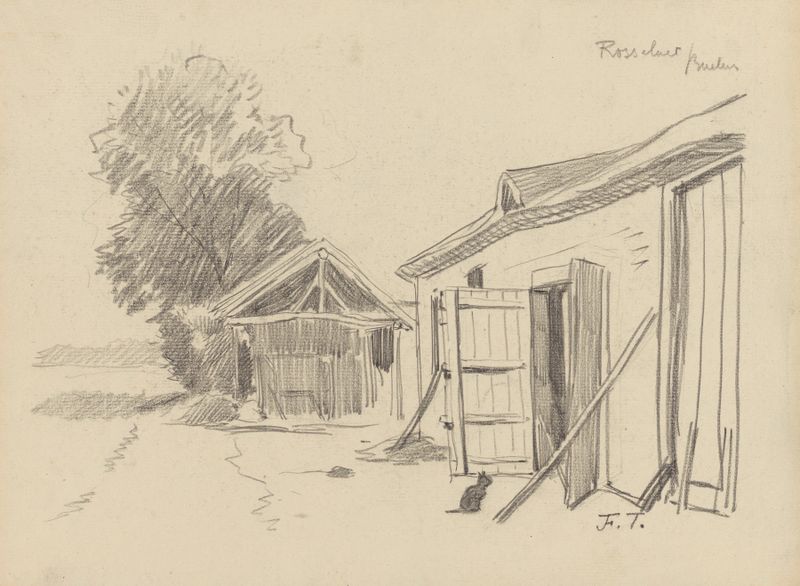
Croquis de deux remises de ferme à Rosselaer
Jean-François Taelemans
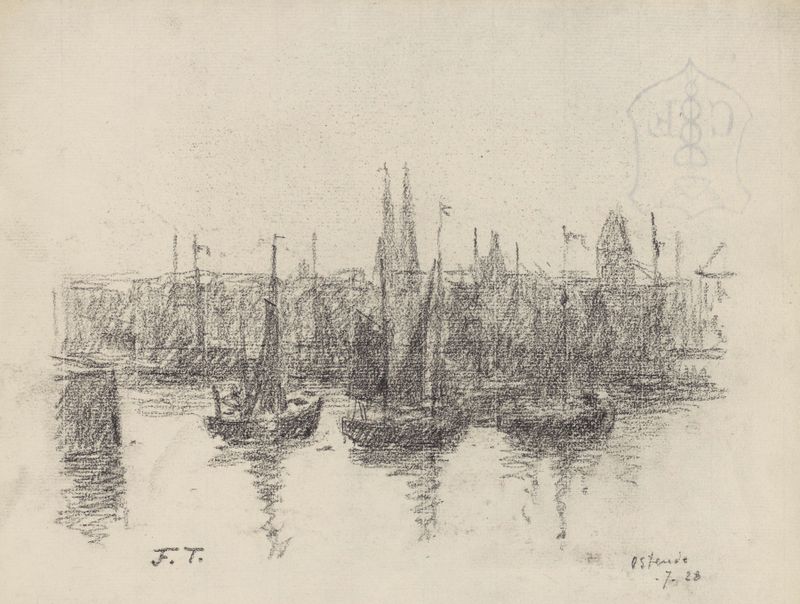
Ostende – port de pêche
Jean-François Taelemans
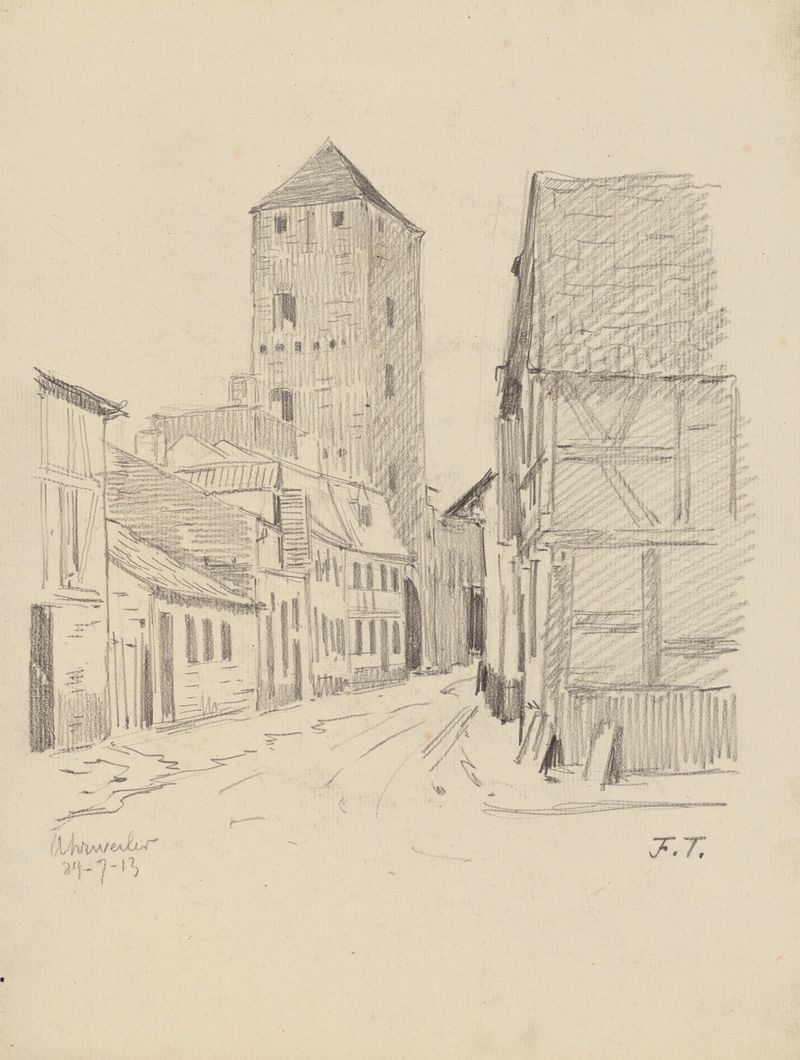
Ruelle et tour carrée à Ahrweiler (Rhénanie-Palatinat)
Jean-François Taelemans
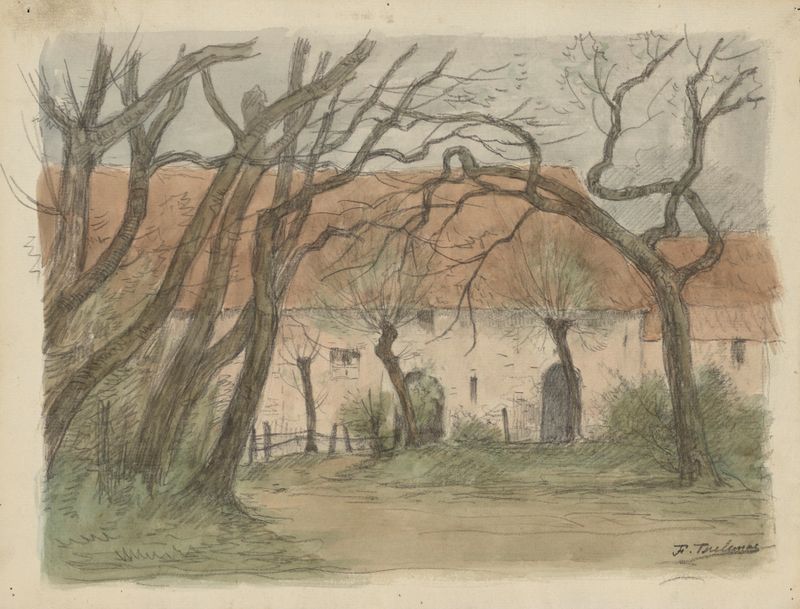
Grande maison campagnarde derrière un bouquet d’arbres
Jean-François Taelemans
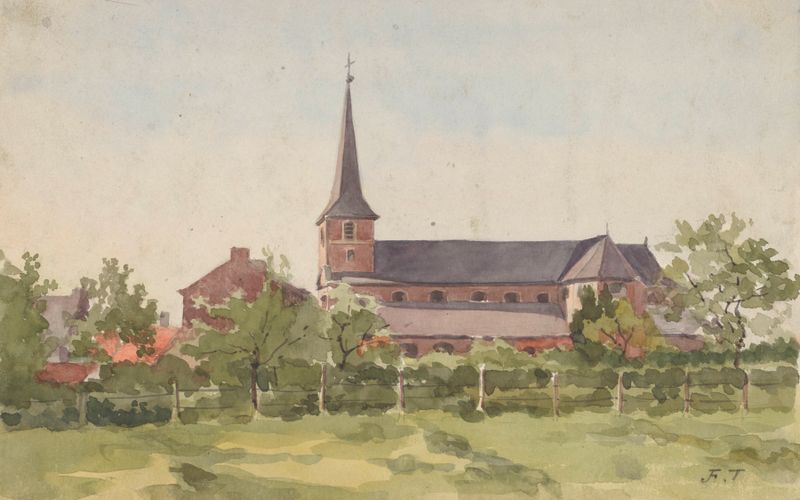
Eglise de village vue sur son flanc droit derrière une haie clôturée, pré à l’avant-plan
Jean-François Taelemans
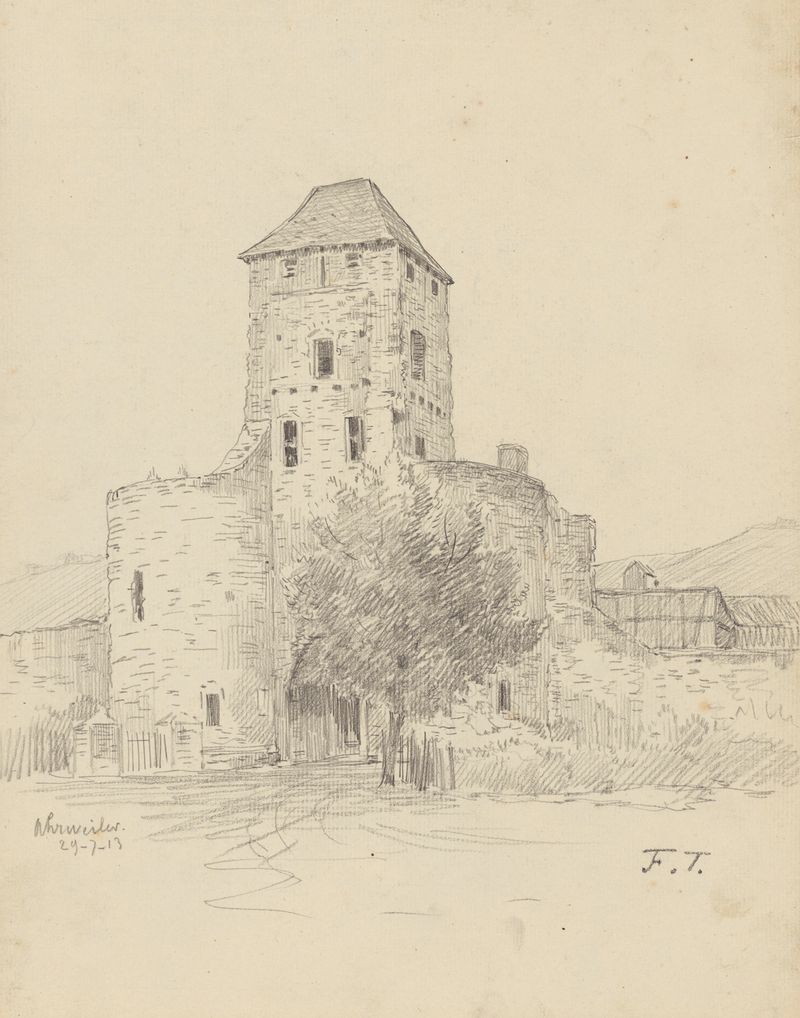
Vieille tour (porte) à Ahrweiler (Allemagne)
Jean-François Taelemans
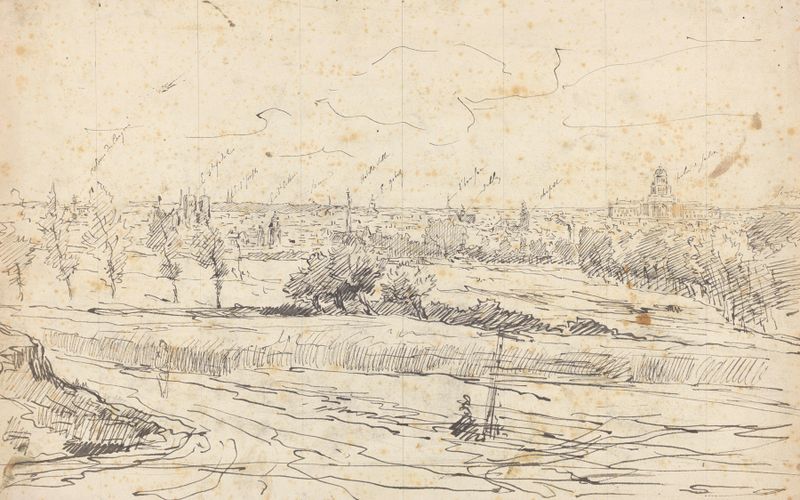
Panorama de Bruxelles
Jean-François Taelemans
More Religious Art
Browse all →
The Return of the Prodigal Son
Rembrandt van Rijn

The Garden of Earthly Delights
El Bosco

Count Orgaz’ funeral
El Greco

The Hundred Guilder Print: the central piece with Christ preaching, the plate arched
Rembrandt van Rijn

The Descent from the Cross
Rogier van der Weyden

The return of the prodigal son
Rembrandt van Rijn