
Panorama de Bruxelles — History & Facts
How can emptiness, when rendered on canvas, speak volumes about a city’s heart and spirit? Look to the bottom left, where the intricate labyrinth of streets begins to unfurl; the viewer's eye ventures through the carefully arranged grid that represents Brussels. Notice how the soft hues of ochre and muted blues blur the boundaries between buildings and sky, giving an impression of both space and confinement. The use of light is delicately balanced, casting shadows that dance among the structures while inviting the viewer to ponder the stories that linger in each corner. Within the intricate details lies a profound contrast: the bustling essence of urban life against an intangible void that envelops the scene, suggesting a world both full and empty.
The positions of the buildings seem to whisper, revealing a narrative of resilience in the face of abandonment and solitude. Subtle color choices evoke a sense of nostalgia, as if each brushstroke yearns to capture the fleeting moments of connection amidst the solitude of the cityscape. In the early 18th century, Jean-François Taelemans painted this work in Brussels, a time when the city was transforming under its burgeoning architectural identity. As public and religious edifices were rising, Taelemans was deeply engaged in the artistic movements of his day, reflecting the tensions between tradition and modernity in a rapidly evolving urban environment.
This painting stands as a testament to that moment, capturing not just the landscape but the emotional resonance of a city caught between progress and its own history.
More Artworks by Jean-François Taelemans
Browse all →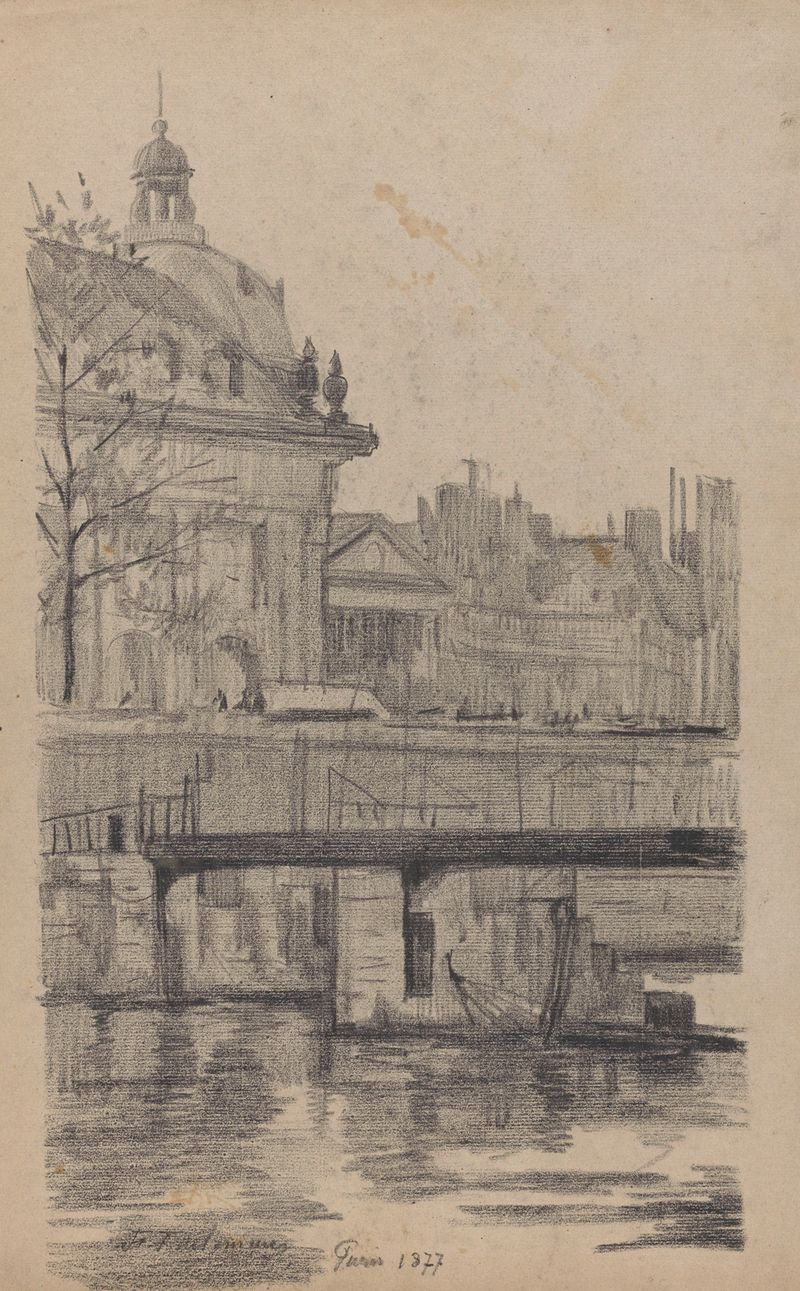
Paris (vue de la Seine et du Collège des Quatre Nations (actuellement siège de l’Institut de France)
Jean-François Taelemans
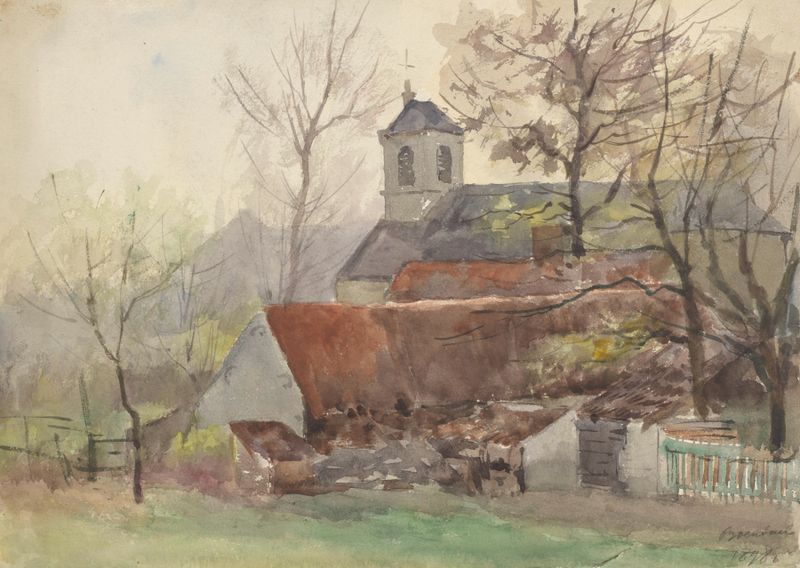
Boendael (église)
Jean-François Taelemans
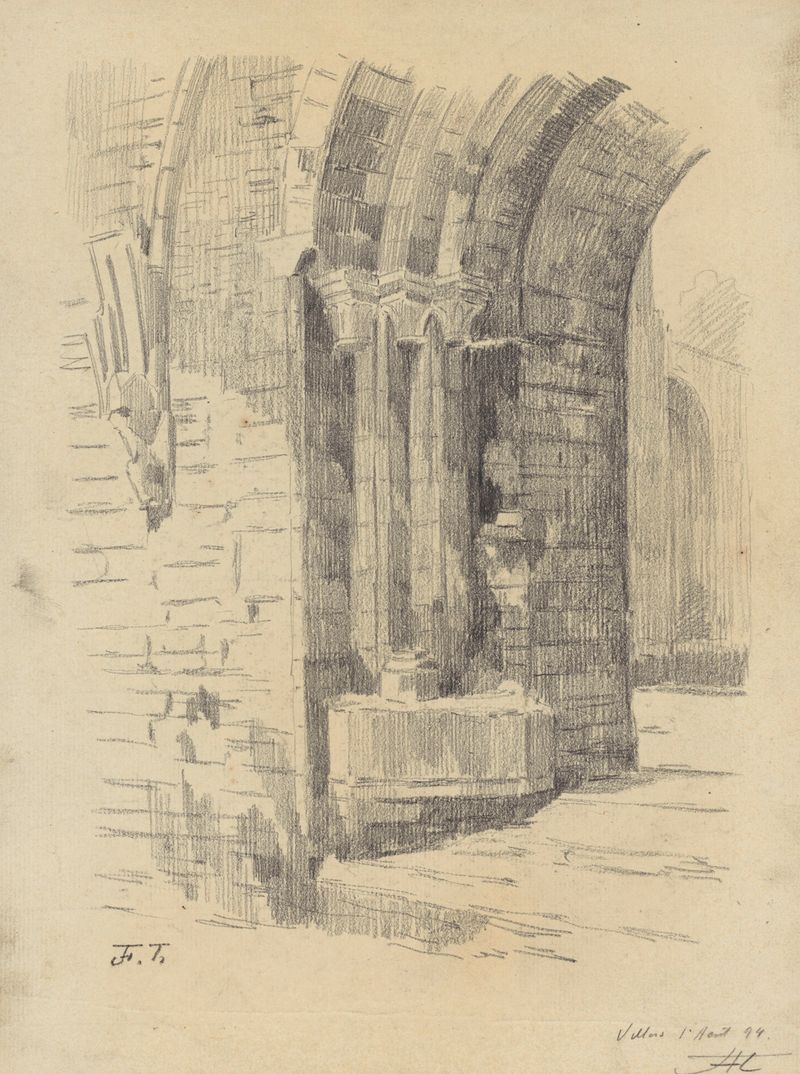
Ruines de l’abbaye de Villers-la-Ville – porche entre le cloître et l’église abbatiale (côté droit)
Jean-François Taelemans
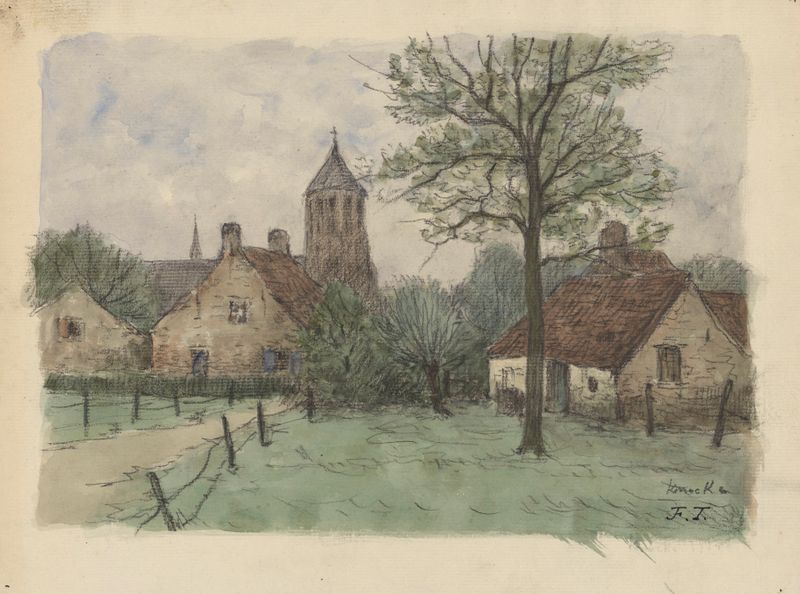
Village et église Sint Margaretha à Knocke
Jean-François Taelemans
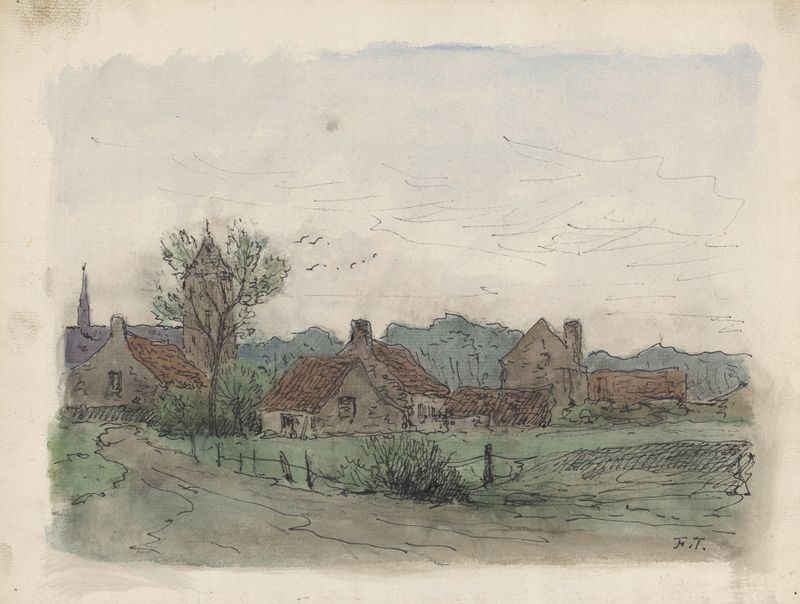
Village
Jean-François Taelemans
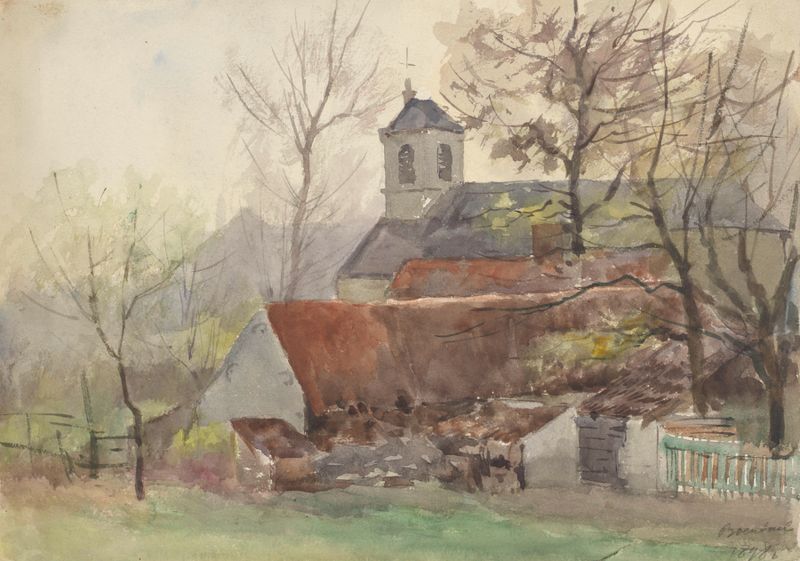
Boendael (église)
Jean-François Taelemans
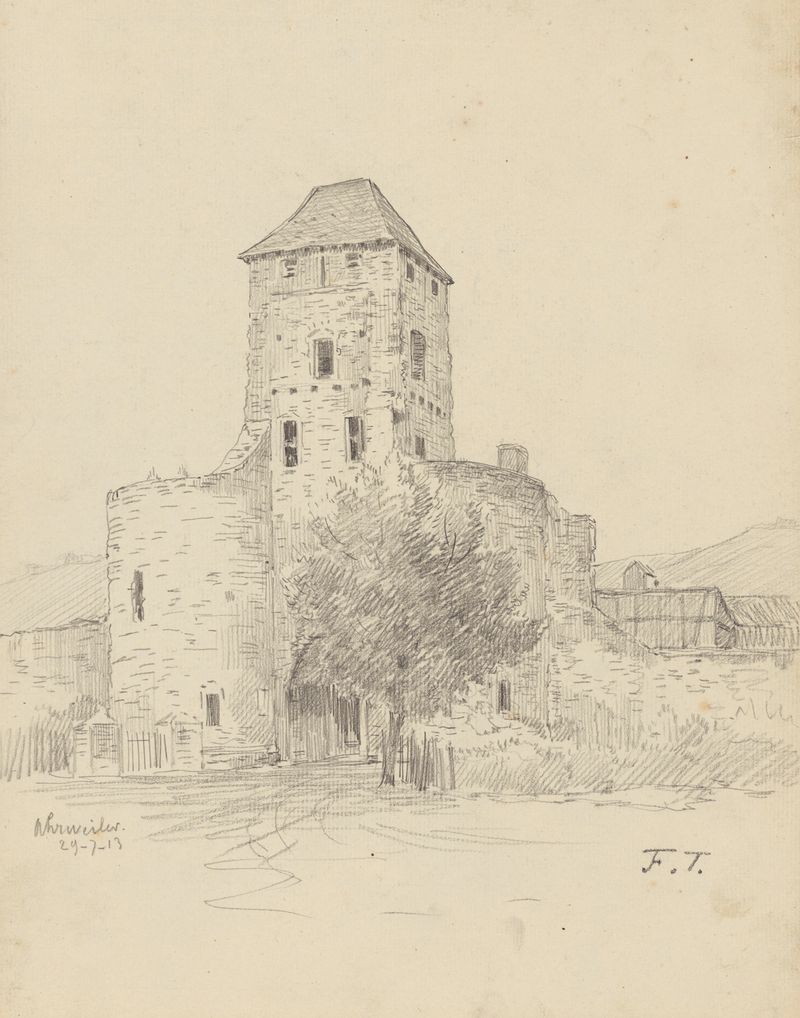
Vieille tour (porte) à Ahrweiler (Allemagne)
Jean-François Taelemans
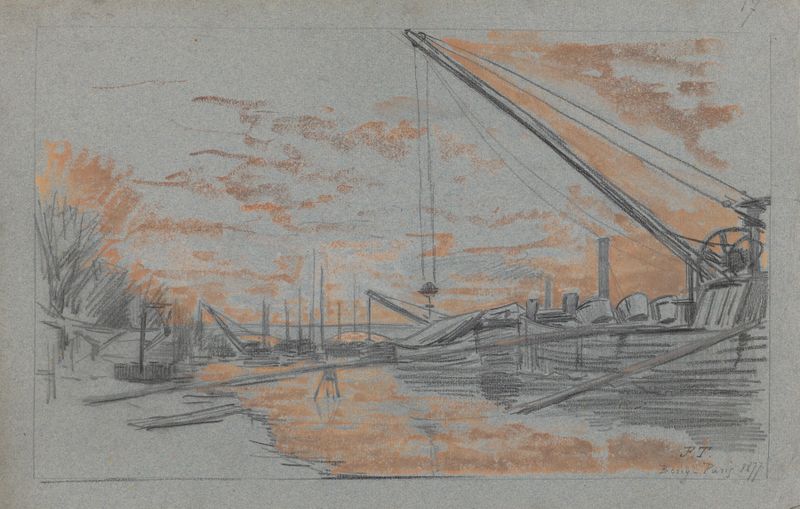
Bercy – Paris (bord de Seine avec chalands à l’ancre en cours de chargement, soleil couchant)
Jean-François Taelemans
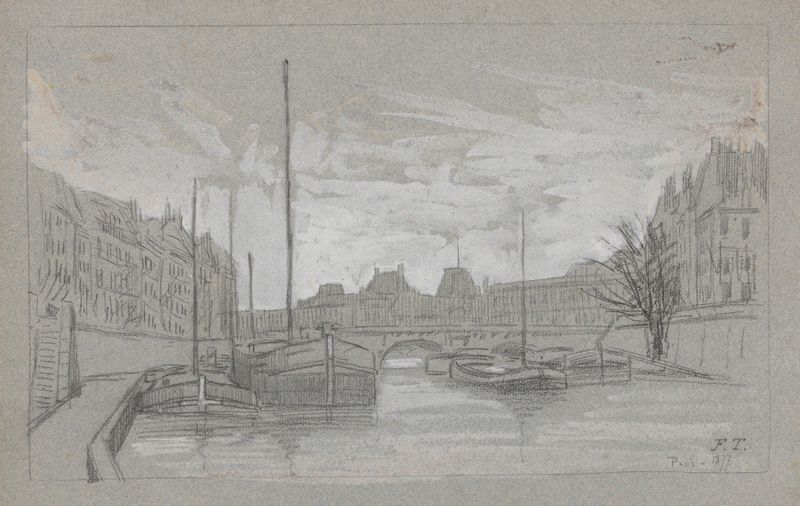
Paris (bateaux sur la Seine près d’un pont)
Jean-François Taelemans
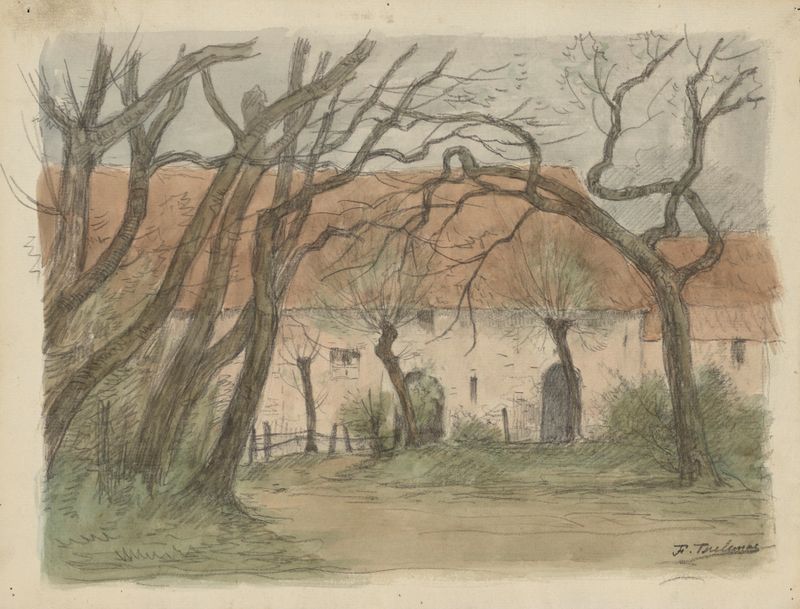
Grande maison campagnarde derrière un bouquet d’arbres
Jean-François Taelemans





