
Ruelle et tour carrée à Ahrweiler (Rhénanie-Palatinat) — History & Facts
Can beauty exist without sorrow? In Ruelle et tour carrée à Ahrweiler, Jean-François Taelemans captures the essence of a quaint street corner, where serenity dances just beyond the edges of chaos. Look to the left at the soft, muted hues of the buildings, their weathered facades whispering tales of time. Notice how the light filters through the narrow alley, illuminating patches of cobblestone that seem to pulse with a life of their own. The towering square tower looms in the background, its imposing structure juxtaposed against the humble charm of the houses, creating a sense of balance amidst disorder.
Taelemans employs a delicate brushwork technique that lends a sense of movement and vibrancy to the scene, inviting the viewer to explore each nook and cranny. Delve deeper into the composition, and you'll find the emotional tension woven into the fabric of the painting. The vibrant flowers peeking from doorways hint at warmth and domesticity, yet the dark shadows lurking in the corners evoke a sense of unease. The juxtaposition of the lively street life against the solemn tower suggests the coexistence of joy and melancholy, a reminder that beauty often thrives in the heart of chaos. Created in 1913 while Taelemans was living in Germany, this work reflects the shifting tides of a pre-war Europe.
He was part of a burgeoning movement that sought to capture the essence of everyday life, even as the world was on the brink of turmoil. The artist's focus on local scenes mirrored a broader cultural exploration of identity and place during a time of significant change in the art world.
More Artworks by Jean-François Taelemans
Browse all →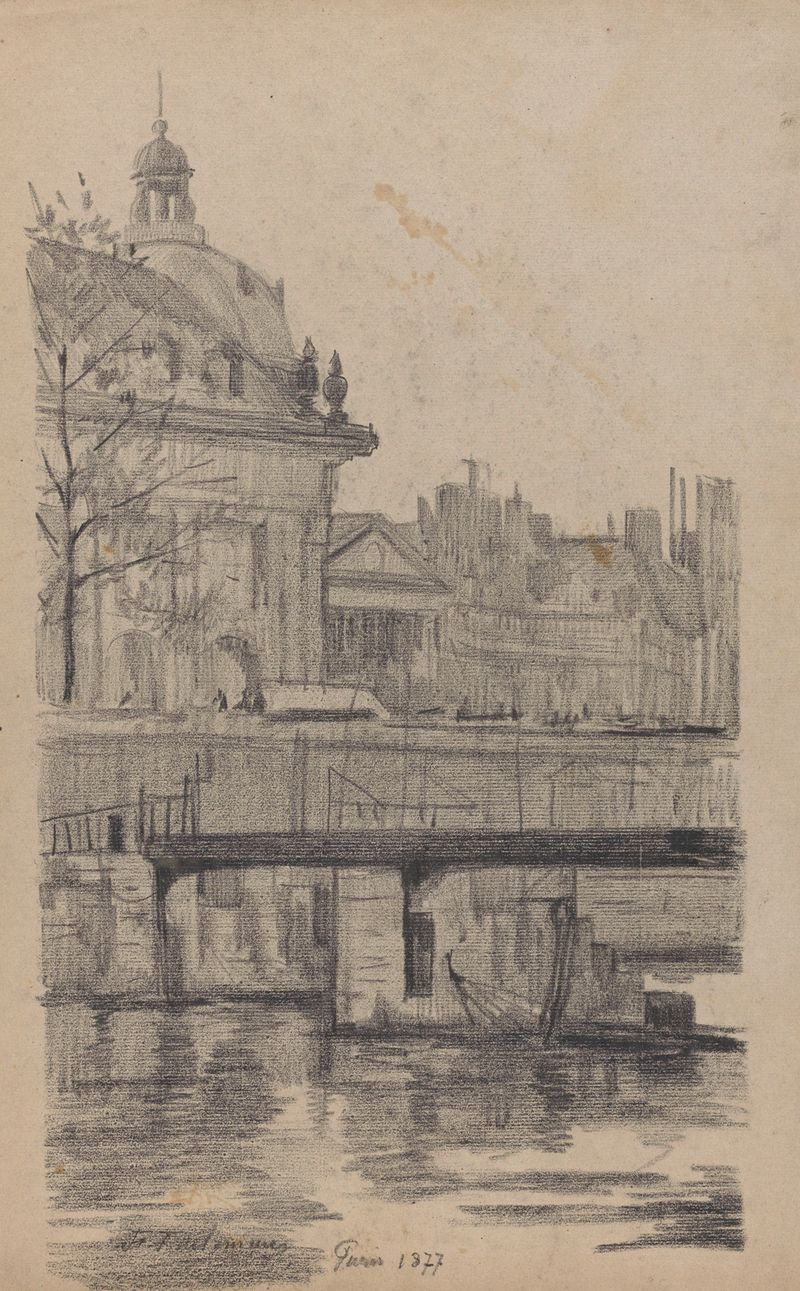
Paris (vue de la Seine et du Collège des Quatre Nations (actuellement siège de l’Institut de France)
Jean-François Taelemans
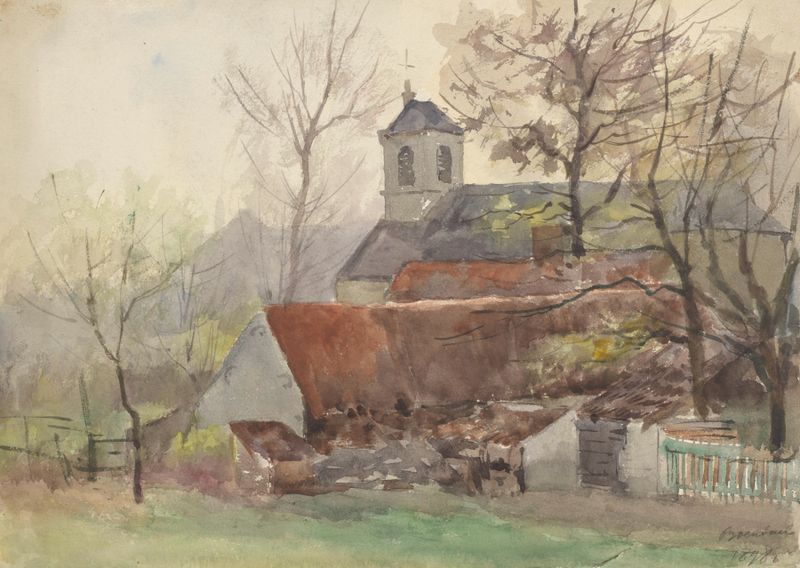
Boendael (église)
Jean-François Taelemans
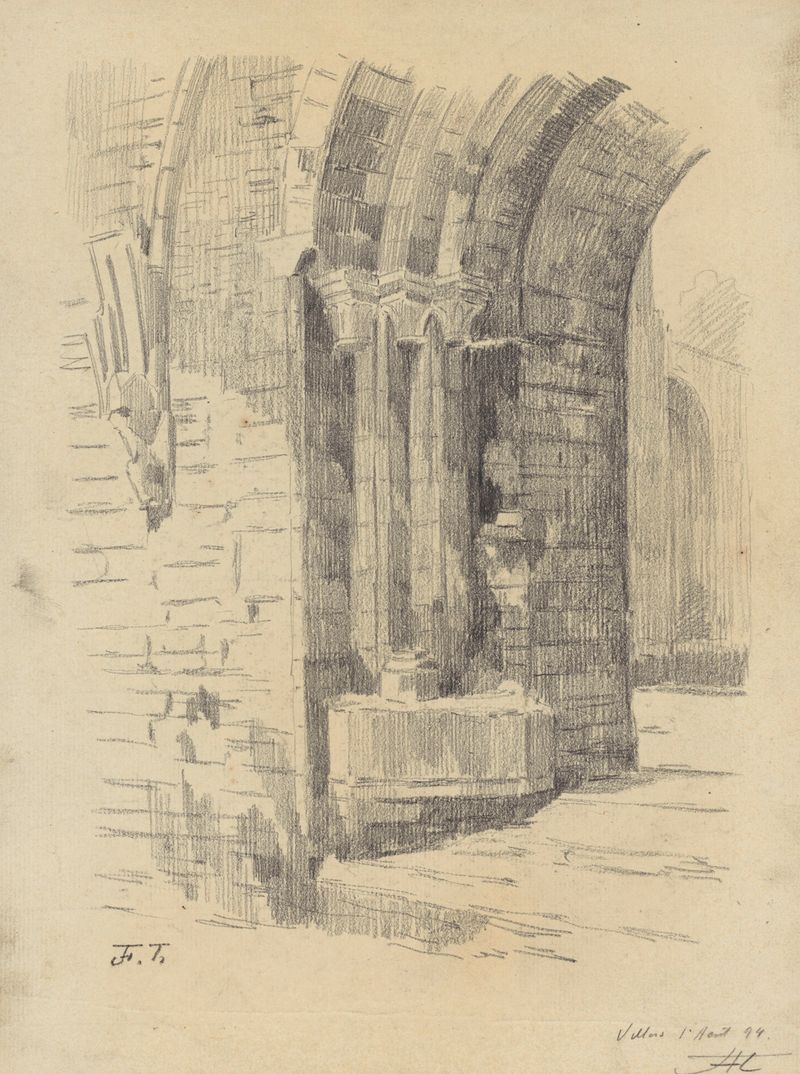
Ruines de l’abbaye de Villers-la-Ville – porche entre le cloître et l’église abbatiale (côté droit)
Jean-François Taelemans
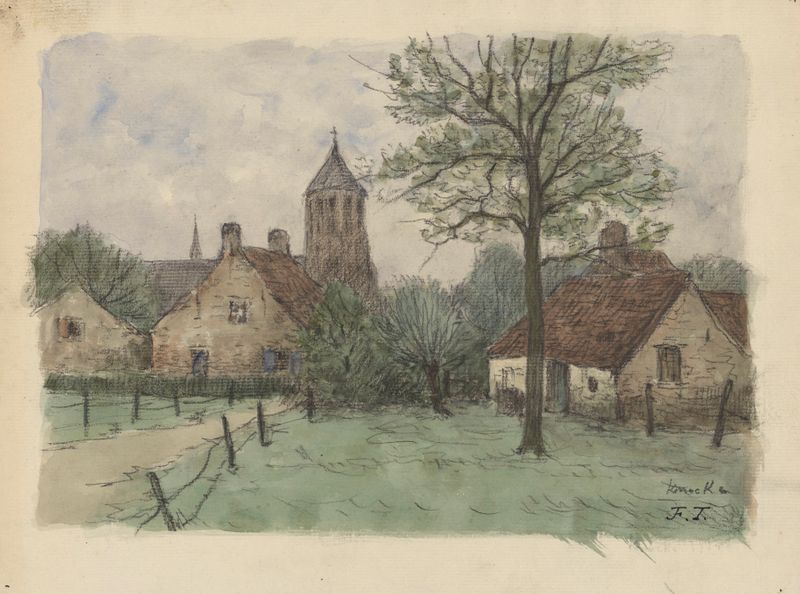
Village et église Sint Margaretha à Knocke
Jean-François Taelemans
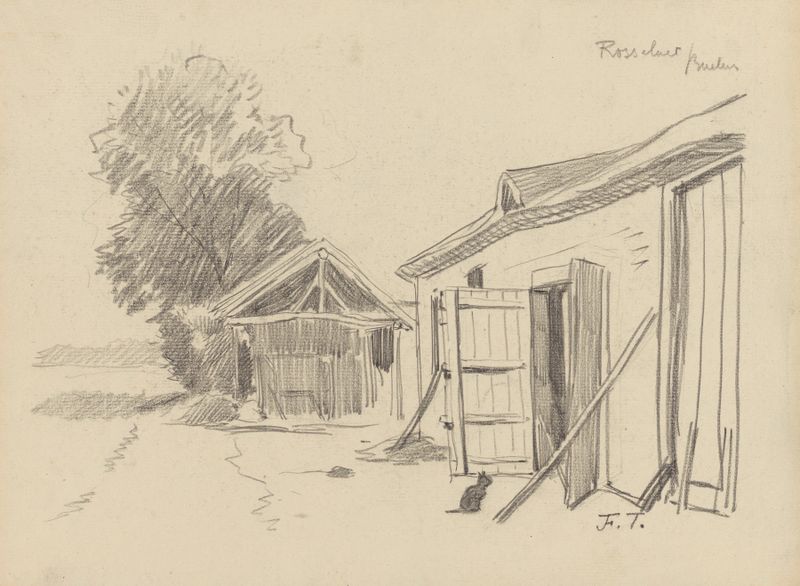
Croquis de deux remises de ferme à Rosselaer
Jean-François Taelemans
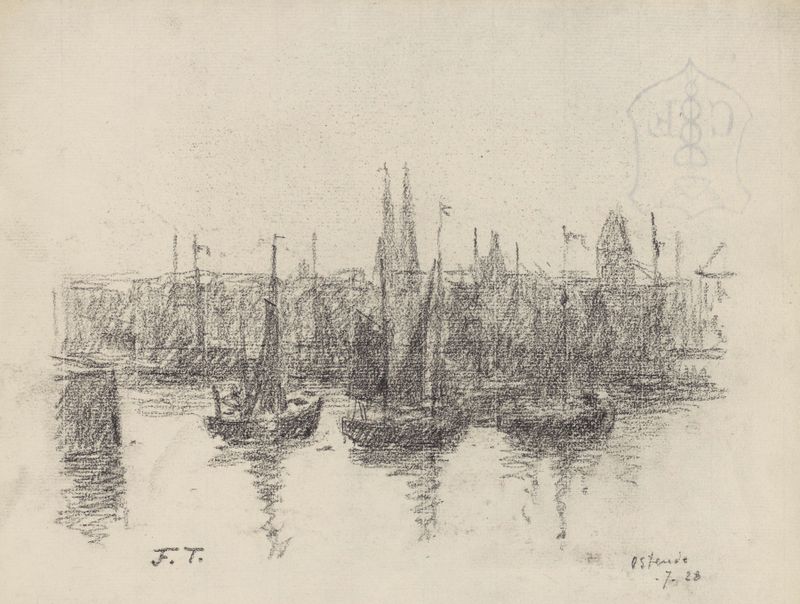
Ostende – port de pêche
Jean-François Taelemans
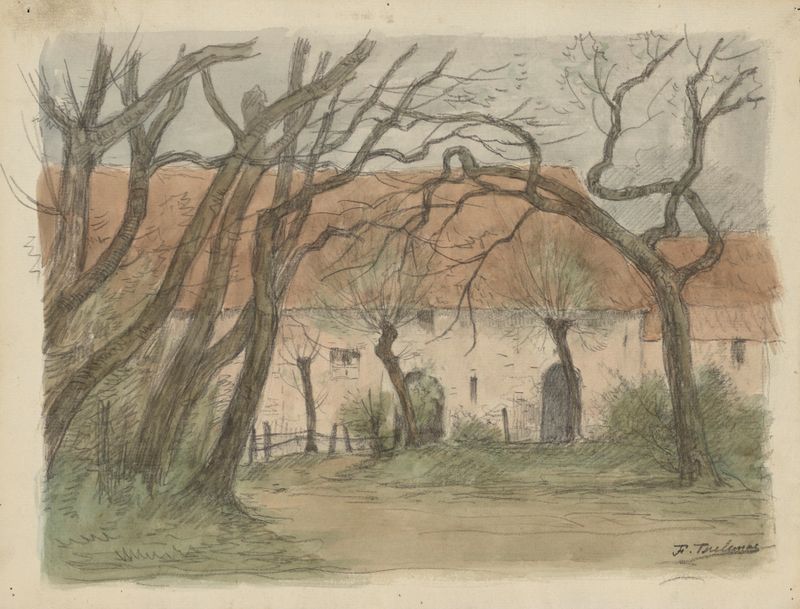
Grande maison campagnarde derrière un bouquet d’arbres
Jean-François Taelemans
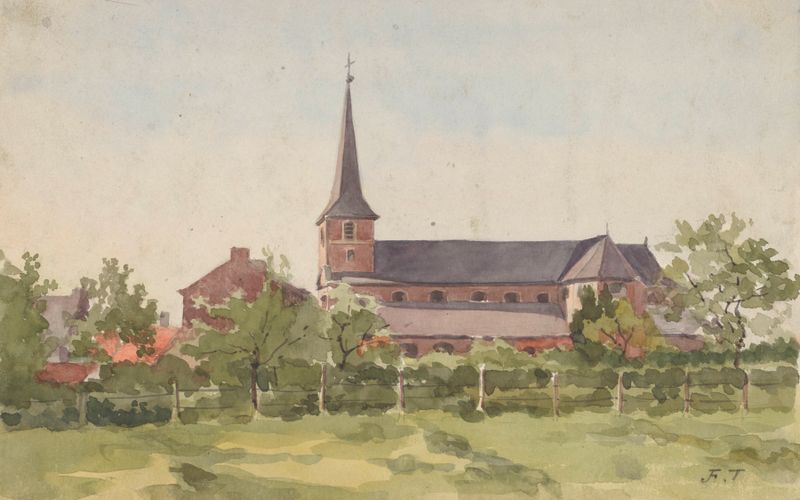
Eglise de village vue sur son flanc droit derrière une haie clôturée, pré à l’avant-plan
Jean-François Taelemans
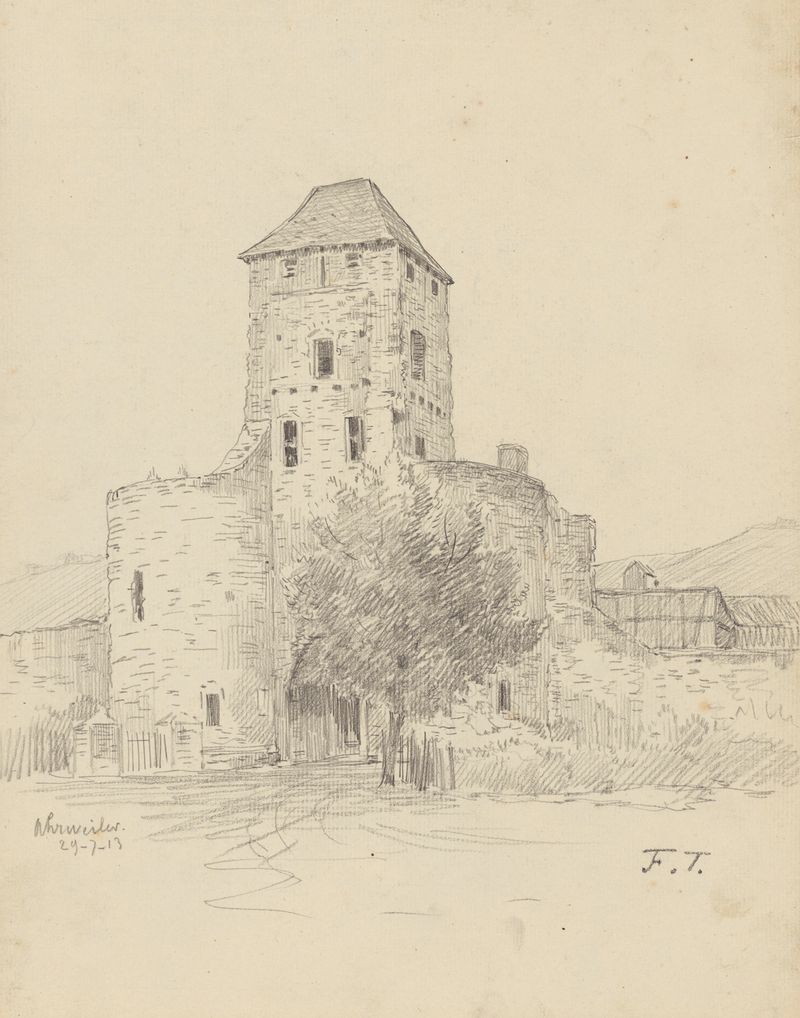
Vieille tour (porte) à Ahrweiler (Allemagne)
Jean-François Taelemans
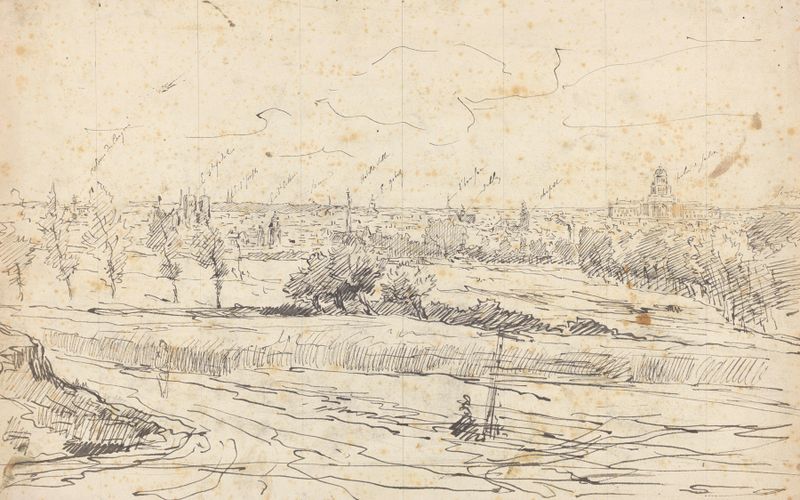
Panorama de Bruxelles
Jean-François Taelemans





