
Village et église Sint Margaretha à Knocke — History & Facts
The juxtaposition of decay and charm is a bittersweet reminder of life’s transience. It lingers in the mind long after the gaze has moved on. Begin by focusing on the quaint church nestled amidst the village. Notice how the meticulous brushstrokes create the texture of the weathered stones, each crack and crevice telling the story of time.
The muted palette, with soft earthy tones, evokes a sense of nostalgia, drawing you into the embrace of this serene yet aging landscape. The gentle light filters through scattered clouds, illuminating the villagers who seem to dance in the shadows of their own history. Hidden beneath the surface lies a deeper commentary on the passage of time. The church, a steadfast presence, contrasts against the encroaching decay of the surrounding structures, symbolizing resilience amidst change.
Look closely at the figures; their postures reflect a quiet acceptance of life’s inevitable cycle, an interplay of joy and melancholy that enriches the scene. The painting captures not just a moment but a feeling, eliciting reflections on community and the ephemeral nature of beauty. Created in the coastal town of Knokke during the early 18th century, the artist found inspiration in the picturesque charm of this Belgian village. Amidst the evolving art scene of the time, Taelemans was transitioning from the tradition of Flemish landscape painting to a unique blend of realism and emotive expression.
This work stands as a testament to his ability to capture the quiet poetry of a moment that, while seemingly ordinary, resonates with the weight of existence.
More Artworks by Jean-François Taelemans
Browse all →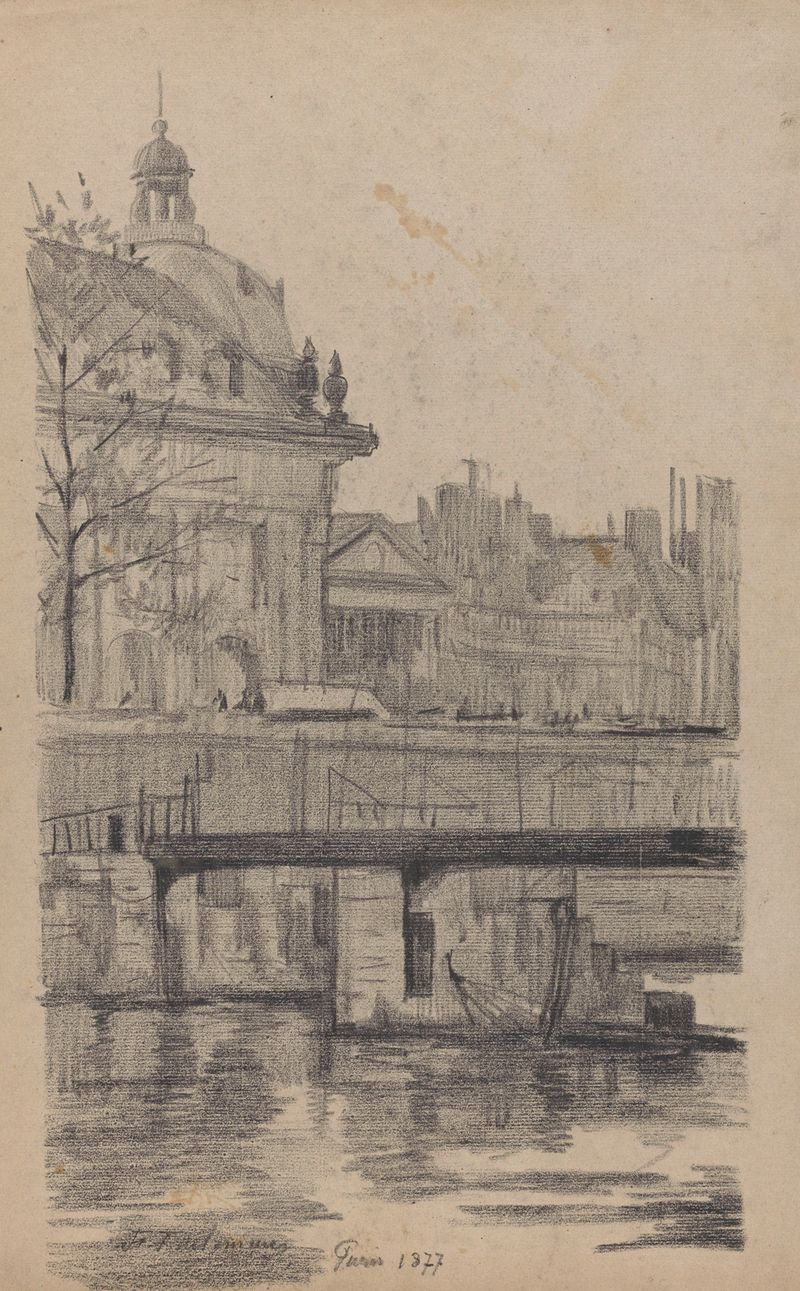
Paris (vue de la Seine et du Collège des Quatre Nations (actuellement siège de l’Institut de France)
Jean-François Taelemans
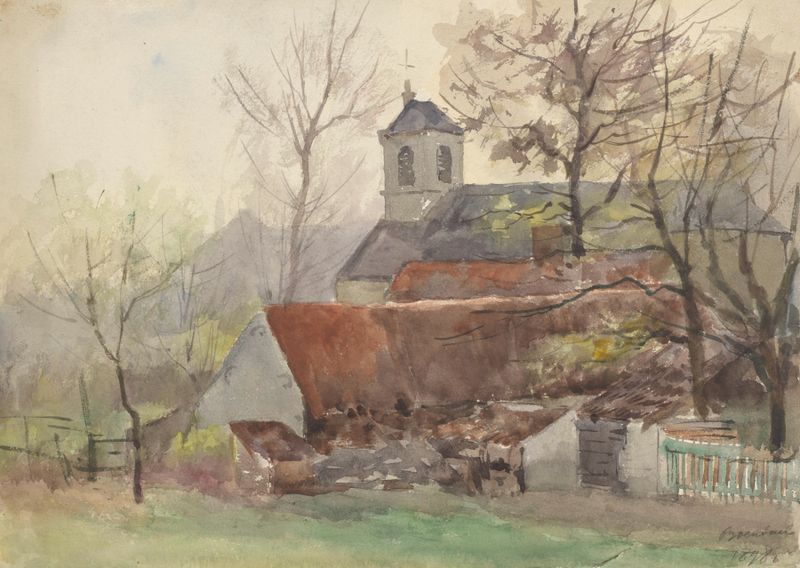
Boendael (église)
Jean-François Taelemans
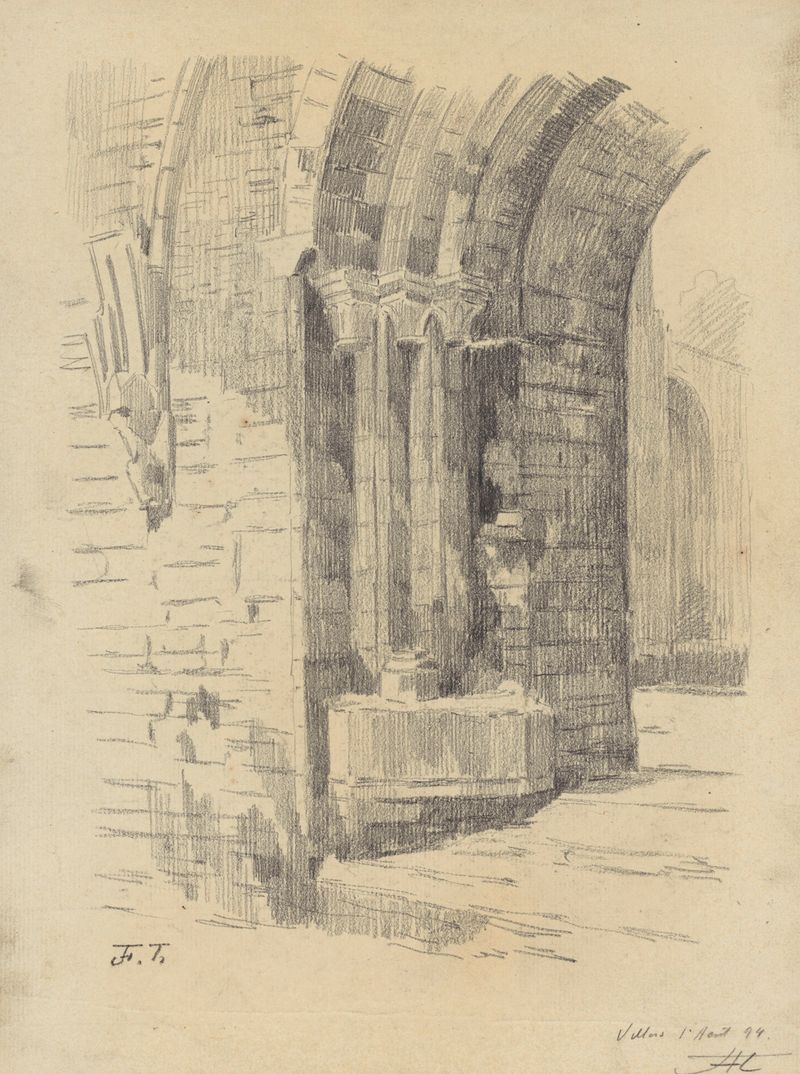
Ruines de l’abbaye de Villers-la-Ville – porche entre le cloître et l’église abbatiale (côté droit)
Jean-François Taelemans
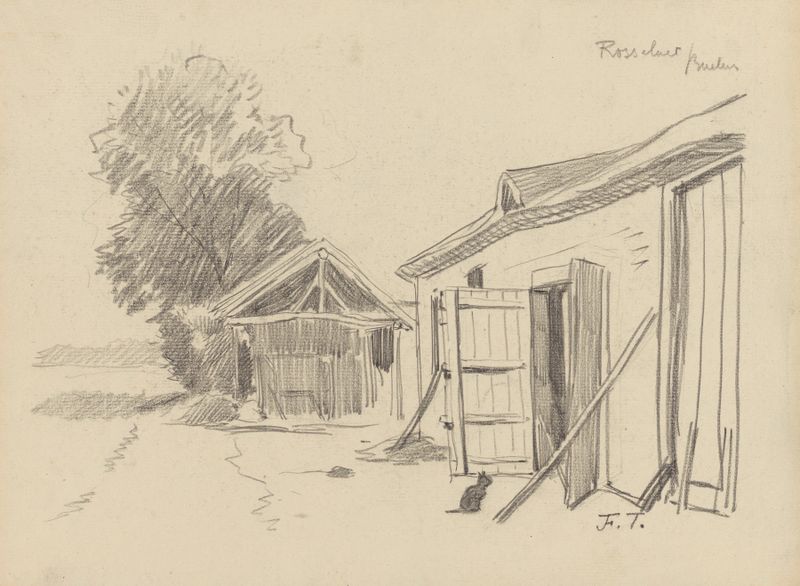
Croquis de deux remises de ferme à Rosselaer
Jean-François Taelemans
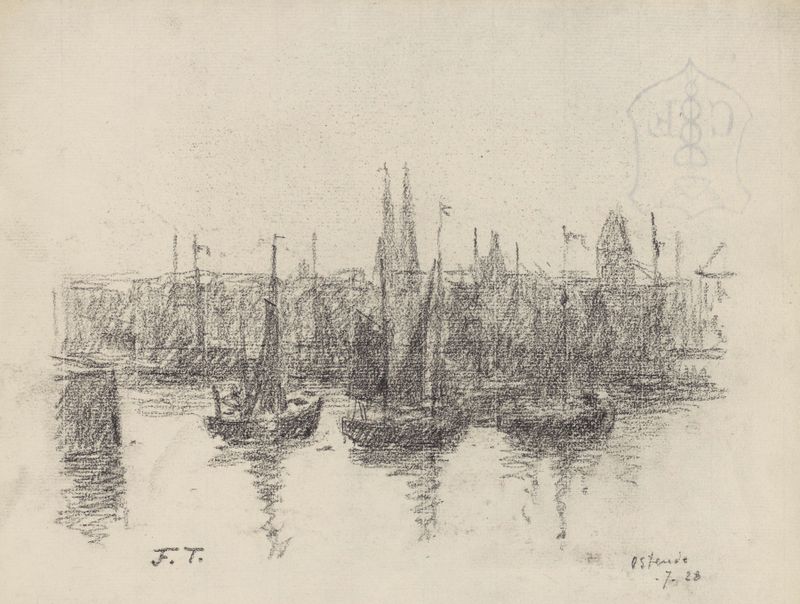
Ostende – port de pêche
Jean-François Taelemans
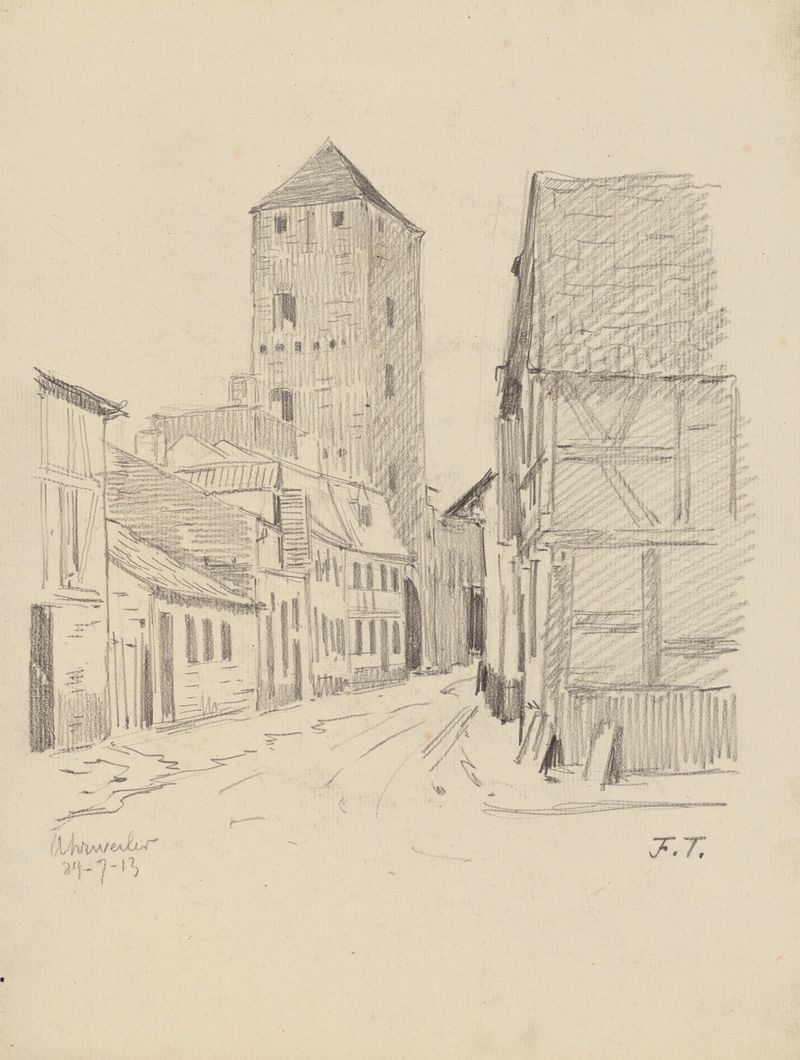
Ruelle et tour carrée à Ahrweiler (Rhénanie-Palatinat)
Jean-François Taelemans
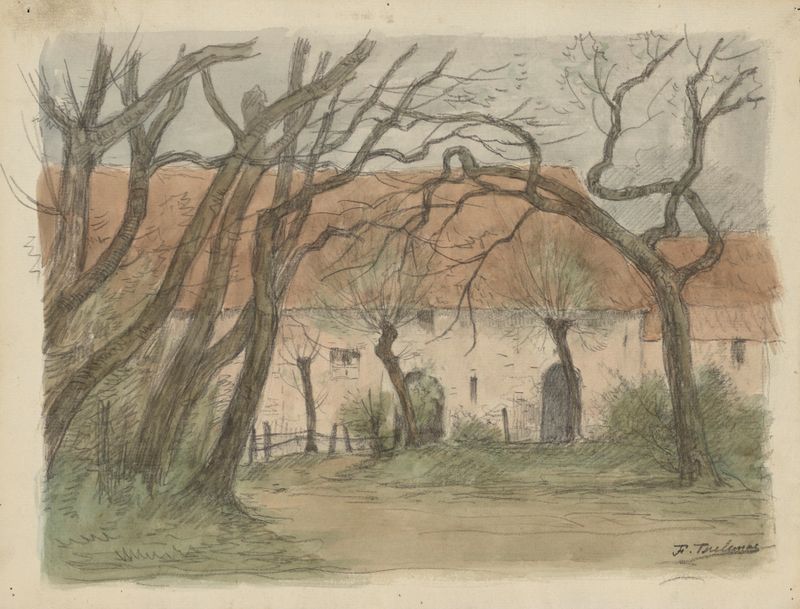
Grande maison campagnarde derrière un bouquet d’arbres
Jean-François Taelemans
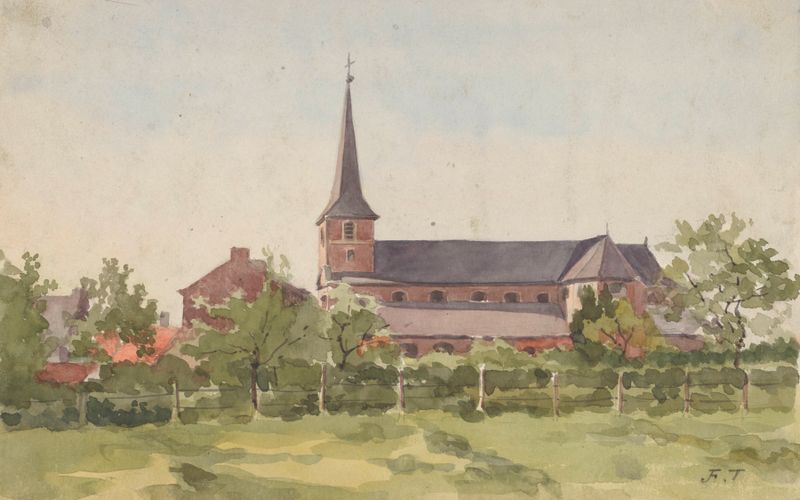
Eglise de village vue sur son flanc droit derrière une haie clôturée, pré à l’avant-plan
Jean-François Taelemans
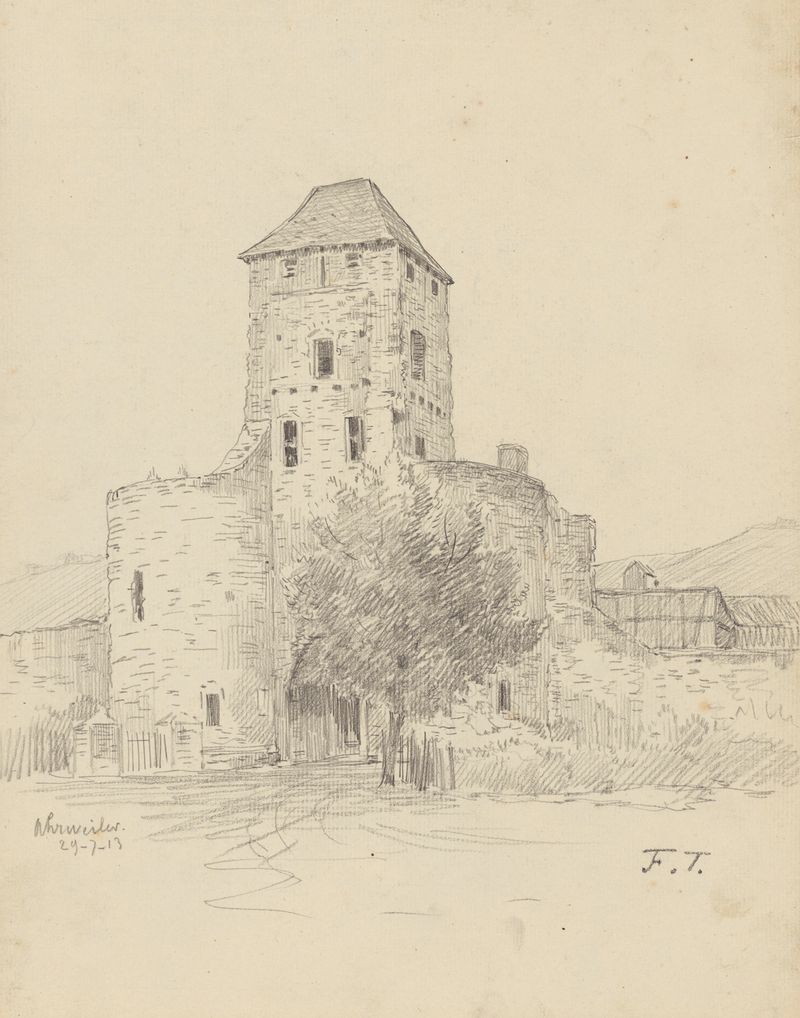
Vieille tour (porte) à Ahrweiler (Allemagne)
Jean-François Taelemans
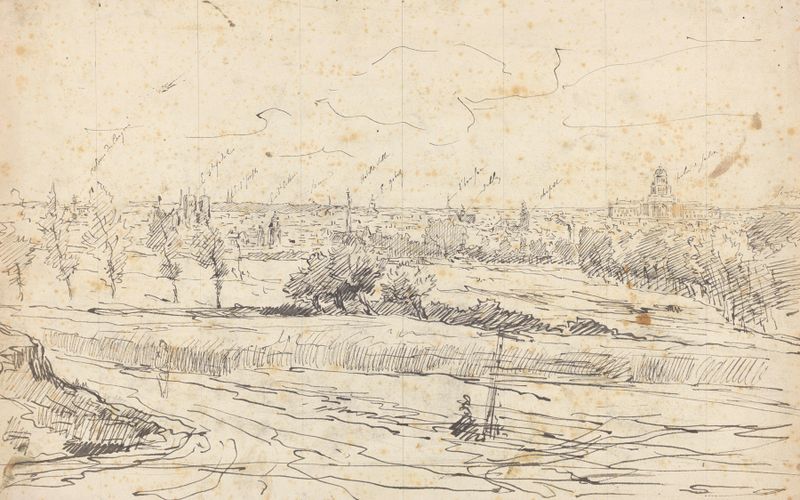
Panorama de Bruxelles
Jean-François Taelemans





