
Ruines de l’abbaye de Villers-la-Ville – porche entre le cloître et l’église abbatiale (côté droit) — History & Facts
Can paint confess what words never could? The silent whispers of faith echo through the crumbling stone of Ruines de l’abbaye de Villers-la-Ville, inviting us into a world where devotion and decay coexist. Focus on the archway at the center, where intricate carvings frame a passageway that seems to lead both to the spirit and the past. Notice how the muted light filters through the skeletal remains of the abbey, casting soft shadows that dance across the weathered stones. The palette—rich earthy tones with hints of mossy greens—evokes a sense of reverence, while the deliberate brushstrokes suggest both the beauty and the fragility of this sacred space. Beneath the surface lies a poignant interplay between absence and memory.
The ruins stand as a testament to a bygone era, yet they pulse with the lingering essence of faith. Each chipped stone and overgrown vine tells of devotion once fervent, now tempered by time. This contrast elicits a quiet contemplation of loss and resilience, urging viewers to reflect on what remains when the tangible fades. In 1894, Jean-François Taelemans painted this scene during a period marked by a revival of interest in historical architecture and the relationship between nature and spirituality.
He was deeply influenced by the Romantic movement, aiming to capture both the aesthetic and emotional weight of ruins like Villers-la-Ville. At that time, Europe was grappling with industrialization, making the serenity of these historic sites even more poignant in their dilapidation.
More Artworks by Jean-François Taelemans
Browse all →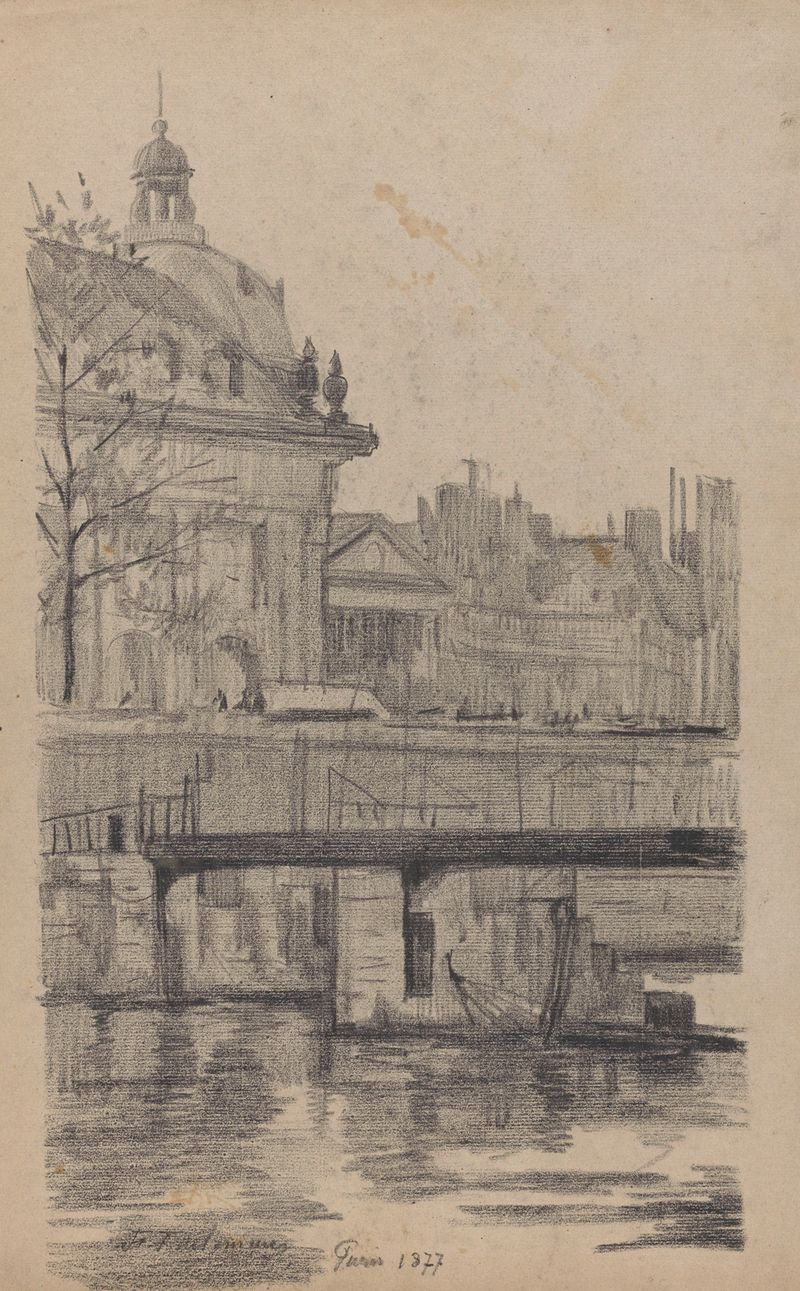
Paris (vue de la Seine et du Collège des Quatre Nations (actuellement siège de l’Institut de France)
Jean-François Taelemans
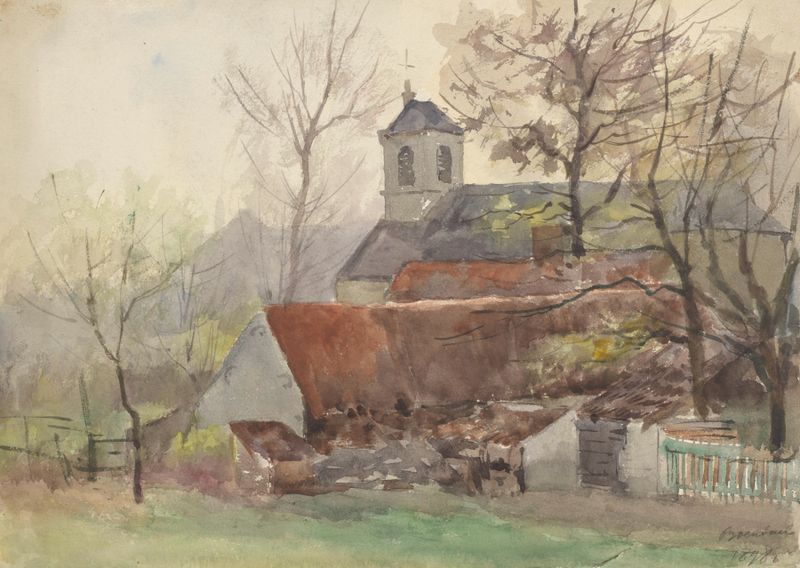
Boendael (église)
Jean-François Taelemans
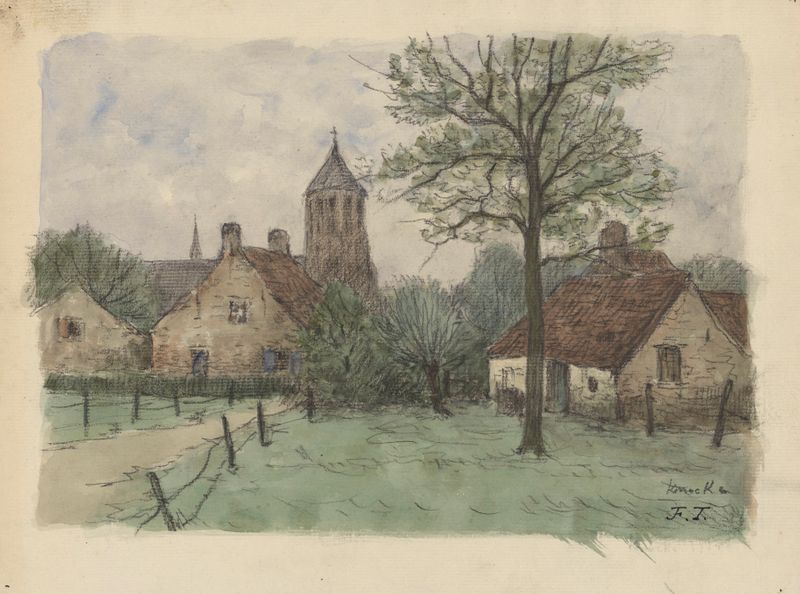
Village et église Sint Margaretha à Knocke
Jean-François Taelemans
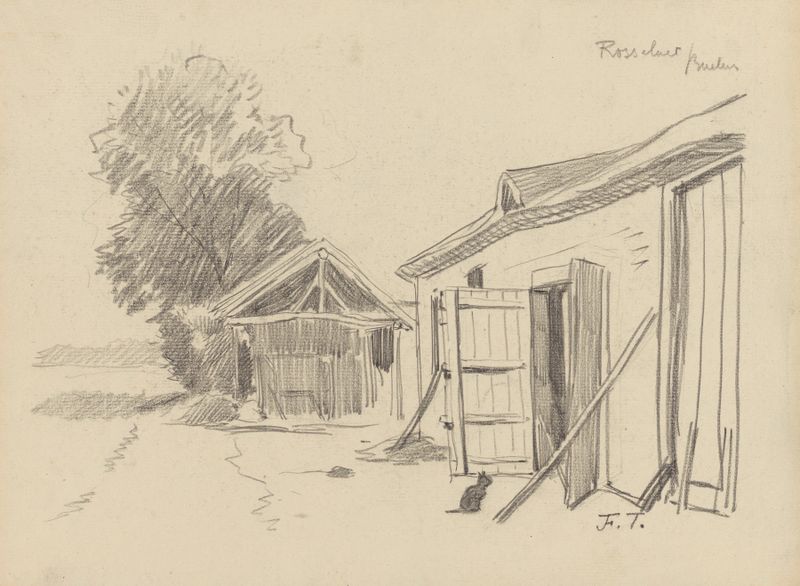
Croquis de deux remises de ferme à Rosselaer
Jean-François Taelemans
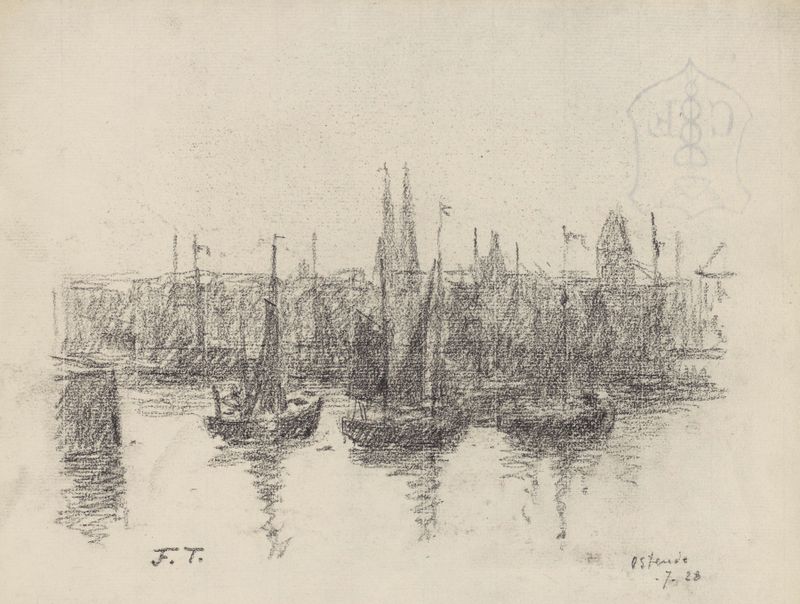
Ostende – port de pêche
Jean-François Taelemans
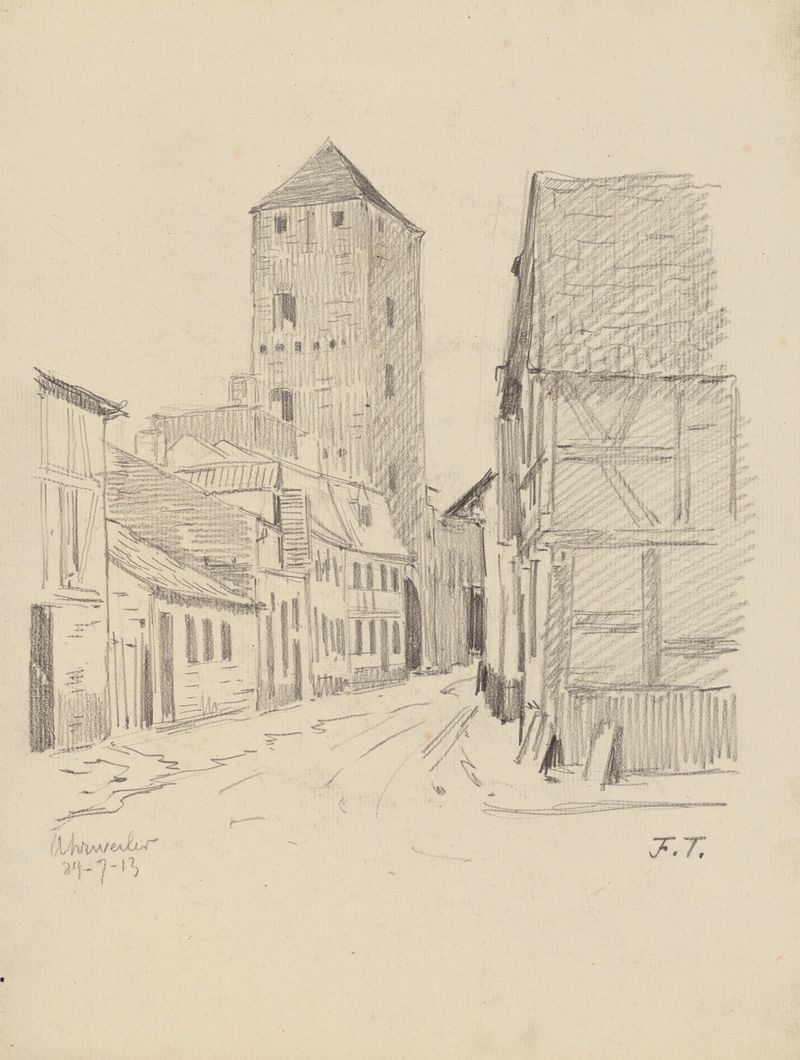
Ruelle et tour carrée à Ahrweiler (Rhénanie-Palatinat)
Jean-François Taelemans
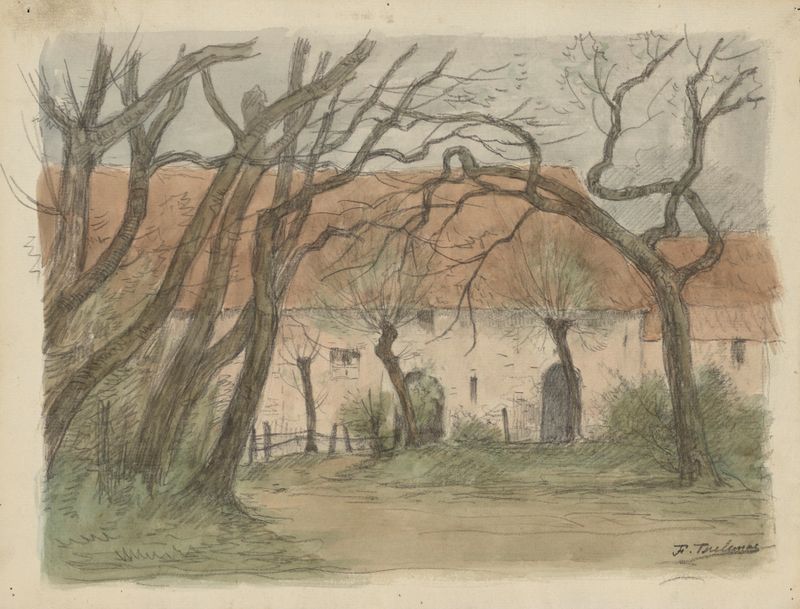
Grande maison campagnarde derrière un bouquet d’arbres
Jean-François Taelemans
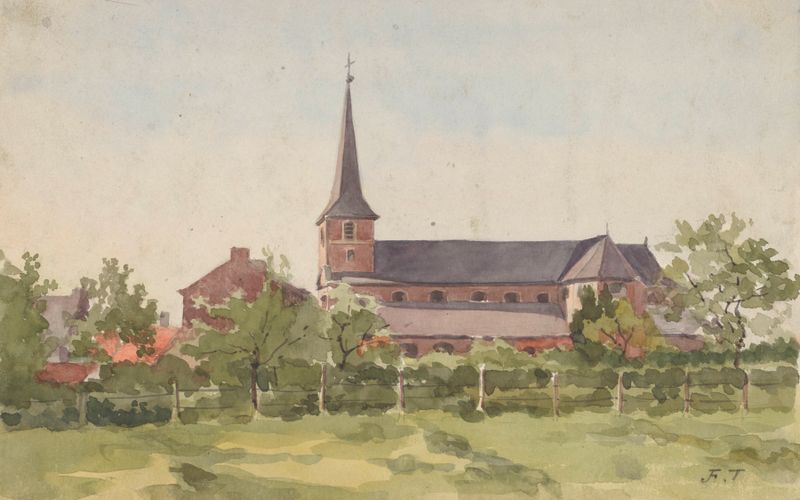
Eglise de village vue sur son flanc droit derrière une haie clôturée, pré à l’avant-plan
Jean-François Taelemans
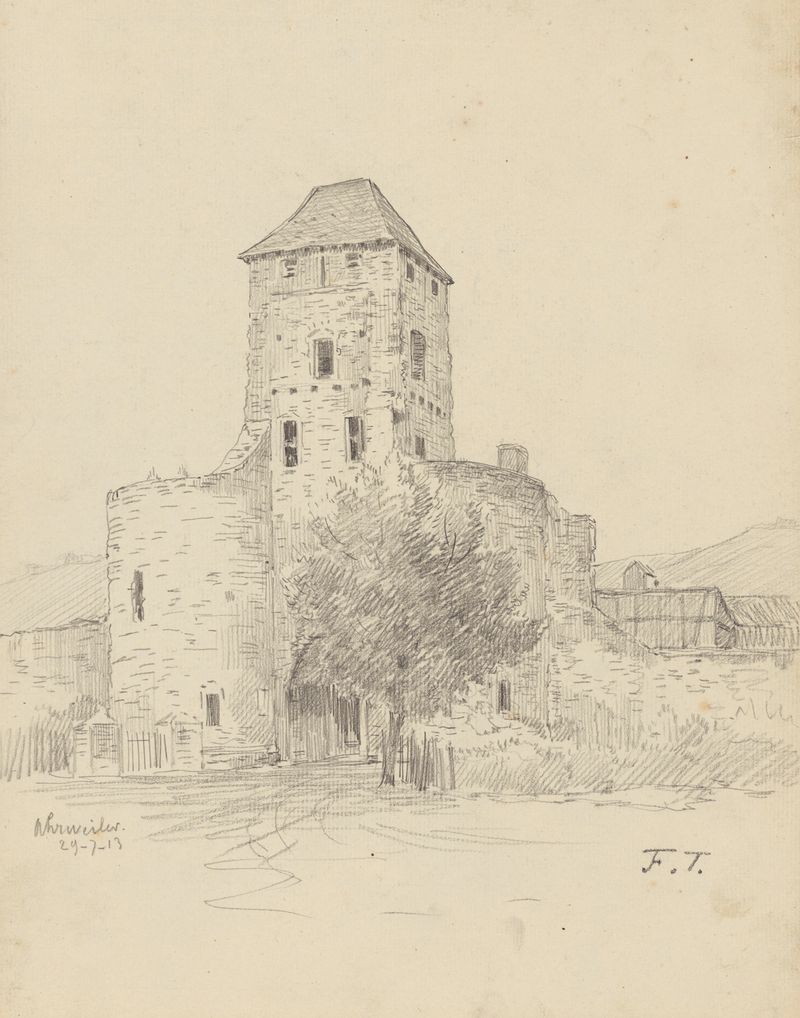
Vieille tour (porte) à Ahrweiler (Allemagne)
Jean-François Taelemans
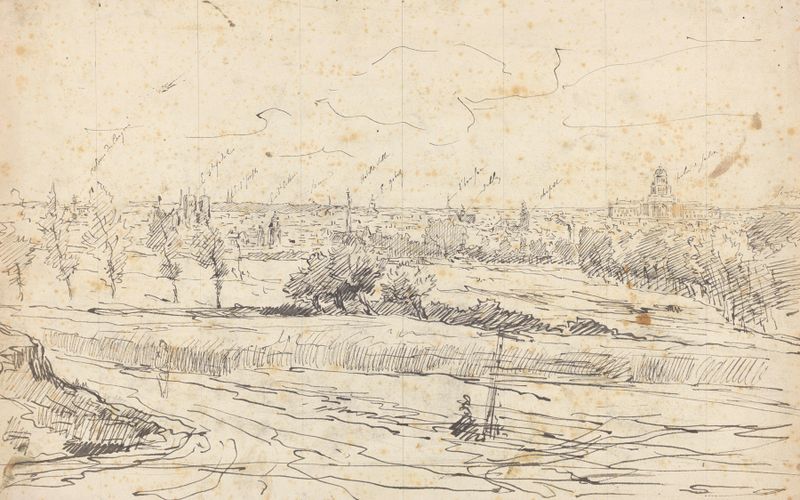
Panorama de Bruxelles
Jean-François Taelemans
More Architecture Art
Browse all →
The statue of Liberty
Frédéric Auguste Bartholdi

View of Houses in Delft, Known as ‘The Little Street’
Johannes Vermeer

View of Houses in Delft, Known as ‘The Little Street’
Johannes Vermeer

The Cathedral in Rouen. The portal, Grey Weather
Claude Monet

The yellow house
Vincent van Gogh

The Church in Auvers-sur-Oise, View from the Chevet
Vincent van Gogh