
Boer verkoopt eieren — History & Facts
What if silence could speak through light? In the stillness of the moment captured, a farmer stands resolutely, surrounded by humble treasures—his eggs—awaiting a new dawn in their journey. Look to the center where the farmer’s weathered hands rest gently on a wooden table, cradling his harvest. Notice how the soft, muted palette of browns and yellows blends seamlessly, evoking a sense of warmth and familiarity. The subtle interplay of light, streaming in from the left, creates delicate shadows that dance around the eggs, highlighting their smooth, fragile surfaces.
The quiet strength of the figure, framed against a background of earthy tones, invites a contemplative gaze. In this modest tableau, contrasts emerge—the stability of the farmer against the fragility of his wares. The eggs, symbols of potential and awakening, reflect both the promise of new life and the weight of responsibility that comes with nurturing it. There’s an unspoken dialogue between the figure and his goods, revealing an intricate balance between labor and hope, stillness and the pulse of life. Hans Sebald Beham painted this work in 1520 during his time in Nuremberg, a period marked by burgeoning Renaissance ideals and a deepening appreciation for the domestic and everyday life.
At that moment, the artist was influenced by humanism, focusing on ordinary subjects that conveyed profound narratives. Amidst the evolution of art in Europe, this piece stands as a testament to Beham’s ability to imbue simplicity with rich significance.
More Artworks by Hans Sebald Beham
Browse all →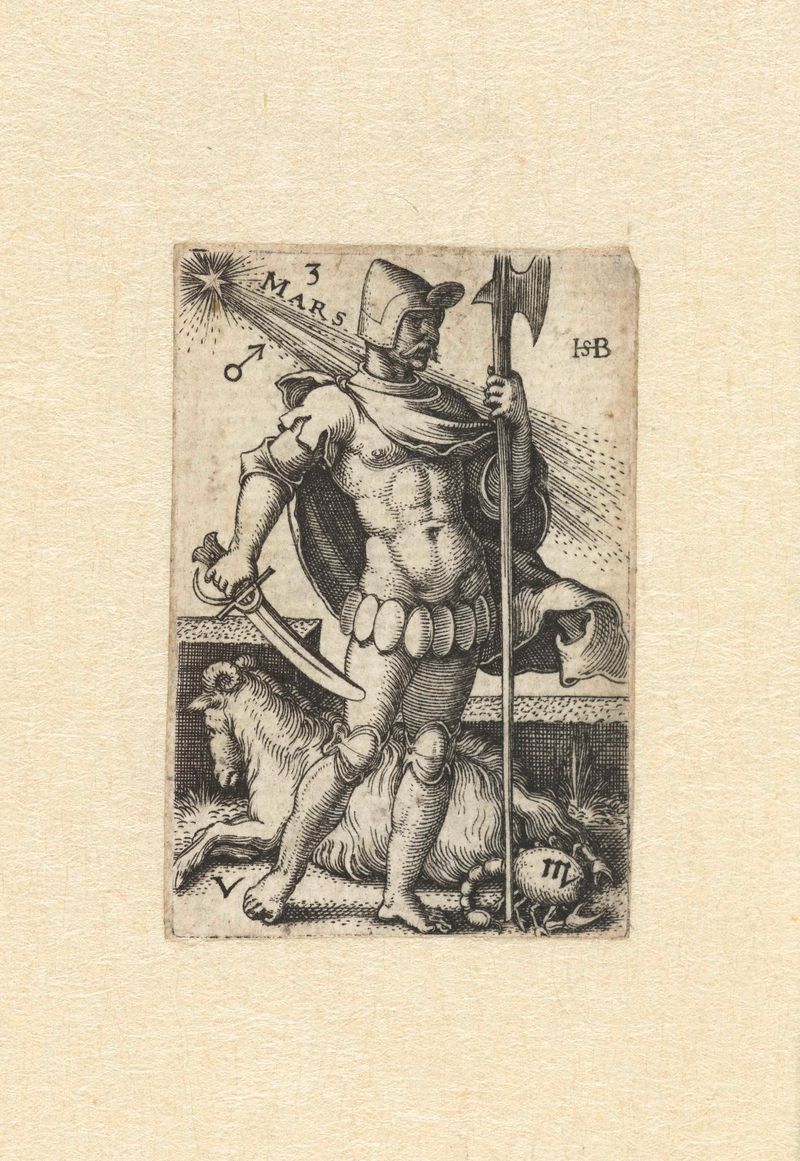
Mars met sterrenbeelden Ram en Schorpioen
Hans Sebald Beham

Achilles in gevecht met Hector
Hans Sebald Beham
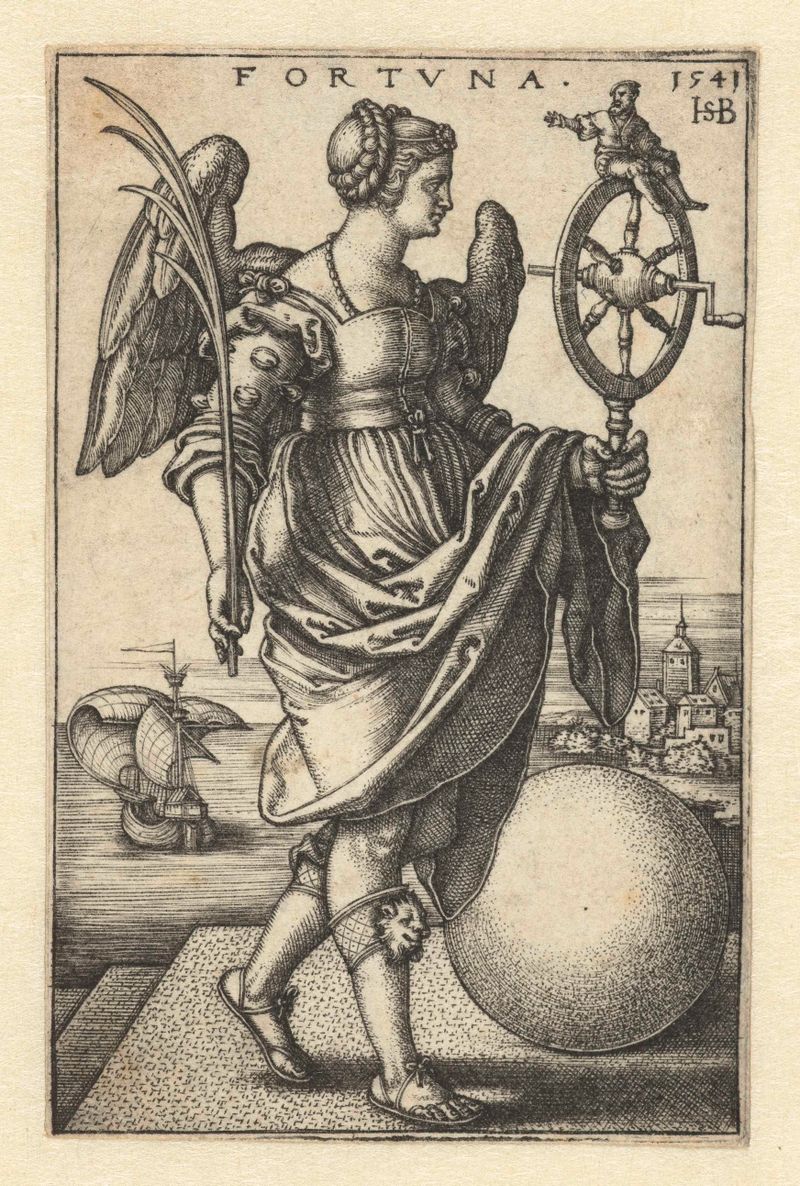
Fortuna
Hans Sebald Beham

Hercules worstelt met Antaeus
Hans Sebald Beham

Twee muzikanten met schalmey en doedelzak
Hans Sebald Beham

Voorzichtigheid (Prudentia)
Hans Sebald Beham

Hercules in gevecht met de Trojanen
Hans Sebald Beham
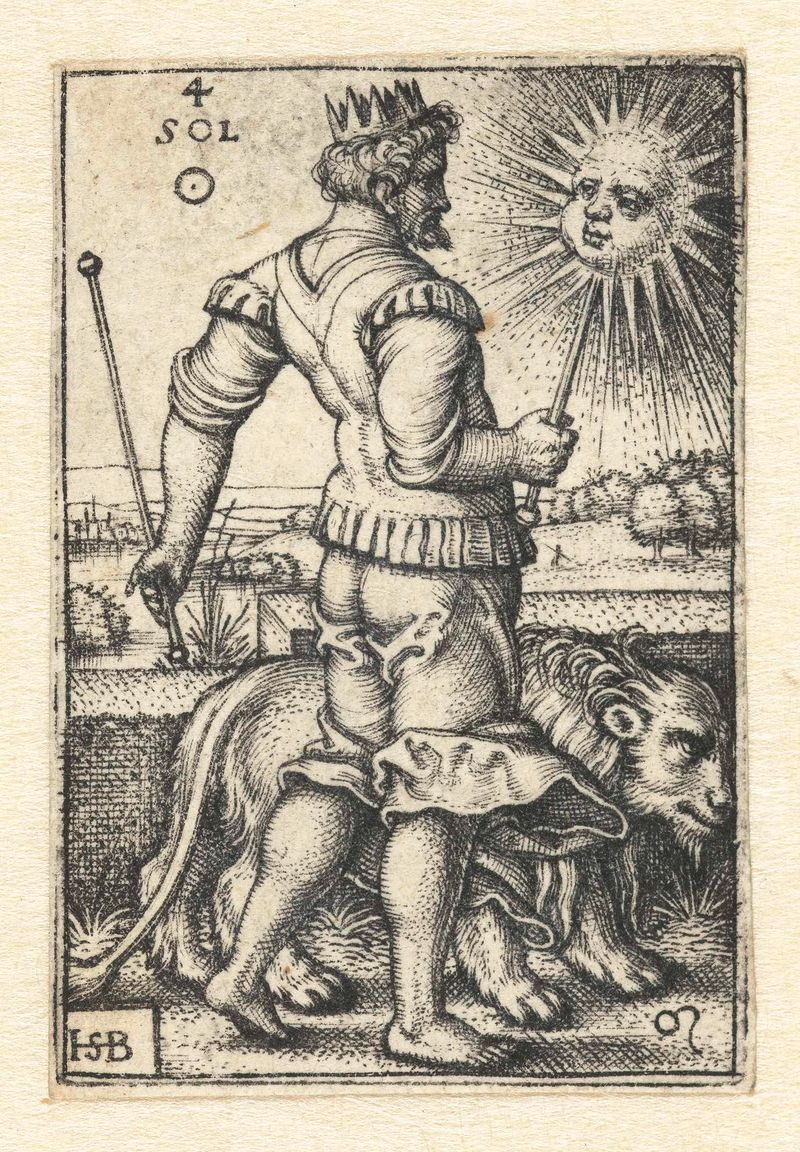
Apollo (Sol) met sterrenbeeld Leeuw
Hans Sebald Beham
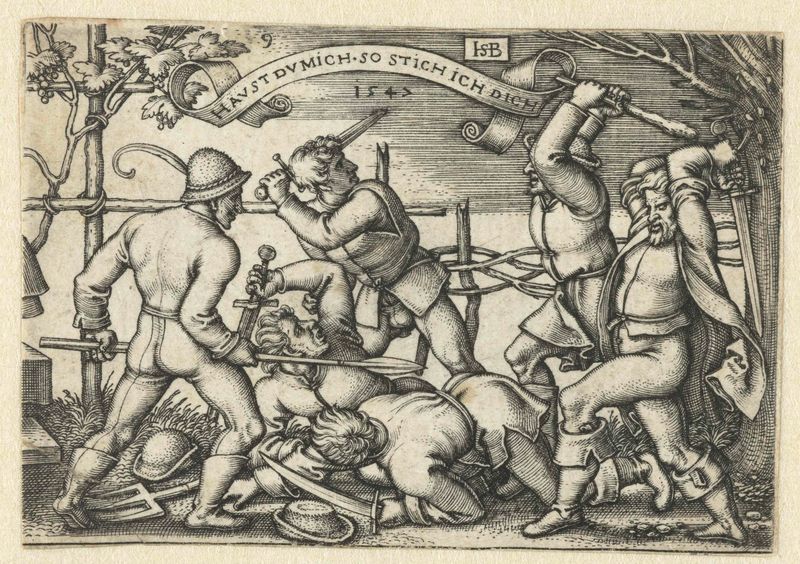
Vechtende boeren met zwaarden
Hans Sebald Beham
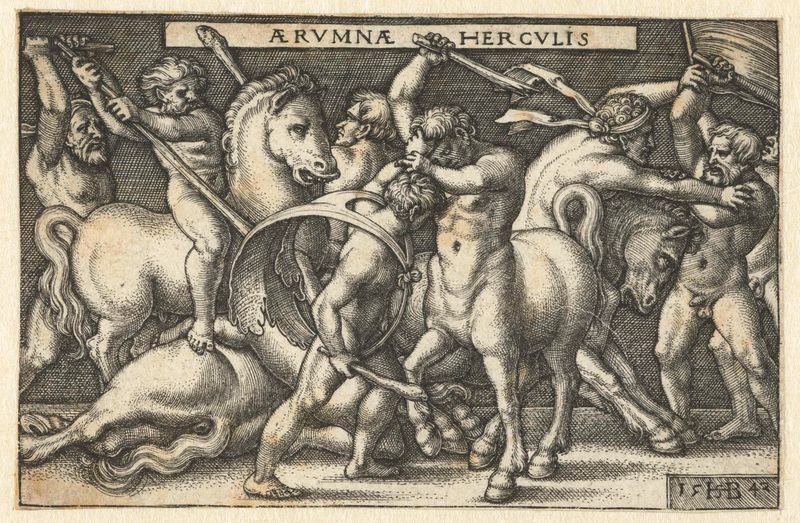
Hercules in gevecht met centaurs
Hans Sebald Beham





