
Boerenpaar — History & Facts
In a time of tumult and uncertainty, the quiet dignity of everyday life often holds the most profound truths. The balance struck between labor and leisure, duty and dreams, is the essence of existence—a theme vividly portrayed through the lens of a bygone era. Focus first on the central figures, the peasant couple, whose gazes meet with an earnestness that seems to transcend time. Notice how the earthy tones of their attire contrast with the soft, radiant light that envelops them, suggesting both warmth and hardship.
The artist's meticulous attention to detail captures the texture of their garments, while the harmonious composition leads your eyes across the canvas, instinctively drawing you into their shared moment. Deeper insight lies in the symbolism of their intertwined hands, perhaps hinting at unity amid the struggles of life. The way their bodies are positioned creates a visual balance, contrasting the strength in their stance with the tenderness of their expressions. Each subtle wrinkle on their faces tells a story—of resilience, of hope.
The background, with its muted greens and browns, emphasizes their connection to the land, reinforcing the idea that their lives are intertwined with the cycles of nature. Painted between 1510 and 1550, this work emerged during a period of significant social change in Europe, marked by the rise of the Reformation and shifts in agricultural practices. Hans Sebald Beham, a notable member of the Northern Renaissance, often explored themes of everyday life, capturing the essence of human experience while pushing against the art world's increasing focus on idealism. This grounded portrayal of a peasant couple serves as a reminder of the beauty found in the ordinary, inviting viewers to appreciate the balance in life that often goes unnoticed.
More Artworks by Hans Sebald Beham
Browse all →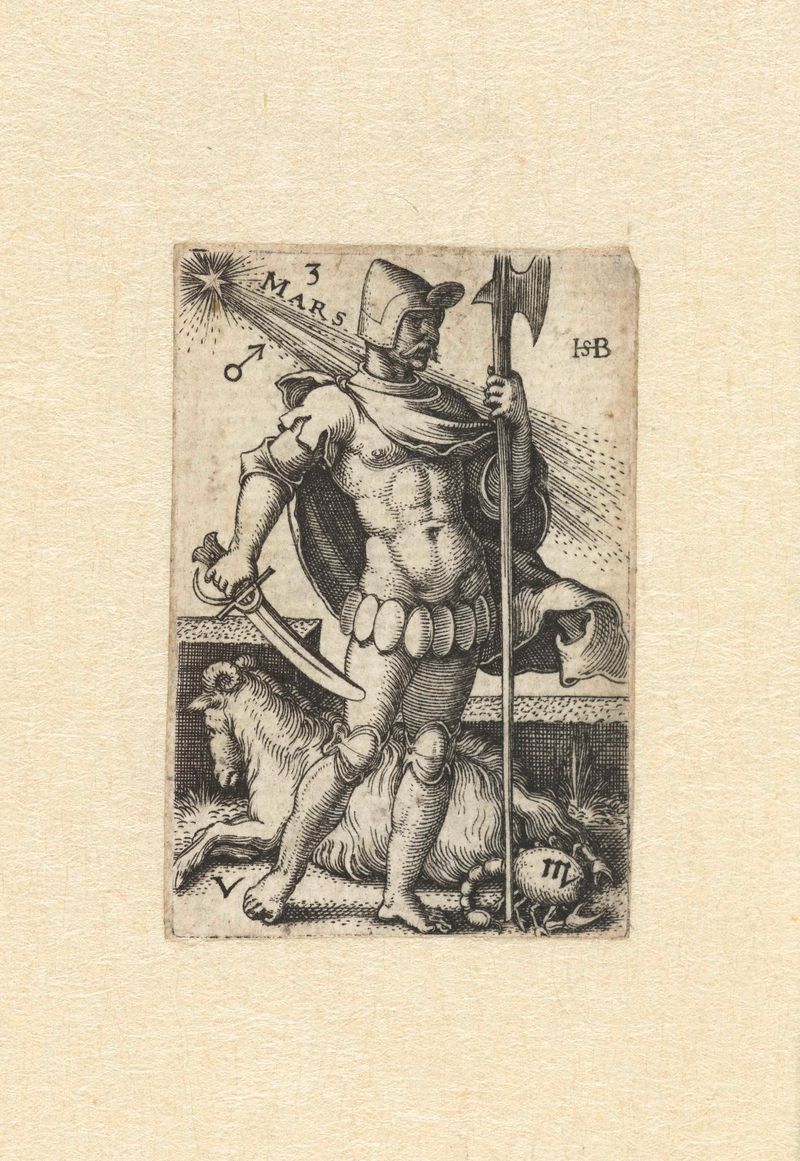
Mars met sterrenbeelden Ram en Schorpioen
Hans Sebald Beham

Achilles in gevecht met Hector
Hans Sebald Beham
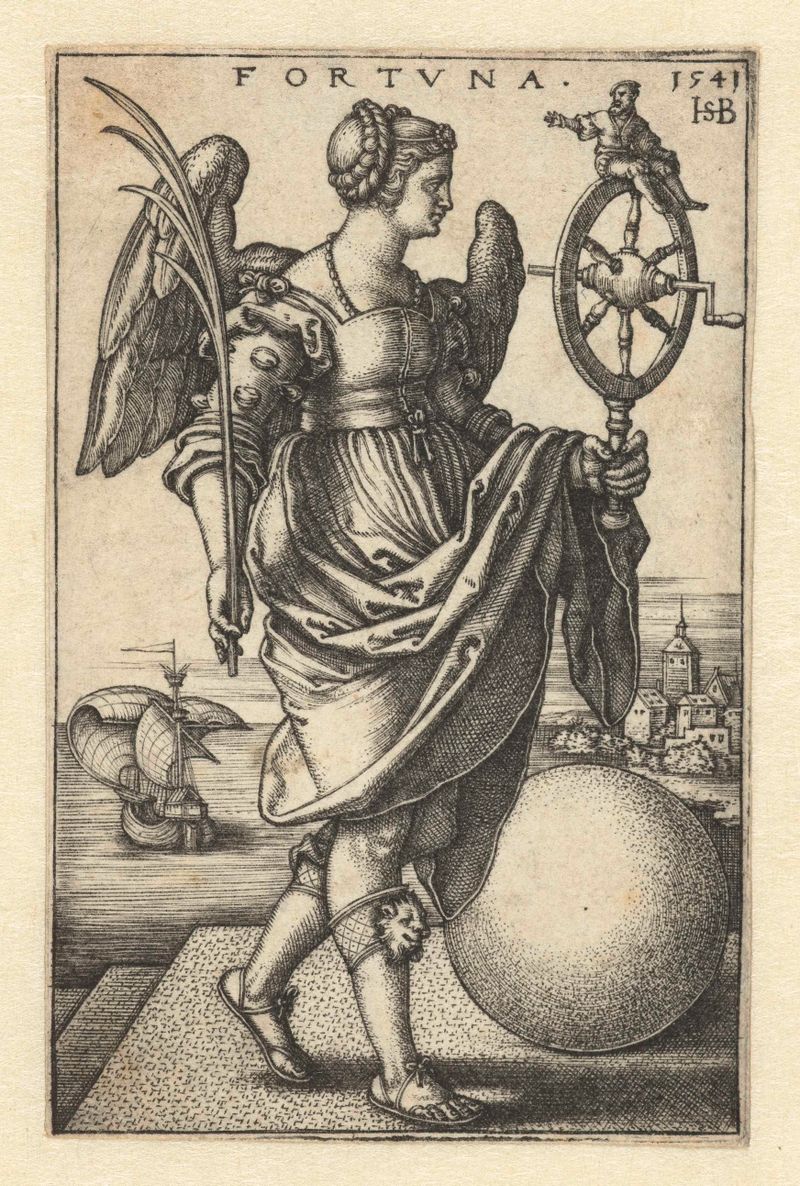
Fortuna
Hans Sebald Beham

Hercules worstelt met Antaeus
Hans Sebald Beham

Twee muzikanten met schalmey en doedelzak
Hans Sebald Beham

Voorzichtigheid (Prudentia)
Hans Sebald Beham

Hercules in gevecht met de Trojanen
Hans Sebald Beham
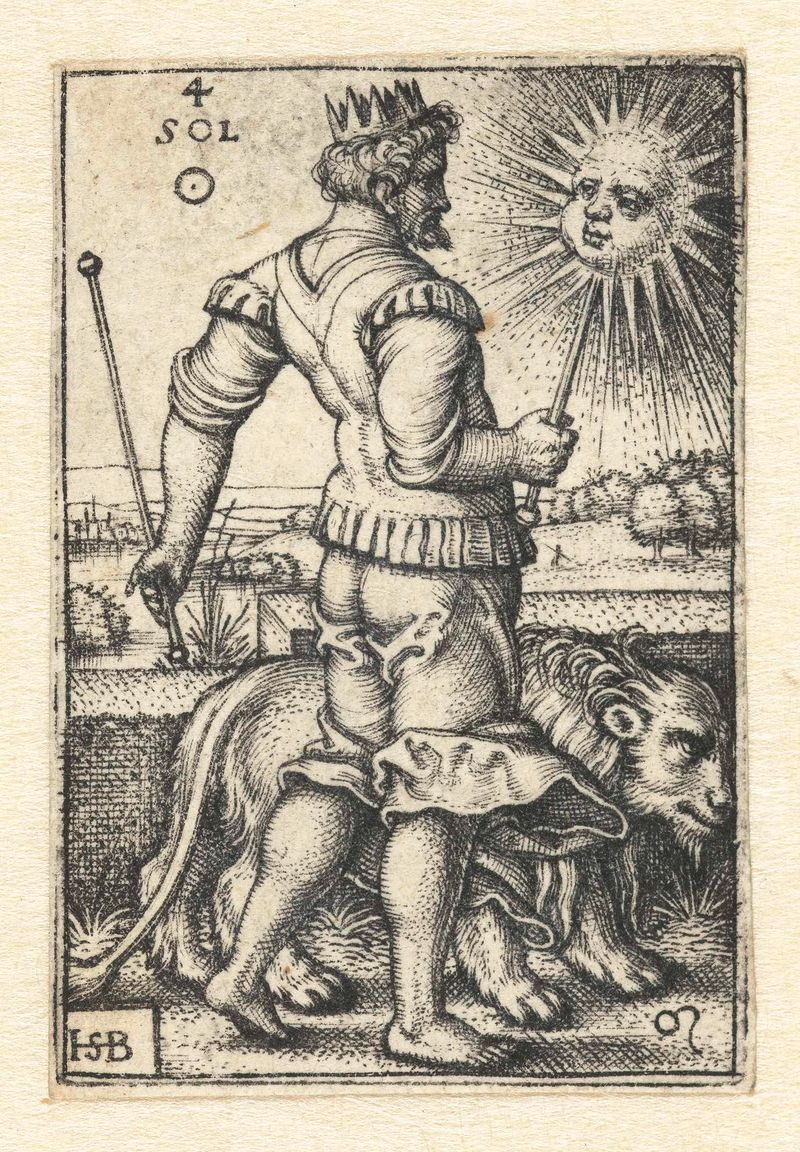
Apollo (Sol) met sterrenbeeld Leeuw
Hans Sebald Beham
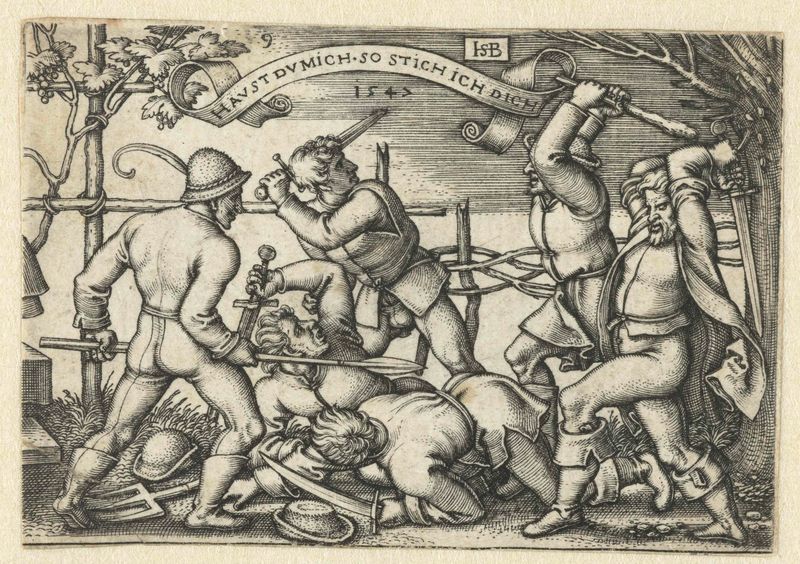
Vechtende boeren met zwaarden
Hans Sebald Beham
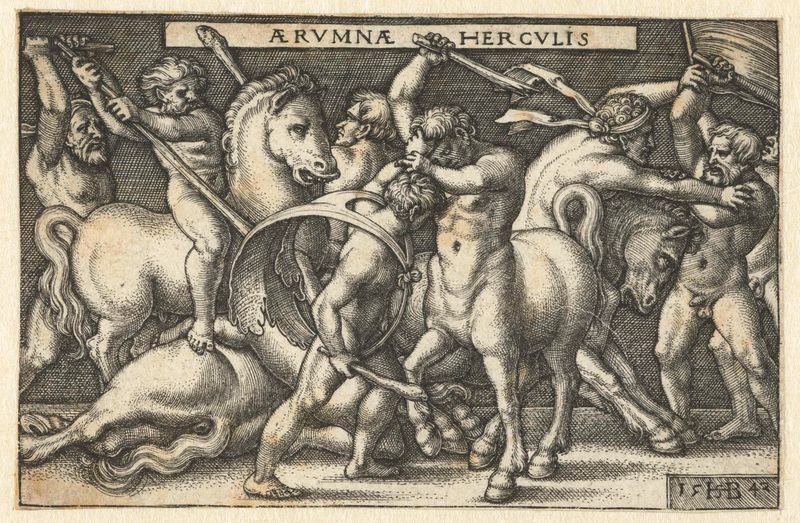
Hercules in gevecht met centaurs
Hans Sebald Beham





