
Bois de Boulogne — History & Facts
Can beauty exist without sorrow? In Bois de Boulogne, a fleeting moment captured in vibrant hues teeters on the edge of fragility, inviting the viewer into an intricate dance of light and shadow. Look to the left at the intertwining trees, their limbs arching gracefully overhead. The dappled sunlight filters through the leaves, creating a mosaic of emeralds and golds on the soft path below. Notice how the figures, elegantly rendered, embody both leisure and contemplation as they stroll through the serene landscape.
The brushstrokes, loose yet intentional, evoke a sense of movement, suggesting that the tranquility of this moment could easily shift. In this delicate interplay, one can sense an underlying tension between the serene beauty of nature and the fleeting quality of time itself. The gentle curves of the path draw the eye into the distance, symbolizing the journey of life. Two figures share a moment of connection, yet the distance between them hints at isolation, underscoring the transient nature of relationships and the bittersweet essence of existence. When Louis Valtat painted Bois de Boulogne in 1938, he was part of a vibrant post-Impressionist movement in France, exploring the interplay of color and form.
During this time, the world around him was steeped in political uncertainty as Europe approached the tumult of World War II. His works reflect a desire to capture beauty amidst chaos, embodying an artistic pursuit that sought to freeze moments of grace in a world rife with change.
More Artworks by Louis Valtat
Browse all →
Bord de rivière aux arbres
Louis Valtat

Normandie
Louis Valtat

Paysage du Midi
Louis Valtat
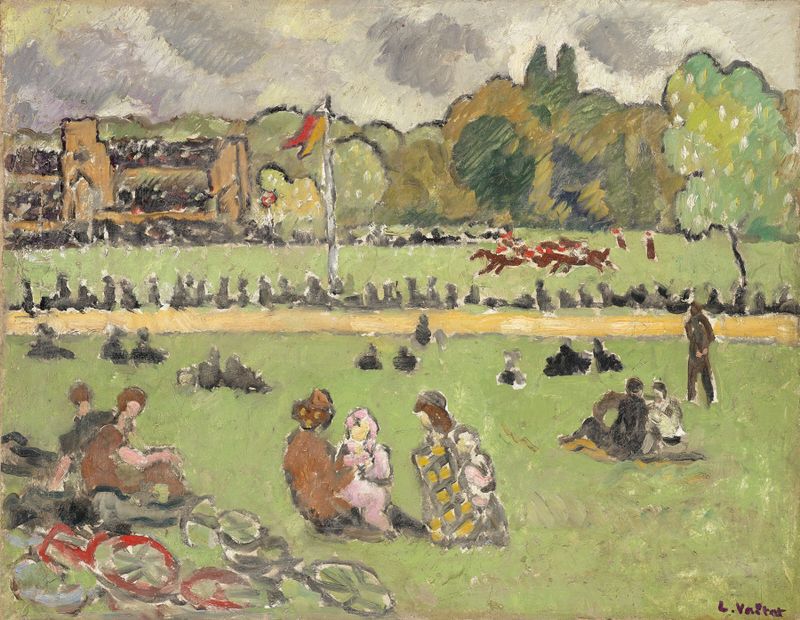
Les Courses
Louis Valtat
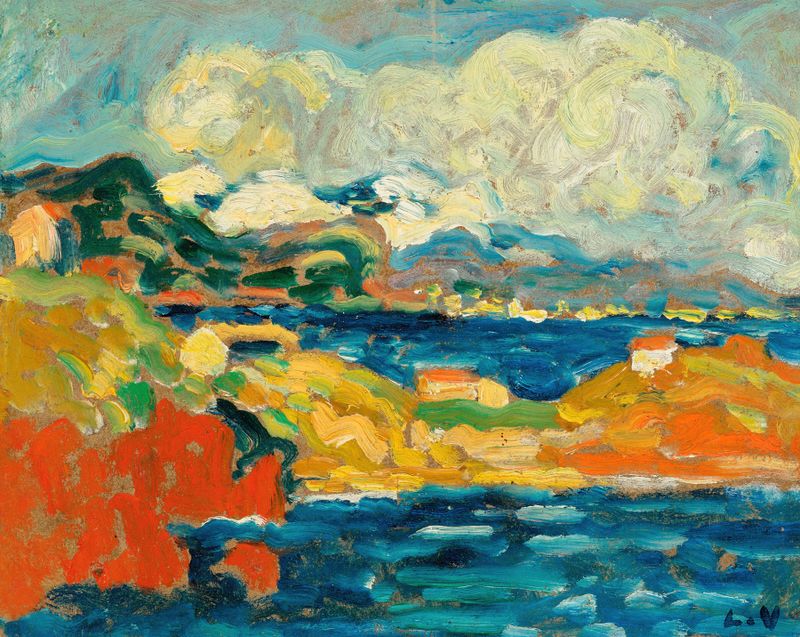
La baie à Anthéor
Louis Valtat

Femme assise au bord de la mer
Louis Valtat
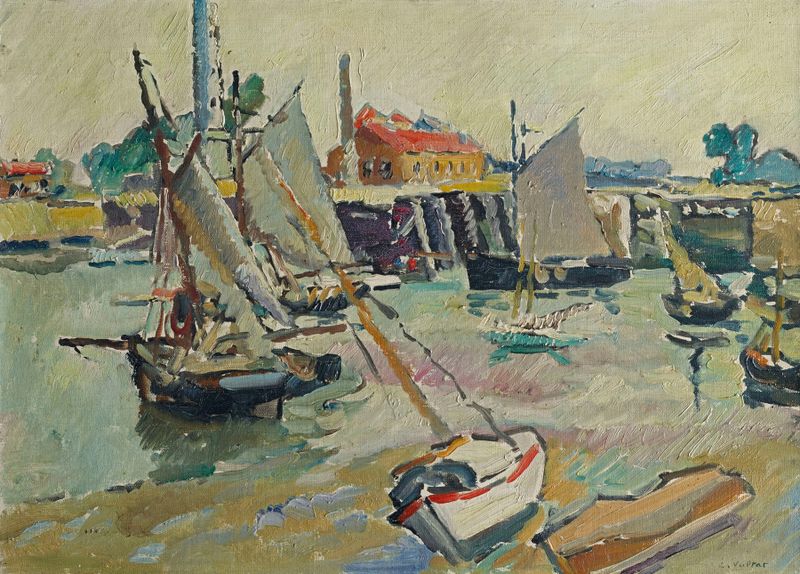
Voiliers au port à marée basse, Ouistreham
Louis Valtat

La maison au bord de la route en Normandie
Louis Valtat

La maison dans le jardin fleuri
Louis Valtat

Le jardin de la maison au toit rouge
Louis Valtat





