
Bonneville, Savoy — History & Facts
What if beauty was never meant to be finished? In the transient landscape of Bonneville, Savoy, the viewer is drawn into a world where the ephemeral touches the eternal, revealing the delicate loneliness of nature. Look closely at the horizon where the mountains emerge, their peaks kissed by a gentle haze. Notice how Turner’s brushwork blends soft pastels with darker undertones, creating a tension between the palpable stillness of the foreground and the ethereal quality of the background. The sky, swirling with cloud formations, commands immediate attention, drawing the eye upward into the infinite — a reminder of both the majesty and isolation found in nature’s embrace. The artwork pulsates with emotional contrasts.
The interplay of light and shadow captures the fleeting moments of daybreak, suggesting that beauty is often accompanied by solitude. The lone figure in the foreground, almost lost against the vastness of the landscape, embodies the struggle between human existence and the overwhelming forces of nature. Each stroke carries with it a whisper of melancholic beauty, invoking a sense of longing that reverberates through the composition. Created in 1803, during a time when Turner was experimenting with color and light, Bonneville, Savoy reflects the artist's fascination with sublime landscapes.
Working in England and traveling through Europe, he sought to elevate the traditional landscape genre. The early 19th century was a period of rapid change, both in the natural world and in art, as the Romantic movement began to challenge classical ideals, inviting deeper emotional expression through the beauty of nature.
More Artworks by Joseph Mallord William Turner
Browse all →
Dort or Dordrecht- The Dort Packet-Boat from Rotterdam Becalmed
Joseph Mallord William Turner
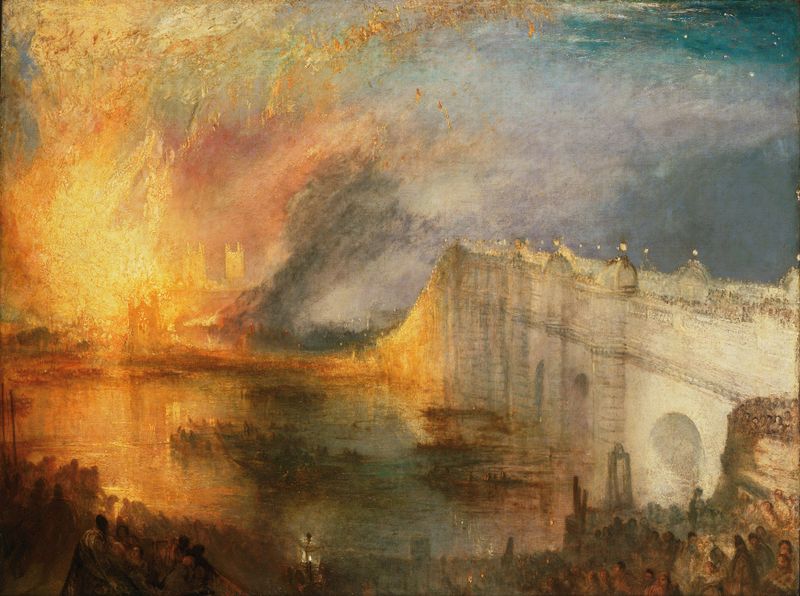
The Burning of the Houses of Lords and Commons, October 16, 1834
Joseph Mallord William Turner
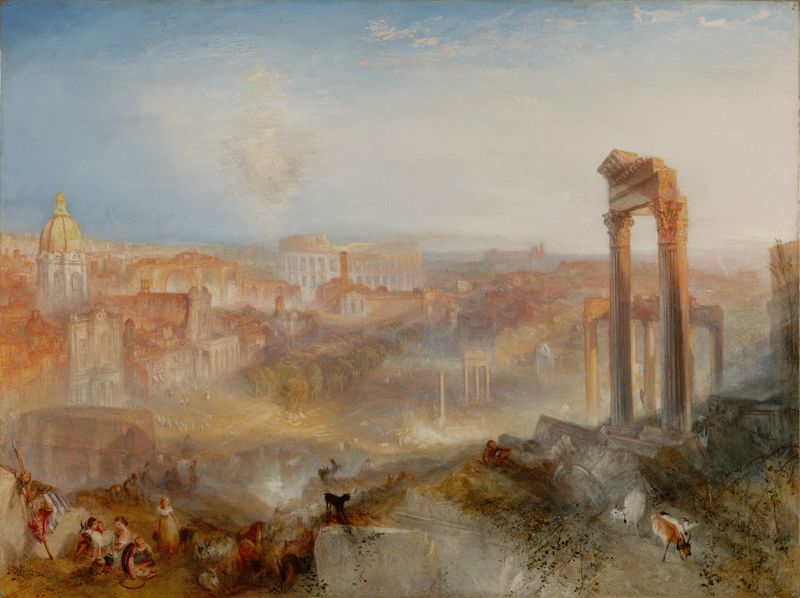
Modern Rome – Campo Vaccino
Joseph Mallord William Turner
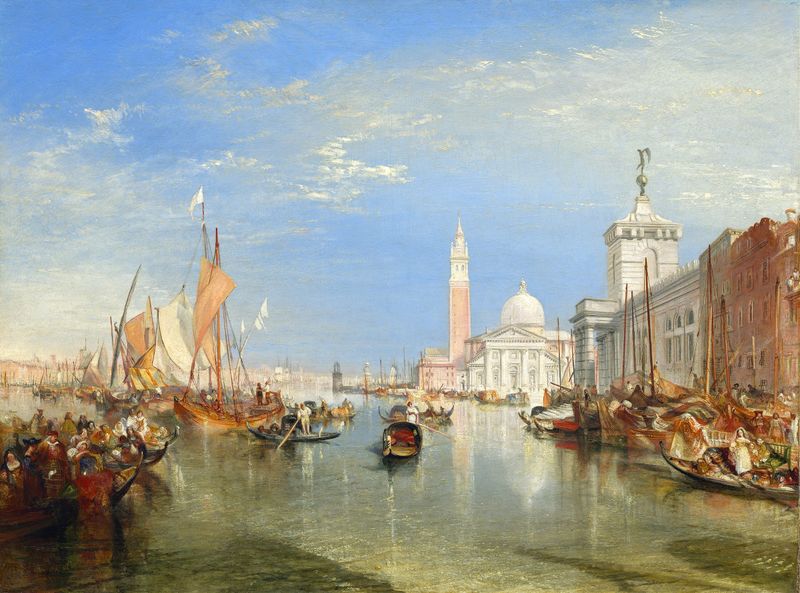
Venice – The Dogana and San Giorgio Maggiore
Joseph Mallord William Turner

The Burning of the Houses of Lords and Commons, 16 October 1834
Joseph Mallord William Turner
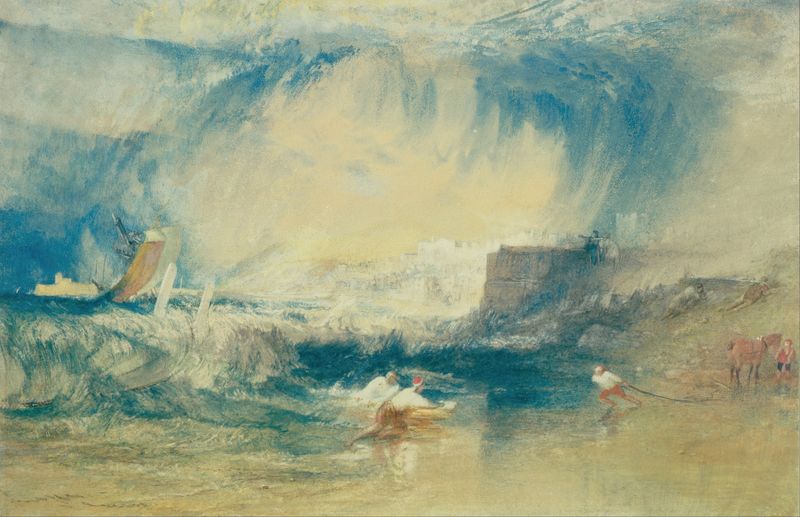
Lyme Regis, Dorsetshire, England
Joseph Mallord William Turner
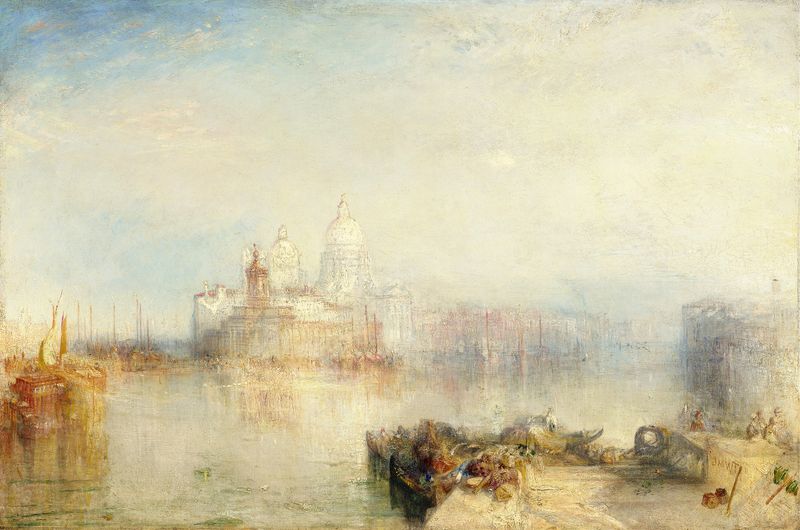
The Dogana and Santa Maria della Salute, Venice
Joseph Mallord William Turner
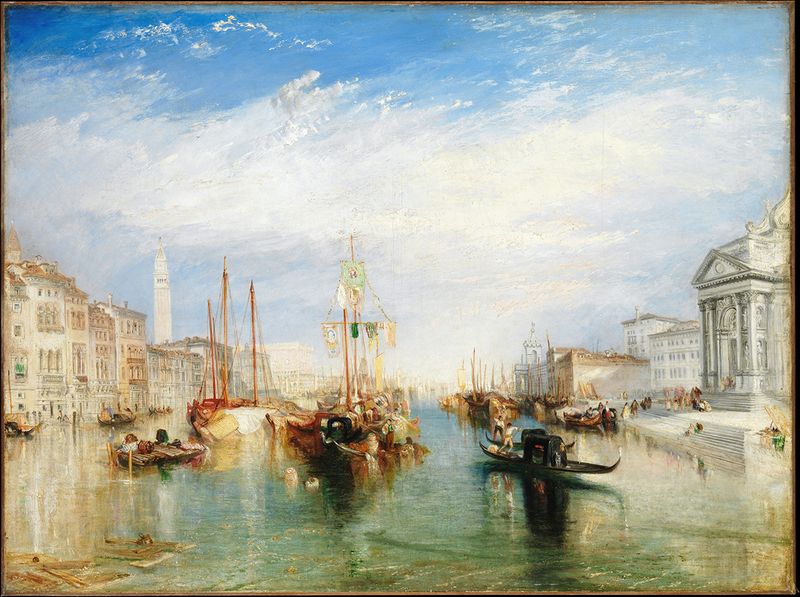
Venice, from the Porch of Madonna della Salute
Joseph Mallord William Turner
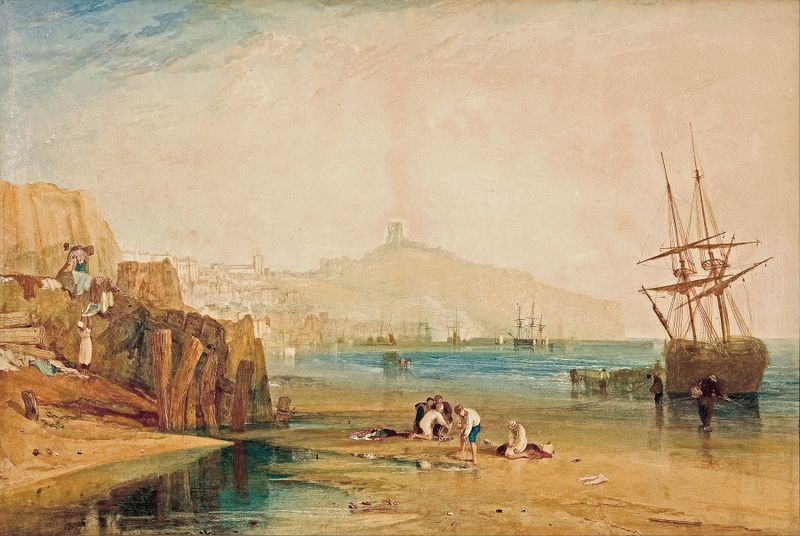
Scarborough town and castle; morning; boys catching crabs
Joseph Mallord William Turner
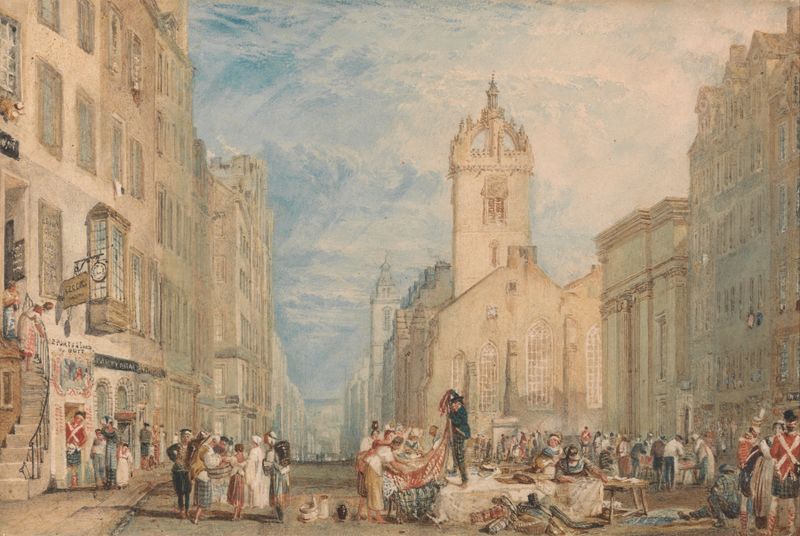
High Street, Edinburgh
Joseph Mallord William Turner





