
Bord De Seine — History & Facts
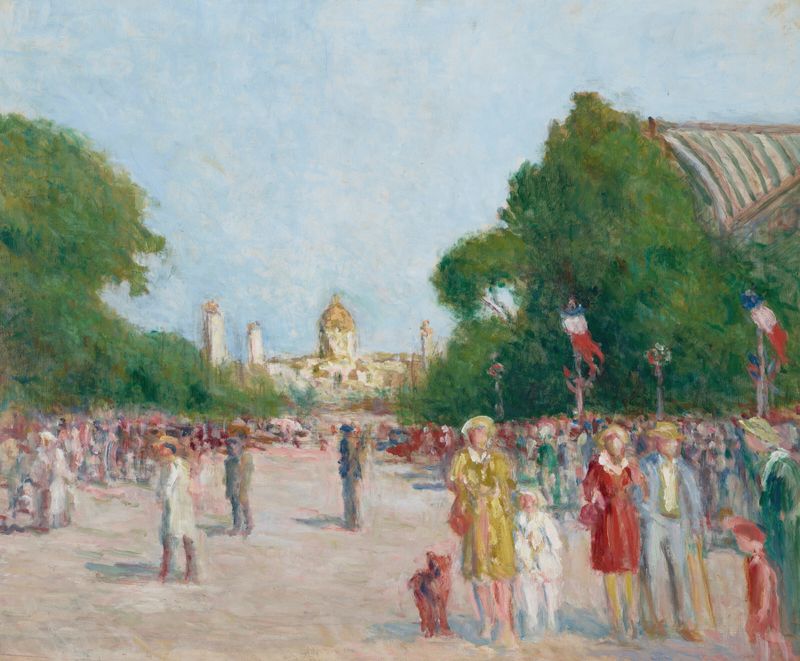
In the quiet moments by the Seine, destiny unfolds like the gentle ripples on the water’s surface, whispering secrets of the past while inviting contemplation of the present. Look to the left at the serene flow of the river, where soft blues and greens blend seamlessly, creating a soothing backdrop. The dappled light cascades through the tree branches, illuminating patches of the riverbank and illuminating figures that dot the landscape. The brushstrokes are rhythmic and deliberate, creating a texture that captures both the fleeting beauty of nature and the permanence of memory. Yet, within this tranquil scene lies a tension between stillness and movement.
The figures, absorbed in their own worlds, embody the isolation that often accompanies destiny. Their gestures, subtle yet poignant, speak of individual paths intertwined with the eternal flow of the Seine, suggesting that each moment is both fleeting and significant. The vibrant colors contrast with deeper shadows, evoking the duality of joy and melancholy that life offers. In 1922, Maximilien Luce painted Bord De Seine during a period of personal and artistic evolution in Paris.
As a member of the Post-Impressionist movement, he was deeply influenced by the socio-political changes of the era, reflecting on the relationship between the individual and society. This piece encapsulates his quest for authenticity in a rapidly changing world, embodying the essence of a time caught between remembrance and the relentless forward march of destiny.
More Artworks by Maximilien Luce
Browse all →
Le Quai Montebello Et La Colline Sainte-Geneviève
Maximilien Luce

Le Pont-Neuf, La Seine, Petit Bras
Maximilien Luce
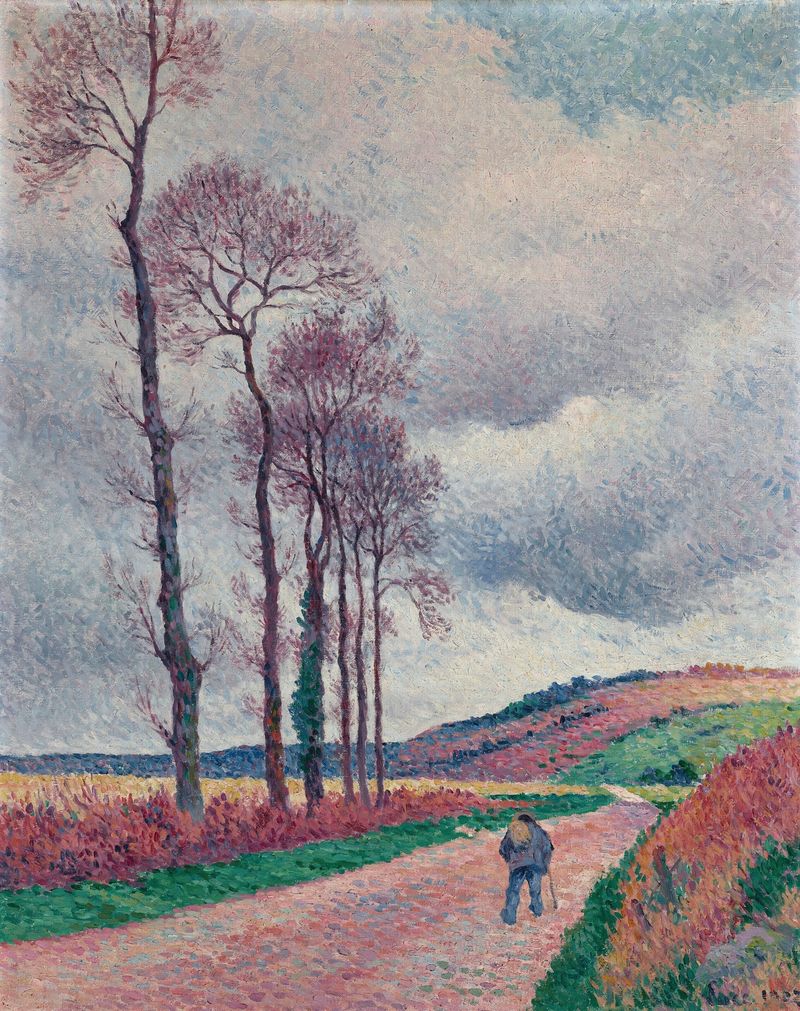
La route aux environs de Méréville
Maximilien Luce
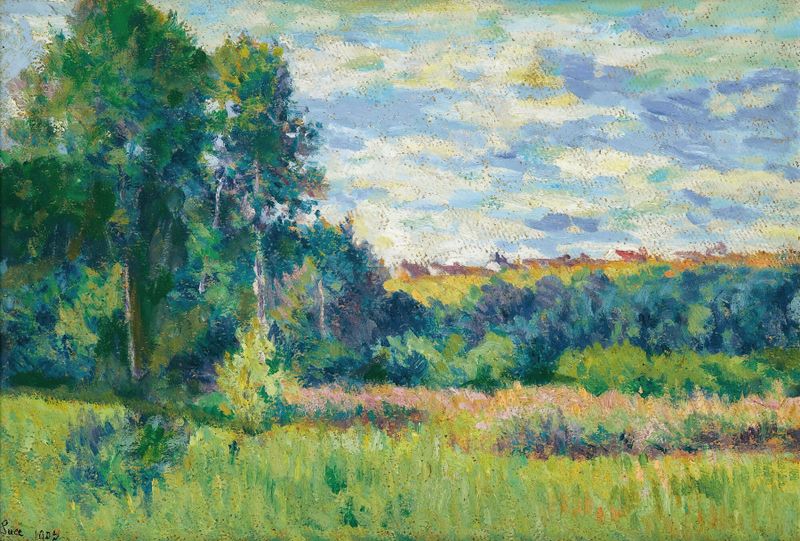
Paysage
Maximilien Luce
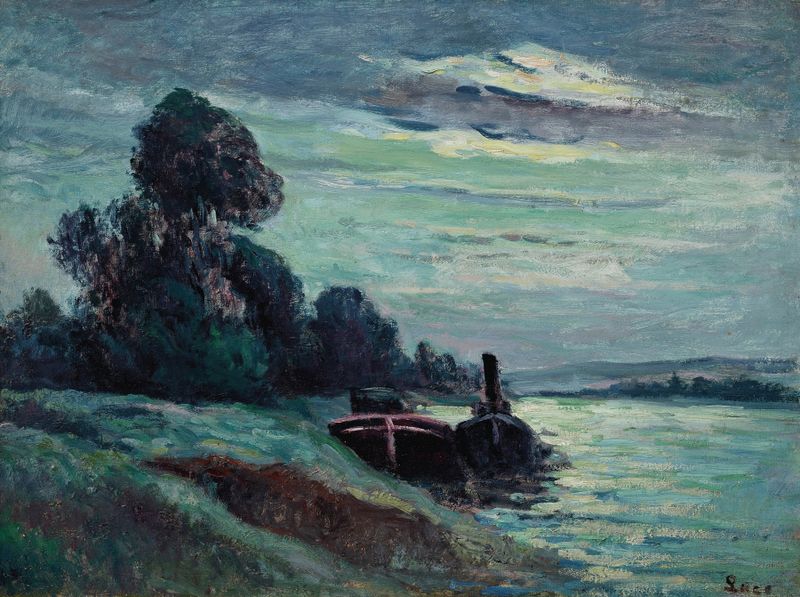
Péniches sur la Seine
Maximilien Luce

Notre Dame de Paris
Maximilien Luce
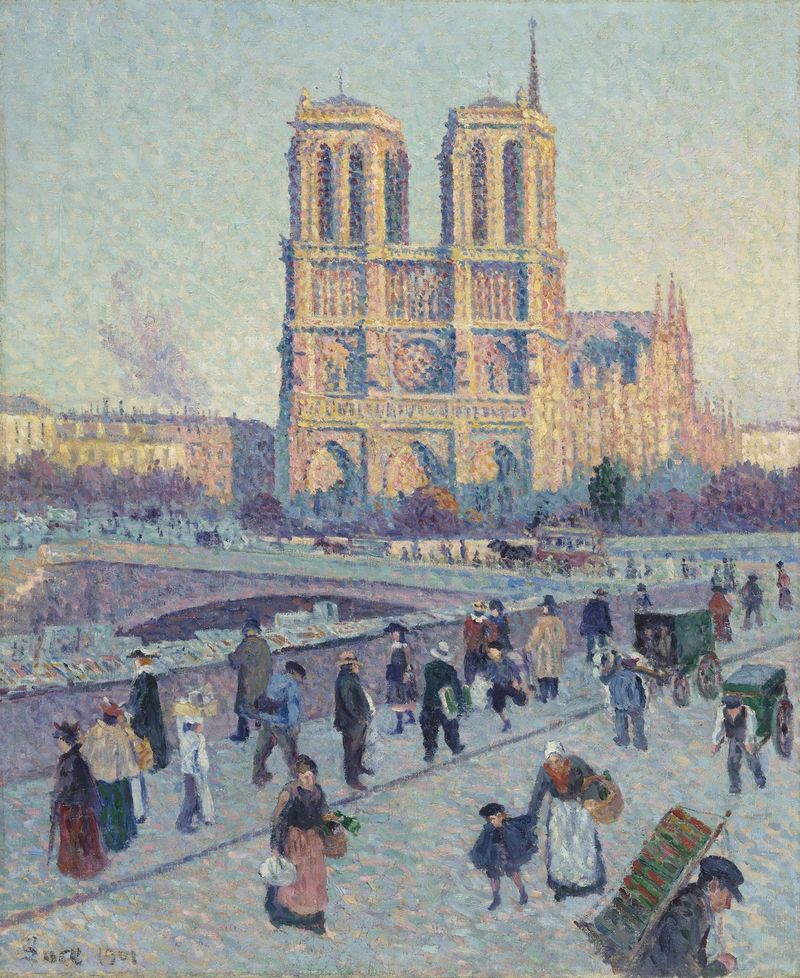
The Quai Saint-Michel and Notre-Dame
Maximilien Luce

La Seine au Pont Mirabeau
Maximilien Luce
L’avenue Winston-Churchill, Paris
Maximilien Luce

Paris, Le Quartier De Vaugirard
Maximilien Luce





